

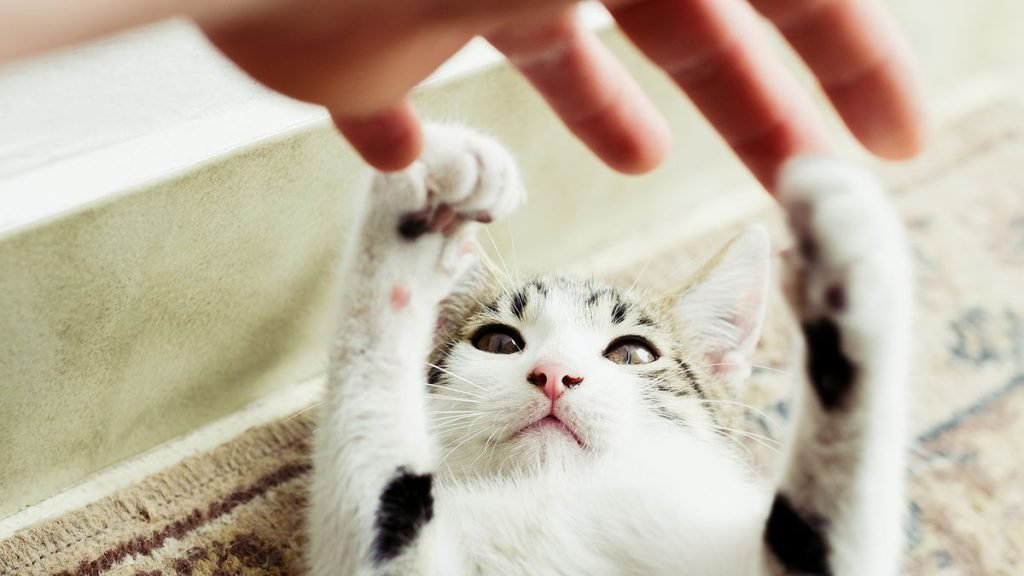
Have you ever wondered why your cat sometimes seems to bow down or act unusually gentle? It’s not just a quirk; it’s a fascinating aspect of their personality known as submissive behavior.
Understanding this behavior can offer you deeper insights into your feline friend’s mind and emotions. Imagine being able to interpret those subtle cues, making your bond stronger and more harmonious. This knowledge can transform your relationship, allowing for smoother interactions and fewer misunderstandings.
Curious about what these behaviors mean and how they can improve your daily life with your cat? Read on to uncover the secrets behind submissive behavior in cats, and learn how this understanding can enhance your connection with your furry companion.
Signs Of Submissive Behaviour
Submissive behaviour in cats shows their way of avoiding conflict. Cats use different signals to show they are not a threat. Recognizing these signs helps owners understand their cat better. It also improves cat-to-cat and cat-to-human relationships.
Body Language Cues
- Lowered head or crouching close to the ground
- Avoiding direct eye contact or blinking slowly
- Flattened ears pressed back against the head
- Tail tucked close to the body or wrapped around the legs
- Exposing the belly or lying on their side
Vocalizations And Sounds
- Soft, quiet meows instead of loud or aggressive sounds
- Purring in a gentle, calm manner
- Hissing or growling rarely, only in defense
- Chirping or trilling to show friendliness and submission
Interactions With Humans
- Approaching slowly and cautiously
- Allowing petting but moving away if overstimulated
- Rubbing against legs to show trust
- Rolling over to expose the belly as a sign of trust
- Lowering body or crouching near humans for comfort
Interactions With Other Cats
- Backing away to avoid fights
- Showing side or belly to signal no threat
- Slow blinking to communicate peace
- Avoiding direct stares and aggressive postures
- Grooming others as a way to build bonds
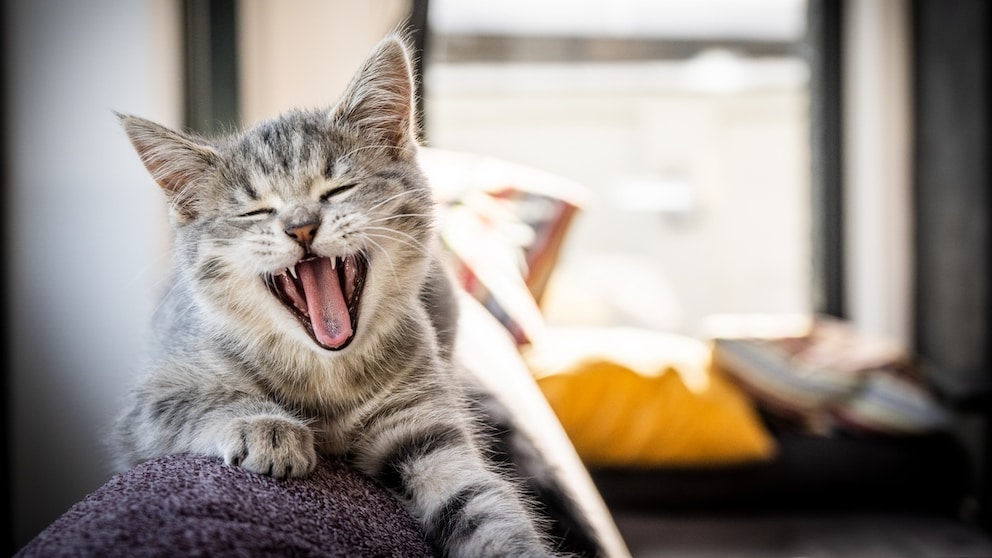
Credit: www.petbook-magazine.com
Causes Of Submissive Behaviour
Understanding why your cat shows submissive behaviour can help you build a stronger bond and improve their comfort at home. Submissive behaviour is often a way for cats to communicate their feelings or respond to their environment. Identifying the root causes lets you address their needs better and create a peaceful atmosphere.
Genetic Factors
Some cats inherit traits that make them naturally more submissive. Breeds like the Burmese or Ragdoll often display gentle and yielding personalities. If you notice your cat tends to avoid confrontation or quickly backs down, genetics could play a key role.
Have you observed how siblings from the same litter can act very differently? This difference often comes down to inherited behavioural tendencies.
Early Life Experiences
Kittens learn a lot about social behaviour from their mother and littermates. If a kitten experiences rough handling or limited social interaction early on, it might develop submissive traits to avoid conflict. Conversely, positive early experiences usually encourage confidence.
Think about your cat’s first weeks—were they exposed to gentle touch and varied environments? These moments shape how they handle stress and interaction later.
Environmental Influences
Your cat’s surroundings can trigger submissive behaviour. A noisy home, other dominant pets, or sudden changes can make your cat feel threatened. They may respond by cowering, lowering their body, or avoiding eye contact to show they mean no harm.
Try observing when your cat becomes submissive—does it happen around certain people or events? Adjusting their environment can reduce these stress triggers.
Health Issues
Sometimes, submissive behaviour signals that your cat is not feeling well. Pain or illness can make cats more withdrawn and less likely to stand their ground. If your cat suddenly becomes more submissive, a vet checkup might be necessary.
Have you noticed changes in appetite, activity, or grooming along with submissive actions? These clues help you spot underlying health problems early.
Impact On Cat Well-being
Submissive behaviour in cats affects their overall well-being in many ways. It influences their mental state, social life, and daily actions. Understanding these impacts helps in caring for cats better and promoting a healthy environment.
Stress And Anxiety
Submissive cats often experience high stress levels. They may hide or avoid eye contact to stay safe. This constant alertness can cause anxiety and weaken their immune system. Stress affects appetite and sleep patterns, leading to poor health.
Social Relationships
Submissive behaviour shapes how cats interact with others. These cats usually avoid conflicts and let dominant cats lead. They may struggle to find their place in multi-cat homes. This can limit their social opportunities and lead to isolation.
Behavioral Changes
Submissive cats often show changes in behaviour over time. They may become quieter and less playful. Some develop habits like excessive grooming or hiding. These changes signal that the cat feels unsafe or stressed in its surroundings.
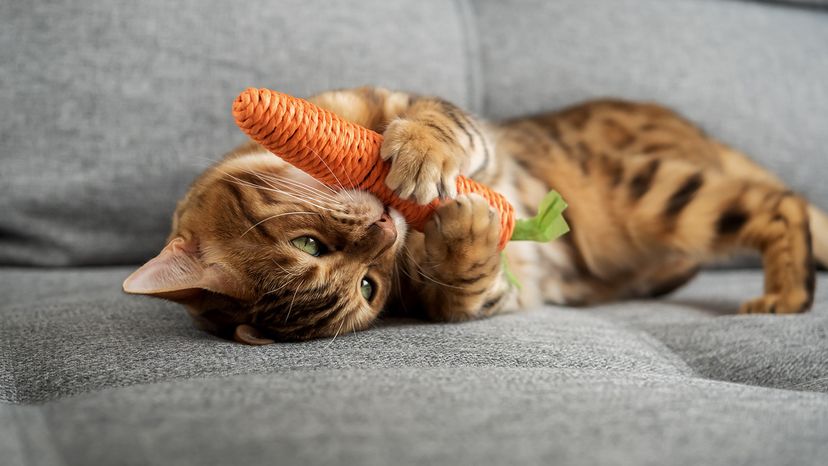
Credit: animals.howstuffworks.com
Encouraging Confidence
Encouraging confidence in a submissive cat helps them feel safe and valued. A confident cat explores more, interacts better, and enjoys a happier life. Building confidence takes patience and gentle care.
Positive Reinforcement Techniques
Use treats and soft praise to reward brave actions. Reward small steps like approaching new toys or people. Avoid punishment; it increases fear and lowers trust. Consistent rewards teach cats that new experiences bring good things.
Safe And Enriching Environment
Create quiet spaces where cats can hide and relax. Offer cozy beds, tall perches, and safe corners. Avoid loud noises and sudden movements that cause stress. A calm environment lets shy cats explore at their own pace.
Regular Play And Interaction
Play builds trust and encourages active behavior. Use toys that mimic prey, like feather wands or laser pointers. Short, gentle sessions work best for timid cats. Playtime helps cats practice skills and boosts their confidence.
Managing Submissive Behaviour
Managing submissive behaviour in cats requires patience and understanding. This behaviour often stems from fear or insecurity, so your approach should focus on building trust rather than asserting dominance. Helping your cat feel safe and confident can transform your relationship and improve their overall well-being.
Avoiding Punishment
Punishing a submissive cat can make their fear worse. Instead of scolding or physical punishment, use calm and gentle tones to guide your cat. Negative reactions can damage the trust you’ve worked hard to build.
Consider rewarding your cat with treats or affection when they show brave or calm behaviour. This positive reinforcement encourages them to repeat these actions without feeling threatened.
Gradual Exposure To Stimuli
Introducing new experiences slowly helps your cat adjust without feeling overwhelmed. Start by exposing them to new sights, sounds, or people in small doses.
If your cat hides at the first sign of a visitor, try sitting quietly near them while the guest is present and offering treats. Over time, your cat will associate these situations with safety and rewards, reducing their submissiveness.
Seeking Professional Help
Sometimes, submissive behaviour is deeply rooted and hard to manage alone. A veterinarian or animal behaviourist can assess your cat’s needs and suggest tailored strategies.
They might recommend behaviour modification plans or even medical interventions if anxiety is severe. Don’t hesitate to reach out for expert advice—it can make a big difference for both you and your cat.

Credit: www.seemour.ai
Frequently Asked Questions
What Is Submissive Behaviour In Cats?
Submissive behaviour in cats shows their respect or fear of others. It includes avoiding eye contact, crouching, or lowering their body. This behaviour helps prevent conflicts and shows the cat’s desire to stay safe and non-threatening.
Why Do Cats Show Submissive Behaviour?
Cats show submissive behaviour to avoid fights and feel secure. It helps them communicate peaceful intentions to other cats or humans. This behaviour can also indicate stress, anxiety, or unfamiliar surroundings.
How To Identify Submissive Behaviour In Cats?
Look for signs like flattened ears, lowered tail, and avoiding direct gaze. Cats may also expose their belly or crouch low to the ground. These are clear signs they feel submissive or threatened.
Can Submissive Behaviour Indicate Health Problems?
Sometimes submissive behaviour can signal pain or illness. If a cat suddenly acts submissive or withdrawn, a vet check is recommended. Behaviour changes often reflect discomfort or stress related to health issues.
Conclusion
Submissive behaviour in cats helps keep peace at home. It shows trust and respect between cats and owners. Understanding these signs helps you care for your cat better. Each cat is different and may show submission in unique ways. Watching your cat closely builds a stronger bond.
Patience and kindness make your cat feel safe and loved. This behaviour is natural and part of cat communication. Keep learning about your cat’s needs every day. Your gentle care creates a happy, calm environment for your pet.
