

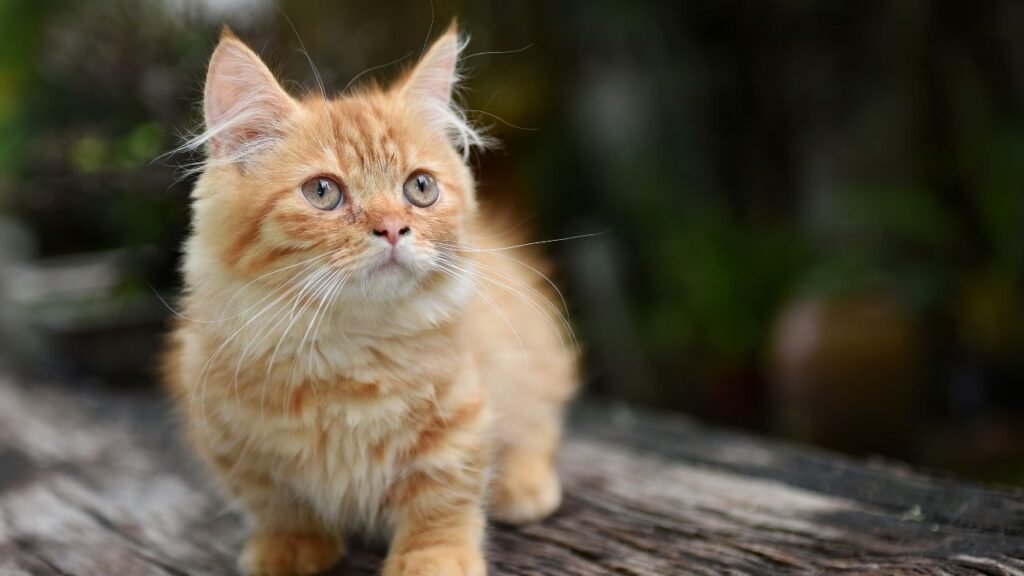
Are you a cat lover looking for the perfect pint-sized feline friend? Short cat breeds might just be what you’ve been searching for.
These adorable, compact companions are not only easy to manage but also bring immense joy and warmth to your home. Imagine having a cat that’s just as playful and loving as any other, but with the added charm of a smaller stature.
You will discover the fascinating world of short cat breeds, their unique characteristics, and why they could be the ideal addition to your family. Dive in, and find out which small-sized kitty could steal your heart!
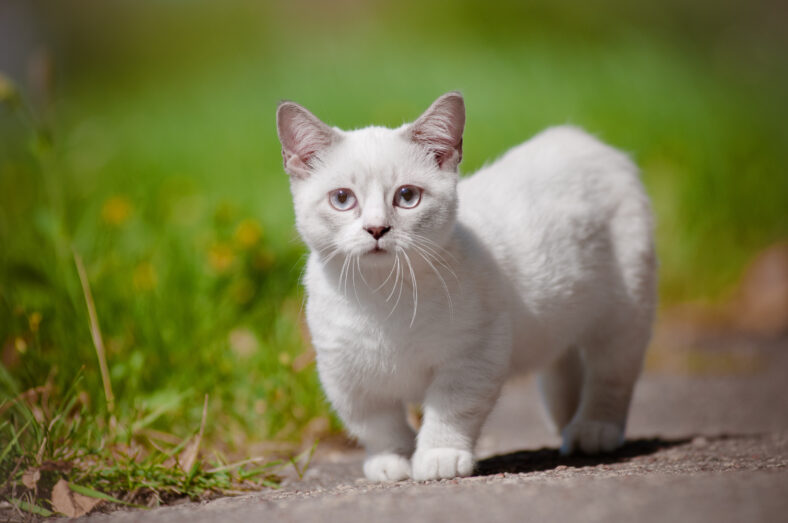
Credit: www.chipchick.com
Popular Short Cat Breeds
Short cat breeds are a favorite for many pet lovers due to their manageable grooming needs and charming personalities. These cats often boast sleek coats that are easy to maintain, making them perfect for busy households. If you’re considering adding a short-haired feline friend to your home, here’s a look at some popular breeds you might want to know about.
Burmese Cats
Burmese cats are known for their striking, glossy coats and captivating eyes. They are incredibly social and love being part of family activities, often following you from room to room. Their playful nature means they stay kitten-like well into adulthood, keeping you entertained with their antics.
British Shorthairs
British Shorthairs have a dense, plush coat that feels like velvet to the touch. They tend to be calm and easygoing, making them excellent companions for quieter homes. If you want a cat that’s affectionate but not overly demanding, this breed might be a good match.
American Shorthairs
American Shorthairs are adaptable and robust, with a wide range of coat colors and patterns. They are known for their hunting skills and gentle temperament. These cats adjust well to different living environments, whether you have a busy household or a more relaxed setting.
Russian Blues
Russian Blues have a distinctive silvery-blue coat and bright green eyes that make them stand out. They are often reserved around strangers but form deep bonds with their owners. If you appreciate a cat with a bit of mystery and elegance, the Russian Blue could be your ideal companion.
Cornish Rex
The Cornish Rex has a unique curly coat that is short and soft, requiring minimal grooming. Their slender bodies and high energy levels mean they need plenty of playtime. This breed thrives in homes where they get lots of attention and interactive toys.
Traits Of Short-haired Cats
Short-haired cats have unique traits that make them popular pets. Their appearance and behavior appeal to many cat lovers. These cats are often easy to care for and adapt well to different homes. Understanding their traits helps in choosing the right cat breed.
Coat Characteristics
Short-haired cats have sleek, smooth coats that lie close to the skin. Their fur requires less grooming than long-haired cats. Shedding is moderate and more manageable. The coat feels soft and cool to touch. Colors and patterns vary widely, from solid to striped or spotted. This diversity adds to their charm.
Temperament And Personality
Short-haired cats are friendly and social companions. Many are playful and enjoy interaction with people. They can be curious and intelligent, often exploring their surroundings. Some breeds are calm and affectionate, while others are lively and outgoing. They tend to bond well with families and other pets.
Activity Levels
These cats usually have moderate to high energy. They enjoy playing with toys and climbing. Short-haired cats often prefer engaging activities that challenge their minds. Daily exercise helps keep them healthy and happy. Many adapt well to indoor living with enough stimulation.
Benefits Of Short-haired Cats
Short-haired cats offer a range of benefits that make them ideal companions for many households. Their sleek coats require less maintenance, and they often adapt well to different living environments. Understanding these advantages can help you decide if a short-haired breed fits your lifestyle.
Low Grooming Needs
Short-haired cats are easier to groom compared to their long-haired counterparts. You won’t need to spend hours brushing to prevent mats or tangles. This means less time on maintenance and more time enjoying your pet’s company.
In my experience, owning a short-haired cat saved me countless hours each week. Simple brushing sessions once or twice a week kept their coat shiny and healthy. Could less grooming mean less stress for both you and your cat?
Allergy Considerations
If allergies concern you or someone in your home, short-haired cats might be a better option. They tend to shed less fur around the house, which can reduce allergen levels. While no cat breed is completely hypoallergenic, many people find short-haired cats easier to tolerate.
Consider keeping your home well-ventilated and cleaning regularly to further minimize allergens. Would managing allergies with a short-haired cat make pet ownership more comfortable for your family?
Adaptability To Homes
Short-haired cats often adjust quickly to new environments. Their low grooming needs and generally calm demeanor help them settle into apartments, houses, and busy households. They typically handle changes in routine or space better than some long-haired breeds.
Have you noticed how some cats thrive in small spaces while others seem stressed? Short-haired breeds often manage well in both, making them a versatile choice no matter your living situation.
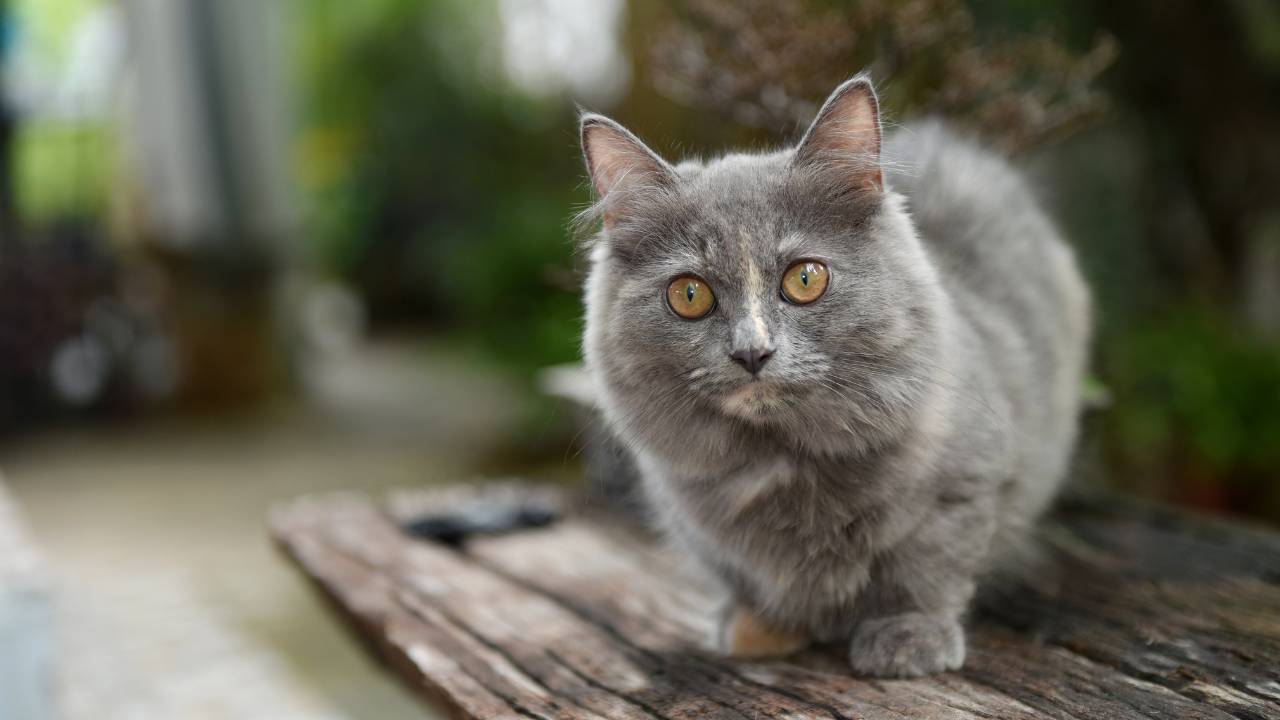
Credit: americanpaws.club
Choosing The Right Short-haired Cat
Choosing the right short-haired cat matters for a happy home. Cats have different needs and personalities. Picking a cat that fits your life helps both of you. Short-haired breeds offer many options. Consider your lifestyle, health needs, and what size or age suits you best. These factors make a big difference in your pet’s happiness and care.
Lifestyle Compatibility
Think about your daily routine and living space. Active people may want playful cats like the Abyssinian. Quiet homes suit calm breeds like the British Shorthair. Some cats like lots of attention. Others enjoy alone time. Consider family members and other pets. Choose a cat that matches your energy and social habits. This creates a peaceful environment for everyone.
Health Factors
Short-haired cats usually need less grooming. Still, some breeds have specific health issues. For example, the Siamese can have respiratory problems. The American Shorthair is known for good health and longevity. Research breed traits before deciding. Regular vet visits keep your cat healthy. Diet and exercise also play key roles. A healthy cat lives longer and feels better.
Age And Size Preferences
Decide if you want a kitten, adult, or senior cat. Kittens need more time and training. Adults are often calmer and trained. Seniors may need special care and more rest. Size matters too. Smaller cats can be easier to handle. Larger cats may need more space and food. Match age and size with your lifestyle and home. This helps you care for your cat properly.
Care Tips For Short-haired Cats
Caring for short-haired cats might seem straightforward, but there are specific needs that can help your feline thrive. These cats usually shed less and are easier to groom, but they still require attention in areas like diet, grooming, and mental stimulation. Paying close attention to these factors can improve their health and happiness over time.
Nutrition And Diet
Your short-haired cat’s diet plays a huge role in maintaining a sleek, healthy coat. Choose high-quality cat food rich in protein and essential fatty acids like omega-3 and omega-6 to support skin health.
Watch for signs like dry skin or excessive shedding—they can indicate nutritional gaps. Have you noticed if your cat’s energy levels fluctuate after meals? This can hint at diet adjustments needed.
- Provide fresh water daily to keep your cat hydrated
- Limit treats to avoid weight gain
- Consider supplements only if recommended by a vet
Regular Grooming Routine
Short-haired cats benefit from regular brushing, even though their fur is less prone to mats. Brushing once or twice a week removes loose hairs and reduces shedding around your home.
I once skipped brushing my short-haired cat for a month, and I noticed more hairballs and dull fur. A simple grooming routine can prevent these problems and strengthen your bond.
- Use a soft-bristle brush to avoid skin irritation
- Check ears and eyes during grooming for any signs of infection
- Trim nails regularly to prevent scratches and discomfort
Exercise And Enrichment
Keeping your short-haired cat active is essential for mental and physical health. Short-haired breeds often enjoy climbing and chasing toys, so provide plenty of opportunities to move and play.
Have you observed your cat’s favorite playtime? Matching toys to their preferences keeps them engaged and reduces boredom-related behavior.
- Set up climbing trees or shelves
- Rotate toys to maintain interest
- Engage in interactive play sessions daily
Where To Find Short-haired Cats
Finding the perfect short-haired cat can be an exciting journey. Whether you’re drawn to their sleek fur or easy grooming, knowing where to look is key. You want a healthy, happy cat that fits your lifestyle, so choosing the right source matters.
Adoption Centers
Adoption centers often have a variety of short-haired cats waiting for a new home. Visiting local shelters gives you the chance to meet cats in person and learn about their personalities directly. Plus, adopting from a shelter means you’re giving a cat a second chance at life.
Many adoption centers provide detailed info on the cats’ health and behavior. You can ask about their grooming needs and see if a short-haired breed matches your activity level. Have you considered how adopting might bring unexpected joy into your home?
Reputable Breeders
Reputable breeders focus on the health and temperament of their cats. If you want a specific short-haired breed, breeders can provide background on lineage and care. This helps you understand what to expect as your cat grows.
Look for breeders who allow visits and answer your questions openly. Check for certifications or memberships in cat fancy organizations to ensure credibility. Choosing a breeder carefully can save you from health issues and behavioral surprises later.
Online Communities
Online communities and forums connect you with cat lovers and experts worldwide. You can find recommendations for breeders, adoption events, and even local rescue groups. These platforms are great for asking about short-haired cats’ traits and care tips.
Engaging with other cat owners helps you learn from real experiences. Have you joined any cat-focused groups where members share honest advice and support? Sometimes, the best advice comes from those who’ve walked the path before you.

Credit: goofytails.com
Frequently Asked Questions
What Are The Most Popular Short Cat Breeds?
Popular short cat breeds include the British Shorthair, American Shorthair, and Exotic Shorthair. These breeds are known for their plush coats and friendly personalities. They are low-maintenance and adapt well to indoor living. Their compact size makes them perfect for apartment owners.
How Do Short Cat Breeds Differ From Long-haired Breeds?
Short cat breeds have dense, short fur that requires less grooming. They shed less and are often hypoallergenic. Long-haired breeds need regular brushing to prevent matting. Short-haired cats are generally more active and less prone to hairballs. This makes short breeds easier to care for.
Are Short Cat Breeds Good For Families?
Yes, many short cat breeds are great family pets. They tend to be affectionate, playful, and social. Breeds like the American Shorthair are known for their gentle temperament. They adapt well to children and other pets. Their easy grooming suits busy households.
What Health Issues Affect Short Cat Breeds?
Short cat breeds can face genetic conditions like hypertrophic cardiomyopathy and obesity. Regular vet check-ups help detect early signs of illness. A balanced diet and exercise reduce health risks. Responsible breeding also minimizes hereditary diseases in these cats.
Conclusion
Short cat breeds offer many benefits for pet lovers. They need less grooming and stay cleaner. These cats are often playful and full of energy. They fit well in small homes or apartments. Choosing a short-haired cat can make care easier.
Each breed has its own unique traits and charm. Spending time with them brings joy and comfort. Think about your lifestyle before picking a breed. A short cat might be the perfect companion for you.
