

Do you adore cats and find yourself captivated by the unique allure of different breeds? If so, you’ll be intrigued by the fascinating world of cat breeds in Japan.
These breeds are not only diverse but also brimming with personality and charm. Imagine discovering a feline companion that’s the perfect fit for you and your lifestyle. As you explore the captivating stories and characteristics behind these Japanese cat breeds, you’ll uncover secrets that might just make you reconsider what you know about our furry friends.
Curious to learn more? Let’s dive into the enchanting realm of Japan’s beloved cats.
Credit: knowledgeisknowledge9.medium.com
Popular Japanese Cat Breeds
Japan is home to some unique and fascinating cat breeds that reflect its culture and natural environment. These cats often stand out because of their distinct looks and charming personalities. Getting to know these breeds can deepen your appreciation for Japanese heritage and maybe inspire your next pet choice.
Japanese Bobtail
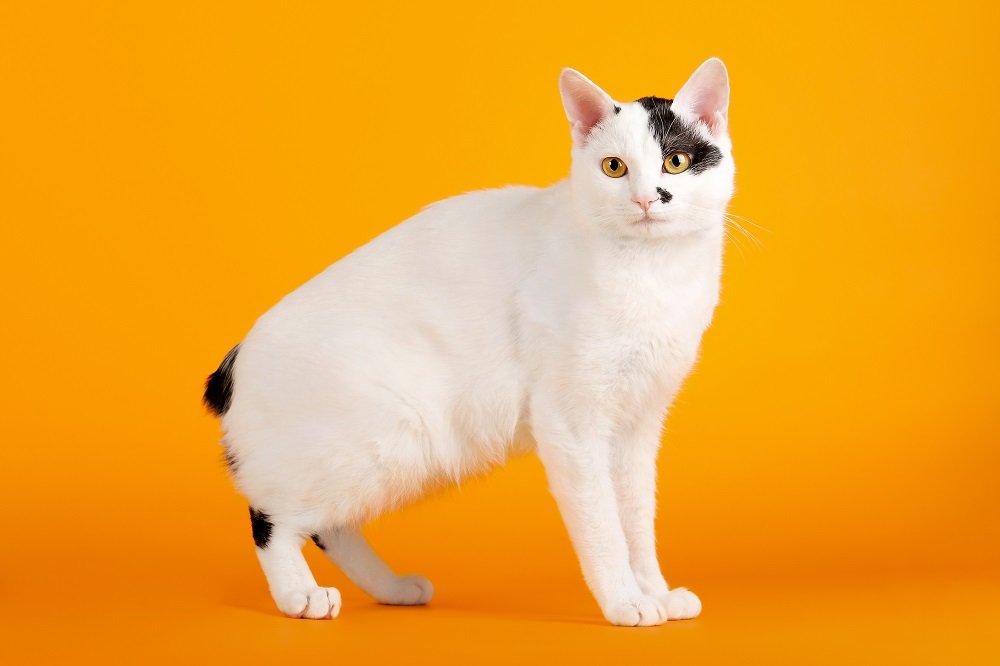
The Japanese Bobtail is famous for its short, “pom-pom” tail, which looks like a fluffy ball. This breed has been part of Japanese folklore and art for centuries, often seen as a symbol of good luck. If you want a playful and affectionate companion, the Japanese Bobtail will keep you entertained with its energetic personality.
Kurilian Bobtail
Originating from the Kuril Islands, this breed is known for its strong, muscular build and a distinctive bobbed tail similar to the Japanese Bobtail. Kurilian Bobtails are excellent hunters and have a calm, gentle nature, making them great family pets. Have you ever wondered how a cat with such wild roots adapts to home life? This breed proves it can.
Kinkalow
The Kinkalow is a rare breed that combines the curly coat of the American Curl with the shortened legs of the Munchkin. This mix results in a playful, affectionate cat with a unique appearance you won’t find elsewhere. If you’re looking for a pet that sparks conversations and brings joy, the Kinkalow might be the perfect match for you.
Distinctive Features Of Japanese Cats
Japanese cats have unique features that set them apart from other breeds. These features reflect their history and the culture they come from. Their appearance and behavior both show traits that make them special. Understanding these traits helps cat lovers appreciate them more.
Physical Traits
- Medium-sized body with a sleek, muscular build
- Short to medium-length fur that is soft and dense
- Distinctive coat patterns, often featuring tabby or calico markings
- Large, almond-shaped eyes that shine brightly
- Pointed ears that are upright and alert
- Tails vary from long and slender to short or curled, depending on the breed
Behavioral Characteristics
- Curious and intelligent, always exploring their surroundings
- Independent but enjoy human companionship
- Calm and gentle, making them great family pets
- Playful with a love for interactive toys
- Quiet and soft-spoken, rarely loud or noisy
- Adaptable to different living spaces, including apartments
Cultural Significance Of Cats In Japan
Cats hold a special place in Japanese culture, far beyond being just pets. Their presence is woven into traditions, art, and everyday life, reflecting deep respect and fascination. Understanding this cultural significance helps you appreciate why certain cat breeds and symbols are cherished in Japan.
Maneki-neko Symbolism
You’ve probably seen the Maneki-neko, or “beckoning cat,” waving its paw in shops and restaurants. This figurine is believed to bring good luck, wealth, and prosperity to its owner. The raised paw has specific meanings: the left paw invites customers, while the right paw attracts money.
Colors also carry meaning:
- Whiterepresents purity and happiness.
- Blackis thought to ward off evil spirits.
- Goldsymbolizes wealth and fortune.
Next time you see a Maneki-neko, think about the hopes and traditions it carries. Have you ever wondered why certain shops rely so heavily on this symbol?
Cats In Japanese Folklore
Japanese folklore is filled with stories about cats, often portraying them as mysterious and magical beings. The “Bakeneko” and “Nekomata” are mythical cats believed to have supernatural powers, including shape-shifting and controlling the dead.
These stories highlight the dual nature of cats in Japan: they are both protectors and tricksters. Cats appear in traditional tales not just as animals but as symbols of change and mystery.
Reflect on how these legends might influence the way you see cats around you. Could this blend of admiration and caution explain why cats are treated with such reverence in Japan?
Caring For Japanese Cat Breeds
Caring for Japanese cat breeds requires attention to their unique traits and needs. These cats often have specific dietary, grooming, and health requirements that differ from other breeds. Understanding these elements helps you provide the best care, keeping your feline friend happy and healthy.
Diet And Nutrition
Japanese cat breeds, like the Japanese Bobtail, thrive on a balanced diet rich in protein. High-quality wet food mixed with some dry kibble can keep their energy levels steady throughout the day.
Pay attention to portion sizes to avoid obesity, a common issue in indoor cats. You might notice your cat prefers fish-flavored meals, which aligns with their natural tastes.
Have you tried adding small amounts of cooked fish as a treat? It can boost their nutrition and keep mealtime exciting.
Grooming Needs
Most Japanese breeds have short to medium-length fur, which means their grooming needs are moderate. Weekly brushing removes loose hairs and reduces shedding, helping maintain a sleek coat.
Japanese Bobtails are particularly low-maintenance but enjoy gentle grooming sessions that strengthen your bond. Don’t forget to check their ears and eyes regularly for cleanliness.
Would setting a grooming schedule make it easier to keep up with their care? Consistency makes grooming less stressful for both you and your cat.
Health Considerations
Japanese cat breeds generally have robust health but watch for breed-specific issues like joint problems in Japanese Bobtails. Regular vet check-ups help catch any early signs of illness.
Vaccinations and parasite prevention remain essential. Also, mental stimulation through play is vital to prevent stress-related health problems.
How often do you engage your cat in interactive play? It’s not just fun—it’s a crucial part of their well-being.
Where To Find Japanese Cats
Finding Japanese cats is a delightful experience that connects you with the country’s unique feline culture. These cats come from special places where their care and heritage are respected. Exploring these locations gives insight into Japan’s love for cats and its rich breeding history.
Japanese cats are often found in places that focus on their well-being and cultural significance. Visitors and cat lovers enjoy meeting these cats in welcoming environments. Whether you want to adopt or simply spend time with them, Japan offers various spots to discover these charming animals.
Breeders And Adoption Centers
Professional breeders in Japan carefully raise native cat breeds. They ensure the cats are healthy and well-socialized. Adoption centers also provide Japanese cats for new homes. These centers often rescue cats and offer them for adoption after care.
- Breeders specialize in breeds like the Japanese Bobtail.
- Adoption centers focus on both stray and purebred cats.
- Visits require appointments and proper research.
Cat Cafés In Japan
Cat cafés are popular in Japan’s cities. They offer a cozy place to relax with Japanese cats. These cafés allow visitors to pet and play with cats. The atmosphere helps people enjoy cats without long-term commitments.
- Many cafés feature Japanese native breeds.
- Staff ensure cats are comfortable and safe.
- Visitors pay a small fee for time spent with cats.

Credit: www.wikiwand.com
Famous Cats And Their Stories
Japan holds a special place for cats, not just as pets but as cultural icons. Many famous cats have captured hearts across the country. Their stories reflect Japan’s love for these charming animals. These tales often blend history, folklore, and modern-day fame. Each cat has a unique story that adds depth to Japan’s rich culture.
Tama The Stationmaster Cat
Tama was a calico cat who became a stationmaster. She worked at Kishi Station in Wakayama Prefecture. Her presence helped save the local railway from closing. People traveled far to see Tama and take photos. She wore a small stationmaster hat, symbolizing her role. Tama’s story shows how a cat can impact a community deeply.
Other Notable Felines
- Fuku-chan:Known as the “lucky cat” of a shrine in Tokyo.
- Busu:A cat famous for her unique facial expression and internet fame.
- Maru:A Scottish Fold from Japan, beloved for his playful videos online.
- Nyago:A cat who lived in a Buddhist temple and was said to bring peace.
These cats gained fame through their charm and special connections with people. Their stories highlight the bond between humans and felines in Japan.

Credit: purebredkitties.com
Frequently Asked Questions
What Are The Most Popular Cat Breeds In Japan?
Popular cat breeds in Japan include the Japanese Bobtail, Scottish Fold, and Munchkin. These breeds are loved for their unique looks and friendly nature. Japanese Bobtails are famous for their short tails and cultural significance.
Why Is The Japanese Bobtail Unique In Japan?
The Japanese Bobtail is unique due to its short, kinked tail resembling a rabbit’s tail. It symbolizes good luck and happiness in Japanese culture. This breed is also known for being playful, intelligent, and affectionate.
How Do Japanese Cat Breeds Differ From Others?
Japanese cat breeds often have distinct physical traits, like the bobbed tail of the Japanese Bobtail. They are usually very social and adaptable. These breeds also have cultural importance and are featured in traditional Japanese art and folklore.
Are Japanese Cats Good Pets For Families?
Yes, Japanese cat breeds like the Japanese Bobtail are great family pets. They are friendly, playful, and easy to train. Their affectionate nature makes them excellent companions for children and adults alike.
Conclusion
Japan has many unique cat breeds with special traits. These cats show the country’s rich culture and love for animals. Each breed has its own story and charm. They make great pets and bring joy to many homes. Exploring Japanese cat breeds can deepen your understanding of cats worldwide.
Keep learning about these fascinating animals and enjoy their company every day.
