

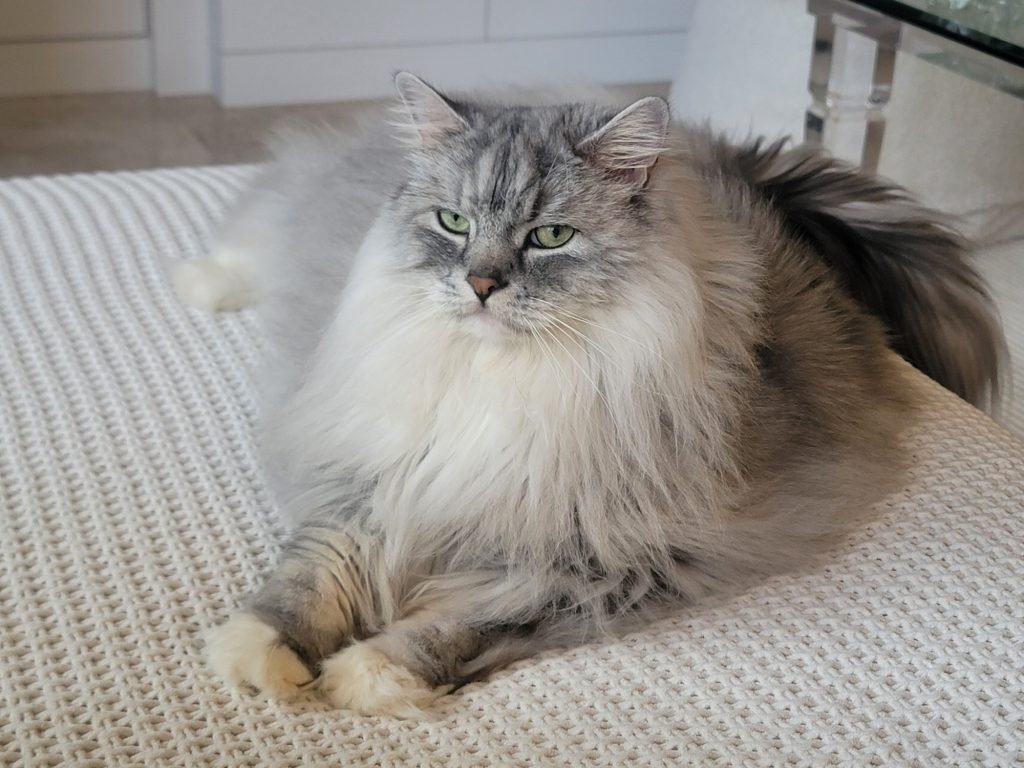
Imagine having a feline friend as big as a small dog and just as cuddly! Huge domestic cat breeds are not only captivating but also offer a unique pet experience.
If you’re a cat lover who dreams of a pet with both a majestic presence and a gentle demeanor, these giant cats might be your perfect match. They are known for their striking appearance and sociable nature, making them a charming addition to any home.
As you dive deeper into this article, you’ll discover the fascinating world of these oversized companions, learn why they might be the perfect fit for your lifestyle, and how they can transform your household into a haven of affection and fun. Get ready to uncover the secrets behind these gentle giants and find out which breed could be the next member of your family!

Credit: www.moneycontrol.com
Top Giant Cat Breeds
Giant domestic cats are more than just pets—they are gentle giants with personalities as big as their size. If you’re drawn to large feline friends, knowing which breeds stand out can help you find the perfect match. These top giant cat breeds combine impressive stature with affectionate and playful traits that make living with them a unique experience.
Maine Coon
The Maine Coon is often called the “gentle giant” of the cat world. With some males weighing up to 18 pounds or more, their large size is matched by their friendly nature. You’ll notice their tufted ears and bushy tails, which make them look like little lynxes roaming your home.
These cats love being part of the family and enjoy interactive play. If you want a big cat that’s also social and trainable, the Maine Coon fits perfectly.
Savannah Cat
Savannah cats stand out with their wild, exotic look and tall, slender bodies. They can reach heights of 14 to 17 inches at the shoulder, giving them a striking presence. Their spots and large ears remind you of their serval ancestors, but they are domesticated and loyal companions.
Because of their energetic nature, they require plenty of mental and physical stimulation. Have you considered a cat that could almost be mistaken for a mini leopard?
Norwegian Forest Cat
Known for their thick, water-resistant fur and sturdy build, Norwegian Forest Cats are built for cold climates. Their size is impressive, often weighing up to 16 pounds, with a muscular body and strong legs. Their thick coat and bushy tails give them a majestic appearance.
These cats enjoy climbing and exploring vertical spaces. Adding tall cat trees or shelves to your home will keep them happy and active.
Ragdoll
Ragdolls are famous for their large size and docile temperament. They typically weigh between 15 and 20 pounds, with striking blue eyes and soft, semi-long fur. Their calm nature makes them ideal for families looking for a relaxed giant cat.
They often go limp when you hold them, which is where their name comes from. Do you want a large cat that feels like a living plush toy?
British Maine Coon Mixes
Mixing the British Shorthair with the Maine Coon creates cats with a solid, muscular build and a plush coat. These hybrids inherit size and charm from both breeds. Expect a friendly, laid-back companion that enjoys lounging but also has bursts of playful energy.
They adapt well to various living spaces and are often great with children and other pets. How would you like a cat that combines the best traits of two beloved giants?

Credit: www.yahoo.com
Physical Traits Of Large Cats
Large domestic cat breeds are fascinating due to their impressive physical traits. These cats stand out with their robust build and unique features. Understanding their size, coat, and distinct characteristics helps appreciate these gentle giants.
Size And Weight Range
Huge domestic cats can weigh between 15 to 25 pounds or more. Their length often exceeds 3 feet from nose to tail tip. Males tend to be larger than females. Their strong muscles support their big frames. These cats look powerful yet graceful.
Coat Characteristics
Coats vary widely among large cat breeds. Some have thick, dense fur that keeps them warm. Others feature soft, silky hair with a smooth texture. Colors range from solid shades to patterns like stripes or spots. Many large cats shed seasonally and need regular grooming.
Distinctive Features
Big domestic cats have unique traits that set them apart. Large paws and tufted ears add to their wild look. Their eyes are often large and expressive. Some breeds show a broad chest and strong jawline. These features give each cat a special charm and presence.
Personality Of Giant Breeds
Giant domestic cat breeds have unique personalities that match their impressive size. Their character traits often surprise new owners. These cats blend strength with gentle behavior. Understanding their personality helps in creating a happy home for them.
Temperament
Giant cats tend to be calm and patient. They show a loving nature toward their families. Despite their size, they often behave like lap cats. Many enjoy quiet time and gentle petting. They rarely act aggressive or overly dominant. Their temperament makes them great companions for children and adults alike.
Activity Levels
These large cats have moderate activity needs. They enjoy play but not constant running. Short bursts of energy are common. Most prefer to lounge and observe their surroundings. Providing toys and climbing spaces keeps them happy. Their activity suits indoor living well.
Social Behavior
Giant breeds are usually very social animals. They bond closely with family members. Many get along well with other pets. They often seek attention and affection. Some cats even follow owners around the house. Their social nature helps reduce loneliness and stress.
Care Tips For Big Cats
Big domestic cats need special care to stay healthy and happy. Their size brings unique challenges. Meeting their needs is key to a good life. This section covers essential care tips for huge cats.
Diet And Nutrition
Large cats require more calories but balanced nutrition. High-quality protein supports muscle strength. Avoid overfeeding to prevent obesity. Fresh water must always be available.
- Feed a diet rich in animal protein
- Include essential vitamins and minerals
- Offer meals at regular intervals
- Limit treats and table scraps
Exercise Needs
Exercise keeps big cats fit and mentally sharp. They enjoy playtime that mimics hunting. Provide toys and climbing spaces. Daily activity reduces stress and boredom.
- Use interactive toys like wand teasers
- Encourage climbing with cat trees
- Schedule short play sessions multiple times a day
- Rotate toys to maintain interest
Grooming Requirements
Grooming large cats prevents mats and skin problems. Brush their fur several times a week. Check ears and teeth regularly. Bathing is rarely needed but may help in shedding seasons.
- Use a brush suitable for their coat type
- Trim nails carefully to avoid injury
- Inspect ears and clean if dirty
- Brush teeth or provide dental treats
Choosing The Right Large Cat
Choosing the right large cat breed takes more than just admiring their impressive size. You need to consider how their needs fit into your lifestyle and environment. Making a thoughtful choice will ensure both you and your feline friend enjoy a happy, healthy relationship.
Living Space Considerations
Large cats require ample room to move and play. If your home is small or cluttered, a huge cat may feel cramped and stressed. Think about whether you have enough space for climbing structures, scratching posts, and cozy resting spots.
Do you have safe outdoor access or a large indoor area? These can make a big difference in keeping a big cat mentally and physically stimulated. Remember, bigger cats often need more exercise to stay healthy.
Family Compatibility
How does your family interact with pets? Some large cat breeds are very social and enjoy being around kids or other pets. Others may be more reserved or territorial.
Consider the ages of your children and the presence of other animals at home. Will the cat’s temperament complement your household dynamics? Asking yourself these questions helps avoid future conflicts and stress.
Health Concerns
Large cats can have specific health issues related to their size, such as joint problems or heart conditions. Knowing these risks allows you to prepare for regular vet visits and proper care.
Research breed-specific health concerns and ask breeders or shelters about the cat’s medical history. Early prevention and attentive care can improve your cat’s quality of life significantly.
:format(jpeg):quality(75))
Credit: manypets.com
Frequently Asked Questions
What Are The Largest Domestic Cat Breeds?
The largest domestic cat breeds include the Maine Coon, Savannah, and Ragdoll. These cats can weigh between 15 to 25 pounds or more. They are known for their impressive size and gentle personalities, making them popular pets.
How Big Can Maine Coon Cats Get?
Maine Coon cats can grow up to 40 inches long, including their tail. They typically weigh between 13 and 18 pounds, with some males exceeding 20 pounds. Their large size and tufted ears make them one of the biggest domestic cat breeds.
Are Big Domestic Cats Friendly Pets?
Yes, large domestic cats like Ragdolls and Maine Coons are known for their friendly and affectionate nature. They often enjoy human interaction and adapt well to family environments. Their gentle temperament makes them great companions despite their size.
What Is The Lifespan Of Huge Cat Breeds?
Large domestic cat breeds generally live between 12 to 15 years. Proper care, diet, and regular vet visits can extend their lifespan. Some breeds, like the Maine Coon, are robust and healthy with fewer genetic issues.
Conclusion
Huge domestic cat breeds bring charm and warmth to any home. They often have gentle personalities despite their size. These cats need space and proper care to stay happy. Choosing the right breed depends on your lifestyle and home. Big cats can be great companions for families and individuals.
Remember, every cat deserves love and attention, no matter the size. Consider adopting from shelters to give a large cat a loving home. Enjoy the unique joy these gentle giants bring every day.
