

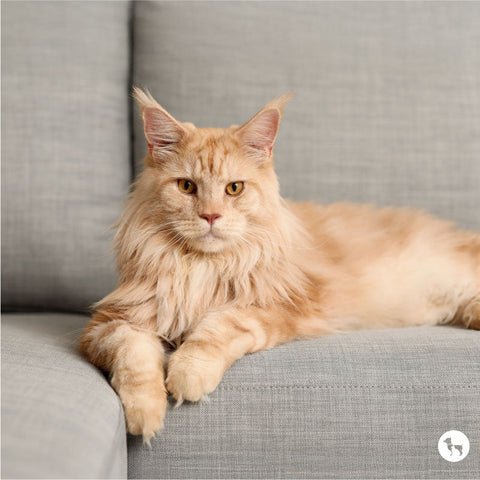
Are you a cat lover searching for a feline friend with a little more heft and personality? Large domestic cat breeds offer a unique charm and presence that smaller cats just can’t match.
Imagine having a gentle giant lounging on your couch, exuding both grace and playfulness. These majestic cats not only fill your home with warmth but also bring an unparalleled level of companionship and affection. Curious to know which breeds stand out in size and heart?
Get ready to discover the fascinating world of large domestic cats, where you’ll find the perfect blend of beauty, strength, and cuddliness. Keep reading to meet these incredible, oversized furballs and find out which might be the ideal addition to your family!
Traits Of Large Domestic Cats
Large domestic cats stand out not just because of their size but also due to their unique traits that influence how they fit into your home and lifestyle. Understanding these traits can help you decide if a big feline companion matches your expectations and living space.
Physical Characteristics
Large domestic cats often have muscular bodies and sturdy frames. Their weight can range from 15 to over 20 pounds, with some breeds like the Maine Coon or Savannah reaching even higher.
They tend to have broad heads, thick necks, and big paws, which give them a powerful presence. Their coats vary from short to long, often requiring extra grooming.
Temperament And Behavior
Despite their size, many large domestic cats are surprisingly gentle and affectionate. They usually enjoy interactive play and can be quite social, bonding closely with their human families.
However, some large breeds retain strong hunting instincts and high energy levels. Would you be ready to engage your cat in daily activities to keep them mentally and physically stimulated?
Care Requirements
Caring for a large domestic cat means considering their nutritional needs carefully; they often require more food and specific diets to maintain their health.
Regular grooming is essential, especially for long-haired breeds, to prevent matting and keep their coats shiny. Additionally, providing sturdy scratching posts and ample space for movement is key to their well-being.
Popular Large Cat Breeds
Large domestic cat breeds captivate many pet lovers. They combine impressive size with gentle, friendly behavior. These cats often have thick fur and sturdy bodies. Their size makes them stand out in any home.
Understanding popular large cat breeds helps in choosing the right pet. Each breed has unique traits and care needs. Here is a list of some well-known large cat breeds.
Maine Coon
The Maine Coon is one of the largest domestic cats. It has a long, thick coat and tufted ears. Known for friendliness, it enjoys being around people. This breed adapts well to different homes.
Norwegian Forest Cat
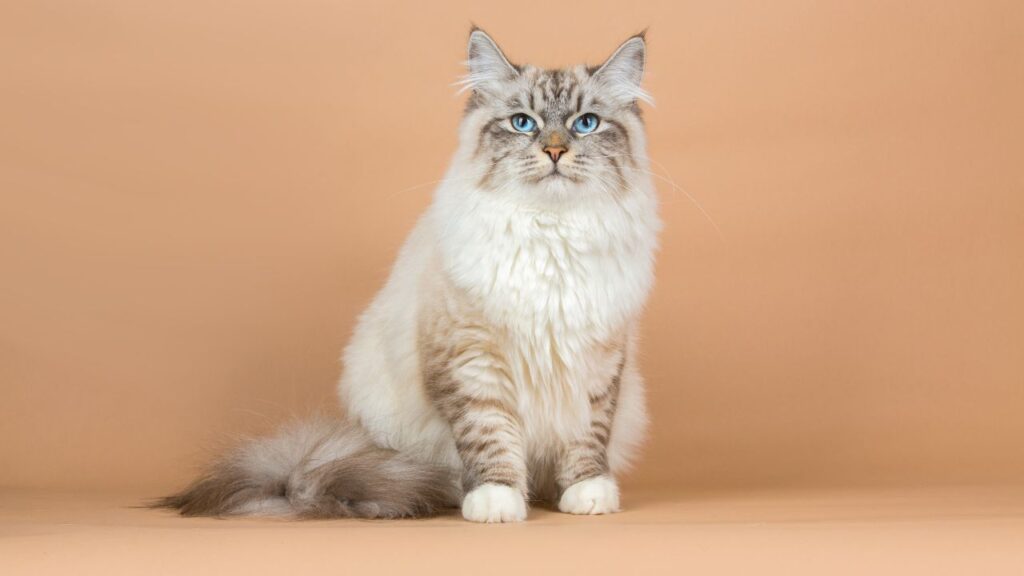
This breed has a strong, muscular build and a dense coat. It is an excellent climber and loves outdoor adventures. Norwegian Forest Cats are calm and social indoors.
Ragdoll
Ragdolls are large and have soft, silky fur. They get their name from their relaxed nature. These cats often go limp when held. They are very affectionate and enjoy human company.
Savannah Cat
The Savannah Cat is a mix of domestic cat and wild serval. It has long legs and a spotted coat. This breed is active and curious. It needs plenty of playtime and space.
Chausie
Chausies are large cats with a wild appearance. They descend from the jungle cat and domestic cats. They are energetic and intelligent. Chausies form strong bonds with their owners.
Choosing The Right Giant Cat
Choosing the right giant cat requires careful thought. Large domestic cats need special care and space. Their size affects how they live and interact. Understanding their needs helps create a happy home for both cat and owner.
Space And Environment
Large cats need more room than smaller breeds. They enjoy having space to move and stretch. A small apartment may feel cramped for them. A house with open areas suits them better. Provide sturdy furniture for climbing and resting. Safe outdoor access can keep them active and curious. Their environment should be calm and quiet to reduce stress.
Activity Levels
Giant cats have varying activity needs. Some breeds are playful and energetic. Others prefer lounging most of the day. Match the cat’s energy with your lifestyle. Active cats need toys and playtime daily. Less active cats enjoy soft beds and gentle strokes. Regular exercise keeps large cats healthy and happy.
Compatibility With Families
Large cats can fit well in families. They often enjoy being part of daily life. Some cats are patient with children and pets. Others prefer a quiet and calm home. Teach children how to treat cats gently. Watch how the cat reacts to new people or animals. Choose a breed that matches your family’s pace and personality.

Credit: www.aol.com
Health Considerations
Large domestic cat breeds need special attention to their health. Their size can bring unique challenges. Understanding these helps keep your big cat happy and strong. Health care is key to their long, comfortable life.
Common Health Issues
Large cats often face joint problems like arthritis. Hip dysplasia is common in big breeds. Heart issues can also arise, such as cardiomyopathy. Obesity is a risk due to less activity. Watch for breathing difficulties in heavy cats.
Diet And Nutrition
Big cats need a balanced diet rich in protein. Avoid overfeeding to prevent weight gain. Choose food with essential vitamins and minerals. Portion control is vital to keep them fit. Fresh water must always be available.
Regular Vet Care
Routine check-ups catch health problems early. Vaccinations protect against common diseases. Dental care is important to prevent infections. Monitor weight and behavior changes closely. Regular vet visits support their overall wellbeing.
Living With Large Cats
Living with large domestic cats requires understanding their unique needs. These cats bring charm and strength to your home. They need proper care to stay happy and healthy. Their size means they have different habits than smaller cats. You must adapt your home and routine to fit their lifestyle.
Grooming Tips
Large cats often have thick fur that needs regular brushing. Brush their coat at least twice a week. This prevents mats and reduces shedding around the house. Check their ears and eyes for dirt or signs of infection. Trim their nails every few weeks to avoid scratches and damage. Bathing is rarely needed but can be done if they get very dirty.
Exercise And Play
Big cats need daily exercise to stay fit and healthy. Provide toys like balls, feather wands, and climbing trees. Create safe spaces where they can jump and explore. Spend time playing with them to keep their muscles active. This helps prevent boredom and unwanted behaviors. Puzzle feeders can also stimulate their minds.
Bonding And Training
Bonding with large cats builds trust and friendship. Speak softly and use gentle touches to comfort them. Offer treats during training to encourage good behavior. Teach basic commands like “come” and “stay” using patience. Large cats respond well to positive reinforcement. Consistent interaction strengthens your relationship over time.

Credit: worldanimalfoundation.org
Credit: worldanimalfoundation.org
Frequently Asked Questions
What Are The Largest Domestic Cat Breeds?
The largest domestic cat breeds include the Maine Coon, Savannah, and Ragdoll. These cats can weigh up to 25 pounds or more. They are known for their impressive size, friendly nature, and striking appearance, making them popular pets for families and cat lovers.
How Big Do Maine Coon Cats Grow?
Maine Coon cats can grow up to 40 inches in length, including their tail. They typically weigh between 13 to 25 pounds. Known for their large size and tufted ears, they are one of the biggest domestic cat breeds with a gentle and sociable personality.
Are Large Cat Breeds Good For Families?
Yes, large cat breeds like Ragdolls and Maine Coons are excellent for families. They are affectionate, gentle, and adapt well to children and other pets. Their calm nature and playful behavior make them ideal companions in a family environment.
Do Large Domestic Cats Require Special Care?
Large domestic cats need regular grooming and a balanced diet to maintain their health. Their size may require more space and exercise. Routine vet visits are important to monitor joint health and prevent obesity in bigger breeds.
Conclusion
Large domestic cat breeds bring charm and presence to any home. They often have gentle, friendly personalities. These cats need space and care to stay happy and healthy. Their size makes them stand out and adds to their unique beauty.
Choosing a large breed means more love and companionship. Remember to provide proper food, exercise, and vet visits. Each cat has its own character to discover. Enjoy the special bond with these big, loving pets. A large cat can truly become a cherished family member.
