

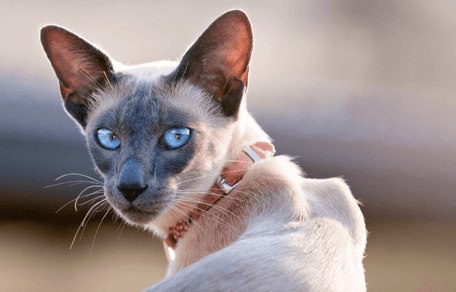
Are you a cat lover curious about the unique and charming world of large-eared cat breeds? If so, you’re in the right place.
These feline friends aren’t just about their adorable ears; they often come with endearing personalities and fascinating traits that might just steal your heart. Imagine being able to recognize these breeds instantly and understand what makes each one so special.
This guide is your ticket to discovering which large-eared cats might be the perfect addition to your family or simply satisfy your curiosity. So, let’s dive in and explore these captivating creatures that have more than just big ears to offer!
Credit: worldanimalfoundation.org
Traits Of Large Eared Cats
Large eared cats have distinct features that make them fascinating. Their ears are not just big but serve important roles. These traits affect how they hear, behave, and adapt to their surroundings. Understanding these traits helps us appreciate these unique feline breeds.
Ear Size And Shape
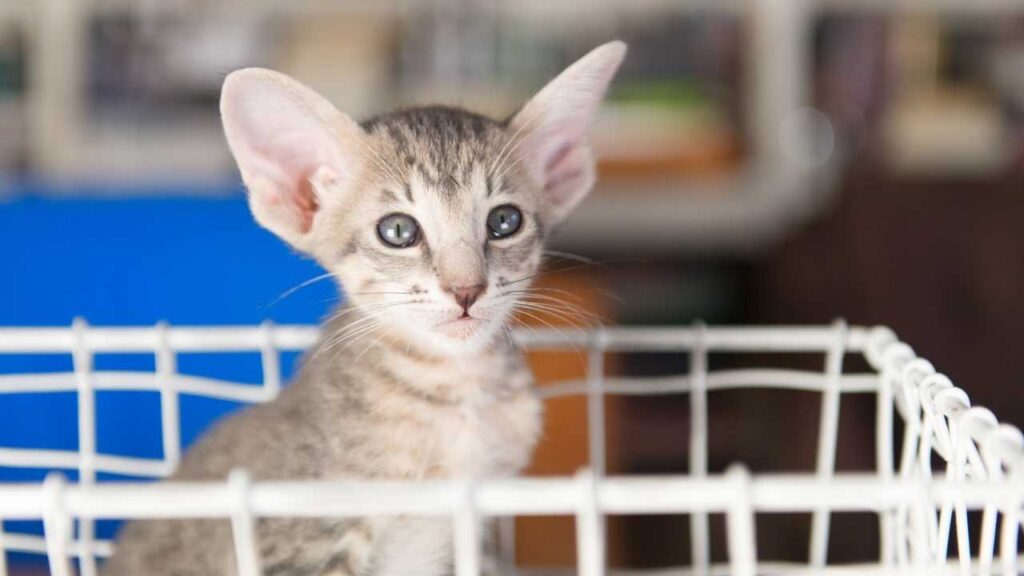
Large eared cats have ears that are wide and tall. The shape often tapers to a point or is slightly rounded. These ears stand out on their heads, making them look alert. The size helps capture more sound waves.
Hearing Abilities
The big ears allow these cats to hear better than many other breeds. They can detect soft noises and sounds from far away. This ability helps them hunt and stay safe. Their hearing is sharp and very sensitive.
Behavioral Characteristics
Large eared cats often show curiosity and alertness. They tend to be active and playful. Their ears help them react quickly to sounds and movements. These cats are usually social and enjoy interacting with people.
Adaptations To Environment
Big ears help these cats stay cool in hot places. The ears release heat and improve air flow. In the wild, this trait helps them survive harsh climates. Their ears also help them find prey hidden in tall grass or deserts.

Credit: www.aol.com
Top Large Eared Cat Breeds
Large-eared cats have a unique charm that many cat lovers adore. Their big ears give them an alert and curious look. These breeds often have playful and friendly personalities. Their ears help them hear better and express emotions clearly. Here are some of the top large-eared cat breeds to know about.
Abyssinian
The Abyssinian has tall, pointed ears that stand out. This breed is active and loves to explore. Their ears help them catch sounds easily. Abyssinians have short, soft fur with a warm, reddish color. They enjoy attention and are very social.
Oriental Shorthair
Oriental Shorthairs have large ears that balance their long, slim face. Their ears are wide at the base and taper to a point. This breed is talkative and loves to interact. Oriental Shorthairs come in many colors and patterns. They have sleek, short coats that are easy to care for.
Sphynx
The Sphynx is famous for its lack of fur, which makes its large ears more noticeable. Their ears are wide and open, helping them hear well. Sphynx cats are friendly and love human company. They need regular skin care due to their hairlessness. Their big ears add to their unique look.
Cornish Rex
Cornish Rex cats have big ears set high on their heads. Their ears give them a bat-like appearance. This breed has soft, curly fur and a slim body. Cornish Rex cats are playful and enjoy being active. Their ears help them stay alert to sounds around them.
Ocicat
Ocicats have large ears that are slightly rounded at the tips. Their ears give them a wild and exotic look. This breed has a spotted coat resembling a wild cat. Ocicats are energetic and love to play. Their big ears help them hear well during hunting games.
Care Tips For Large Eared Cats
Large eared cats need special care to keep their ears healthy and clean. Their big ears can collect dirt and wax faster. Regular attention helps avoid infections and discomfort. Proper diet and grooming also support their overall health.
Ear Cleaning And Maintenance
Check your cat’s ears once a week. Use a soft cloth or cotton ball dampened with a vet-approved cleaner. Gently wipe inside the ear flap and the ear canal entrance. Avoid inserting anything deep into the ear. Watch for redness, bad smell, or excessive wax. These signs mean a vet visit is needed.
Health Concerns
Large ears can be prone to infections and mites. Keep an eye out for scratching or shaking the head. Ear infections cause discomfort and may lead to hearing loss. Regular vet check-ups help catch problems early. Protect ears from extreme cold or heat to prevent damage.
Diet And Nutrition
Feed high-quality cat food with essential nutrients. Omega-3 and omega-6 fatty acids support skin and ear health. Hydration is important, so provide fresh water daily. Avoid foods that cause allergies or skin problems. A balanced diet keeps your cat’s ears and body strong.
Grooming Needs
Brush your cat’s fur regularly to reduce shedding. Long-haired breeds need more frequent grooming to avoid mats. Trim hair around the ears carefully to improve airflow. Nail trimming helps prevent accidental ear scratches. Grooming sessions also allow you to check ears closely.

Credit: www.outdoorbengal.com
Choosing The Right Large Eared Cat
Choosing the right large eared cat means understanding your lifestyle and needs. These cats have unique traits that suit different homes and personalities. Think about how a cat’s energy, space needs, and care fit into your daily life. Careful choice leads to a happy pet and owner.
Personality Match
Large eared cats often have lively and curious personalities. Some love playtime and attention. Others prefer quiet and calm environments. Consider how active you are and how much time you can spend with your cat. This helps find a cat that matches your energy and habits.
Living Space Considerations
Big ears don’t need big spaces, but some breeds do. Check if your home has enough room for the cat to explore and rest. Apartments may suit some breeds better than others. Think about safe places for climbing and hiding. Space affects a cat’s happiness and health.
Allergy Factors
Allergies affect many cat lovers. Some large eared cats shed less and cause fewer allergies. Research breeds that may suit allergy sufferers. Regular grooming also reduces allergens. Knowing your allergy limits helps pick the best cat for comfort.
Adoption Vs Breeder
Adopting gives a home to a cat in need. Shelters may have large eared cats or mixes. Breeders offer specific breeds and clear histories. Choose based on your preference for breed traits or giving a cat a second chance. Both options require careful research and commitment.
Frequently Asked Questions
What Are The Most Popular Large-eared Cat Breeds?
Popular large-eared cat breeds include the Oriental Shorthair, Abyssinian, and Siamese. These cats are known for their striking ears and sleek bodies. They have unique personalities and make affectionate pets.
Why Do Some Cats Have Large Ears?
Large ears help cats hear better and regulate body temperature. Breeds with large ears often come from hot climates. Their ears also give them a distinctive, elegant appearance.
How Do Large Ears Affect A Cat’s Hearing?
Large ears amplify sound, improving a cat’s hearing sensitivity. This helps them detect prey and stay alert to their environment. Cats with big ears are excellent hunters and communicators.
Are Large-eared Cats More Prone To Ear Infections?
Large ears can be more exposed to dirt and debris, increasing infection risk. Regular cleaning and vet checkups can prevent ear problems. Proper care keeps large-eared cats healthy and comfortable.
Conclusion
Large eared cat breeds bring charm and unique looks to any home. Their big ears help them hear better and show their lively nature. These cats often enjoy play and attention from their owners. Choosing one means adding a friendly and smart pet to your family.
Each breed has its own traits and care needs. Think about what fits your lifestyle best. Enjoy the fun and warmth these special cats offer every day.
