

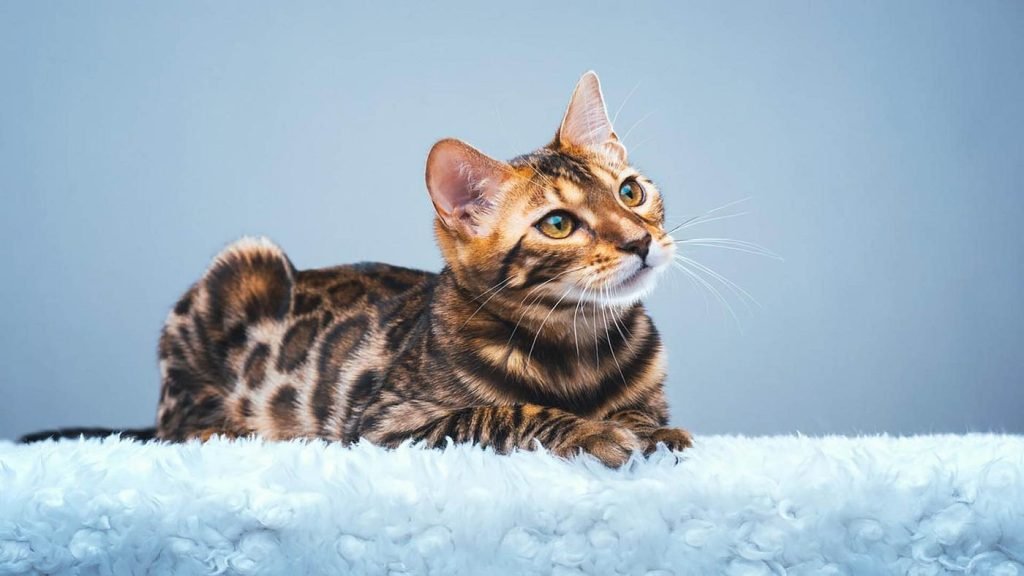
Do you ever wonder about the unique charm of mixed cat breeds? These delightful feline companions offer a blend of characteristics that make them truly special.
Unlike purebreds, mixed cats bring together a fascinating mix of traits, creating a one-of-a-kind pet that’s perfect for your home. Imagine a cat with the playful nature of a Siamese and the gentle demeanor of a Persian, or perhaps one with the striking looks of a Bengal and the affectionate purrs of a Ragdoll.
Mixed cat breeds aren’t just about their adorable appearances; they also bring a diverse range of personalities and quirks that make them unforgettable. As you dive into the world of mixed cat breeds, you’ll discover why they might be the perfect addition to your family, offering not only companionship but also endless entertainment and love. Curious to learn more about what makes mixed cat breeds so captivating? Keep reading to explore the endless possibilities and find out why these cats might just be the furry friend you’ve been looking for.
Popular Mixed Cat Breeds
Mixed cat breeds offer a fascinating blend of traits from different purebreds. These combinations create unique cats that often surprise with their looks and personality. Many pet lovers enjoy the charm and unpredictability of mixed breeds. They bring together the best qualities from their parent breeds, making each cat special.
Common Breed Combinations
- Siamese and Persian mix – elegant and fluffy
- Maine Coon and Domestic Shorthair – large and friendly
- Bengal and Abyssinian – active and spotted
- Ragdoll and British Shorthair – calm and cuddly
- Scottish Fold and Sphynx – unique ear shape with little hair
Distinctive Physical Features
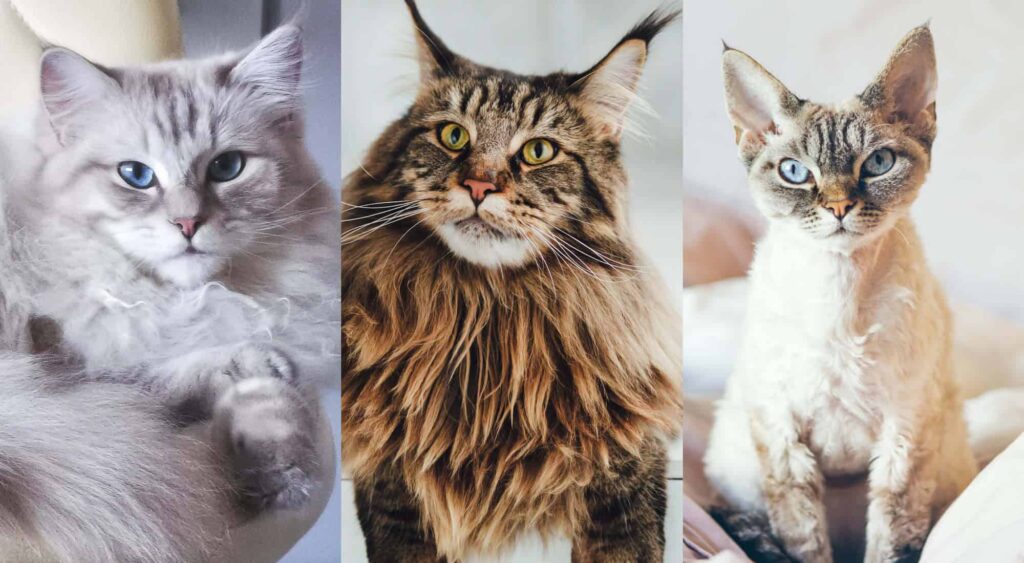
Mixed cat breeds can show a wide range of looks. Some have long fur with spots or stripes. Others have short, dense coats in many colors. Eye color varies from bright blue to deep green or amber. Ear shapes and tail length may also differ. These mixed traits make each cat visually unique.
Temperament Variations
Temperament in mixed cats depends on their breed mix. Some cats are playful and curious. Others prefer quiet and calm environments. Many mixed breeds are friendly and good with children. They may also show strong hunting instincts or love to cuddle. Each cat’s personality is a blend of its parents’ traits.
Credit: rawznaturalpetfood.com
Unique Traits Of Mixed Cats
Mixed cat breeds offer a fascinating blend of traits that can surprise and delight any cat lover. Their unique characteristics often combine the best features of different breeds, creating a distinct personality and appearance. Understanding these traits can help you appreciate your mixed cat’s individuality and care for them better.
Coat Patterns And Colors
Mixed cats can have an incredible variety of coat patterns and colors. You might find stripes, spots, patches, or even a mix of these on the same cat. Their fur can range from solid black or white to vibrant calicos and tortoiseshells.
One of my friends has a mixed cat with a rare marbled pattern that looks like a living piece of art. This variety is due to the combination of genes inherited from different breeds, making each mixed cat’s coat truly one of a kind.
Behavioral Characteristics
Mixed cats often show a blend of behavioral traits from their diverse ancestry. Some might be playful and energetic like Siamese cats, while others are calm and affectionate like Ragdolls. This mix makes predicting their behavior exciting but sometimes challenging.
Have you noticed your mixed cat acting differently around new people or in new environments? This can be due to the unique combination of instincts and temperaments they inherit. Observing your cat closely will help you understand their special personality better.
Health Considerations
Mixed cats often benefit from a wider gene pool, which can reduce the risk of some inherited health problems common in purebreds. However, they are not immune to health issues, so regular veterinary check-ups remain crucial. Knowing your cat’s background can help you watch for specific conditions.
For example, if your mixed cat has some Maine Coon ancestry, you might want to keep an eye out for heart conditions typical to that breed. Paying attention to these details ensures your cat stays happy and healthy for years to come.
Nutrition And Diet Tips
Feeding your mixed breed cat the right way can make a huge difference in their health and happiness. Each cat is unique, especially mixed breeds, which may have diverse nutritional needs based on their genetic background. Paying close attention to their diet helps you avoid common health issues and keeps their coat shiny, energy high, and immune system strong.
Balanced Feeding Guidelines
Start by providing a diet rich in high-quality protein, as cats are natural carnivores. Look for foods that list meat, poultry, or fish as the first ingredient. Balance protein with moderate fats and minimal carbohydrates to support their energy without causing weight gain.
Fresh water should always be available, and wet food can help keep your cat hydrated. Feeding twice a day in consistent portions helps regulate their metabolism and prevents overeating. Think about your cat’s age and activity level to adjust portion sizes accordingly.
Special Dietary Needs
Mixed breed cats can inherit unique dietary sensitivities or health concerns from their lineage. Some may require diets tailored for kidney health, weight management, or digestive support. Pay attention to any signs like vomiting, diarrhea, or sudden weight changes—they often indicate that your cat’s diet needs tweaking.
If your cat has diabetes, allergies, or other chronic conditions, consult your vet for specialized diets. Prescription foods can make a noticeable difference in managing these issues. You might find that supplementing with omega-3 fatty acids or probiotics improves their overall wellbeing.
Avoiding Common Food Allergies
Food allergies in cats often show up as itchy skin, excessive grooming, or digestive upset. Common culprits include beef, dairy, fish, and grains. If you spot these symptoms, try an elimination diet by removing one ingredient at a time to pinpoint the offender.
Choosing limited-ingredient or hypoallergenic cat foods can reduce allergic reactions. Homemade meals prepared with vet-approved recipes may also help control what your cat eats. Have you noticed your cat reacting to certain treats or meals? This could be your first clue to a hidden allergy.

Credit: www.shutterstock.com
Grooming And Maintenance
Grooming and maintenance play a crucial role in keeping your mixed breed cat healthy and happy. These cats can have a variety of coat types, which means their grooming needs may differ from one to another. Understanding how to care for their coat, nails, and teeth will help you build a stronger bond and avoid common health issues.
Coat Care Techniques
Mixed breed cats often have coats that combine short and long fur. You might find your cat’s coat is thick in some areas and sparse in others. Regular brushing is key to prevent mats and reduce shedding, especially if your cat has longer fur.
Try using a slicker brush or a comb designed for cats. Brushing not only removes loose hair but also stimulates skin oils, which keep the coat shiny and healthy. Pay attention to sensitive areas like the belly and behind the ears—these are often spots cats neglect themselves.
Nail And Dental Care
Neglecting your cat’s nails can lead to discomfort or damage to your furniture. Trim their nails carefully every few weeks using a pet nail clipper. If your cat resists, try wrapping them in a towel for a calm and safe experience.
Dental care is just as important. Brushing your cat’s teeth with a feline toothpaste can prevent plaque buildup and bad breath. If brushing seems difficult, dental treats and toys designed to reduce tartar can be a helpful addition.
Bathing Frequency
Most cats groom themselves well, so bathing is usually only necessary when your cat gets into something dirty or sticky. Bathing too often can strip natural oils from their coat and cause dry skin.
When you do bathe your cat, use lukewarm water and a shampoo made specifically for cats. Make sure to rinse thoroughly and dry your cat gently with a towel to avoid chilling. How often do you think your cat really needs a bath?
Exercise And Mental Stimulation
Exercise and mental stimulation are vital for mixed cat breeds. These cats have unique energy levels and curious minds. Without enough activity, they may become bored or anxious. Daily engagement helps keep their body strong and mind sharp. It also builds a closer bond between cat and owner.
Playtime Activities
Playtime boosts physical health and keeps cats alert. Simple activities like chasing a string or ball excite their hunting instincts. Hide-and-seek games encourage movement and problem-solving. Regular play sessions prevent destructive behavior caused by boredom. Short, frequent playtimes work best for mixed breed cats.
Interactive Toys
Toys that respond to a cat’s actions stimulate thinking. Puzzle feeders make cats work for treats. Laser pointers prompt chasing and quick reflexes. Battery-operated toys mimic prey movement to entice play. Rotate toys often to maintain interest and challenge.
Training Approaches
Training mixed cat breeds improves mental focus and obedience. Use treats and praise to encourage learning. Teach simple commands like “sit” or “come” with patience. Clicker training offers clear communication for cats. Training sessions should be short and fun to keep cats engaged.
Credit: animals.howstuffworks.com
Health Monitoring And Vet Visits
Keeping your mixed breed cat healthy requires regular health monitoring and timely vet visits. Mixed breeds can inherit traits from multiple breeds, which sometimes makes their health needs unique. Staying proactive with their care helps catch potential issues early, ensuring your furry friend lives a long, happy life.
Routine Checkups
Regular vet visits are essential for spotting health problems before they become serious. Most vets recommend a checkup at least once a year, but older cats or those with known health issues may need visits every six months.
During these visits, vets check your cat’s weight, teeth, eyes, and overall condition. They may also run blood tests to catch hidden issues. Have you noticed any changes in your cat’s behavior or appetite? Mentioning these during checkups can make a big difference in diagnosis.
Vaccination Schedule
Vaccinations protect your cat from common infectious diseases. Your vet will guide you on which vaccines your mixed breed cat needs based on age, lifestyle, and health status.
- Core vaccines usually include rabies, feline calicivirus, herpesvirus, and panleukopenia.
- Non-core vaccines might be recommended if your cat goes outdoors or is exposed to other cats.
Stay organized with a vaccination calendar and never skip booster shots. Missing vaccines can leave your cat vulnerable to serious illnesses.
Recognizing Illness Signs
You are your cat’s first line of defense against illness. Learn to spot subtle signs like changes in grooming, eating habits, or litter box use.
- Lethargy or hiding more than usual
- Sudden weight loss or gain
- Persistent coughing or sneezing
- Vomiting or diarrhea lasting more than a day
Trust your instincts. If something feels off, don’t hesitate to call your vet. Early detection often leads to simpler treatments and better outcomes.
Creating A Safe Home Environment
Creating a safe home environment is essential for mixed cat breeds to thrive. Cats need spaces where they feel secure and comfortable. Safety helps reduce accidents and stress, promoting a happy life.
Every home has different risks for cats. Identifying dangers and making adjustments protects your pet. A safe home supports their natural instincts and daily needs.
Indoor Vs Outdoor Living
Indoor cats live in a controlled environment, safe from cars, predators, and harsh weather. They have less risk of injury or disease. Outdoor cats enjoy fresh air and exercise but face more dangers.
Choosing indoor living keeps your cat protected. Create stimulating indoor spaces with toys and climbing areas. Outdoor access can be safe with supervised time or secure enclosures.
Pet-proofing Tips
- Remove toxic plants like lilies and azaleas.
- Secure loose wires and cords to prevent chewing.
- Keep small objects and chemicals out of reach.
- Cover trash cans to avoid ingestion of harmful items.
- Check windows and balconies to prevent falls.
- Use childproof locks on cabinets with cleaning supplies.
Stress Reduction Strategies
Stress affects a cat’s health and behavior. Provide quiet hiding spots where your cat can relax. Maintain a consistent daily routine for feeding and playtime.
Use pheromone diffusers to create a calming atmosphere. Introduce new pets or changes slowly to avoid anxiety. Regular grooming and gentle handling help build trust.
Frequently Asked Questions
What Are Mixed Cat Breeds?
Mixed cat breeds are cats with parents from different purebred lines. They often have unique traits and appearances. These cats combine characteristics from multiple breeds, offering diverse looks and personalities. They can be healthy and adaptable pets due to genetic variety.
How Do Mixed Cat Breeds Differ From Purebreds?
Mixed breeds have diverse genetics, while purebreds come from specific lineage. Mixed cats often have fewer inherited health issues. Purebreds may have predictable traits and appearance. Mixed breeds display a wider range of physical and behavioral characteristics.
Are Mixed Cat Breeds Healthier Than Purebreds?
Mixed cat breeds tend to have better genetic diversity. This diversity often reduces inherited diseases. Purebreds may face more health problems due to inbreeding. Mixed cats can be healthier and more resilient overall.
Can Mixed Cat Breeds Win Cat Shows?
Mixed breeds rarely compete in traditional cat shows. Most shows focus on purebred cats with strict breed standards. However, some competitions celebrate personality and uniqueness of mixed cats. Mixed cats can still be loved and admired by owners.
Conclusion
Mixed cat breeds bring unique charm and personality to your home. They often have diverse looks and traits from different ancestors. These cats can be healthy and full of life. Each mixed breed cat has a special story to tell.
Choosing one means welcoming a loving companion with a one-of-a-kind character. Enjoy the surprises and joy they bring every day. Mixed cats prove that beauty and love come in many forms. A wonderful pet waits for you in the world of mixed breeds.
