

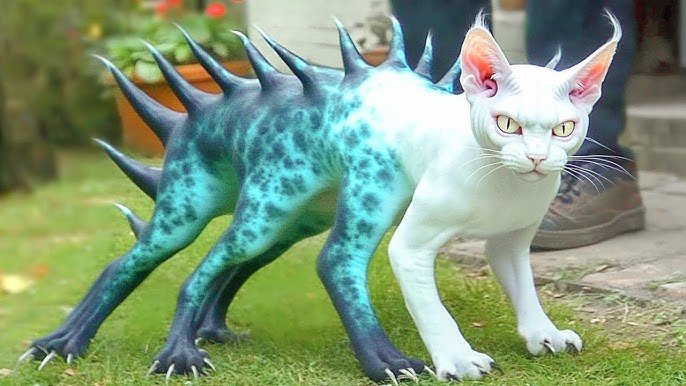
Have you ever looked at a cat and wondered what planet it might be from? If you’re a cat lover, you know that these furry companions come in all shapes and sizes.
But some cat breeds are so unique, they almost seem like they’re from another world. Strange cat breeds can captivate your imagination and steal your heart with their unusual features and quirky personalities. Are you curious to learn about these fascinating felines and discover which one might be the perfect match for your home?
Keep reading to uncover the mysteries and charms of the world’s most peculiar cats and see which one might just be your new favorite companion.
Rare Cat Breeds
Rare cat breeds capture the imagination with their unique looks and fascinating histories. These cats aren’t just uncommon; they carry stories and traits that set them apart from typical feline companions. If you’re curious about what makes these breeds so special, you’re about to find out.
Origins And History
Many rare cat breeds come from isolated regions or have unusual backgrounds. Take the Sokoke, for example—a breed native to the Arabuko-Sokoke Forest in Kenya. This cat’s lineage is tied to a wild environment, which explains its distinctive spotted coat and agile nature.
Another intriguing story belongs to the Kurilian Bobtail, originating from Russia and Japan. Its bobbed tail is a natural genetic trait, not a result of docking, and it has been part of local folklore for centuries.
Understanding where these breeds come from gives you insight into why they behave and look the way they do. Have you ever wondered how a cat’s environment shapes its personality?
Distinctive Traits
What makes a rare breed truly stand out? Often, it’s unique physical features combined with unusual behaviors. The Peterbald, for instance, is known for its slender body and hairless or short coat, which can feel like warm suede to the touch.
Then there’s the LaPerm, recognized by its curly fur that can range from tight ringlets to soft waves. This curly coat is a genetic mutation that adds to the breed’s charm and requires minimal grooming.
These traits aren’t just about looks—they influence how the cats interact with their environment and owners. Could a cat’s distinctive traits make it a better fit for your lifestyle than more common breeds?
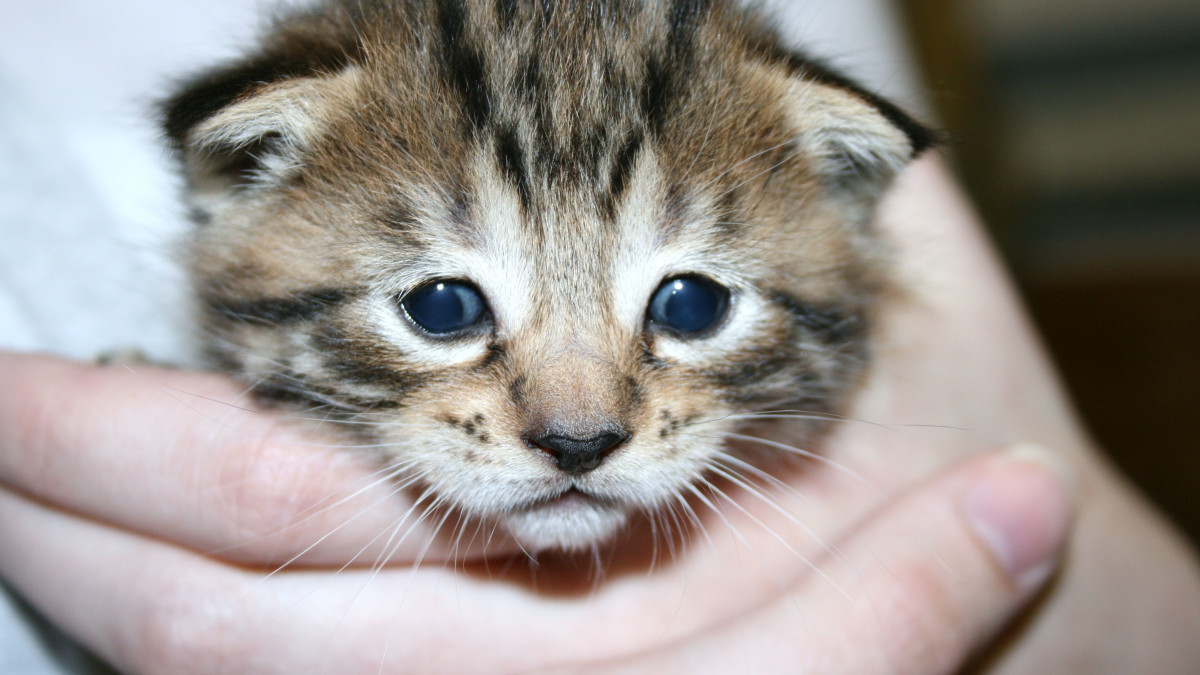
Credit: pethelpful.com
Unusual Physical Features
Strange cat breeds often show unusual physical features that make them stand out. These traits can be fascinating and sometimes a bit surprising. They reveal how diverse and unique cats can be beyond the common looks.
Some cats have fur patterns that look like art. Others have eye colors that seem rare or magical. Body shapes can also be very different from the typical cat silhouette. Each feature tells a story about the breed’s history and genetics.
Odd Fur Patterns
Some cat breeds display fur patterns that catch the eye immediately. These can include spots, swirls, or patches in unexpected places. The patterns might look like stripes, blotches, or even marbled effects. Certain breeds, such as the Bengal or the Turkish Van, are famous for these striking patterns.
Fur colors often mix in unusual ways. Some cats have two-tone or tri-color coats that form unique designs. The fur texture can also vary, from very soft to curly or even hairless in spots.
Unique Eye Colors
Cats can have eyes in colors rarely seen in other animals. Shades of blue, green, gold, or amber appear in many breeds. Some cats even have odd eyes, where each eye is a different color. This trait is common in the Turkish Van and odd-eyed white cats.
Eye shapes can also be different. They may be large and round or narrow and almond-shaped, giving the cat a distinct look. Bright, clear eyes add to the mysterious charm of strange breeds.
Uncommon Body Shapes
Body shapes vary widely across strange cat breeds. Some cats are slender and long, while others are compact and muscular. The Cornish Rex and Devon Rex have slim bodies with large ears and delicate bones. The Munchkin has short legs, making it look like a kitten even as an adult.
Other breeds may have unusual tails or ear shapes. The Manx often has a very short or missing tail, and the Scottish Fold has ears that fold forward. These shapes create a unique silhouette that sets these cats apart.
Behavioral Quirks
Strange cat breeds often surprise owners with their unique behaviors. These quirks make them more than just pets—they become fascinating companions. Understanding these behaviors can help you connect deeper with your feline friend.
Playful Antics
Some unusual cat breeds show playful behavior well into adulthood. Take the Bengal cat, for example—it’s known for its love of water and energetic play style. You might find your Bengal chasing water droplets or leaping after toys with intense focus.
Have you noticed how certain breeds use play to express their curiosity? The Turkish Van is another breed famous for its swimming skills and playful spirit. Watching these cats turn everyday objects into toys can brighten your day and keep you entertained.
Vocalizations
Strange breeds often communicate in unexpected ways. The Siamese cat is famously vocal, using a range of sounds to get your attention or express feelings. Their “talking” is more like a conversation—you might find yourself responding back!
Curious about how your cat ‘talks’ to you? The Sphynx, despite its unusual appearance, also has a surprisingly loud and varied voice. Listening closely can reveal their moods and help you respond to their needs better.
Social Interaction
Not all cats prefer solitude; some strange breeds thrive on social connections. The Scottish Fold, for example, often bonds deeply with their human family and enjoys being involved in daily activities. You might find your Fold following you from room to room, almost like a shadow.
Have you considered how your cat’s social needs affect their happiness? The Abyssinian breed loves interaction and can get lonely without company. Providing social time and play can improve their well-being and reduce stress.
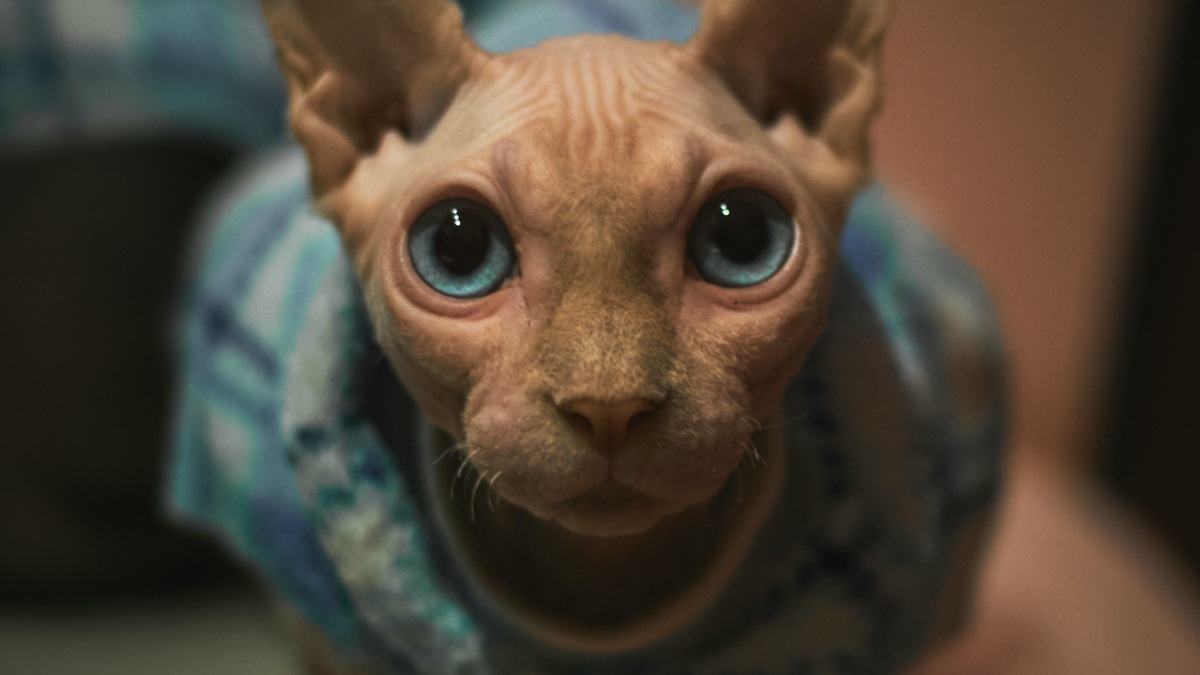
Credit: pethelpful.com
Care Tips For Exotic Cats
Exotic cats need special care to stay healthy and happy. Their unique traits require attention to diet, grooming, and health. Understanding these needs helps owners provide the best environment for these rare breeds.
Dietary Needs
Exotic cats often have specific dietary requirements. High protein diets support their active lifestyle. Some breeds may need raw food or special supplements. Avoid feeding them human food or too many treats. Fresh water should always be available to keep them hydrated.
Grooming Challenges
Grooming exotic cats can be tricky. Their fur may be thick, curly, or very fine. Regular brushing prevents mats and tangles. Some breeds shed a lot, needing more grooming sessions. Nail trimming and ear cleaning are important parts of care. Use gentle products to avoid skin irritation.
Health Considerations
Exotic cats can face unique health issues. Regular vet check-ups catch problems early. Watch for signs of respiratory or digestive troubles. Vaccinations and parasite control keep them safe. Some breeds are prone to genetic disorders. Maintaining a clean living space supports their well-being.
Famous Strange Cats
Famous strange cats have always captured our imagination with their unique looks and unforgettable personalities. These felines stand out not just for their unusual appearances but also for the stories they inspire and the marks they leave on pop culture. Whether you’re a cat lover or simply curious, these cats prove that being different can be a source of fame and fascination.
Cats In Pop Culture
Some strange cat breeds have become icons thanks to movies, TV shows, and internet fame. The Sphynx cat, known for its hairless body and wrinkled skin, has appeared in various sci-fi films, adding an eerie yet captivating vibe. Meanwhile, the Scottish Fold’s distinctive folded ears make it instantly recognizable and beloved by many TV audiences.
Have you ever noticed how certain cats seem to steal the spotlight just by being on screen? Take Grumpy Cat, whose permanently scowling face turned her into a viral sensation. She showed the power of personality and appearance combined—proof that unusual looks can lead to worldwide recognition.
Notable Pet Stories
Behind every famous strange cat, there’s often a touching or surprising story. Take Venus, the Chimera cat with a split-colored face, which sparked curiosity and wonder across the globe. Stories like these remind you that your cat’s quirks can be more than just physical—they can create connections and inspire people.
One personal experience that sticks with me is meeting a Peterbald cat with a sleek, bald body and an affectionate nature. Despite its unusual look, the cat’s warmth made it instantly lovable. This shows how strange cats often challenge our ideas of beauty and companionship.
What about your own cat? Could their unique traits be the start of a story worth sharing?

Credit: www.youtube.com
Where To Find Unique Breeds
Finding unique cat breeds can be an exciting adventure, but it requires knowing where to look. Whether you want a rare breed like the Serengeti or the Lykoi, the right source makes all the difference. You’ll want to balance your desire for uniqueness with responsible choices that benefit both you and the cats.
Breeders And Rescues
Reputable breeders are often the first place to find rare cat breeds. They focus on maintaining breed standards and health, which means your new pet is more likely to be well cared for. However, it’s important to research breeders thoroughly—ask for references, visit their facilities, and check for certifications.
On the other hand, rescues sometimes have unique breeds or mixes available. Rescues provide a chance to give a home to a cat that really needs one. Don’t overlook this option if you want a distinct breed but also want to save a life.
Adoption Advice
When adopting a rare breed, consider your lifestyle and the cat’s needs carefully. Unique breeds often have specific care requirements, like special diets or grooming routines. Are you ready to commit to these demands?
Ask plenty of questions about the cat’s health history and temperament. Visit the cat more than once if possible, to make sure it’s a good fit for your home. Remember, a successful adoption benefits both you and the feline companion.
Frequently Asked Questions
What Are Some Of The Strangest Cat Breeds?
Strange cat breeds include the Sphynx, Munchkin, and Scottish Fold. These cats have unique physical traits like no fur, short legs, or folded ears. They stand out due to their unusual appearances and distinct personalities.
Why Do Some Cat Breeds Look Unusual?
Unusual cat breeds have distinct traits due to selective breeding. Traits like hairlessness or short legs result from genetic mutations. Breeders emphasize these features to create unique, rare cats that attract enthusiasts and collectors.
Are Strange Cat Breeds Healthy Pets?
Many strange cat breeds are healthy but may have breed-specific issues. For example, Scottish Folds can have joint problems. Regular vet check-ups and proper care ensure these cats live happy, healthy lives.
How Do Strange Cat Breeds Behave Differently?
Strange cat breeds often have unique personalities. Sphynx cats are social and affectionate, while Munchkins are playful and energetic. Their behavior can differ but they all make loving pets.
Conclusion
Strange cat breeds show how unique and diverse cats can be. Each breed has its own look and personality. They remind us that cats come in many shapes and sizes. Some may seem unusual, but all deserve love and care.
Exploring these breeds can be fun and surprising. Cats, no matter their breed, bring joy to many homes. Keep an open mind and appreciate their special traits. Strange or not, cats make wonderful companions.
