

Ever wondered why your cat seems to have an obsession with licking everything in sight? Whether it’s your hand, their fur, or even the furniture, cat licking behavior can be both endearing and puzzling.
Understanding why your feline friend licks can unlock a deeper bond between you and your pet. We’ll explore the fascinating world of cat behavior and uncover the reasons behind this common habit. You’ll discover insights that not only explain this quirky behavior but also help you ensure your cat’s well-being.
Ready to dive into the mind of your furry companion? Let’s unravel the mystery together!
Why Cats Lick
Cats licking isn’t just a random habit; it holds deeper meanings linked to their instincts and social life. Understanding why your feline friend licks can help you respond better to their needs and strengthen your bond. Let’s look at what drives this behavior and what it reveals about your cat.
Instinctive Grooming Habits
Licking is a natural grooming routine for cats. It helps them clean their fur, remove dirt, and keep their skin healthy. You might notice your cat spends a lot of time licking after eating or playing, which is their way of staying tidy.
Have you ever seen your cat licking a specific spot repeatedly? This might be due to irritation or discomfort. Paying attention to such behavior can alert you to potential health issues early on.
Social Bonding And Affection
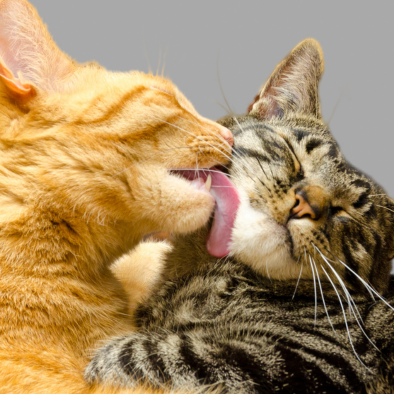
Cats often lick each other and their owners to show affection. When your cat licks you, they’re expressing trust and love, much like a mother cat cares for her kittens. This licking can be a gentle way of saying, “You’re part of my family.”
Think about the last time your cat gave you a lick. Did you feel a closer connection afterward? This simple act can be a powerful tool to deepen your relationship.
Scent Marking Practices
Licking also plays a role in scent marking. Cats have scent glands in their mouths, and licking transfers their unique scent onto objects or people. This behavior helps them feel secure by marking their territory.
Next time your cat licks your hand or face, consider it their way of claiming you as part of their safe space. It’s their method of saying, “You belong here with me.”

Credit: www.express.co.uk
Licking As Communication
Licking is a powerful form of communication for cats. It goes beyond just grooming and has deep social meanings. Understanding why your cat licks can help you build a stronger bond with them.
Expressing Trust And Comfort
When a cat licks you gently, it often means they feel safe and comfortable around you. This behavior is similar to how mother cats groom their kittens, creating a sense of security. Have you noticed your cat licking your hand after a long day? That’s their way of saying they trust you completely.
Seeking Attention From Owners
Cats also use licking to get your attention. If your cat starts licking your arm or face, they might want you to play or pet them. Sometimes, it’s their polite way of saying, “Hey, I’m here!” You can test this by pausing your interaction and watching if the licking increases.
Warning Signs And Discomfort
Not all licking is friendly. Rapid or excessive licking can indicate stress or discomfort. If your cat suddenly starts licking a specific spot on your skin or themselves repeatedly, it might be a sign of irritation or anxiety. Pay close attention and consider consulting a vet if the behavior seems unusual.
Health-related Causes
Excessive licking in cats often signals underlying health issues. Cats may lick more than usual to soothe discomfort or pain. Understanding these health-related causes helps owners act quickly. Early attention can prevent worsening problems and improve a cat’s wellbeing.
Allergies And Skin Irritations
Allergies cause itching and redness on a cat’s skin. Cats lick to relieve this itching. Common allergens include food, pollen, or dust mites. Skin irritations from harsh shampoos or chemicals also trigger licking. Persistent licking can cause sores or hair loss.
Pain Or Injury Response
Cats lick injured or painful areas to ease discomfort. This behavior helps clean wounds and reduce pain. Licking might increase if the injury is deep or infected. Watch for swelling, bleeding, or limping alongside licking. Veterinary care is essential for proper healing.
Parasites And Infections
Parasites like fleas and mites cause intense itching in cats. Licking is a natural way to fight this irritation. Skin infections from bacteria or fungi also lead to licking. Signs include redness, scabs, or unusual odor. Treating parasites and infections stops the licking cycle.

Credit: www.moopetcover.com
Behavioral And Emotional Factors
Cats use licking as a way to communicate and manage their feelings. Understanding the behavioral and emotional reasons behind this habit can help you support your furry friend better. Licking isn’t just about grooming—it’s often linked to how cats feel inside.
Stress And Anxiety Triggers
Stress can make your cat lick more than usual. Changes in the environment, like moving furniture or new people, may cause your cat to feel uneasy. You might notice your cat licking themselves or objects as a way to calm down.
Have you seen your cat licking when visitors arrive or during loud noises? This behavior often shows that your cat is trying to handle anxiety. Offering a quiet space or familiar toys can help reduce their stress.
Compulsive Licking Patterns
Some cats develop compulsive licking, where they lick excessively and repetitively. This can lead to hair loss or skin irritation, signaling that the behavior is more than just normal grooming. It’s important to watch if your cat’s licking feels out of control.
Compulsive licking might mean your cat needs extra attention or a vet check-up. You can try redirecting their focus with play or treats to break the cycle. Do you notice if your cat licks more when they’re alone or bored?
Boredom And Environmental Influences
Bored cats often lick to entertain themselves or relieve frustration. A dull environment without enough stimulation can push your cat toward this behavior. Adding scratching posts, interactive toys, or puzzle feeders can make a big difference.
Think about your cat’s daily routine—are they getting enough playtime and mental challenges? Cats that feel ignored might turn to licking as a coping mechanism. What small changes can you make today to keep your cat engaged and happy?
When To Consult A Vet
Knowing when to consult a vet about your cat’s licking habits can make a big difference in your pet’s health. Cats groom themselves regularly, but excessive or unusual licking might signal a problem. Paying close attention to these behaviors helps you act before minor issues turn serious.
Identifying Abnormal Licking
Is your cat licking one spot repeatedly or causing bald patches? That’s a red flag. Normal grooming is gentle and spread over the body, but obsessive licking can indicate stress, allergies, or skin infections.
Look for signs like:
- Red or inflamed skin
- Swelling or sores
- Hair loss in specific areas
- Changes in your cat’s mood or appetite
Have you noticed your cat licking more after a new food or environment change? These clues help you decide if a vet visit is needed.
Treatment Options
A vet will first diagnose the cause of abnormal licking through physical exams and possibly skin tests or blood work. Treatment varies depending on the problem.
Options may include:
- Medications for allergies or infections
- Anti-anxiety treatments if stress is the cause
- Special shampoos or topical ointments
- Diet changes to rule out food sensitivities
Getting early treatment often prevents the licking from worsening and causing more damage. Imagine avoiding painful sores just by catching the issue early.
Preventive Measures
You can reduce the chances of abnormal licking by keeping your cat’s environment calm and clean. Regular grooming sessions help you spot issues before they escalate.
Try these tips:
- Provide a balanced diet suited to your cat’s needs
- Keep litter boxes and sleeping areas clean
- Offer plenty of play and mental stimulation
- Introduce new pets or changes slowly to reduce stress
Have you considered how your cat’s lifestyle might affect their grooming habits? Small daily actions can protect your furry friend from developing licking problems.
Credit: www.discovermagazine.com
Managing Excessive Licking
Excessive licking in cats can be more than just a grooming habit; it might signal stress, boredom, or underlying health issues. Managing this behavior requires a mix of creativity, patience, and understanding your cat’s unique needs. By addressing the root causes and providing appropriate outlets, you can help your cat feel more relaxed and reduce the licking.
Environmental Enrichment Ideas
Creating a stimulating environment is key to distracting your cat from excessive licking. Add climbing shelves, interactive toys, and scratching posts to keep your cat busy and engaged.
Try rotating toys regularly to maintain your cat’s interest. Even simple things like a cardboard box or paper bag can entertain your cat for hours. Have you noticed how your cat reacts differently to new objects? Use that curiosity to your advantage.
Training And Behavior Modification
Positive reinforcement can guide your cat away from unwanted licking. Reward your cat with treats or affection when they stop licking on command or redirect their attention.
Consistency is crucial. Use a calm voice and gentle redirection rather than punishment, which can increase anxiety and worsen licking. Teaching your cat to respond to simple commands like “no” or “leave it” can be surprisingly effective.
Using Safe Deterrents
Safe deterrents help discourage licking without causing distress. Applying vet-approved bitter sprays on frequently licked areas can reduce the habit.
Another option is using soft protective clothing or bandages if licking causes skin damage. Always consult your vet before trying deterrents to ensure they suit your cat’s health and temperament.
Frequently Asked Questions
Why Do Cats Lick Themselves Frequently?
Cats lick themselves to clean their fur and remove dirt. It also helps regulate body temperature and reduce stress. Grooming is a natural and essential behavior for their health and comfort.
Can Excessive Licking Indicate Health Problems?
Yes, excessive licking can signal allergies, skin infections, or parasites. It may also indicate anxiety or pain. Consult a vet if your cat licks obsessively or shows bald patches.
Do Cats Lick Humans To Show Affection?
Cats often lick humans as a sign of affection and bonding. It mimics grooming behavior they share with other cats, showing trust and comfort with their owner.
How Can I Stop My Cat From Licking Furniture?
Distract your cat with toys and provide scratching posts. Use bitter sprays on furniture to deter licking. Regular playtime reduces stress-driven licking behaviors.
Conclusion
Cats lick for many reasons: comfort, grooming, or showing love. This behavior helps them feel safe and clean. Understanding why your cat licks can improve your bond. Watch their actions closely to learn what they want to say. Respect their space if they seem uncomfortable.
Every cat is unique, so pay attention to their habits. Caring for your cat means knowing these small signals well. Keep observing and enjoy the special moments of connection. Licking is just one way cats share their feelings with you.
