

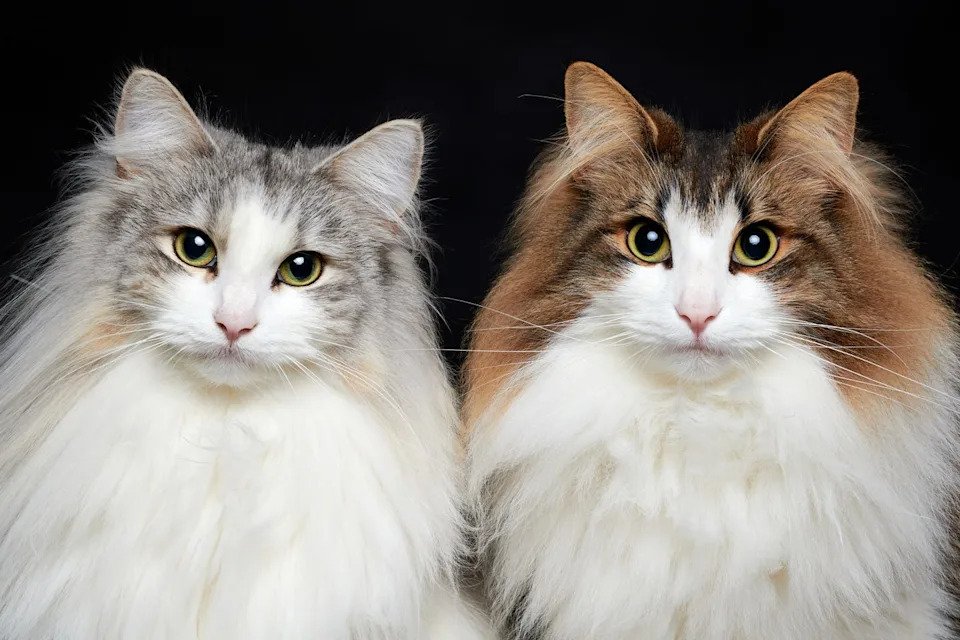
Have you ever found yourself dreaming of sharing your home with a majestic creature that embodies the grace and power of the wild, yet still fits comfortably in your living room? Big cat breeds that are domestic might just be the enchanting companions you’re looking for.
These unique feline friends bring a touch of the exotic to your everyday life while offering the warmth and affection of a traditional pet. Imagine the thrill of coming home to a regal pet that turns heads and sparks conversations.
Ready to discover which of these captivating breeds could be your perfect match? Let’s dive into the fascinating world of domestic big cats and see which one might steal your heart!

Credit: worldanimalfoundation.org
Popular Domestic Big Cat Breeds
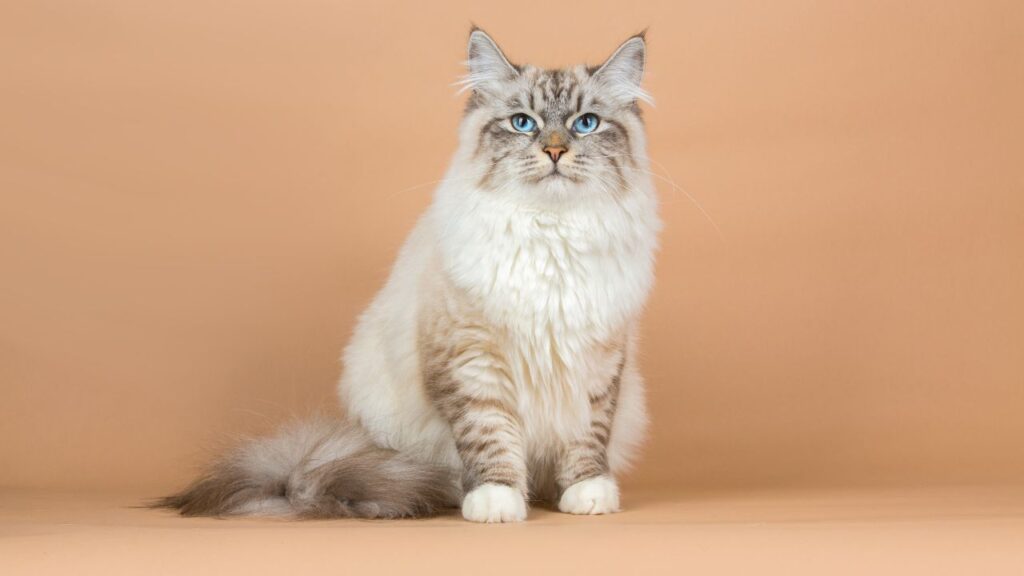
Big cat breeds have grown in popularity among cat lovers. These cats bring a wild look into a home. They combine exotic patterns with friendly behavior. Many people enjoy their unique appearance and playful nature. Domestic big cat breeds offer a glimpse of the wild without the challenges of wild animals.
Bengal Cats
Bengal cats have striking spotted coats. Their fur looks like a leopard’s skin. Bengals are active and love to play. They enjoy climbing and exploring their homes. These cats are social and often friendly with children.
Savannah Cats
Savannah cats are tall and slender. They have large ears and spotted fur. These cats are curious and smart. They like to interact with their owners often. Savannahs need space to run and jump.
Chausie Cats
Chausie cats look wild with their sleek bodies. They have short fur and long legs. These cats are very energetic and love to hunt toys. Chausies enjoy being part of family activities. They are loyal and can be trained easily.
Caracat Hybrids
Caracat hybrids are a mix of caracal and domestic cats. They have tufted ears and spotted coats. These cats are rare and have strong hunting instincts. Caracats need patient owners who understand their wild side. They form strong bonds with their families.
Credit: worldanimalfoundation.org
Traits Of Exotic Big Cats
Exotic big cats have unique traits that set them apart from common domestic pets. These traits affect their care, behavior, and lifestyle. Understanding these qualities helps in appreciating their beauty and challenges.
Physical Characteristics
Big cats are larger than typical house cats. They have strong muscles and sharp claws. Their fur varies in color and pattern.
- Powerful jaws and sharp teeth for hunting
- Long tails for balance and agility
- Distinctive markings like spots or stripes
- Large paws with retractable claws
These features make them excellent hunters in the wild. Their size and strength demand special living spaces.
Temperament And Behavior
Exotic big cats have wild instincts. They can be curious but also cautious. Some show playful behavior, while others prefer solitude.
- Strong territorial instincts
- High energy and need for mental stimulation
- Sometimes aggressive, especially if threatened
- Require experienced handlers for safe interaction
Their behavior may change with age and environment. They need respect and understanding to thrive.
Lifespan And Health
Big cats generally live shorter than domestic cats. Their lifespan ranges from 10 to 20 years in captivity. Health issues include common feline diseases and special exotic conditions.
| Species | Average Lifespan | Common Health Concerns |
|---|---|---|
| Caracal | 12-15 years | Dental problems, obesity |
| Serval | 13-20 years | Kidney disease, parasites |
| Ocelot | 10-15 years | Respiratory infections, injuries |
Regular vet care is vital. Proper diet and environment improve their quality of life.
Legal Considerations For Exotic Pets
Owning big cat breeds as domestic pets involves many legal challenges. Laws differ widely based on where you live. Understanding these rules helps avoid serious trouble. This section explains key legal points about exotic pet ownership.
Ownership Laws By Region
Each region has specific rules for keeping big cats. Some places ban ownership outright. Others allow it with strict conditions. These laws protect people and animals.
- States and countries vary in their regulations.
- Urban areas tend to have tighter restrictions.
- Rural zones may permit ownership under rules.
Checking local laws is essential before getting a big cat pet.
Permits And Licensing
Many regions require permits to own exotic cats. These licenses prove you meet safety and care standards. Obtaining them involves inspections and fees.
- Applications often need detailed information about housing.
- Regular renewals keep owners accountable.
- Failure to obtain permits can lead to fines or seizure.
Proper licensing shows responsibility and legal compliance.
Ethical And Safety Concerns
Big cats pose risks to humans and themselves. Ethical concerns arise over their welfare in captivity. Laws aim to balance pet rights with public safety.
- Proper enclosures reduce escape risks.
- Trained owners must handle these animals carefully.
- Ethical ownership means meeting all physical and mental needs.
Respecting these concerns protects animals and communities.

Credit: www.aol.com
Care Requirements For Big Cat Breeds
Big cat breeds kept as domestic pets need special care. Their needs differ from common house cats. Owners must understand diet, space, and exercise needs. Proper care ensures the cat stays healthy and happy.
Diet And Nutrition
Big cats require a high-protein diet. Raw meat is essential for their health. Offer a mix of muscle meat, organs, and bones. Avoid processed foods and fillers. Fresh water should always be available. Supplements may be needed for vitamins and minerals.
Housing And Space Needs
Big cats need large, secure enclosures. Space to roam and climb is vital. Enclosures should mimic natural environments. Walls must be strong and high. Provide sheltered areas for rest and privacy. Cleanliness is important to prevent disease.
Exercise And Enrichment
Exercise keeps big cats fit and mentally sharp. Provide toys that encourage hunting and stalking. Rotate toys to keep interest high. Use climbing structures and hiding spots. Regular interaction helps reduce stress. Enrichment prevents boredom and destructive behavior.
Challenges Of Keeping Exotic Cats
Keeping exotic big cats as pets is not an easy task. These animals have unique needs that differ greatly from common domestic cats. Owners face many challenges that require patience, knowledge, and resources. Understanding these challenges helps prepare for responsible ownership and ensures the well-being of the animal.
Behavioral Issues
Big cats have wild instincts that can be hard to control. They may show aggression or territorial behavior. Their play can become dangerous due to sharp claws and strong muscles. Many struggle to adapt to indoor living. This leads to stress and destructive habits. Owners must provide constant mental and physical stimulation. Without it, behavioral problems increase.
Medical Care And Vet Access
Exotic cats need specialized medical attention. Few veterinarians have experience with big cats. This limits access to proper care. Routine checkups and vaccinations are crucial but can be hard to arrange. Their unique diets also require expert knowledge. Owners must find vets who understand these animals well. Emergencies may require transport to distant facilities.
Cost And Commitment
Owning a big cat demands a large financial investment. Food, habitat, and medical care are expensive. Their diet often includes raw meat and supplements. Creating a safe living space requires special materials. These cats live many years, needing long-term commitment. Owners must be ready for this responsibility. It is not a choice to take lightly.
Choosing The Right Big Cat Breed
Choosing the right big cat breed for your home is a serious decision. These majestic animals need care, space, and attention. Each breed has unique traits and needs. Understanding these helps ensure a happy life for both you and the cat. Take time to learn about their behavior, size, and care demands.
Assessing Lifestyle Compatibility
Big cats require space and time. Consider your daily routine and living area. Do you have enough room for a large animal? Some breeds are more active and need more playtime. Others prefer calm and quiet environments. Think about family members and pets. Will the big cat fit well with children or other animals? Matching a breed with your lifestyle prevents stress for all.
Researching Breeders And Rescues
Find trusted breeders or rescues for healthy cats. Look for those who prioritize animal welfare. Ask about the cat’s health, history, and temperament. Avoid places that do not allow visits or provide clear information. Rescues often have cats needing new homes. They can offer advice on breed care and behavior. A reliable source makes the adoption process smooth and safe.
Long-term Responsibility
Big cats live many years and need lifelong care. Their diet, medical needs, and environment must be maintained. Prepare for costs like food, vet visits, and habitat upgrades. Think about emergency situations and plans for your pet’s future. Owning a big cat is a big commitment. Being ready means giving the cat a stable and loving home.
Frequently Asked Questions
What Are The Most Popular Big Cat Breeds Domesticated?
Popular big cat breeds kept as pets include Bengal, Savannah, and Chausie cats. These breeds have wild ancestry but adapt well to home life. They combine exotic looks with domestic traits, making them favored among exotic pet enthusiasts.
Are Big Cat Breeds Safe To Keep At Home?
Big cat breeds can be safe if raised properly and socialized early. However, they require experienced owners due to their strength and wild instincts. Proper training, space, and care are essential to ensure safety for both the cat and humans.
How Big Do Domestic Big Cat Breeds Grow?
Domestic big cat breeds typically grow larger than average cats but stay manageable. Bengal cats weigh 8-15 pounds, while Savannahs can reach 20 pounds. Size varies by breed and generation, with some hybrid cats resembling small wild cats.
What Special Care Do Big Cat Breeds Need?
Big cat breeds need enriched environments, regular exercise, and a high-protein diet. They require mental stimulation to prevent boredom and behavioral issues. Routine veterinary care and social interaction are critical for their health and happiness.
Conclusion
Big cat breeds can add beauty and strength to your home. They need care, space, and love to thrive well. Knowing their traits helps you choose the right breed. Each big cat has its own unique charm and needs. Respect their nature and enjoy their company safely.
Owning a big cat is a serious choice. Think carefully and prepare for a happy life together.
