


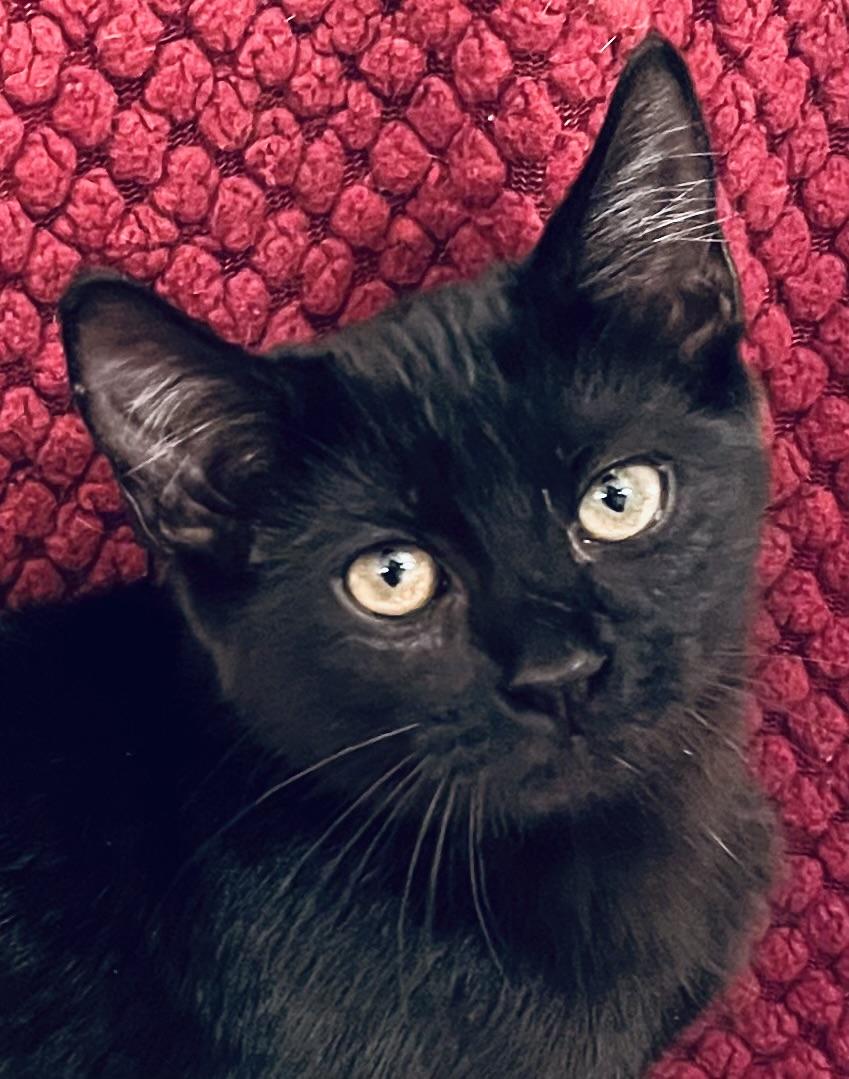
Have you ever wondered what your black cat is really up to when it stares at you with those mysterious eyes? Black cats have always held a certain allure, captivating our imaginations with their sleek fur and enigmatic presence.
But there’s more to these fascinating felines than meets the eye. Are they really as mischievous or as mystical as the tales suggest? Understanding your black cat’s behavior can help you connect with them on a deeper level, making your bond stronger and more rewarding.
Whether you’re a new black cat parent or a long-time admirer, unraveling the mystery behind their actions could be the key to a happier, more harmonious life together. Get ready to dive into the world of black cat behavior and discover what your feline friend is truly trying to tell you.
Myths And Truths
Black cats have been the subject of many stories and beliefs. Some of these are true, while others are just myths. Understanding the myths and truths helps us see black cats in a clearer light. It also helps to treat them with the kindness they deserve.
Common Superstitions
Many people think black cats bring bad luck. This idea comes from old stories and fears. In some places, people believe if a black cat crosses your path, something bad will happen. Others see black cats as symbols of witches or magic. These superstitions can cause fear and misunderstanding.
Cultural Differences
Not all cultures think the same about black cats. In some countries, black cats are lucky and bring good fortune. For example, in Japan, black cats are seen as a sign of protection. In Scotland, a black cat arriving at a home means wealth is coming. These differences show how beliefs can vary widely.
Debunking Misconceptions
Black cats are just like other cats in personality and health. Their color does not affect their behavior. Many black cats are loving, playful, and friendly pets. The idea that they bring bad luck is not based on facts. It is important to judge each cat by its own character.

Credit: carnegiemnh.org
Personality Traits
Black cats often carry a mysterious reputation, but their personality traits reveal much more than myths. Understanding these traits can deepen your connection and help you appreciate your feline friend in new ways. Let’s take a closer look at what shapes their unique character.
Temperament And Social Behavior
Black cats tend to be calm and composed, but this doesn’t mean they lack spirit. Many black cats are surprisingly adaptable, adjusting well to new environments and people.
You might notice your black cat enjoys quiet time yet shows curiosity about visitors. This balance makes them excellent companions if you want a pet that’s neither overly clingy nor distant.
Playfulness And Intelligence
Don’t let their sleek appearance fool you—black cats can be incredibly playful. They often enjoy interactive toys and puzzles that challenge their sharp minds.
Have you ever seen a black cat figure out how to open a door or find hidden treats? Their intelligence shines through in these moments, offering you endless opportunities for engaging play.
Affection Levels
Affection from black cats varies widely, but many are surprisingly loving. Some will follow you around the house, seeking gentle pets and quiet companionship.
Others show love in subtle ways, like softly nudging your hand or curling up nearby. How does your black cat show affection? Paying attention to these small signals can deepen your bond.
Health And Care
Taking care of a black cat goes beyond their striking appearance. Their health and care require attention to detail and a gentle approach. Understanding common health issues, grooming needs, and proper diet can make a huge difference in your cat’s happiness and longevity.
Common Health Issues
Black cats can face similar health problems as other cats, but some issues are worth watching closely. Respiratory infections and dental problems are frequent concerns. Regular vet check-ups help catch these early before they cause serious discomfort.
One less obvious problem is hyperthyroidism, which can sneak up on older cats. If your cat suddenly loses weight or becomes more hungry, a vet visit is a smart move. Also, black cats may be prone to skin conditions, so keep an eye out for unusual patches or itching.
Grooming Tips
Despite their sleek coat, black cats need grooming to stay healthy and shiny. Brush your cat at least once a week to remove loose fur and prevent hairballs. This also helps you check for any bumps, fleas, or skin issues.
Bathing isn’t usually necessary unless your cat gets into something messy. If you do bathe your cat, use a mild, cat-specific shampoo. Nail trimming and ear cleaning should be part of your routine too, but approach these calmly to avoid stressing your cat.
Diet And Nutrition
Your cat’s diet plays a key role in their overall health. Choose high-quality cat food with real meat as the main ingredient. Avoid fillers like corn and soy that offer little nutritional value.
Fresh water should always be available, and some cats enjoy wet food, which helps with hydration. Have you noticed if your cat prefers certain textures or flavors? Paying attention to these preferences can make mealtime more enjoyable and ensure they get the nutrients they need.
Credit: cats.com
Behavioral Patterns
Black cats have unique behavioral patterns that make them fascinating pets. Their actions show a mix of independence and affection. Understanding these patterns helps build a better bond with them.
Communication Styles
Black cats use many ways to communicate. They meow softly to get attention. Their tail position shows mood—upright means happy, while low signals caution. Slow blinking is a sign of trust. Ears moving forward show curiosity, backward means discomfort. Body language plays a big role in their talks.
Hunting And Play Habits
These cats have strong hunting instincts. They enjoy stalking toys or small moving objects. Play often mimics real hunting behavior. Pouncing, chasing, and biting are common play acts. Regular play keeps them healthy and sharp. Black cats love interactive toys and games.
Nighttime Activity
Black cats are naturally more active at night. They use the dark to explore and hunt. Their eyes adjust well to low light. Nighttime is prime time for play and exercise. Providing toys at night helps use this energy. Quiet environments help them feel safe during night outings.
Adoption Insights
Adopting a black cat can be a rewarding experience, but it comes with unique challenges that often go unnoticed. Understanding these adoption insights helps you prepare for a smoother transition and gives these cats a better chance at a loving home.
Challenges In Shelters
Black cats often spend more time in shelters than other cats. Their dark coat can make them harder to photograph, which affects their visibility online and in adoption catalogs.
Shelters may also receive fewer inquiries about black cats, leading to longer stays. This extended shelter time can increase stress and impact their behavior, making it harder for them to adjust once adopted.
Why Black Cats Are Overlooked
Many people believe black cats bring bad luck, which is an unfair stereotype. This myth causes potential adopters to pass them over without meeting them.
Black cats also don’t stand out as easily in a crowded shelter due to their dark color. This makes it harder for their unique personalities to shine through at first glance.
Tips For New Owners
- Spend quality timewith your black cat to reveal their true character.
- Use good lighting and contrastwhen photographing them to share their beauty with friends and on social media.
- Introduce toys and activitiesthat stimulate their natural curiosity and playfulness.
- Be patientduring their adjustment period; shelter stress might have made them shy or cautious.
- Share positive storiesabout your black cat to help change misconceptions among your community.
Have you considered how your actions could help change the fate of a black cat waiting in a shelter? Your understanding and care can make all the difference.

Credit: www.freepik.com
Frequently Asked Questions
Why Do Black Cats Have Unique Behaviour Traits?
Black cats often display unique behaviours due to genetics and breed influences. Their black fur is linked to specific genes that may also affect temperament. They tend to be affectionate, playful, and highly intelligent, making their behaviour distinct from other cats.
Are Black Cats More Affectionate Than Other Cats?
Many black cat owners report they are more affectionate and social. Their friendly and loyal nature often surprises people. However, individual personality varies, so behaviour depends on upbringing and environment, not just fur colour.
Do Black Cats Have Superstitions Affecting Their Behaviour?
Black cats are linked to many superstitions worldwide. These myths don’t impact their actual behaviour but may influence how people treat them. Black cats are just as loving and playful as any other cat without any supernatural traits.
How Can I Understand My Black Cat’s Behaviour Better?
Observe their body language, vocalisations, and daily habits closely. Black cats communicate through tail flicks, purrs, and eye contact. Providing a safe and stimulating environment helps reveal their true personality and unique behavioural traits.
Conclusion
Black cats have unique behaviors that make them special pets. They can be playful, curious, and loving companions. Understanding their habits helps build a strong bond. Myths should not affect how we treat them. Every black cat has its own personality to enjoy.
Spend time with them and watch their true nature shine. Caring for them brings joy and comfort to any home. Embrace the charm of black cats and their gentle ways.
