


Have you ever wondered what your cat is really thinking? Perhaps you’ve watched your feline friend pounce, purr, or suddenly dart across the room and thought, “Why do they do that?”
Understanding cat behavior can feel like trying to crack a secret code. But once you unlock it, you’ll deepen the bond with your furry companion in ways you never thought possible. This article will reveal the mysteries behind those curious cat habits, helping you to meet your pet’s needs better and enjoy a happier, more harmonious home life together.
Keep reading to discover the secrets hidden in those whiskers and paws!
Cat Body Language
Understanding your cat’s body language is key to building a stronger bond. Cats communicate a lot without making a sound. Paying close attention to their tail, ears, eyes, and posture can tell you exactly how they feel and what they want.
Tail Signals
The tail is a powerful communicator in cats. A high, straight tail usually means your cat is happy and confident. If the tail is puffed up, it often signals fear or aggression.
When your cat slowly swishes or flicks its tail, it could mean irritation or focus. A tail wrapped around another cat or your leg shows affection and trust. Next time your cat’s tail moves, ask yourself: what mood are they really in?
Ear Movements
Cat ears rarely stay still. Forward-facing ears show curiosity or interest. When ears flatten back or to the side, your cat might feel threatened or annoyed.
Rapid ear twitching can mean your cat is overwhelmed by sounds or stimuli. I once ignored my cat’s ear signals and ended up with a scratch—don’t make the same mistake. Watch those ears closely to avoid misunderstandings.
Eye Contact
Direct eye contact can be tricky with cats. A slow blink from your cat is a sign of trust and affection. Try slow blinking back—it’s like saying “I love you” in cat language.
Wide, staring eyes indicate alertness or stress, while half-closed eyes often mean relaxation. Have you noticed how your cat’s gaze changes when you enter the room? It’s their way of sizing up the situation.
Posture And Stance
The way your cat holds its body says a lot. An arched back with fur standing on end signals fear or defense. A relaxed, stretched-out body means your cat feels safe and comfortable.
Standing tall with a forward lean can be a sign of dominance or curiosity. Watch how your cat’s posture shifts in different situations—can you spot the signs of confidence versus caution?

Credit: www.amazon.com
Common Cat Vocalizations
Cats use sounds to communicate with humans and other animals. These vocalizations express feelings, needs, or warnings. Understanding common cat sounds helps build a stronger bond with your pet.
Each sound has a different meaning. Paying attention to these can tell you if your cat is happy, scared, or hungry. This section explains the most common cat vocalizations and their meanings.
Meowing Meanings
Meowing is the most common cat sound. Cats meow mainly to talk to people, not other cats.
- Short meows: Greeting or asking for attention.
- Repeated meows: Demand for food or playtime.
- Long, drawn-out meows: Express frustration or loneliness.
- Quiet meows: A soft call to show affection.
Purring And Its Variations
Purring usually means contentment and relaxation. Cats often purr when they feel safe and happy.
But purring can also signal pain or stress. Some cats purr to comfort themselves in tough situations.
- Soft, steady purr: Calm and happy state.
- Loud, rumbling purr: Deep contentment or seeking comfort.
- Interrupted purring: Might indicate discomfort or illness.
Hissing And Growling
Hissing and growling warn others to stay away. These sounds show fear, anger, or stress.
Listen closely to these sounds. They tell you your cat feels threatened or upset.
- Hissing: Defensive and scared.
- Growling: Strong warning to back off.
- Combination: Serious threat or high stress.
Chirps And Trills
Chirps and trills are softer, friendlier sounds. Cats use these to get attention or show excitement.
- Chirping: Often made when watching birds or prey.
- Trilling: A greeting or invitation to play.
- Short bursts: Express curiosity or happiness.
Social Behavior Patterns
Cats show unique social behavior patterns that reveal their nature. Understanding these patterns helps improve your bond with them. Social habits in cats affect how they live, play, and interact. These habits also shape their relationships with humans and other animals.
Territorial Habits
Cats are naturally territorial animals. They mark their space using scent glands on their face, paws, and tail. This marking helps them feel safe and secure. Cats often patrol their territory, watching for intruders. They may hiss or swat to protect their area. New environments can stress cats if they feel their territory is threatened.
Play And Hunting Instincts
Play mimics hunting behavior in cats. Chasing, pouncing, and stalking are common play activities. These actions satisfy their natural instincts. Toys that move or make noise attract their attention. Play also keeps cats active and healthy. Even indoor cats show strong hunting drives during playtime.
Bonding With Humans
Cats bond with humans through touch and attention. They may rub against you or purr to show affection. Some cats follow their owners around the house. They enjoy quiet, calm moments together. Understanding a cat’s body language helps strengthen this bond. Respecting their space builds trust over time.
Interactions With Other Pets
Cats can live peacefully with other pets, but it takes time. They often establish a hierarchy with other animals. Slow introductions reduce stress and aggression. Cats use body language to communicate with dogs and other cats. Watching for signs of discomfort helps prevent conflicts. Positive interactions improve their social skills.
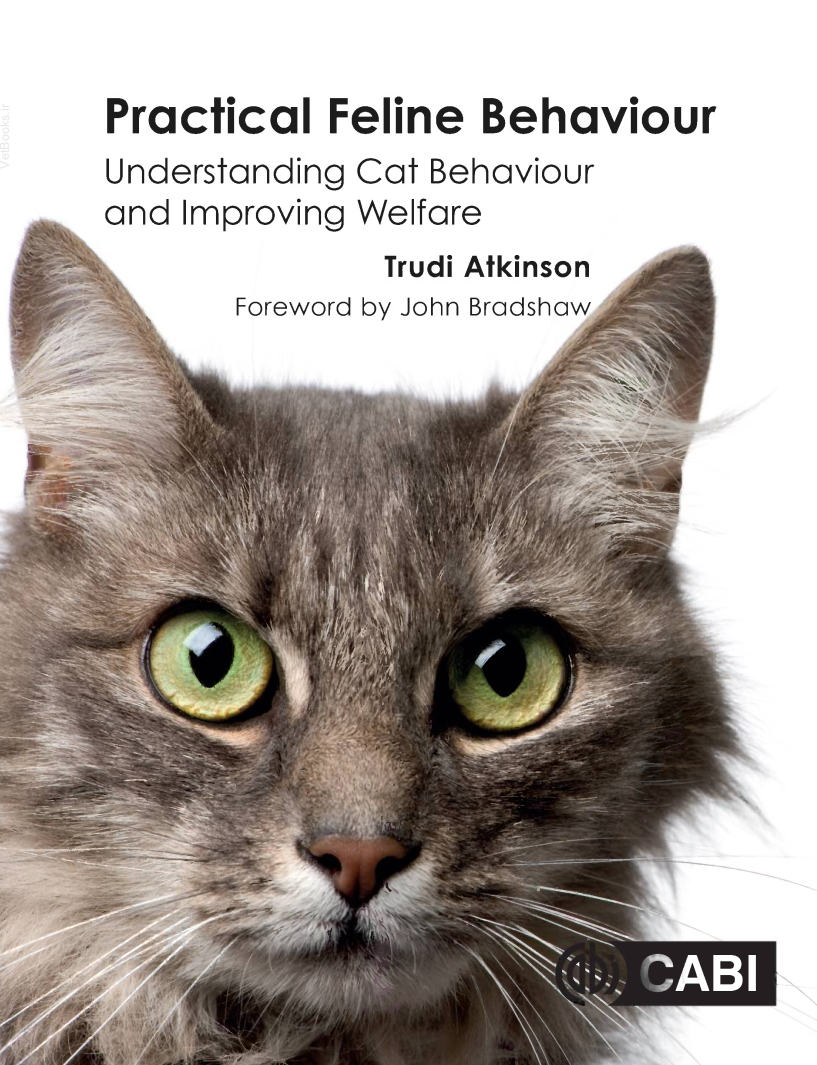
Credit: www.vet-ebooks.com
Signs Of Stress And Anxiety
Cats show stress and anxiety in many ways. These signs help owners understand their pet’s feelings. Watching closely can prevent bigger problems later. Recognizing these signs early improves your cat’s well-being.
Behavioral Changes
- Hiding more than usual
- Avoiding contact with people or other pets
- Sudden aggression or irritability
- Excessive grooming or licking
- Loss of appetite or refusal to eat
- Increased vocalization or yowling
Physical Symptoms
- Rapid breathing or panting
- Trembling or shaking
- Diarrhea or vomiting
- Excessive shedding
- Dilated pupils or wide eyes
- Changes in litter box habits
Triggers To Watch For
- New people or pets in the home
- Loud noises like fireworks or thunderstorms
- Changes in routine or environment
- Visits to the vet or car rides
- Moving furniture or redecorating
- Strong smells or unfamiliar objects
Soothing Techniques
- Create a quiet, safe space for your cat
- Use gentle petting and soft voice tones
- Provide toys and activities to distract
- Maintain a regular feeding and play schedule
- Consider calming pheromone diffusers or sprays
- Avoid sudden movements or loud sounds near them
Enhancing Cat Communication
Enhancing communication with your cat helps deepen your bond. Cats use body language and sounds to express feelings. Understanding these signals improves your responses. It creates a peaceful and happy home for both of you.
Building Trust
Trust is the base of all good relationships with cats. Approach slowly and speak softly. Let the cat come to you at its own pace. Offer treats and gentle petting to show kindness. Avoid sudden moves that might scare your cat.
Reading Subtle Cues
Cats communicate mostly through small signs. Watch their tail, ears, and eyes for clues. A twitching tail may show excitement or irritation. Flattened ears often mean fear or anger. Slow blinking shows comfort and trust.
Effective Playtime Strategies
Play is a key way to connect with cats. Use toys that mimic prey, like feathers or strings. Keep play sessions short but frequent. This helps burn energy and reduces stress. Always stop before your cat gets tired or bored.
Creating A Cat-friendly Environment
Comfortable spaces make cats feel safe and happy. Provide hiding spots like boxes or cat trees. Keep fresh water and food in quiet areas. Clean litter boxes regularly to avoid stress. Soft bedding invites your cat to rest peacefully.

Credit: www.seemour.ai
Frequently Asked Questions
Why Do Cats Knead With Their Paws?
Cats knead to mark territory and show comfort. This behavior originates from kittenhood when they stimulate their mother’s milk flow. Kneading helps cats feel safe and relaxed, signaling contentment and affection.
What Does A Cat’s Tail Position Mean?
A cat’s tail position reveals its mood. An upright tail shows happiness, while a low or tucked tail signals fear. Tail flicking often indicates irritation or excitement. Understanding tail signals helps interpret cat emotions accurately.
How Can I Tell If My Cat Is Stressed?
Signs of stress include hiding, excessive grooming, and reduced appetite. Vocal changes and aggression also indicate anxiety. Recognizing these signs early helps in providing a calm and safe environment for your cat.
Why Do Cats Purr When Happy Or Scared?
Cats purr to communicate comfort and self-soothe during stress. Purring signals contentment but can also calm cats when they feel pain or fear. It’s a versatile vocalization linked to both positive and negative emotions.
Conclusion
Cats show us their feelings in many small ways. Watching their actions helps us understand them better. Each cat is unique, with its own habits and moods. Patience and care build a stronger bond with your cat. Knowing cat behaviour makes living with them more joyful.
Enjoy every moment with your feline friend. Keep learning and observing—they have much to teach.
