

Have you ever wondered what your cat is trying to tell you? Cats can be mysterious creatures, often leaving us puzzled about their actions and moods.
Understanding cat behavior signs is like unlocking a secret language between you and your furry friend. By recognizing these signs, you can enhance your bond and ensure your cat’s happiness and well-being. You’ll discover the subtle cues your cat uses to communicate with you every day.
Stay tuned to learn how to decode these behaviors and connect with your cat on a deeper level.
Credit: www.pethealthclub.com
Common Cat Behaviors
Cats communicate a lot through their behavior. Understanding these signs helps you know what your cat feels or wants. Common cat behaviors include tail movements, ear positions, vocal sounds, and body postures. Each tells a story about your cat’s mood and intentions.
Tail Movements
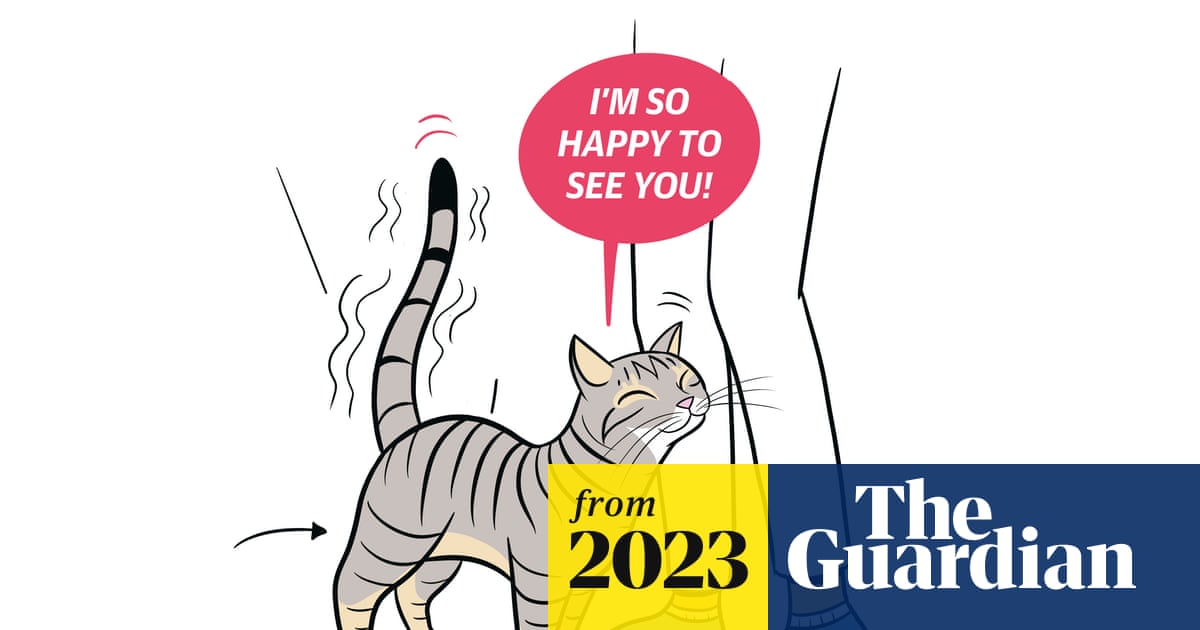
The tail shows many emotions. A high tail means confidence and happiness. A twitching tail tip shows curiosity or mild irritation. A low or tucked tail signals fear or submission. Quick swishing means the cat is annoyed or excited. Watch the tail to guess your cat’s feelings.
Ear Positions
Cat ears move to express feelings. Forward ears show interest and alertness. Sideways ears, called “airplane ears,” indicate irritation or nervousness. Flattened ears against the head mean fear or aggression. Ears help your cat hear better but also share mood signals.
Vocal Sounds
Cats use different sounds to communicate. Meowing often means they want attention or food. Purring usually shows contentment but can also signal stress. Hissing warns of danger or anger. Chirping or chattering happens when cats watch birds or prey. Listen to sounds to understand their needs.
Body Postures
Body language reveals a cat’s state clearly. An arched back with fur raised means the cat feels threatened. A relaxed, stretched-out body shows comfort. Sitting with paws tucked under means calmness. Lying on the back can be trust or a warning to stop. Body posture is a key to reading your cat’s mind.
Credit: www.pethealthclub.com
Signs Of Happiness
Understanding when a cat feels happy helps build a stronger bond. Cats show their joy in quiet, gentle ways. Recognizing these signs lets you know your cat trusts and enjoys your company.
Purring And Kneading
Purring is a classic sign of a happy cat. It sounds like a soft, steady hum. Cats often purr when they feel safe and content. Kneading with their paws is another sign. They push their paws in and out, like making dough. This action comes from kittenhood and shows comfort and pleasure.
Slow Blinking
Slow blinking is a cat’s way of saying “I trust you.” It looks like they close their eyes slowly and open them again. This gentle gesture means the cat feels relaxed and safe near you. You can try slow blinking back to show love.
Playful Actions
Playfulness means a cat feels happy and healthy. Cats chase toys, pounce, and run around with joy. They may bring you their favorite toy as a gift. Playtime is a sign of good mood and trust. It helps keep your cat’s mind and body active.
Signs Of Stress Or Anxiety
Recognizing the signs of stress or anxiety in your cat is crucial for their well-being. Cats often hide their discomfort, so you might miss subtle signals that reveal their inner turmoil. Paying attention to these signs helps you act before the situation worsens, ensuring your feline friend feels safe and calm.
Hiding And Avoidance
Your cat may suddenly disappear to quiet, dark corners of your home. This hiding behavior is more than just a preference for solitude—it’s a clear sign of stress or fear. If your cat avoids interaction, refuses to eat, or hides under furniture for long periods, it’s time to consider what might be causing their anxiety.
Have you noticed your cat retreating behind the couch or staying under the bed? These are cries for help in their language. Try to create a safe space with familiar scents and minimal noise to encourage them to come out on their own.
Aggressive Behavior
Stress can make even the gentlest cat act out aggressively. Sudden hissing, scratching, or biting can indicate that your cat feels threatened or overwhelmed. This behavior isn’t about being “bad”—it’s their way of saying they need space and reassurance.
Think about the last time your cat lashed out unexpectedly. What was happening around them? Look for triggers like loud noises, new people, or other pets that could be stirring anxiety. Managing these triggers is key to calming their nerves.
Excessive Grooming
When cats groom themselves too much, it’s often a sign of stress rather than just cleanliness. You might see bald patches or irritated skin caused by constant licking or biting. This behavior can worsen quickly if the underlying anxiety isn’t addressed.
Have you checked your cat’s fur for signs of over-grooming? Providing interactive toys and regular playtime can distract them and reduce stress. Consulting your vet about possible skin conditions or anxiety treatments can also make a big difference.
Credit: www.theguardian.com
Signs Of Illness Or Discomfort
Recognizing signs of illness or discomfort in your cat is crucial for their well-being. Cats are experts at hiding pain, so subtle changes in behavior often signal that something is wrong. Being alert to these signs can help you act quickly and get your furry friend the care they need.
Changes In Appetite
Have you noticed your cat suddenly eating less or refusing their favorite treats? A drop in appetite can be one of the first signs that your cat is feeling unwell. On the other hand, an increase in eating, especially if paired with weight loss, might also indicate health issues like diabetes or hyperthyroidism.
Watch for signs such as:
- Skipping meals for more than a day
- Difficulty chewing or swallowing food
- Excessive drooling or pawing at the mouth
If you spot these changes, consider scheduling a vet visit to rule out infections, dental problems, or digestive issues.
Lethargy And Withdrawal
Has your usually active cat started hiding or sleeping much more than normal? Lethargy and withdrawal are often clear indicators that your cat is not feeling well. A cat that avoids interaction and shows less interest in play or exploration might be signaling discomfort.
Take note if your cat:
- Spends most of the day in one quiet spot
- Moves slowly or reluctantly
- Avoids contact with people or other pets
These signs could point to infections, pain, or chronic conditions. Don’t ignore prolonged inactivity—your cat’s energy levels reveal a lot about their health.
Unusual Vocalizations
Does your cat suddenly meow more than usual or make strange sounds? Changes in vocalization often reflect distress, pain, or discomfort. Cats might yowl, hiss, or growl unexpectedly when they’re feeling sick or scared.
Pay attention if you hear:
- High-pitched or continuous meowing
- Growling or hissing without obvious triggers
- Vocalizations during rest or sleep
Could your cat be trying to tell you something important? These vocal changes can indicate problems like urinary tract infections, injuries, or neurological issues. Listening carefully helps you respond in time.
How To Respond To Your Cat’s Signals
Understanding your cat’s signals helps you respond with care and respect. Cats communicate through body language, sounds, and actions. Recognizing these signals creates a stronger bond and keeps your cat happy. Knowing how to act makes your cat feel safe and loved.
Creating A Comfortable Environment
Provide quiet spaces where your cat can relax. Soft bedding and hiding spots reduce stress. Keep food and water in consistent places. Cats like routine and calm surroundings. Avoid loud noises or sudden changes that may scare them.
Offer toys and scratching posts to keep them active. Playtime is important for mental and physical health. Observe your cat’s favorite spots and respect their choices. A cozy environment encourages positive behavior.
When To Consult A Veterinarian
Look for signs like sudden aggression, hiding, or loss of appetite. These can indicate illness or pain. Changes in litter box habits also need attention. A vet can diagnose and treat problems early. Do not wait if your cat shows unusual behavior.
Regular check-ups keep your cat healthy. Vaccines and dental care prevent many diseases. Trust your instincts about your cat’s health. Quick action can save your cat’s life.
Building Trust And Bonding
Spend quiet time near your cat without forcing interaction. Let your cat come to you. Use soft voices and gentle touches. Respect their mood and space at all times.
Offer treats as rewards, but do not overfeed. Grooming your cat can strengthen your connection. Notice small signs like purring or kneading. These show your cat feels safe and happy.
Frequently Asked Questions
What Do Different Cat Tail Positions Mean?
A cat’s tail position shows its mood. A straight-up tail means happiness. A low or tucked tail shows fear. A puffed-up tail signals excitement or aggression.
Why Do Cats Knead With Their Paws?
Cats knead to show comfort and affection. This behavior originates from kittenhood when they stimulate their mother’s milk flow. It also marks territory with scent glands in their paws.
How Can I Tell If My Cat Is Stressed?
Signs of stress include hiding, excessive grooming, and loss of appetite. Cats may also show aggression or vocalize more. Identifying stress early helps improve their wellbeing.
What Does Purring Really Mean In Cats?
Purring usually indicates contentment and relaxation. However, cats may also purr when in pain or stressed. It’s a self-soothing mechanism to calm themselves.
Conclusion
Understanding cat behaviour signs helps build a strong bond. Cats use body language to share feelings. Watching their actions can prevent problems early. Respect their space and respond with kindness. Learning these signs makes living with cats easier. Every cat is unique, so pay close attention.
Trust grows when you know what they mean. Enjoy your time together with patience and care.
