

Have you ever caught your cat staring at you with those mysterious eyes and wondered what’s going on inside their fluffy head? Cats, with their quirky antics and unpredictable behavior, often leave us puzzled.
But what if you could decode these feline actions and strengthen your bond with your pet? Understanding cat behavior isn’t just about satisfying your curiosity; it’s about ensuring your cat’s happiness and well-being. Imagine knowing exactly what your cat wants or needs just by observing their actions.
You’re about to uncover the secrets behind those purrs, meows, and tail flicks. Stick around, because by the end of this article, you’ll be a cat behavior expert, ready to deepen your connection with your furry friend.
Credit: www.rd.com
Common Cat Behaviors
Cats express their feelings and thoughts through various behaviors. Understanding these common signs helps you connect better with your feline friend. These behaviors include movements of the tail, ear positions, vocal sounds, and body posture. Each tells a story about what your cat feels or wants.
Tail Movements
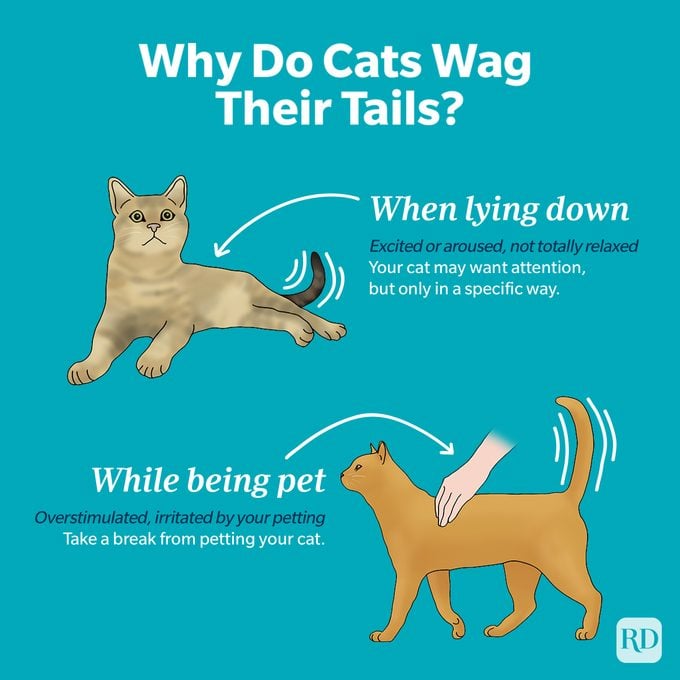
The tail shows a cat’s mood clearly. A high tail means confidence and happiness. A low or tucked tail signals fear or submission. Quick tail flicks suggest irritation or excitement. A slow, gentle swish usually means the cat is relaxed but alert.
Ear Positions
Ears point in the direction of focus. Forward ears show curiosity or interest. Flattened ears indicate fear or anger. Sideways or rotating ears mean the cat is unsure or listening carefully. Watching ear positions helps you understand your cat’s feelings.
Vocal Sounds
Cats use different sounds to communicate. A soft purr means contentment. A loud meow can signal hunger or demand attention. Hissing or growling warns of discomfort or threat. Chirps and trills are usually greetings or invitations to play.
Body Posture
Body posture reveals emotions clearly. An arched back with fur standing up shows fear or aggression. A relaxed body with stretched legs means comfort. Crouching low indicates stress or readiness to flee. Watching posture helps read your cat’s mood quickly.
Signs Of Happiness
Recognizing when your cat is happy can deepen your bond and improve how you care for them. Cats don’t always show happiness with obvious signs like dogs do. Instead, their joy often comes through subtle actions that you can learn to spot with a little attention.
Purring Patterns
Purring is a classic sign of a content cat, but not all purrs are the same. A steady, rhythmic purr usually means your cat feels safe and relaxed. Have you noticed your cat purring louder when you pet them gently? That’s their way of saying they appreciate your touch.
Sometimes, cats purr when they’re anxious or in pain, so watch for other signs to confirm happiness. If the purring comes with soft body language and relaxed ears, you’re likely seeing a happy cat.
Kneading Actions
When your cat presses their paws into a soft surface repeatedly, it’s called kneading. This behavior traces back to kittenhood when they stimulated their mother’s milk flow. Seeing your cat knead on your lap or blanket means they feel secure and comfortable around you.
Notice how their claws gently flex and release during kneading? It’s a sign of trust, especially if they do it while purring. Next time your cat kneads you, take it as a compliment—they’re showing they feel at home with you.
Slow Blinking
Slow blinking is like a cat’s version of a smile. When your cat looks at you and slowly closes and opens their eyes, they’re showing affection and trust. Try slow blinking back and see if your cat responds—it can strengthen your connection.
If your cat holds eye contact and slow blinks, it means they’re relaxed and feel safe in your presence. Could this be your cat’s secret way of saying “I love you”?
Indicators Of Stress
Recognizing stress in your cat is crucial to ensuring their well-being. Cats often hide their discomfort, making it tricky to spot when they’re anxious or overwhelmed. Paying attention to subtle changes in their behavior can help you intervene early and create a calm environment for your furry friend.
Hiding Spots
Your cat may suddenly seek out new or unusual hiding places if they feel stressed. They might choose spots that seem odd or hard for you to reach, like under the bed or behind furniture. Have you noticed your cat avoiding their usual hangouts? This shift often signals they are trying to escape something that’s troubling them.
Encourage your cat to come out by gently offering treats or sitting quietly nearby. Avoid forcing interaction, as this can increase their stress. Creating safe, cozy spaces around your home where your cat can retreat comfortably makes a big difference.
Aggressive Gestures
Stress can cause even the friendliest cats to show aggression. This might look like hissing, swatting, or sudden biting when you approach or try to handle them. Does your cat’s mood change quickly without a clear reason? It’s important to see these behaviors as cries for help, not just bad manners.
Respond calmly and give your cat space to calm down. Using interactive toys can redirect their energy and reduce tension. Understanding the triggers behind their aggression will help you avoid those situations in the future.
Excessive Grooming
Have you spotted bald patches or raw skin on your cat? Excessive grooming is a common stress indicator. Cats often lick or chew themselves to soothe anxiety, but this can lead to skin problems if unchecked.
Observe if your cat spends more time grooming than usual, especially in one area. Offering more playtime and mental stimulation can reduce this behavior. If it persists, consulting a vet is key to rule out medical issues and discuss stress relief options.
Understanding Play Behavior
Understanding your cat’s play behavior reveals a lot about their personality and needs. Play isn’t just fun for cats—it’s essential for their mental and physical health. Watching how your cat plays can help you spot what excites them, what calms them, and even what might stress them out.
Chasing And Pouncing
Chasing and pouncing are natural hunting instincts in cats. You might notice your cat suddenly sprinting after a moving shadow or a toy. This behavior sharpens their reflexes and keeps their mind active.
Have you ever seen your cat freeze before a quick pounce? That moment of stillness shows intense focus. It’s their way of practicing precision, which is crucial in the wild for catching prey.
Interactive Play
Interactive play with you strengthens your bond and provides mental stimulation. Using wand toys or laser pointers invites your cat to chase and jump, mimicking hunting scenarios. It also helps reduce boredom and prevent destructive behavior.
Try setting aside short, frequent play sessions. Cats often prefer bursts of activity over long, tiring exercises. Notice how your cat reacts; if they lose interest quickly, switch toys or play styles to keep them engaged.
Toy Preferences
Not all toys appeal to every cat. Some prefer soft, plush toys to carry around, while others love noisy, crinkly ones. Your cat’s preferences can tell you about their personality and energy levels.
- Does your cat prefer small, lightweight toys they can bat around?
- Are they drawn to toys that mimic prey sounds or movements?
- Do they enjoy solitary play, or do they seek your involvement?
Pay attention to the toys your cat ignores—this helps you avoid wasting money. Offering a variety of toys and observing their choices can guide you in creating the perfect play environment.
Communication Through Eyes
Your cat’s eyes are more than just beautiful features—they are powerful tools of communication. Understanding how your feline friend uses their eyes can reveal much about their mood and intentions. Paying close attention to subtle changes can help you connect with your cat on a deeper level.
Dilation And Constriction
Have you noticed your cat’s pupils suddenly getting very large or shrinking to tiny slits? Pupil size changes depending on light, but also on emotional state. Wide, dilated pupils often mean excitement, fear, or curiosity, while constricted pupils can indicate aggression or intense focus.
For example, if your cat’s eyes widen during playtime, it shows they are alert and engaged. But if their pupils dilate when you approach suddenly, they might be feeling scared. Watching these changes helps you respond appropriately to their feelings.
Eye Contact
Direct eye contact with cats can be tricky. Unlike humans, cats might see prolonged staring as a threat. However, brief eye contact can be a sign of trust and interest.
Try holding your gaze softly and then look away slowly. This “cat kiss” can build trust and show you mean no harm. Have you ever noticed your cat looking at you and then blinking slowly? That’s a good sign they feel comfortable with you.
Blinking Signals
Cats use blinking to communicate calmness and affection. Slow blinking, sometimes called a “cat wink,” signals that your cat feels safe around you. It’s like they are saying, “I trust you.”
You can return this gesture by slowly blinking back. This simple action can deepen your bond and reduce your cat’s stress. Next time your cat stares at you, try slow blinking and observe their reaction—you might be surprised by the warmth it creates.
Body Language During Hunting Mode
Understanding your cat’s body language during hunting mode reveals a lot about their natural instincts and focus. When your feline friend switches into this mode, their entire body becomes a tool for capturing prey. Observing these subtle cues can help you connect with your cat on a deeper level and even predict their next move.
Stalking Posture
When your cat is stalking, their body lowers close to the ground, muscles tense and ready to spring. Their ears point forward, eyes locked on the target with an intense gaze. You might notice their whiskers push forward slightly, helping them sense the environment as they get closer to their ‘prey.’
I once watched my cat silently crouch behind a toy mouse, barely moving a muscle. That perfect stalking posture showed how focused and patient they can be. Have you seen your cat freeze like that before a playful pounce?
Tail Twitching
One of the most fascinating signs of hunting mode is tail twitching. Unlike a relaxed tail, this twitch is sharp and quick, often signaling excitement or concentration. It’s a small, almost rhythmic flick that shows your cat is mentally preparing for the final strike.
Notice if your cat’s tail twitches when they’re eyeing a bird outside the window or a toy on the floor. This tiny movement can tell you exactly how engaged they are in the chase.
Silent Movements
Silent, deliberate movements are key during hunting. Cats step lightly, with padded paws that muffle each step to avoid alerting their target. Their bodies glide smoothly, showing remarkable control and balance.
Have you ever marveled at how your cat moves so quietly yet swiftly? This silence is part of what makes them such skilled hunters—even indoors. Try watching closely next time; you’ll spot their careful, almost ghost-like steps.
How To Respond To Your Cat’s Emotions
Understanding your cat’s feelings helps build a strong bond. Cats express emotions through body language, sounds, and actions. Your response shapes their behavior and comfort.
Recognizing signs of stress, happiness, or fear allows you to act kindly. Reacting with patience supports their emotional health. Learn simple ways to calm and encourage positive habits.
Calming Techniques
Speak softly to soothe your cat. Slow, gentle movements reduce anxiety. Offer a quiet space away from noise and bright lights.
- Use soft petting on the head or chin.
- Provide a cozy bed or blanket for comfort.
- Play calming music designed for cats.
- Use pheromone sprays or diffusers to ease stress.
Encouraging Positive Behavior
Reward good actions with treats or praise. Create a routine for feeding and playtime. Use toys to stimulate mental and physical activity.
- Give treats only for desired behavior.
- Keep play sessions short but frequent.
- Use clicker training to reinforce commands.
- Offer affection during calm moments.
Avoiding Common Mistakes
Never punish your cat for fear or mistakes. Avoid loud noises or sudden movements. Don’t force interactions when your cat hides or backs away.
- Ignoring signs of distress can worsen behavior.
- Overstimulation leads to biting or scratching.
- Using your hands as toys confuses your cat.
- Skipping vet visits can miss health issues affecting mood.
Credit: www.lemon8-app.com
Changes To Watch For
Noticing changes in your cat’s behavior can be your best clue that something important is happening. Cats often hide discomfort or stress, so you need to be alert to subtle shifts. Watching carefully can help you catch problems early and improve your cat’s well-being.
Behavioral Shifts
Has your usually playful cat suddenly withdrawn or stopped responding to your calls? Changes like increased aggression, hiding more, or losing interest in favorite toys can signal stress or illness.
Sometimes, a cat might start meowing loudly or at odd times, which can indicate anxiety or confusion. Pay attention to changes in sleep patterns or grooming habits too. If your cat stops grooming, it might feel unwell or depressed.
Health-related Signs
Look for physical clues like sudden weight loss, changes in appetite, or unusual litter box habits. Straining to urinate or frequent accidents outside the litter box can indicate urinary problems.
Other signs include coughing, sneezing, or difficulty breathing. Even small changes like excessive drooling or limping should not be ignored. These might seem minor but could point to bigger health issues.
When To Consult A Vet
If you notice any of these changes lasting more than a day or two, it’s time to talk to your vet. Don’t wait for clear signs of illness—early intervention can prevent complications.
Trust your instincts. If your cat behaves “off” and nothing seems to improve, a professional check-up is worth it. Would you want to wait if a friend showed these signs? Your cat deserves the same care.

Credit: www.youtube.com
Frequently Asked Questions
What Does A Cat’s Purring Really Mean?
Purring usually indicates contentment or comfort in cats. Sometimes, cats purr when stressed or in pain to soothe themselves.
Why Do Cats Knead With Their Paws?
Cats knead to show affection and mark territory with scent glands in paws. It also comforts them, reminding kitten nursing.
What Does A Cat’s Tail Position Indicate?
A raised tail often shows friendliness and confidence. A low or tucked tail signals fear or submission in cats.
Why Do Cats Suddenly Sprint Around The House?
Sudden sprints, known as “zoomies,” release pent-up energy. It’s a natural, playful behavior, especially in indoor cats.
Conclusion
Understanding cat behavior helps build a stronger bond. Cats show feelings through actions and sounds. Paying attention to their body language is key. It helps you know when they are happy or upset. Respecting their signals makes them feel safe.
Every cat is unique and may act differently. Patience and care improve your relationship with your pet. Enjoy learning what your cat tries to tell you. This knowledge makes living with cats more joyful. Keep observing and loving your furry friend daily.
