

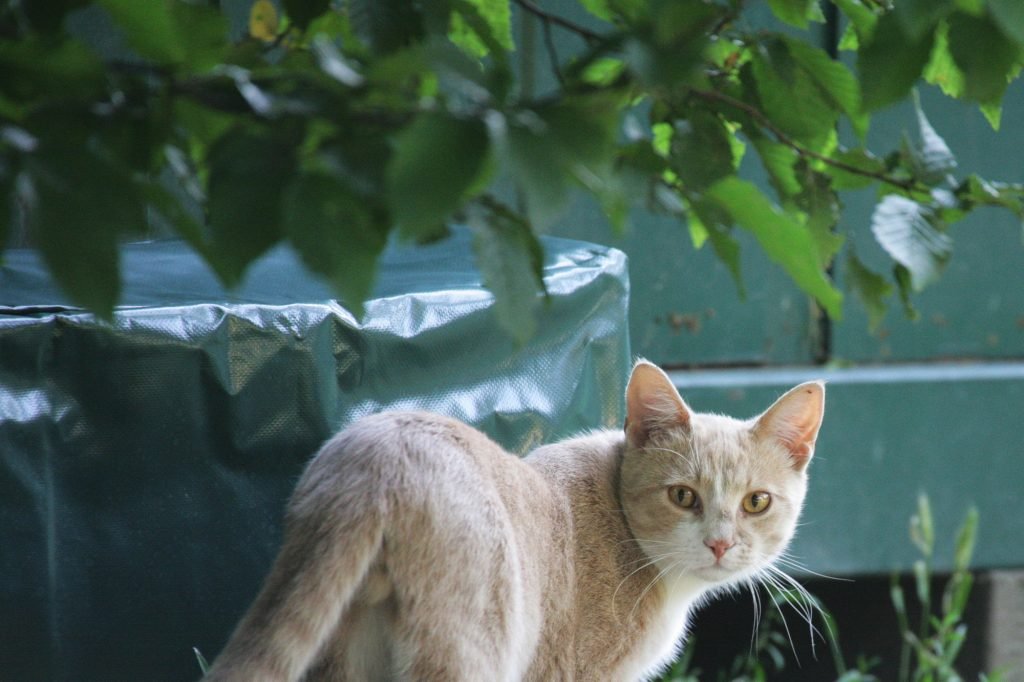
Have you ever wondered why your cat suddenly hisses at the neighbor’s cat from the window or why they seem to claim every corner of your home as their own? You’re not alone.
Understanding your cat’s territorial behavior can be both fascinating and essential for maintaining a peaceful home. Cats, by nature, are territorial creatures. Their instinct to claim and defend their space can influence their behavior in surprising ways. By diving into the intriguing world of feline territory, you can learn how to create a harmonious environment for your furry friend and prevent unwanted conflicts.
Stick around to discover the secrets behind your cat’s territorial instincts and how you can make your home a happier place for both you and your feline companion.
Cat Territory Basics
Cats are natural-born defenders of their space. Their territorial behavior helps them feel safe and secure. Understanding their territory basics reveals why cats act protective and sometimes aggressive. A cat’s territory is more than just a place to live. It is their world, filled with scents and boundaries that they guard carefully.
What Defines A Cat’s Territory
A cat’s territory includes the area they claim for food, rest, and play. It can be indoors, outdoors, or both. The territory is shaped by the cat’s needs and environment. It is a familiar space where the cat feels confident and in control.
Within this space, cats mark spots with scents to show ownership. They also watch for other animals and defend their zone if needed. Territory helps cats reduce stress and avoid conflicts.
Territory Size Variations
Territory size depends on the cat’s personality, age, and environment. Some cats prefer small, cozy areas. Others need large spaces to roam freely. Outdoor cats usually have bigger territories than indoor cats.
Male cats often claim larger areas than females. Food availability and population density also affect territory size. In crowded places, cats keep their territories smaller to avoid fights.
Scent Marking Methods
Cats use several ways to mark their territory with scent. This behavior helps them communicate with other cats. Common scent marking methods include:
- Rubbing their face and body on objects
- Scratching surfaces to leave scent from paw glands
- Spraying urine on vertical surfaces
These scent marks tell other cats to stay away or signal friendliness. Scent marking is natural and crucial for a cat’s sense of security.
Signs Of Territorial Behavior
Recognizing the signs of territorial behavior in your cat helps you understand their needs and emotions better. Cats use various signals to claim and protect their space, which might seem confusing if you don’t know what to look for. Spotting these behaviors early can prevent conflicts and keep your feline friend comfortable and secure.
Vocalizations And Body Language
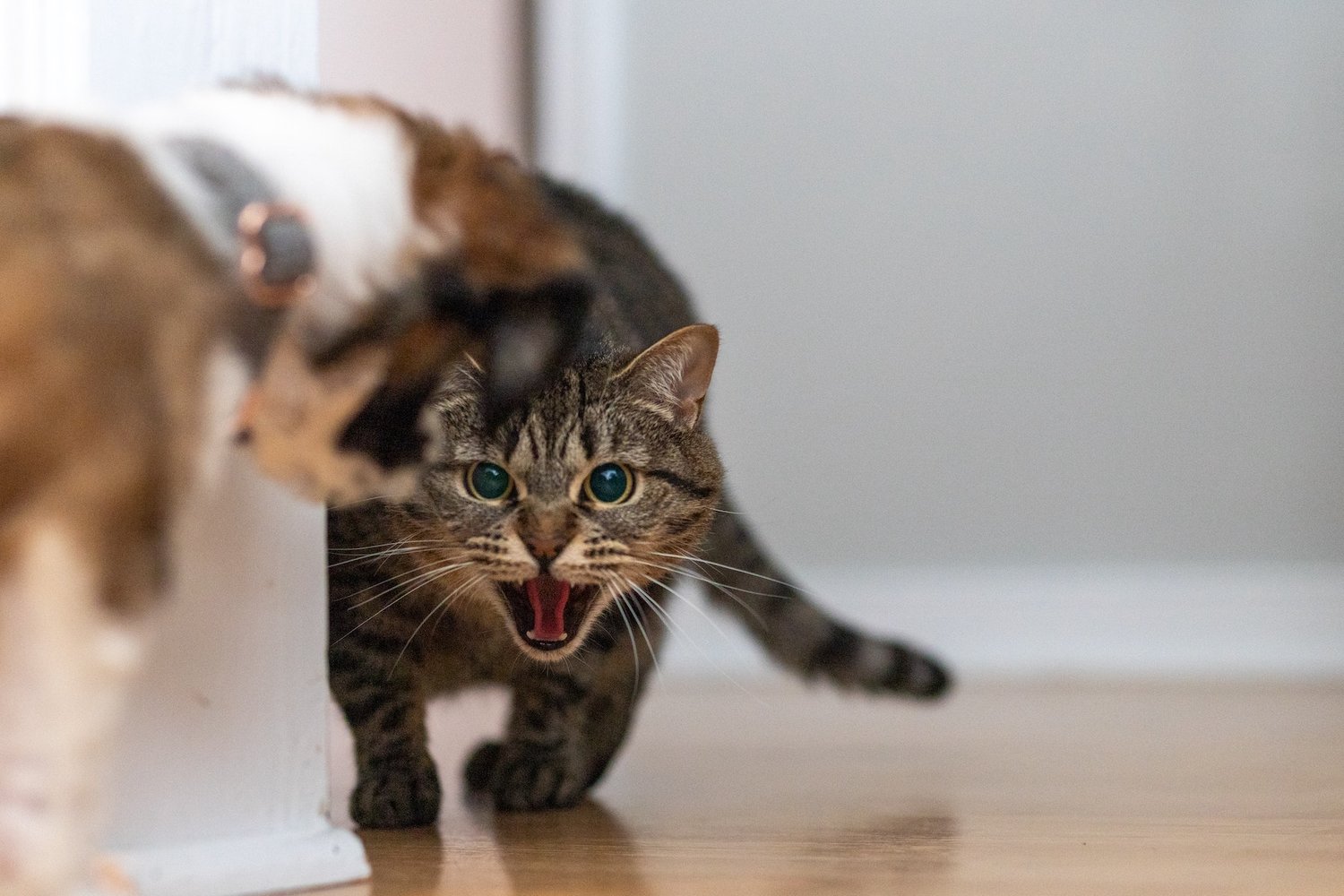
Your cat’s voice can reveal a lot about their territorial feelings. You might hear loud yowls, hisses, or growls when they feel their space is threatened.
Watch their body too: an arched back, puffed-up tail, or flattened ears often mean your cat is ready to defend their territory. Have you noticed your cat suddenly staring intently at a particular spot or person? That focus often signals territorial alertness.
Marking And Scratching Habits
Scratching isn’t just about keeping claws sharp—it’s a way cats mark their area visually and with scent glands in their paws. You might find scratched furniture or door frames, which means your cat is laying claim.
Spraying or rubbing their face on objects also leaves scent markers. These habits tell you where your cat considers “their” space in your home.
Aggression And Defensive Actions
Territorial cats may show aggression toward other pets or strangers entering their space. This could be chasing, swatting, or even biting.
Defensive actions like hiding or sudden attacks happen when your cat feels cornered or overwhelmed. Have you seen your cat’s mood shift quickly when a new person or animal arrives? That’s their territorial instinct kicking in.
Factors Influencing Territory
Cats mark and defend their territory for many reasons. Various factors influence how large or small their territory will be. These factors also affect how fiercely cats protect their space. Understanding these influences helps in managing cat behavior better.
Age And Personality
Young cats often explore more and have smaller territories. Older cats may claim larger or more stable areas. Personality plays a big role too. Some cats are bold and defend their space strongly. Others are shy and less territorial. Each cat’s nature shapes its territory habits.
Environment And Space
Indoor cats usually have smaller territories limited to rooms or the house. Outdoor cats roam wider areas, including yards or neighborhoods. Crowded or noisy environments can cause cats to shrink their territory. Quiet and spacious places allow cats to expand their space freely.
Presence Of Other Pets
Other pets in the home affect a cat’s territory size and behavior. Cats may become more territorial if other cats live nearby. Dogs can also influence territory, sometimes making cats more cautious. Proper introductions and space sharing reduce conflicts and stress.
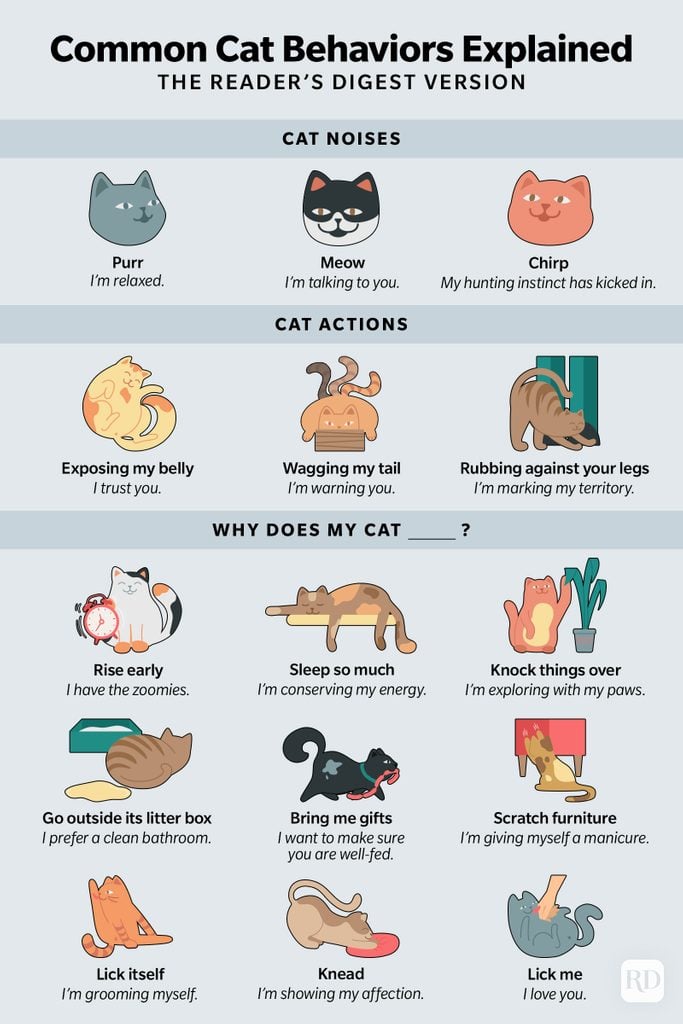
Credit: www.rd.com
Managing Indoor Territories
Managing indoor territories is essential for keeping your cats comfortable and reducing stress. Cats naturally guard their space, so understanding how to manage their indoor environment can prevent fights and create harmony. You can take simple steps to help your cats feel secure without letting territorial issues take over your home.
Creating Personal Spaces
Each cat needs its own space where it feels safe and relaxed. Offer separate resting spots like cozy beds or high shelves for each cat to retreat to. Cats often prefer vertical spaces, so adding cat trees or window perches can help them claim their own area.
Think about feeding stations too. Placing food and water bowls in different rooms or corners helps avoid competition and stress. Have you noticed your cats eating away from each other? That’s a good sign they feel secure in their personal zones.
Using Pheromone Products
Pheromone diffusers and sprays mimic the natural scents cats use to mark safe places. These products can calm your cats and reduce territorial aggression indoors. Plug-in diffusers work well in common areas where your cats spend time together.
Use sprays on bedding or furniture to reinforce comfort zones. I once used a pheromone diffuser during a move, and it helped my cats settle quickly without fights. Could this be a simple fix for your cats’ tension?
Preventing Territorial Conflicts
Watch for signs of tension like hissing, growling, or blocking doorways. Intervene early by distracting your cats with toys or treats. Avoid punishing them as it can increase stress and worsen conflicts.
Provide plenty of enrichment and playtime to reduce boredom and aggression. Rotating toys and introducing puzzle feeders keeps your cats mentally engaged and less focused on territorial disputes. Have you tried scheduled play sessions to ease tensions between your cats?
Handling Outdoor Boundaries
Handling outdoor boundaries is key for cats that love to roam. Setting clear limits helps keep your cat safe and happy. It also protects your property and neighbors’ space. Understanding how to manage these boundaries improves your cat’s outdoor experience.
Safe Exploration Areas
Create specific zones for your cat to explore freely. These areas should be secure and free from hazards. Use fences or cat enclosures to mark safe zones. Include hiding spots and climbing structures to keep your cat engaged. Check the area regularly for dangers like sharp objects or toxic plants.
Managing Stray Cat Encounters
Stray cats often invade your cat’s territory, causing stress and fights. Discourage strays by removing food sources outside. Use motion-activated lights or gentle repellents near boundaries. Watch your cat’s behavior for signs of anxiety or aggression. Separate cats if fights occur, to prevent injuries.
Balancing Freedom And Safety
Let your cat enjoy outdoor freedom without risking harm. Supervise your cat during outdoor time when possible. Use harnesses and leashes for controlled exploration. Train your cat to respond to call commands. Provide indoor stimulation to reduce outdoor urges. This balance keeps your cat safe and content.
Behavioral Training Tips
Training a cat to manage territorial behavior requires patience and clear techniques. Understanding your cat’s natural instincts helps in shaping better habits. Consistent training can reduce stress and prevent conflicts.
Using the right approach makes learning easier for your cat. Here are some effective behavioral training tips to help your cat feel secure and calm.
Positive Reinforcement Techniques
Reward good behavior with treats or praise immediately. This helps your cat associate positive feelings with calm actions. Use a soft voice and gentle petting to show approval. Avoid punishment, as it can increase fear and aggression.
- Give small treats after calm behavior
- Use clicker sounds to mark good actions
- Repeat rewards often to build habits
Redirecting Aggression
Interrupt aggressive actions by gently distracting your cat. Use toys or playtime to shift focus away from threats. Offer scratching posts or interactive toys to release energy safely. Avoid hands or feet as play objects to prevent biting habits.
- Wave a toy to draw attention
- Move your cat to a quiet spot
- Encourage gentle play with preferred toys
Establishing Routine And Consistency
Cats feel safe with a steady daily schedule. Feed and play at the same times every day. Keep sleeping and resting areas unchanged and quiet. Consistent routines lower anxiety and reduce territorial disputes.
- Set fixed feeding times
- Create regular play sessions
- Maintain quiet spaces for rest
When To Seek Veterinary Advice
Understanding when to seek veterinary advice is crucial for cats showing territorial behavior. Some signs point to stress or health problems. Ignoring these signals can worsen your cat’s condition. Early attention helps keep your cat happy and healthy.
Signs Of Stress Or Anxiety
- Excessive scratching or biting at fur
- Hiding more than usual
- Aggression toward family or other pets
- Loss of appetite or changes in eating habits
- Loud vocalizations or yowling
- Frequent urination outside the litter box
Behavioral Changes To Monitor
- Sudden withdrawal or less social interaction
- Repeated marking of territory indoors
- Unusual restlessness or pacing
- Changes in grooming habits
- Destructive behavior around the home
Professional Help Options
- Visit a veterinarian for a health check-up
- Consult a veterinary behaviorist for specialized advice
- Consider medication if recommended by a vet
- Try environmental enrichment suggested by professionals
- Join training or behavior modification classes
Credit: www.ministryofcat.com

Credit: www.four-paws.org
Frequently Asked Questions
What Is Cats Territorial Behaviour?
Cats territorial behaviour involves marking and defending areas they consider theirs. This helps them feel safe and secure. They use scent marking, scratching, and vocalizing to claim territory. Territorial behaviour varies by cat personality and environment.
Why Do Cats Mark Their Territory?
Cats mark territory to communicate ownership and reduce conflicts. They use scent glands on their paws, face, and tail for marking. This behaviour helps them establish boundaries with other cats and maintain a safe environment.
How Can I Reduce Territorial Aggression In Cats?
To reduce territorial aggression, provide separate resources like food bowls and litter boxes. Gradually introduce new cats and use pheromone sprays. Create vertical spaces and safe hiding spots to lower stress and territorial disputes.
Do Indoor Cats Exhibit Territorial Behaviour?
Yes, indoor cats display territorial behaviour by marking furniture and windows. They defend their space from other pets or outside animals. Providing enrichment and multiple resting areas helps reduce territorial stress indoors.
Conclusion
Cats mark their space to feel safe and in control. This behavior helps them avoid conflicts with other animals. Understanding their territorial habits can improve your bond with them. Respect their space and watch for signs of stress or aggression.
A calm cat feels happier and more secure at home. Remember, each cat shows territory in its own way. Patience and care make living with cats easier and more fun. Territorial behavior is natural, not a problem to fix. Embrace their nature to enjoy a peaceful home together.
