


Does your usually sweet feline companion suddenly turn into a little tiger, hissing and swatting for no apparent reason? You’re not alone.
Aggressive behavior in cats is a common concern for many cat owners. But understanding why your cat acts out is the first step toward creating a peaceful home. Imagine transforming those tense moments into loving interactions. Intrigued? Keep reading to uncover the secrets behind your cat’s aggression and learn simple techniques to restore harmony in your home.
You’ll discover tips that make a difference, even if you’ve tried everything before. Unlock the mystery of your cat’s behavior and take the first step to a more understanding and harmonious relationship today.
Causes Of Aggression
Aggressive behaviour in cats can puzzle many owners. Understanding why a cat acts aggressively helps in managing and reducing these behaviours. Several causes can trigger aggression, ranging from natural instincts to health problems. Identifying the root cause is key to providing the right care and response.
Genetic Factors
Some cats inherit aggressive traits from their parents. Certain breeds have a higher tendency towards bold or aggressive behaviour. These traits can be part of their natural character and affect how they interact with people and other animals.
Health Issues
Illness or pain can make a cat more irritable and aggressive. Conditions like arthritis, dental problems, or infections often cause discomfort. Cats may react aggressively to protect themselves from further pain or stress.
Environmental Triggers
Changes in a cat’s environment can cause stress and aggression. New pets, loud noises, or moving to a new home can upset a cat. Crowded spaces or lack of hiding spots can also increase aggressive responses.
Fear And Anxiety
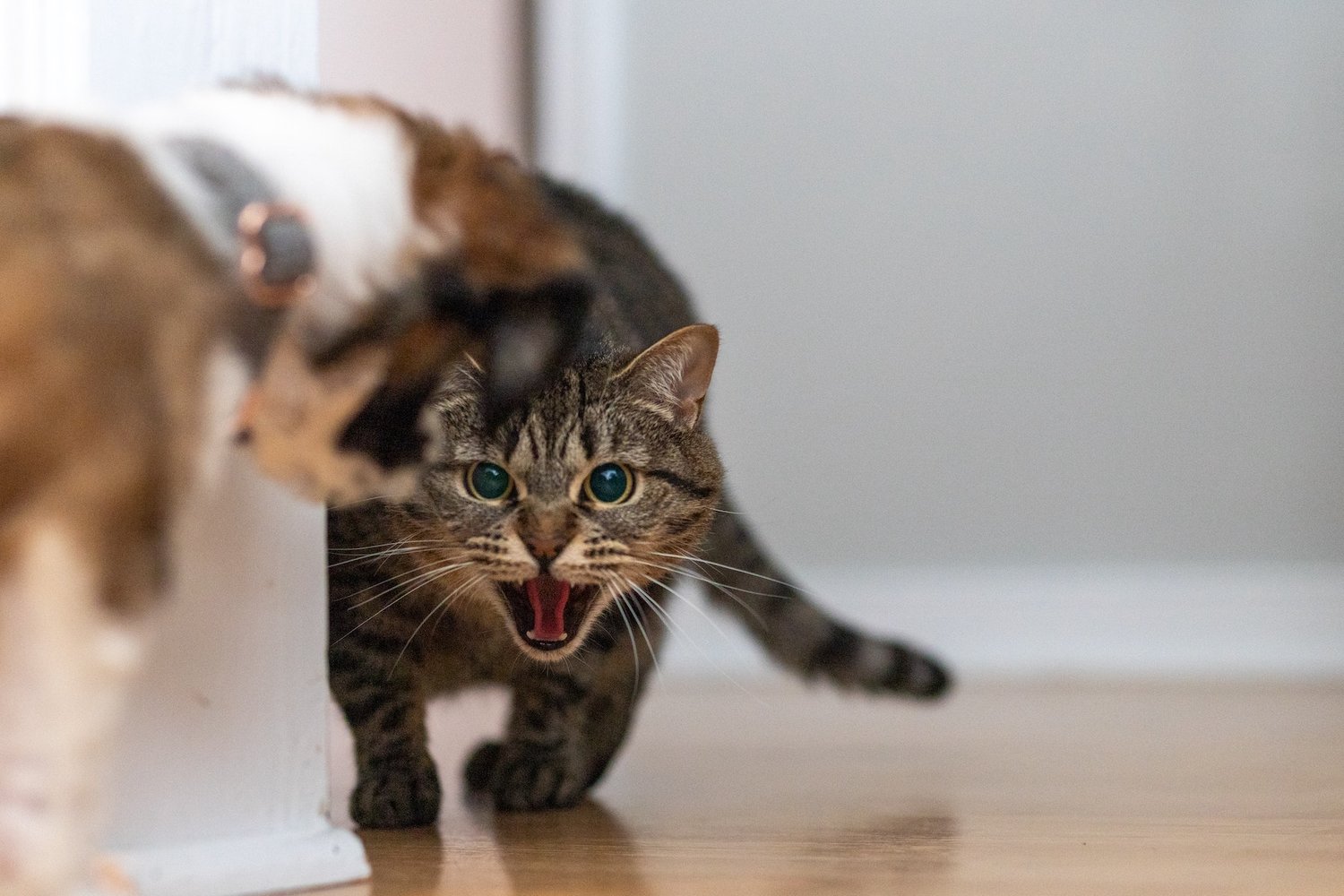
Fear is a common trigger for aggression in cats. When scared, cats may hiss, scratch, or bite to defend themselves. Anxiety from past trauma or unfamiliar situations can make a cat more prone to aggressive acts.
Territorial Behavior
Cats are naturally territorial animals. They may show aggression to protect their space from other animals or people. Marking territory and defending it is instinctual and often leads to confrontations.
Credit: www.ministryofcat.com
Types Of Aggressive Behavior
Aggressive behavior in cats can take many forms, each with its own triggers and meanings. Understanding the different types helps you respond appropriately and keep your feline friend calm and safe. Recognizing these behaviors early also prevents escalation and strengthens your bond.
Play Aggression
Play aggression looks like rough play but can sometimes hurt. Cats may chase, bite, or scratch during play, especially young cats or those with high energy. If your cat suddenly bites your hand while playing, it’s likely because they’re practicing hunting skills.
To manage this, redirect their energy to toys like feather wands or laser pointers. Does your cat have enough outlets for their playful energy?
Redirected Aggression
Redirected aggression happens when a cat is upset by something they can’t reach. For example, if your cat sees another cat outside but can’t get to it, they might lash out at you or a nearby pet. It’s like their frustration is being misdirected.
Try to remove the trigger or give your cat a quiet space to calm down. Have you noticed your cat acting out after watching wildlife from a window?
Fear-induced Aggression
Cats often use aggression as a defense when they feel scared or threatened. This might look like hissing, growling, or swatting when approached suddenly. Fear aggression is a warning sign that your cat needs space.
Approach your cat slowly and avoid forcing interaction. Can you spot signs of fear before your cat reacts aggressively?
Petting-induced Aggression
Some cats seem calm but suddenly bite or scratch during petting. This type of aggression can confuse owners because the cat seemed relaxed moments before. It’s often caused by overstimulation or sensitive spots.
Pay attention to your cat’s body language, such as tail flicks or skin twitches, to stop petting before aggression starts. Have you ever been caught off guard by a petting bite?
Maternal Aggression
Mother cats can become highly protective when they have kittens. They may hiss, swipe, or even attack if they sense a threat to their babies. This behavior is normal but requires careful handling to avoid stress for both mom and kittens.
Give the mother cat space and limit visitors during this time. How do you ensure a safe environment for a mother cat and her litter?
Recognizing Aggression Signs
Recognizing signs of aggression in cats helps keep everyone safe. Cats show aggression differently. Spotting these signs early can prevent bites or scratches. Watch your cat closely. Notice how they move, sound, and act around others.
Body Language Cues
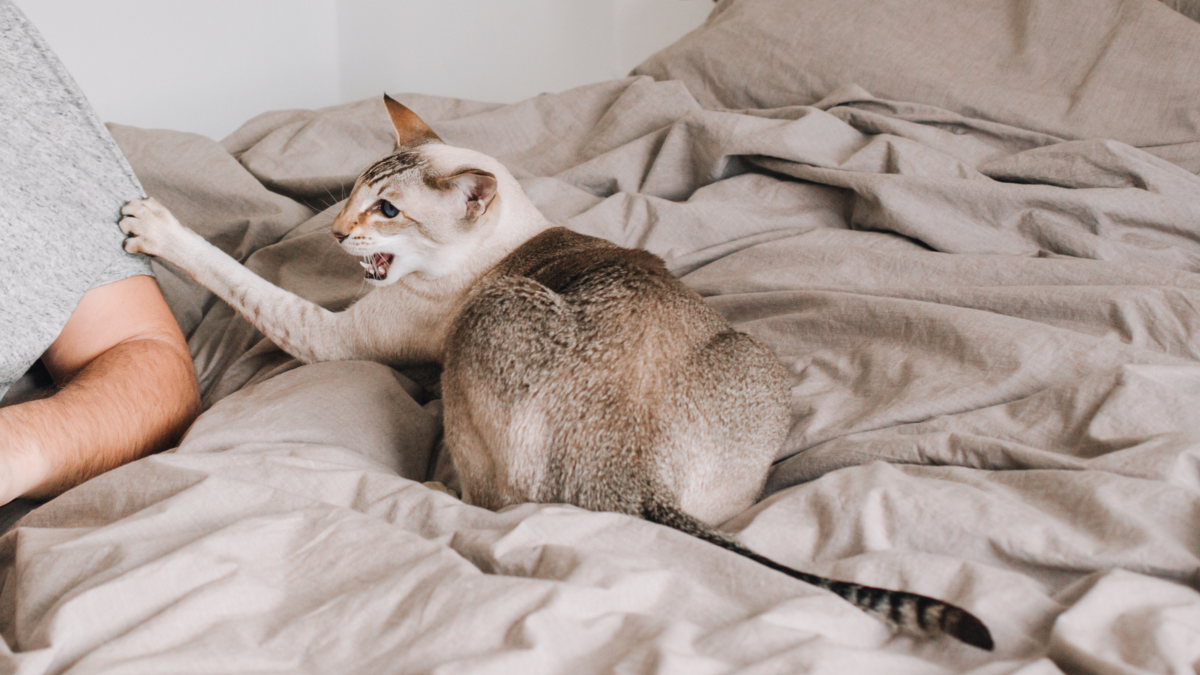
Body language tells a lot about a cat’s mood. An aggressive cat may:
- Arch its back
- Flatten its ears against the head
- Flick or twitch its tail sharply
- Show raised fur along the spine
- Stare directly without blinking
- Display tense muscles
These signals warn others to stay away. Understanding them helps avoid conflict.
Vocalizations
Sounds reveal a cat’s feelings clearly. Aggressive cats often hiss or growl. They may also:
- Snarl with bared teeth
- Emit sharp, loud yowls
- Make low, rumbling sounds
These noises warn others to back off. Listening carefully can prevent surprises.
Behavioral Patterns
Certain actions show an aggressive mindset. Watch for:
- Sudden swipes or lunges
- Blocking paths or cornering people
- Refusing to move or hiding aggressively
- Repeated staring or stalking
- Increased biting during play
Recognizing these patterns helps manage aggressive behavior early.
Credit: pethelpful.com
Preventing Aggressive Outbursts
Preventing aggressive outbursts in cats starts with understanding what triggers their behavior and taking steps to reduce stress and frustration. Aggression often arises when a cat feels threatened, bored, or overwhelmed. Creating an environment that promotes calm and security can make a significant difference in your cat’s mood and reactions.
Creating A Safe Environment
Your cat needs a space where it feels secure and in control. Avoid loud noises and sudden movements that might startle them. Providing hiding spots like covered beds or boxes lets your cat retreat when it feels anxious.
Consider the layout of your home—cats like vertical spaces such as shelves or cat trees where they can observe without feeling cornered. Have you noticed how your cat reacts when strangers visit? Minimizing exposure to stressful situations can prevent aggressive behavior.
Socialization Techniques
Early and gentle socialization helps cats become comfortable with people and other animals. If your cat is older or shy, introduce new experiences slowly and at their own pace. Reward calm behavior with treats or affection to encourage positive associations.
Try interactive play using toys like wand teasers to build trust and reduce fear. Have you tried letting your cat approach new friends instead of forcing interaction? Giving them control over social encounters reduces stress and aggression.
Routine And Enrichment
Cats thrive on routine. Feeding, playtime, and quiet time at consistent hours help your cat feel secure. Disruptions in their daily schedule can increase anxiety and lead to outbursts.
Keep your cat mentally and physically stimulated with puzzles, climbing structures, and varied toys. Rotate toys regularly to maintain interest. What creative ways have you found to keep your cat entertained? Boredom often triggers frustration and aggressive reactions, so staying proactive can prevent problems before they start.
Managing Aggressive Cats
Managing aggressive cats requires patience and consistent effort. Aggression can stem from fear, pain, or territorial issues. Understanding the cause helps in applying the right approach. Calm and steady actions reduce stress for both you and your cat. Here are some effective ways to manage aggressive behavior.
Behavioral Training
Behavioral training helps your cat learn acceptable actions. Use positive reinforcement by giving treats or praise when your cat behaves calmly. Avoid punishment; it can increase fear and aggression. Redirect aggressive energy with toys to prevent biting or scratching. Create a routine to make your cat feel secure and less anxious.
Using Deterrents
Deterrents discourage aggressive actions safely. Use safe sprays or scents cats dislike near problem areas. Provide scratching posts to reduce frustration from clawing furniture. Avoid loud noises that may scare your cat and worsen aggression. Gentle deterrents work best to change unwanted behavior without stress.
Professional Help
Veterinarians or animal behaviorists offer expert guidance. They can identify medical issues causing aggression. Professionals suggest tailored behavior modification plans. Sometimes medication helps calm extreme aggression. Seeking professional help ensures your cat’s safety and well-being.
Medical Treatments And Remedies
Dealing with aggressive behaviour in cats can be challenging, but understanding the medical treatments and remedies available can make a big difference. Sometimes, aggression stems from underlying health issues or chemical imbalances that need professional attention. Knowing the right steps to take can help you support your cat’s well-being and improve their behaviour effectively.
Veterinary Checkups
Regular veterinary checkups are essential when your cat shows signs of aggression. A vet can identify if pain, illness, or hormonal changes are causing your cat to act out. For example, arthritis or dental problems might make your cat irritable and prone to biting or scratching.
Don’t hesitate to share detailed observations with your vet. Mention when the aggression occurs and any triggers you notice. This helps your vet diagnose and recommend the best treatment plan for your cat’s specific needs.
Medication Options
In some cases, medication can help reduce aggressive behaviour. Your vet might prescribe anti-anxiety drugs or mood stabilizers to calm your cat. These medications can make a big difference, especially if aggression is linked to stress or neurological issues.
Always follow the vet’s dosage instructions carefully. Keep a close eye on your cat’s response to the medication and report any side effects. Medication works best when combined with behavioural changes and environmental adjustments.
Natural Therapies
Natural therapies can complement medical treatments and provide relief without harsh side effects. Options like pheromone diffusers, herbal supplements, and calming collars may soothe your cat’s nerves. I once saw a cat’s aggressive outbursts drop significantly after introducing a feline pheromone diffuser at home.
Consider adding environmental enrichment, such as interactive toys or safe outdoor time, to reduce frustration. Have you tried simple changes like soft music or gentle massage to see if they relax your cat? These small, natural remedies might surprise you with their effectiveness.

Credit: www.hoofandpawvets.com
Frequently Asked Questions
What Causes Aggressive Behaviour In Cats?
Aggressive behaviour in cats can stem from fear, pain, territorial disputes, or stress. Understanding triggers helps manage and reduce aggression effectively.
How Can I Stop My Cat’s Aggressive Behaviour?
Identify the cause and avoid triggers. Use positive reinforcement, provide safe spaces, and consult a vet for persistent aggression.
Is Aggressive Behaviour Normal In Cats?
Yes, some aggression is natural, especially in stressed or threatened cats. However, excessive aggression may indicate underlying issues requiring attention.
Can Illness Cause Aggression In Cats?
Yes, pain or illness often leads to aggression. A vet checkup is essential to rule out medical causes and ensure proper treatment.
Conclusion
Cats show aggression for many reasons. Understanding these signs helps keep everyone safe. Stay calm and patient when your cat acts out. Offer plenty of playtime and attention to reduce stress. Consult a vet if aggressive behavior continues or worsens.
Remember, gentle care can change your cat’s mood. Every cat is unique and needs love and respect. Small steps make a big difference in your cat’s behavior. Keep learning to build a happy, peaceful home with your cat.
