

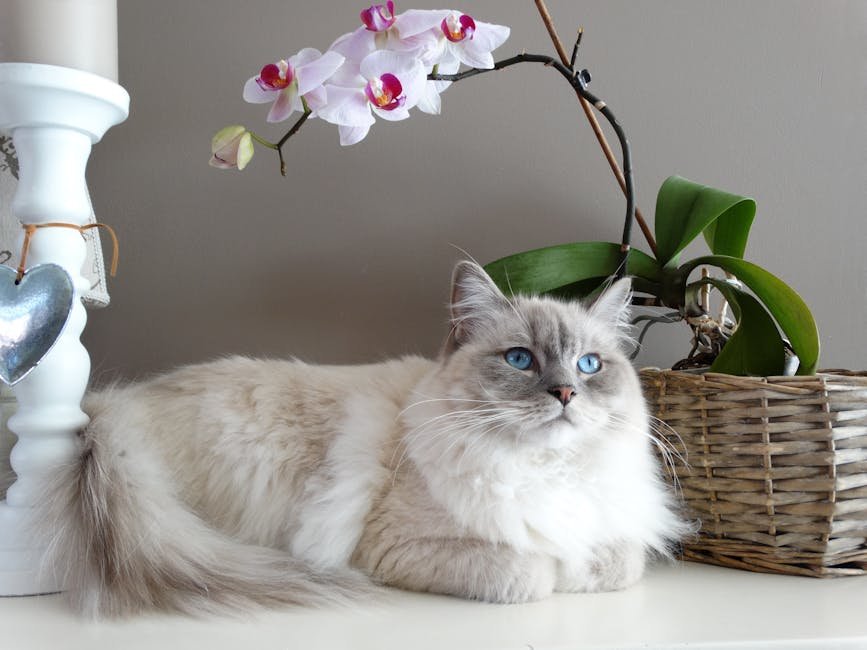
Ever found yourself captivated by the grace and charm of a feline friend, but left wondering about its specific breed? You’re not alone.
With so many cat breeds out there, each with its own unique traits and characteristics, identifying them can feel like a daunting task. But what if you had an easy-to-use tool to help you? That’s where the Identification Cat Breeds Chart comes in.
This guide is your one-stop resource for understanding the distinct features of various cat breeds. Imagine being able to instantly recognize a Persian’s luxurious coat or a Siamese’s striking blue eyes. Dive into this article to discover how this chart can transform your understanding of cats and enhance your pet-owning experience. Don’t miss out on unlocking the mysteries of your feline companions.
Popular Cat Breeds
Knowing popular cat breeds helps you recognize different types and understand their unique traits. Each breed has distinct features that make identification easier. Let’s look at some of the most common cat breeds you might meet or consider adopting.
Domestic Shorthair
The Domestic Shorthair is not a specific breed but a category for cats with short coats and mixed ancestry. They come in a wide variety of colors and patterns, so spotting one requires attention to coat length and body shape rather than color alone.
These cats are known for their easygoing nature and adaptability. Have you noticed how they often become the most affectionate pets despite their “mixed” background? Their diversity means they rarely have breed-specific health issues, making them hardy companions.
Siamese
Siamese cats are famous for their striking blue eyes and pointed coat pattern, where the ears, face, paws, and tail are darker than the rest of the body. Their sleek, slim bodies and large ears make them instantly recognizable.
These cats are highly vocal and social, often following their owners around the house. If you want a cat that communicates clearly and loves interaction, a Siamese might be the right match for you.
Maine Coon
The Maine Coon is one of the largest domestic cat breeds, known for its tufted ears, bushy tail, and thick, water-resistant fur. Their rugged appearance hides a gentle and friendly personality.
They enjoy playing in water and are often described as “dog-like” in their loyalty. Have you ever met a cat that actually likes to swim or fetch? Maine Coons often surprise people with these traits.
Persian
Persians are easily identified by their long, luxurious coats and flat, round faces. Their calm and laid-back temperament makes them perfect for quiet households.
Grooming is essential for Persians to prevent their fur from matting. If you’re willing to add daily brushing to your routine, this breed rewards you with a loving and serene companion.
Credit: meowfia.us
Rare Cat Breeds
Rare cat breeds capture attention not just for their unique looks but for the stories behind their origins. These cats often have traits and personalities that stand apart from more common breeds. If you’re curious about something special and uncommon, these rare breeds might just spark your interest.
Savannah
The Savannah cat looks wild but is a loving companion. It’s a cross between a domestic cat and a serval, a large African wild cat. You’ll notice its tall, lean body and striking spotted coat right away.
Owning a Savannah means you’re ready for an active, playful pet. They’re known for their curiosity and energy, often enjoying games that challenge their intelligence. Have you ever seen a cat that can jump so high it almost looks like it’s flying?
Khao Manee
Khao Manee is a rare white cat with bright, jewel-like eyes that can be blue, gold, or odd-eyed (each eye a different color). This breed comes from Thailand and is treasured in its home country for its elegance and calm nature.
They’re quiet cats who enjoy peaceful environments. If you want a pet that’s both beautiful and gentle, Khao Manee cats offer a rare blend of both. Would you be drawn to a cat with such a striking and mysterious appearance?
Kurilian Bobtail
The Kurilian Bobtail is famous for its distinctive short, fluffy tail. Originating from Russia and Japan, this breed is known for being playful and highly social with their families. They adapt well to different homes but love having plenty of interaction.
This breed’s personality can surprise you—they are smart and sometimes behave more like dogs in their loyalty and playfulness. Do you want a cat that actively seeks your company and responds to training?
Peterbald
Peterbald cats stand out with their sleek, hairless or short-coated bodies. This Russian breed combines elegance with a friendly and affectionate nature. Their unique look often surprises new cat owners, but their warm personality quickly wins hearts.
These cats enjoy being close to you and often follow their owners around the house. If you want a rare breed that feels almost like a warm little companion, the Peterbald might fit perfectly in your life. How would you feel having a cat that doubles as a cozy lap warmer?
Breed Characteristics
Understanding breed characteristics is key to identifying cat breeds accurately. These traits offer clues about a cat’s origins and nature. Paying attention to coat, body shape, eye color, and personality can make spotting differences easier and more fun.
Coat Types And Colors
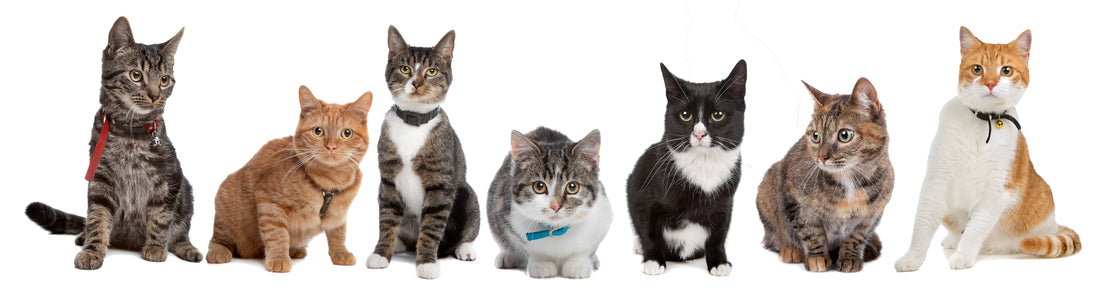
Cat coats vary widely, from sleek and short to long and fluffy. Some breeds have unique patterns, like the Siamese’s pointed coat or the Bengal’s spotted fur. Colors range from pure white to deep black, including shades of gray, orange, and cream.
Coat texture also matters. The Cornish Rex has soft, curly fur, while the Maine Coon has thick, water-resistant hair. Ask yourself: does the coat feel silky, dense, or wiry? This can help you narrow down the breed quickly.
Body Shapes
Body shape says a lot about a cat’s breed. Some cats are compact and muscular, like the British Shorthair. Others, such as the Siamese, are long and slender with graceful limbs.
Look at the tail length and ear shape too. A bobtail or tufted ears might point you to specific breeds. Think about how the cat moves—does it have a powerful stance or a delicate frame?
Eye Colors
Eye color can be a striking feature. Blue eyes are common in breeds like the Ragdoll and Siamese, while green eyes often appear in Russian Blues. Some cats have odd eyes, meaning each eye is a different color, which is a hallmark of breeds like the Turkish Van.
Notice the shape and size of the eyes as well. Almond-shaped or round eyes can give you more clues. What emotion does the cat’s gaze express? Sometimes, it’s a signature trait.
Personality Traits
Personality often ties closely to breed. For example, Siamese cats are known for being vocal and social, while Persians tend to be calm and affectionate. Understanding these traits helps you connect with the cat on a deeper level.
Consider how the cat interacts with people and other pets. Is it curious, shy, or playful? Your own experiences with different breeds might surprise you—what personality traits have you noticed that helped you identify a breed?

Credit: yandex.com.tr
Using The Cat Breeds Chart
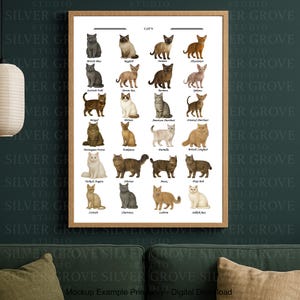
The Cat Breeds Chart is a helpful tool for identifying different types of cats. It organizes breeds by their key features and traits. This makes it easier to recognize breeds based on appearance and behavior. Using the chart helps cat lovers learn more about their pets or cats they meet. It also improves understanding of breed differences.
Visual Identification Tips
Start by looking at the cat’s size and shape. Notice the head shape, ear size, and tail length. Check the coat type—short, long, curly, or hairless. Observe the color patterns such as spots, stripes, or solid colors. Eye color can also be a clue. Use the chart to compare these features with breed pictures and descriptions. This helps narrow down possible breeds quickly.
Matching Traits To Breeds
Look for unique traits that stand out. For example, some breeds have distinct ear shapes or body builds. Notice if the cat has a particular personality trait, such as being very active or calm. Use the chart’s trait lists to find breeds with similar characteristics. This approach makes identification more accurate. It also teaches about breed diversity and special qualities.
Common Misidentifications
Many cats look alike, causing confusion. Mixed breeds may share traits with purebreds. Some breeds have similar coat colors or patterns. Avoid assuming a cat’s breed by one feature alone. The chart helps avoid these mistakes by showing multiple trait combinations. Take your time to compare details carefully. This reduces errors and improves your breed knowledge.
Care Tips By Breed
Each cat breed has unique care requirements that can make a big difference in their health and happiness. Understanding these specifics helps you provide the best environment for your feline friend. Let’s look at key care tips by breed so you can match your routine to their needs.
Grooming Needs
Some breeds, like Persians and Maine Coons, have thick, long fur that needs daily brushing to prevent mats and tangles. Short-haired cats, such as the Siamese or Burmese, usually require less grooming but still benefit from weekly brushing to reduce shedding.
Have you noticed your cat’s coat looking dull or patchy? That can be a sign you need to adjust their grooming routine. Regular grooming also strengthens your bond and gives you a chance to check for skin issues or parasites.
Diet Preferences
Different breeds may have distinct dietary preferences or sensitivities. For example, Bengal cats are highly active and may need a protein-rich diet to fuel their energy levels. On the other hand, British Shorthairs tend to have slower metabolisms and can gain weight easily, so portion control is key.
Think about your cat’s lifestyle and breed traits when choosing food. Have you tried mixing wet and dry food to keep your cat interested and hydrated? Small tweaks in their diet can improve digestion and overall vitality.
Health Concerns
Each breed can be prone to certain health issues. Scottish Folds often face joint problems, while Sphynx cats need extra skin care to avoid dryness and sunburn. Knowing these risks helps you spot early symptoms and seek timely vet care.
Do you keep a health journal for your cat? Tracking symptoms and vet visits by breed-specific risks makes managing their health simpler and less stressful. Awareness is your best tool to keep your cat thriving for years.
Credit: www.etsy.com
Resources For Cat Breed Identification
Finding the right resources helps identify cat breeds easily. Various tools make recognizing breeds simple for beginners and experts alike.
Resources range from printed books to interactive online tools. Breed associations offer official information and breed standards. These sources provide accurate and trustworthy details.
Books And Guides
Books offer detailed descriptions and high-quality images. They cover breed history, traits, and care tips. Easy-to-read guides help compare physical features quickly. Many include charts and illustrations for visual support.
Popular titles include breed encyclopedias and care manuals. These help owners and enthusiasts identify breeds with confidence. Libraries and bookstores often stock these valuable resources.
Online Tools
Online tools provide instant access to breed information. Interactive charts and quizzes make identification fun and fast. Many websites host photo galleries and breed databases.
Apps can scan cat photos and suggest possible breeds. Social media groups offer advice and share experiences. These digital options suit users who prefer quick, on-the-go access.
Cat Breed Associations
Breed associations maintain official breed standards and records. They provide accurate descriptions and registration details. Associations organize events and shows for breed promotion.
These groups publish newsletters and breed guides. Contacting them can clarify breed questions and support. They serve as trusted sources for breeders and owners.
Frequently Asked Questions
What Is The Best Way To Identify Cat Breeds?
The best way to identify cat breeds is by using a detailed identification chart. These charts highlight key features like coat patterns, size, and eye color. They help distinguish similar breeds quickly and accurately. Using a chart simplifies recognizing unique breed traits for any cat owner or enthusiast.
How Can A Cat Breeds Chart Help Beginners?
A cat breeds chart helps beginners by visually displaying breed characteristics. It provides clear comparisons of coat colors, fur length, and body shape. This makes learning about different breeds easier and faster. Beginners can confidently identify breeds without extensive prior knowledge.
Are Identification Charts Reliable For Mixed-breed Cats?
Identification charts are less reliable for mixed-breed cats. Mixed cats often show traits from multiple breeds, making them hard to categorize. Charts focus on purebred characteristics, so mixed breeds may not fit perfectly. DNA testing offers more accurate results for mixed-breed identification.
Which Features Are Key In Cat Breed Identification?
Key features for cat breed identification include coat type, color patterns, body size, and eye color. Ear shape and tail length also help distinguish breeds. These physical traits are essential for accurate recognition and classification in any cat breed chart.
Conclusion
This cat breeds chart helps you recognize many popular types. Each breed has its own look and traits. Knowing these details makes it easier to identify cats. Enjoy discovering the unique features of each breed. Keep this chart handy for quick reference.
Cats bring joy in many shapes and sizes. Learning about them deepens your love for these furry friends. Explore, observe, and appreciate the beauty of all cat breeds.
