

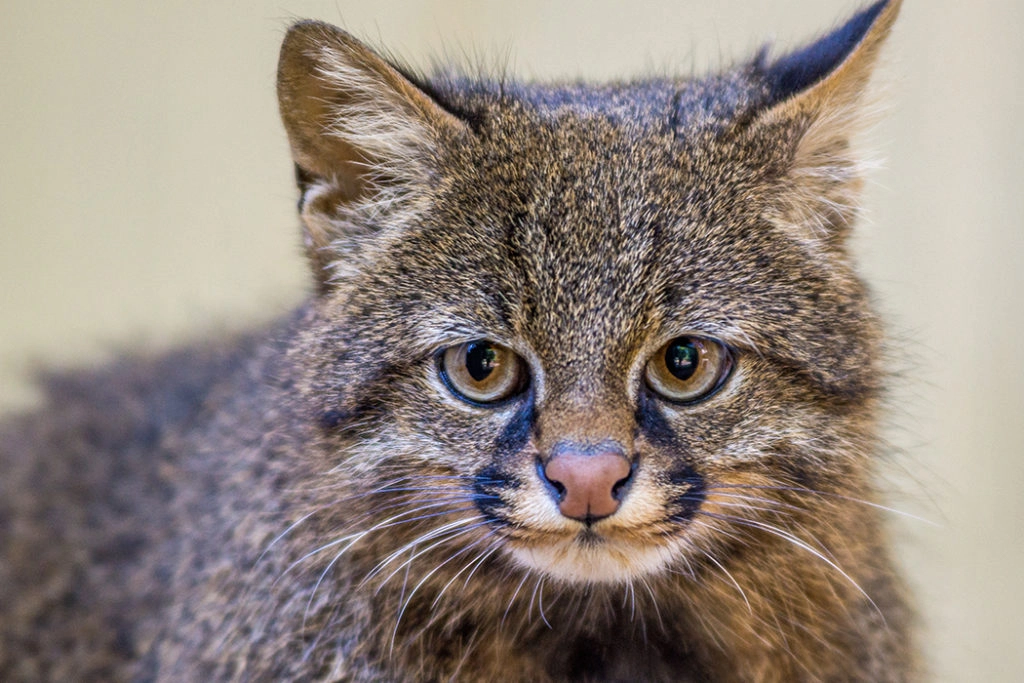
Imagine having a piece of the wild right in your living room. Large wild cat breeds captivate us with their majestic appearance and intriguing behaviors.
You might think these exotic creatures belong only in the wilderness or a nature documentary, but they have a fascinating connection to the domestic cats we adore. Are you curious about the power, grace, and beauty these big cats possess?
As you read on, you’ll discover the unique traits and characteristics that make each breed a marvel of nature. You’ll learn how these cats inspire awe and respect, and why they have enchanted humans for centuries. Dive deeper, and you might just find yourself falling in love with their untamed allure.

Credit: wildcatconservation.org
Big Cats Around The World
Big cats have fascinated people for centuries, not just because of their power and beauty, but also due to their diverse habitats across the globe. These majestic animals are found on multiple continents, each species adapted to its unique environment. Understanding where these big cats live can deepen your appreciation of their role in nature and highlight the importance of protecting their habitats.
Felines Of The Americas
The Americas host some of the most striking big cats, including the jaguar and the cougar. Jaguars, known for their incredible strength, mainly roam the dense rainforests of Central and South America. Cougars have the widest range, from Canada down to the southern tip of South America, adapting to mountains, forests, and deserts.
Have you ever wondered how these cats manage to survive in such varied climates? Their adaptability in hunting techniques and diet is key. Watching them in the wild reveals a mix of patience, agility, and raw power that keeps ecosystems balanced.
Cats Of Asia
Asia is home to some of the largest and most mysterious big cats, including the Siberian tiger and the snow leopard. The Siberian tiger prowls the cold forests of Russia, blending strength with stealth in harsh conditions. Meanwhile, the elusive snow leopard inhabits rugged mountain ranges, using its thick fur and powerful limbs to navigate rocky terrain.
What lessons can you take from these cats about resilience? Their ability to thrive in extreme environments highlights the importance of habitat preservation. Protecting these areas ensures these cats continue their ancient legacy.
African Giants
Africa is often the first place people think of when imagining big cats, thanks to the iconic lion and leopard. Lions live in prides, showcasing social behavior rare among big cats, often seen hunting together on the savannas. Leopards, on the other hand, are solitary and highly adaptable, found in forests, grasslands, and even urban edges.
Have you noticed how different their hunting styles are? Lions rely on teamwork, while leopards depend on stealth and strength. Both strategies are effective, showing there’s more than one way to succeed in the wild.
Physical Features Of Large Cats
Large wild cats have striking physical features that help them survive in the wild. Their bodies are built for strength, speed, and stealth. Each species has unique traits that make it an expert hunter and a powerful predator. These features vary from size to coat patterns and special adaptations for hunting.
Size And Weight
Large wild cats can weigh from 100 to over 600 pounds. Their size varies greatly across species. For example, tigers are among the heaviest, while leopards are smaller but still strong. Size helps them catch prey and defend territory. Strong muscles support their large bodies and quick movements.
Coat Patterns And Colors
Coats show different colors and patterns. These help cats blend into their habitats. Tigers have bold stripes that break their shape in forests. Jaguars and leopards wear spots called rosettes, perfect for hiding in shadows. Snow leopards sport thick, pale fur with rosettes to match rocky mountains. Each pattern is a natural camouflage.
Adaptations For Hunting
- Sharp claws for gripping and climbing.
- Powerful jaws to crush bones.
- Strong legs for fast running and jumping.
- Excellent night vision for hunting in the dark.
- Whiskers to sense nearby objects.
These adaptations make large wild cats skilled hunters. They can stalk, chase, and catch prey with great success. Their physical traits ensure survival in diverse environments around the world.
Behavior And Hunting Techniques
Large wild cats have unique behaviors and hunting skills. These traits help them survive in the wild. Their hunting techniques vary based on their environment and prey type. Understanding their behavior gives insight into their strength and survival methods.
Solitary Vs Social Habits
Most large wild cats prefer solitude. They hunt and live alone to avoid competition. Solitary cats mark large territories to keep others away. Some, like lions, live in groups called prides. These groups work together to hunt and protect young ones. Social habits depend on the species and habitat.
Stalking And Ambush Strategies
Large cats use stealth to approach prey silently. They crouch low and move slowly to avoid detection. Ambush hunting is common; they wait close to prey paths. Sudden bursts of speed help capture prey quickly. Patience and timing are key to their success.
Territorial Markings
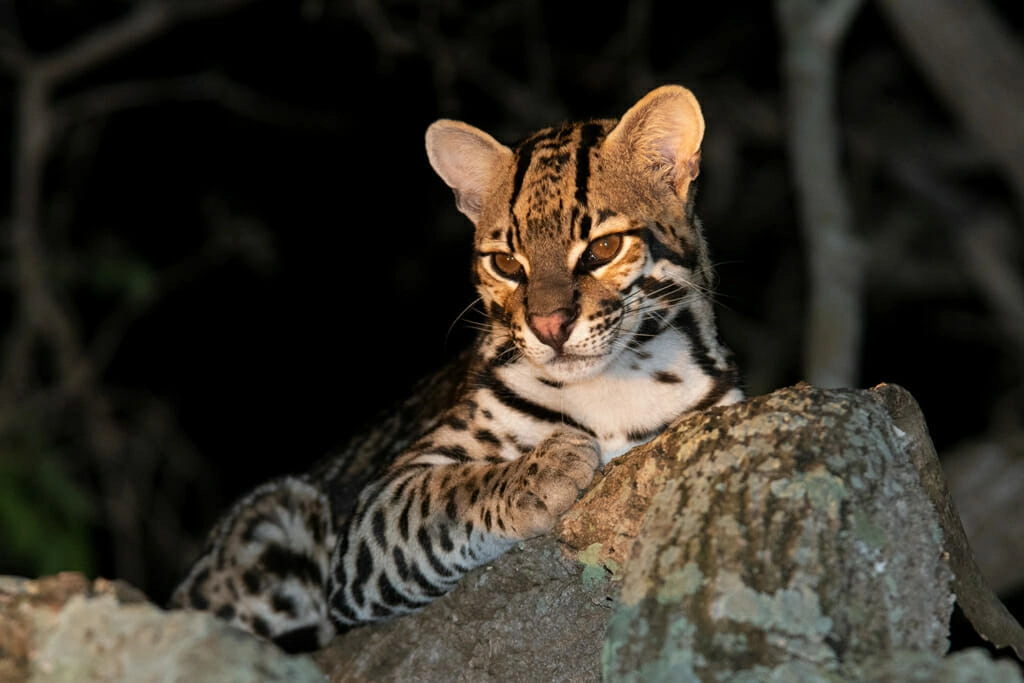
Territories are marked to warn rivals and attract mates. Cats use scent glands, urine, and scratch marks on trees. These signs communicate ownership without direct fights. Markings help maintain space and reduce conflicts. Each species has unique marking patterns and behaviors.
Credit: www.thewildlifediaries.com
Habitats And Range
Large wild cats thrive in diverse environments across the globe. Their habitats shape their behavior, hunting techniques, and survival strategies. Understanding where these majestic creatures live helps you appreciate their adaptability and the challenges they face.
Forests And Jungles
Dense forests and jungles offer perfect cover for large cats like tigers and jaguars. These cats rely on thick vegetation to stalk prey silently. The rich biodiversity provides a steady food supply, but the dense canopy can limit visibility.
Have you ever wondered how a tiger moves so quietly through the undergrowth? It’s their padded paws and keen senses at work, designed for this environment.
Savannas And Grasslands
The open spaces of savannas and grasslands are home to lions and cheetahs. These cats benefit from vast visibility to spot prey from afar. Unlike forest cats, they rely on speed and teamwork to catch food in open terrain.
Imagine tracking a lion pride under the blazing sun, where every step counts. Their social structure and hunting style adapt perfectly to this landscape, proving survival depends on more than just strength.
Mountain And Snow Regions
Snow leopards and some mountain lions live in harsh, elevated areas. These regions demand thick fur and incredible agility for navigating rocky slopes and cold climates. Their elusive nature makes sightings rare but unforgettable.
Have you thought about how these cats manage to stay warm and silent in freezing temperatures? Their habitat pushes them to evolve unique traits, showing nature’s precision in shaping life.
Conservation Status
The conservation status of large wild cat breeds is a critical topic that reveals the challenges these majestic creatures face daily. Their survival hangs in the balance due to various human and environmental factors. Understanding their status helps you appreciate the urgency of protecting these iconic animals.
Threats Facing Large Cats
Large wild cats face a range of threats that push many species toward extinction. Habitat loss from deforestation and urban expansion shrinks their living space drastically.
Poaching remains a deadly issue. Tigers, for example, are hunted for their skins and body parts, which are wrongly believed to have medicinal properties.
Human-wildlife conflict also puts cats at risk. As people encroach on wild lands, encounters with livestock lead to retaliatory killings.
Efforts To Protect Populations
Conservationists have launched multiple initiatives to save large cats from disappearing. Anti-poaching patrols and stricter wildlife laws are making a difference in some areas.
Captive breeding programs aim to increase numbers and genetic diversity. These efforts require careful planning to avoid inbreeding and to prepare animals for eventual reintroduction.
Community education programs empower locals to coexist with large cats. When people understand the value of these animals, they’re more likely to protect them rather than harm them.
Role Of Sanctuaries And Reserves
Sanctuaries and reserves provide safe havens where large cats can live without constant threat from humans. These protected areas are vital for breeding and natural behavior.
Many reserves use technology like camera traps and GPS collars to monitor cat movements and health. This data helps improve conservation strategies continuously.
Have you ever wondered how visiting a wildlife reserve might change your view of conservation? Seeing these cats in their natural habitat often inspires visitors to support protection efforts actively.
Cultural Significance
Large wild cat breeds have held a powerful place in human culture for centuries. Their strength, grace, and mystery have inspired stories, art, and complex relationships with people around the world. Understanding their cultural significance helps you appreciate these majestic animals beyond their physical presence.
Symbolism In Myths And Legends
Large wild cats often symbolize courage, power, and protection in myths and legends. Cultures across continents have woven these animals into tales that teach lessons or explain natural phenomena.
Take the tiger in Asian folklore, seen as a guardian against evil spirits. Or the lion in African stories, representing royalty and leadership. What do you think it means when a culture chooses a large cat to embody its values?
Large Cats In Art And Media
From ancient cave paintings to modern films, large wild cats captivate artists and audiences alike. Their striking appearance and behavior make them popular subjects in paintings, sculptures, and movies.
You might recognize the sleek panther in logos and advertisements symbolizing elegance and stealth. Movies like “The Lion King” bring these animals into your living room, shaping your perception of their world. How does media influence your feelings about conservation?
Human-wildlife Interactions
Your relationship with large wild cats has evolved from fear and respect to coexistence and conservation efforts. In some regions, these cats are revered and protected, while in others, conflicts arise due to habitat loss and livestock threats.
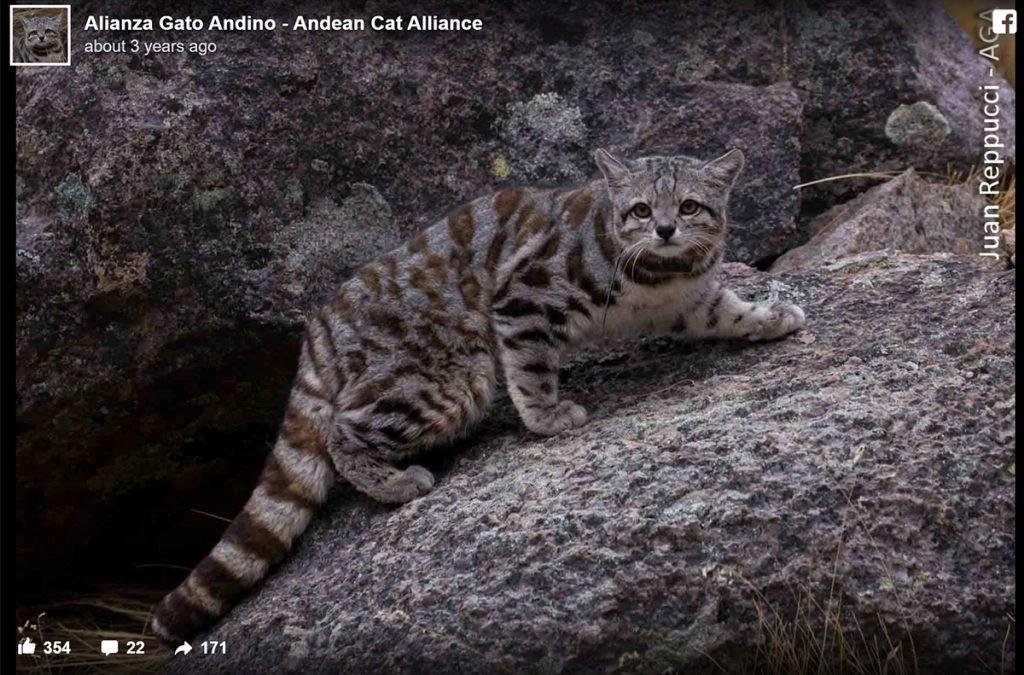
Communities living near these cats often develop unique ways to live alongside them, like using guard animals or creating wildlife corridors. What steps can you take to support peaceful coexistence in your area?
Credit: www.thewildlifediaries.com
Frequently Asked Questions
What Are The Largest Wild Cat Breeds In The World?
The largest wild cat breeds include the Siberian tiger, lion, and jaguar. These cats are known for their size, strength, and hunting skills. They inhabit various regions like Asia, Africa, and the Americas.
How Do Large Wild Cats Differ From Domestic Cats?
Large wild cats are bigger, stronger, and adapted for survival in the wild. Domestic cats are smaller, bred for companionship, and rely on humans for food and shelter. Wild cats have sharper instincts and hunting abilities.
Where Can Large Wild Cat Breeds Be Found?
Large wild cats live in diverse habitats worldwide, such as forests, grasslands, and mountains. Siberian tigers are in Russia, lions in Africa, and jaguars in Central and South America.
What Do Large Wild Cats Primarily Eat?
Large wild cats are carnivores, mainly hunting deer, wild boar, and smaller mammals. Their diet varies by habitat but always consists of meat for energy and survival.
Conclusion
Large wild cat breeds show nature’s strength and beauty. Each species has unique traits and skills. They live in different places but share power and grace. Protecting these cats helps keep balance in the wild. Learning about them makes us respect animals more.
Their survival depends on our care and action. Wild cats are amazing creatures worth knowing and saving.
