

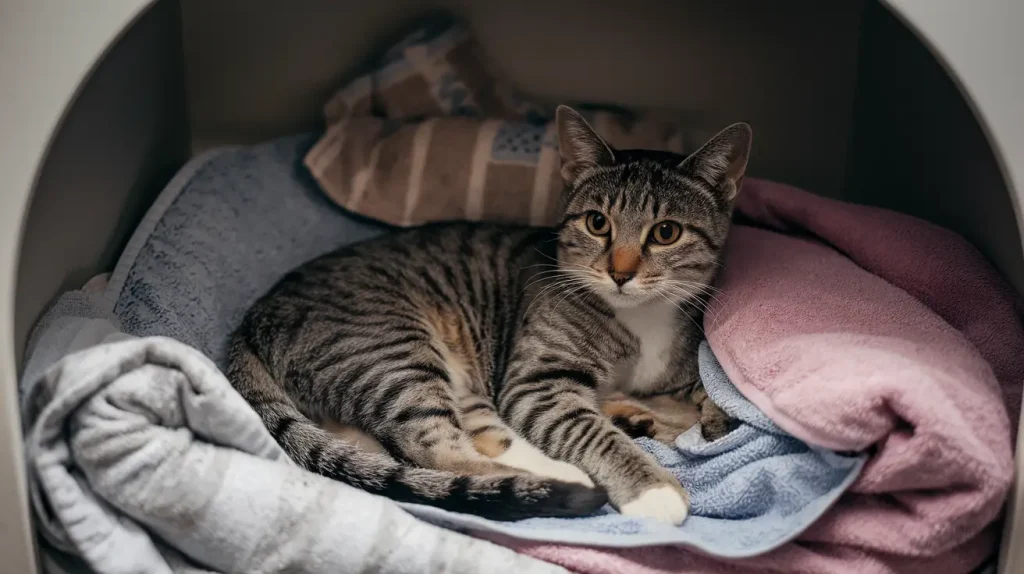
Have you ever noticed your cat rearranging blankets or snuggling into small, cozy spaces? This intriguing habit is known as cat nesting behavior, and it’s more common than you might think.
Understanding why your feline friend exhibits this behavior can deepen your bond and help you create a more comfortable environment for them. Imagine uncovering the secrets behind their actions and how they reflect your cat’s instincts and needs. By the end of this article, you’ll not only appreciate these quirky behaviors but also know how to cater to them, enhancing your pet’s happiness and well-being.
So, are you ready to delve into the fascinating world of your cat’s nesting instincts? Let’s explore together!
Nesting Instincts In Cats
Cats often surprise us with behaviors that seem mysterious at first. One of these is their nesting instinct, a natural urge to find or create a safe, cozy spot. Understanding why your cat does this can help you provide a better environment and strengthen your bond.
Origins Of Nesting Behaviour
Nesting instincts in cats come from their wild ancestors. Mother cats needed secure places to keep their kittens safe from predators and harsh weather. This survival strategy has been passed down through generations.
Even indoor cats display nesting behaviours because these instincts remain strong. You might notice your cat dragging blankets or curling up in tight spaces. It’s their way of feeling protected and comfortable.
Natural Triggers For Nesting
Several triggers can prompt your cat to start nesting. Pregnancy is a big one—expectant mother cats look for quiet, hidden spots to give birth. But even non-pregnant cats may show nesting signs when stressed or unwell.
Changes in the environment, like new pets or loud noises, can make your cat seek out a nest. Have you ever caught your cat hiding under furniture after a thunderstorm? That’s nesting behaviour kicking in as a coping mechanism.
To support your cat’s nesting needs, offer soft bedding in quiet corners. Adding familiar scents can help your cat feel secure. Have you tried observing where your cat naturally chooses to nest? This can guide you in creating the perfect safe space.
Credit: www.petscare.com
Signs Of Nesting In Cats
Recognizing the signs of nesting in cats helps you understand their natural instincts. Nesting is a behavior often seen in pregnant cats or those preparing for kittens. It involves creating a safe, warm, and comfortable space. This behavior shows a cat’s readiness for motherhood or a strong desire for security.
Common Nesting Actions
- Scratching or digging in soft materials like blankets or clothes
- Gathering items such as towels or small toys to build a nest
- Choosing quiet, hidden areas to rest or sleep
- Repeatedly circling and pawing at a spot before settling down
- Making soft chirping or purring sounds while arranging the nest
Behavioural Changes To Watch
- Increased restlessness or pacing around the home
- More frequent visits to secluded or elevated spaces
- Reduced appetite as focus shifts to nesting
- Heightened affection or, at times, irritability toward humans
- Seeking warmth and spending longer periods grooming
Safe And Cozy Nesting Spots
Cats love places that feel safe and warm. Nesting spots offer comfort and a sense of security. These spots help cats relax and rest well. Understanding what makes a good nesting place helps you create one for your cat. A cozy spot supports your cat’s natural habits and well-being.
Ideal Nesting Materials
Cats prefer soft and warm materials. These help keep their body heat and provide comfort. Common materials include:
- Fleece blankets
- Soft towels
- Plush cushions
- Old sweaters or clothes
- Straw or hay for outdoor cats
Materials should be easy to clean. Avoid anything rough or with sharp edges. Cats like materials that feel safe and snug.
Best Locations In The Home
Quiet and hidden places are perfect for nesting. Cats feel safer away from noise and busy areas. Good locations include:
- Inside closets or cupboards
- Under beds or sofas
- High shelves or window perches
- Corners with soft bedding
- Near warm radiators or sunny spots
Choose places where your cat can watch surroundings but stay unseen. This balance helps cats feel calm and secure.
Credit: www.pethealthclub.com
Nesting During Pregnancy
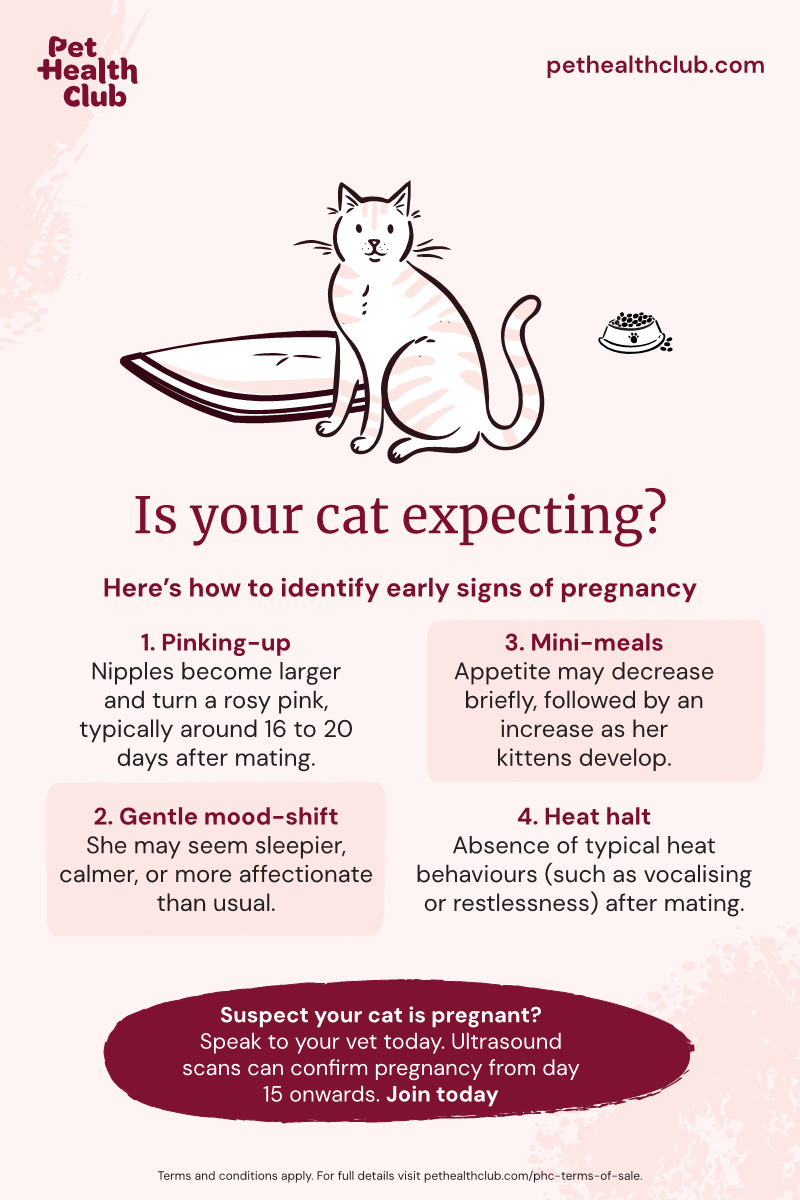
Nesting during pregnancy is a natural instinct in cats that signals their readiness to welcome new kittens. This behavior often surprises cat owners who might not expect such a strong drive to create a safe, comfortable space. Understanding what your expectant cat is going through helps you provide the right support at the right time.
Changes In Expectant Cats
Pregnant cats start showing clear nesting behaviors as their due date approaches. They may seek out quiet, secluded spots around your home to prepare a den-like environment. You might notice your cat dragging soft materials like blankets or towels to these places.
Besides physical signs like a growing belly, expectant cats can become more restless or vocal. Some cats withdraw from social interactions, preferring solitude as they focus on their upcoming motherhood. Have you observed your cat suddenly acting shy or protective of a particular corner?
Supporting A Pregnant Cat
You can help your cat feel secure and comfortable during this critical time by setting up a dedicated nesting area. Choose a quiet, warm spot away from heavy foot traffic where your cat can retreat without disturbance.
Provide soft bedding like clean towels or pet-safe blankets. Avoid strong scents or harsh cleaning products near this area, as pregnant cats can be sensitive to smells. Regularly check the space to ensure it stays clean and safe.
- Keep fresh water and nutritious food nearby to minimize stress.
- Limit loud noises and sudden changes around her nesting spot.
- Observe her behavior closely and consult your vet if you notice unusual symptoms.
By tuning into these changes and offering thoughtful support, you create an environment where your cat can nest peacefully and prepare for her new kittens. What small adjustments can you make today to support your cat’s nesting instincts?
Nesting Beyond Motherhood
Cats create nests not only for motherhood but also for comfort and safety. This behaviour is a natural instinct that helps them feel secure. Nesting spots often become a sanctuary for cats. They choose these places to relax and protect themselves from harm.
Comfort And Security Needs
Cats seek soft, warm places to rest. Nesting helps them feel calm and safe. They prefer quiet areas away from noise and disturbance. A small, enclosed space gives them a sense of protection. This behaviour is common in both young and adult cats. Nesting spots can be beds, boxes, or even clothes.
Stress And Nesting Behaviour
Stress can increase a cat’s nesting behaviour. When cats feel anxious, they hide in nests to cope. Changes in their environment, loud sounds, or new pets cause stress. Nesting acts as a way to reduce fear. Observing a cat’s nesting habits can help detect stress early. Providing a safe nest can improve a stressed cat’s well-being.
Enhancing Your Cat’s Nesting Experience
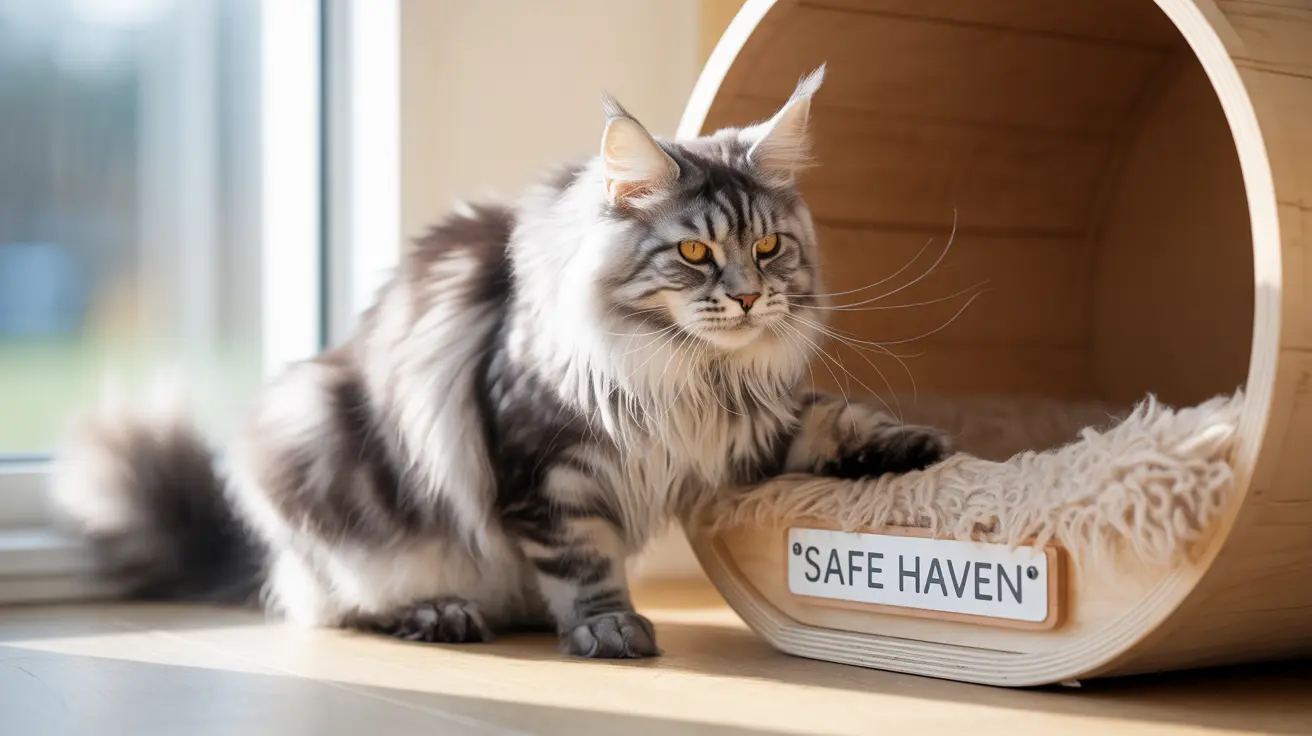
Enhancing your cat’s nesting experience means making their resting spots truly special and comforting. Cats instinctively seek safe, warm, and quiet places to nest. Your job is to help shape these spaces so they feel secure and inviting, encouraging natural behaviors that keep them happy and relaxed.
Creating Enriching Environments
Think about where your cat likes to hide or sleep naturally. Often, they choose cozy corners, elevated surfaces, or enclosed spaces. You can boost this by adding soft blankets, cushions, or small beds in these preferred spots.
Use materials that retain warmth, like fleece or wool, since cats love to stay warm. Adding a few toys nearby can also make the area more engaging without disturbing their peace. Have you noticed how your cat reacts to different textures? Observing this can guide you to pick the perfect nesting materials.
Consider the placement carefully. Nesting areas should be away from loud noises and heavy foot traffic. Cats value privacy; creating a quiet nook can reduce stress and encourage longer restful periods.
Avoiding Common Nesting Issues
One common problem is overcrowding. Too many beds or nesting spots can confuse your cat or lead to territorial disputes if you have multiple cats. Focus on providing a few well-placed, quality nests instead of many.
Another issue is neglecting cleanliness. Cats are fastidious creatures. Regularly washing bedding and removing hair helps keep the nesting area fresh and inviting.
Watch out for drafts or dampness. These can make nests uncomfortable and unhealthy. If you notice your cat avoiding a favorite spot, check for hidden discomforts like cold floors or nearby noisy appliances.
Have you ever seen your cat reject a new bed? It’s often about comfort and security, not just appearance. Paying attention to their reactions helps you adjust and improve their nesting environment effectively.
Credit: www.petscare.com
Frequently Asked Questions
What Is Cat Nesting Behavior?
Cat nesting behavior is when cats create cozy, safe spots to rest or give birth. They seek warm, quiet, and hidden places to feel secure and comfortable.
Why Do Cats Hide In Small Spaces?
Cats hide in small spaces to feel safe and reduce stress. Small, enclosed areas provide warmth and protection from potential threats.
How Does Nesting Relate To Cat Pregnancy?
Pregnant cats nest to prepare a secure area for their kittens. Nesting behavior helps ensure a safe, warm environment for birth and early kitten care.
Can Indoor Cats Show Nesting Behavior?
Yes, indoor cats also show nesting behavior by choosing comfy spots. They often pick blankets, boxes, or quiet corners to rest.
Conclusion
Cats build nests to feel safe and comfortable. This behavior shows their natural need to protect themselves. Understanding cat nesting helps you care for your pet better. Watch where your cat likes to rest. Provide soft, quiet spots for nesting.
This keeps cats happy and calm. Nesting is normal and healthy for cats. It shows they feel secure in your home. Paying attention to nesting habits strengthens your bond. Keep their nesting areas clean and cozy. Your cat will thank you with trust and love.
