


Have you ever noticed your cat suddenly freeze, hide, or puff up like a tiny lion? When your furry friend shows frightened behavior, it can be puzzling and even a little worrying.
Understanding why your cat acts scared helps you keep them calm and safe. You’ll discover the common signs of fear in cats and simple ways you can help your pet feel secure again. Keep reading—your cat’s comfort depends on it.
Common Signs Of Fear In Cats
Cats show fear in many ways. Recognizing these signs helps in understanding their feelings. Fear can make a cat act differently than usual. It may affect their behavior and health.
Knowing common signs of fear helps you support your cat better. Fearful cats may try to protect themselves or escape danger. Watch for changes in their body, sounds, and actions.
Body Language Clues
- Flattened ears pressed close to the head
- Wide, staring eyes with dilated pupils
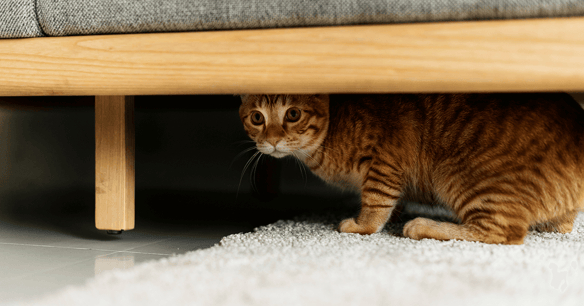
- Low, crouched posture with tail tucked under
- Raised fur along the back or tail (piloerection)
- Tense muscles and slow, careful movements
Vocalizations
- Low growling or hissing sounds
- Sharp yowls or sudden loud meows
- Quiet, trembling mews indicating distress
- Rapid, soft chattering or whining noises
Hiding And Avoidance
- Seeking small, enclosed spaces like boxes or closets
- Hiding under furniture or behind curtains
- Avoiding eye contact or turning away
- Refusing to come out even for food or play
Aggressive Reactions
- Swatting or scratching with claws out
- Sudden biting or nipping when approached
- Arching back and puffing up to appear larger
- Tail lashing or flicking rapidly

Credit: cats-in-distress.org
Triggers That Cause Fear In Cats
Understanding what triggers fear in cats helps you create a calmer environment for your furry friend. Cats often react strongly to certain situations that feel threatening to them, even if these seem harmless to us. Recognizing these triggers lets you avoid them or gently help your cat cope.
Loud Noises And Sudden Movements
Imagine your cat relaxing when a loud thunderclap suddenly shakes the house. Sharp noises like fireworks, vacuum cleaners, or slamming doors can startle cats instantly. Sudden movements, such as quick hand gestures or someone rushing past, often make cats freeze or dart away.
Try to keep the environment quiet and predictable around your cat. If a noise is unavoidable, offer a safe hiding spot where your cat can retreat. Have you noticed your cat’s body language change when the vacuum starts?
New Environments And Strangers
Cats rely on familiar surroundings to feel secure. Moving to a new home or even rearranging furniture can stress them out. Visitors, especially strangers, can make your cat hide or hiss because they don’t recognize these new faces.
Introduce new environments slowly and let your cat explore at their own pace. When guests arrive, allow your cat to approach on their terms. Have you ever seen your cat cautiously observe from a distance before deciding to get closer?
Other Animals
Even if your cat is friendly, unfamiliar animals can trigger fear. Dogs, birds, or other cats in the neighborhood might seem like threats. Sometimes, just the smell of another animal on your clothes can cause anxiety.
Keep your cat separated from unknown animals initially. Use controlled introductions if you want them to get along. Notice how your cat reacts to different animals—do they hide, hiss, or freeze?
Changes In Routine
Cats thrive on routine and can become anxious when their daily schedule changes. Feeding times, play sessions, or your presence at home all matter to them. Even small changes can unsettle your cat and cause fearful behavior.
Maintain consistent feeding and playtimes as much as possible. If you must change something, do it gradually. Have you observed how your cat acts when you stay late at work or skip their usual playtime?
Immediate Steps To Calm A Frightened Cat
Calming a frightened cat requires quick and gentle action. The cat’s comfort and safety must come first. Understanding what soothes your cat helps reduce its stress fast. Cats respond well to quiet, calm environments and gentle care.
Creating A Safe Space
Give your cat a quiet room away from noise and activity. Remove loud sounds and bright lights. A calm space lowers fear and helps your cat relax. Keep food, water, and a litter box nearby. This space should feel secure and private.
Using Gentle Touch And Voice
Speak softly and slowly to your cat. Use a calm, soothing tone. Avoid sudden movements or loud noises. If your cat allows, gently stroke its fur. Touch should be light and slow. This builds trust and eases anxiety.
Providing Hiding Spots
Cats feel safer when they can hide. Offer boxes, blankets, or covered beds. These spots give your cat control over its space. A hiding place helps the cat feel protected. It also reduces stress and fear.
Avoiding Forced Interaction
Never force your cat to come out or be held. Let the cat decide when to interact. Forcing contact can increase fear and mistrust. Patience is key to helping your cat feel safe. Respecting its space builds confidence over time.

Credit: moderncat.com
Long-term Strategies To Reduce Fear
Helping your cat overcome fear takes patience and a thoughtful approach. Long-term strategies focus on building trust and security over time rather than quick fixes. These techniques encourage your cat to feel safe in their environment, making fearful behavior less frequent and intense.
Gradual Desensitization
Introduce your cat slowly to the thing that scares them, keeping the exposure very mild at first. For example, if your cat is afraid of the vacuum cleaner, start by placing it in the room turned off and at a distance. Reward calm behavior with treats or gentle praise to create a positive association.
Increase the exposure little by little, always watching your cat’s comfort level. If you see signs of stress, take a step back and go slower. This process helps your cat adjust without feeling overwhelmed.
Positive Reinforcement
Use rewards to encourage brave and calm responses. Whenever your cat approaches or stays calm near a fear trigger, offer treats, petting, or playtime. This teaches them that good things happen when they face their fears.
Be consistent and patient; even small progress deserves praise. Have you noticed how your cat’s tail flicks or ears perk up when you reward them? That’s a sign they’re starting to connect positive experiences with previously scary situations.
Maintaining Consistent Routines
Cats find comfort in predictability. Keep feeding times, play sessions, and quiet times regular to build a sense of security. When your cat knows what to expect, they feel less anxious and less likely to react fearfully.
Think about your own day—does a routine help you feel more in control? Your cat benefits the same way. If you introduce changes, do so gradually and keep other parts of the routine steady.
Environmental Enrichment
Fill your cat’s space with engaging toys, scratching posts, and cozy hideouts. This not only distracts them from fears but also helps reduce overall stress. A bored or understimulated cat is more likely to be anxious and fearful.
Try rotating toys or introducing new scents to keep things interesting. Have you tried puzzle feeders? They stimulate your cat’s mind and encourage natural hunting behaviors, which can boost confidence and reduce fearfulness.
When To Seek Professional Help
Not all frightened behaviors in cats need a vet or therapist. But some signs show it’s time to ask for expert help. If your cat hides all day, stops eating, or shows sudden aggression, these are clear signals. Persistent fear can harm their health and happiness.
Seeking professional help early can make a big difference. Experts can find the root cause and offer proper treatment. This improves your cat’s life and your bond with them.
Behavioral Therapy Options
Behavioral therapy helps cats face their fears safely. Experts use techniques like desensitization and counter-conditioning. These teach cats to feel calm in scary situations. Therapy may include controlled exposure to triggers. Positive rewards encourage relaxed behavior. This approach takes time but brings lasting results.
Medication Considerations
Some cats need medicine to reduce anxiety. Vets may prescribe anti-anxiety drugs or calming supplements. Medicine helps cats feel less stressed during therapy. It is not a quick fix but part of a full plan. Always use medication under veterinary guidance. Watch your cat closely for side effects.
Veterinary Advice
Veterinarians check for health issues causing fear. Pain or illness can make cats scared or aggressive. A full exam rules out medical problems. Vets also give advice on care and environment. They guide you on the best steps forward. Trusting a vet helps your cat feel safe and loved.
Credit: blog.feliway.com
Frequently Asked Questions
Why Do Cats Show Frightened Behaviour Suddenly?
Cats may get scared due to loud noises, unfamiliar people, or sudden movements. Their natural instinct is to protect themselves from potential threats. Stress and past trauma can also trigger sudden frightened behaviour in cats.
How Can I Calm A Frightened Cat Effectively?
To calm a scared cat, speak softly and avoid sudden movements. Provide a safe, quiet space with familiar items. Use gentle petting and consider pheromone sprays to reduce stress.
What Signs Indicate A Cat Is Feeling Frightened?
Signs include dilated pupils, flattened ears, hissing, hiding, and trembling. A frightened cat may also puff up its fur and avoid eye contact.
Can Frightened Behaviour In Cats Lead To Aggression?
Yes, fear can cause defensive aggression in cats. When scared, cats may scratch or bite to protect themselves. Understanding triggers helps prevent aggressive responses.
Conclusion
Understanding your cat’s fear is essential for a happy home. Recognize their triggers and provide comfort. Patience works wonders. Create a safe space for them. Love and care help build trust. Over time, frightened behavior can change. Cats appreciate gentle and consistent attention.
They seek a peaceful environment. Observe their body language closely. Learn to interpret their signals. Every small effort counts. Building a bond takes time. But it’s worth it. You’ll see a more relaxed and content cat. Embrace the journey of understanding them better.
They’ll reward you with affection. A calm cat means a happier household.
