


Have you ever found yourself frantically searching for your beloved feline friend, only to discover they’ve vanished without a trace? The heartache and anxiety that accompany a lost cat can be overwhelming.
But understanding lost cat behavior might be the key to bringing your furry companion back home. Imagine the relief of knowing exactly where to look and how to coax your cat back safely. We’ll delve into the mysterious world of lost cat behavior, unraveling the secrets that might just lead you to your cat’s hiding spot.
Don’t let worry keep you up at night; read on to discover the insights that could make all the difference.
Credit: www.petscare.com
Common Behaviors Of Lost Cats
When a cat goes missing, understanding their common behaviors can greatly improve your chances of finding them. Lost cats often act differently from their usual selves, driven by fear and confusion. Recognizing these behaviors helps you predict where they might be and how they are coping with their situation.
Hiding Spots And Safe Zones
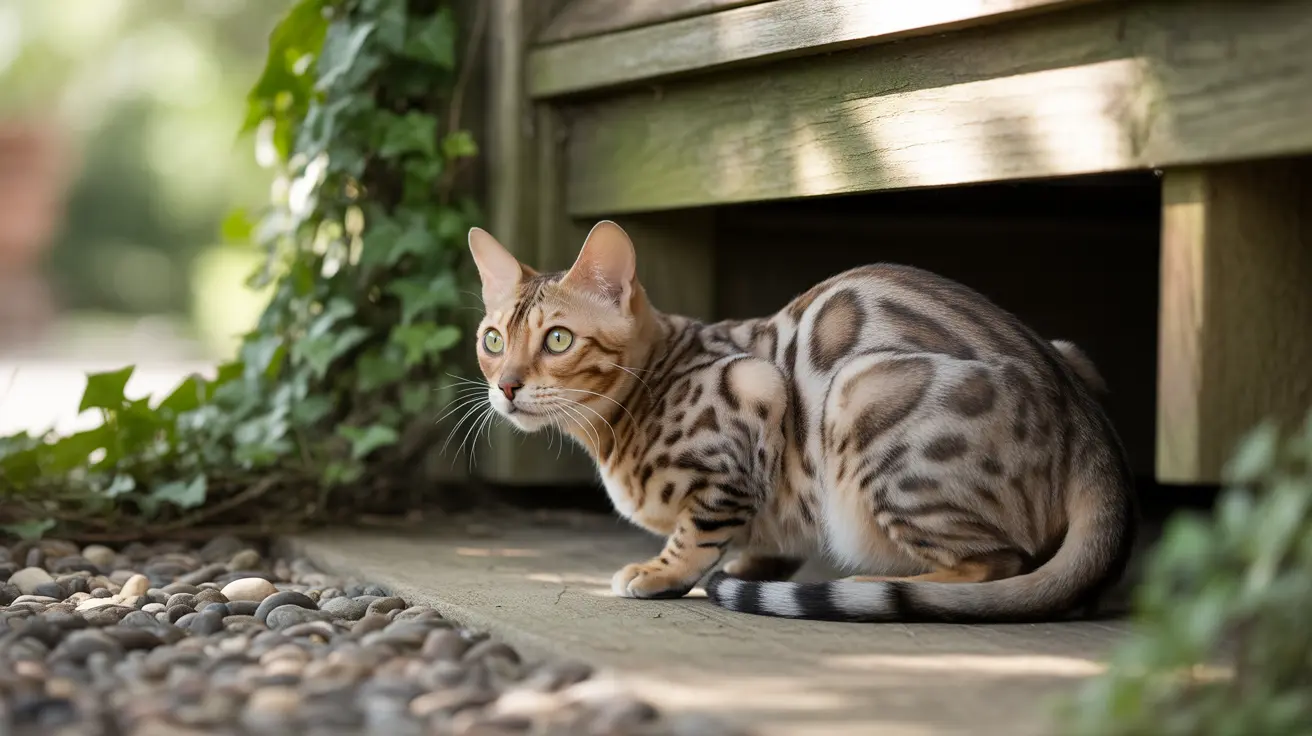
Lost cats instinctively seek out quiet, hidden places where they feel safe. These spots might be under cars, inside bushes, or even tucked away in crawl spaces or sheds. They avoid open areas and loud noises, so check these less obvious locations carefully.
Have you noticed your cat’s favorite hiding spots at home? They often look for similar types of places outside when lost. Knowing this can guide you to where they might be sheltering.
Changes In Eating And Drinking Habits
When lost, cats might eat less or stop eating altogether because stress suppresses their appetite. They may also drink less water or struggle to find clean sources, which can affect their health quickly. If you spot a lost cat, offering fresh food and water can encourage them to stay nearby.
Keep in mind, a cat that was always eager for meals might suddenly become cautious or even refuse food. This shift is a clear sign of distress and should prompt gentle, patient approaches to regain their trust.
Nocturnal Activity Patterns
Lost cats often become more active at night to avoid predators and human activity. This change means they might be harder to spot during the day but more noticeable after dark. Searching at night with a flashlight can reveal glowing eyes or subtle movements you’d miss otherwise.
Does your cat usually nap in the afternoon? If so, their night-time restlessness when lost may puzzle you. Understanding this switch in behavior can help you time your searches and calls more effectively.
Signs Your Cat Is Nearby
Knowing if your lost cat is nearby can change the entire search. Cats leave subtle signs that you might miss if you don’t know what to look for. Paying attention to these clues will help you zero in on your furry friend’s location faster.
Sounds To Listen For
Your cat might respond to familiar voices or noises. Listen carefully for soft meows, faint scratching, or the gentle tapping of claws on hard surfaces. Sometimes a quiet purring or the rustle of leaves signals your cat’s presence close by.
It’s easy to overlook these sounds when you’re anxious, but try calling your cat’s name calmly and pause to listen. Have you ever noticed how your cat’s meow changes when they’re scared versus when they want attention? Use that to your advantage.
Scent Trails And Markings
Cats mark their territory with scent glands on their cheeks, paws, and tail base. Look for scratch marks on trees, fences, or corners where your cat might have rubbed or clawed. These spots often hold your cat’s scent, acting like a breadcrumb trail.
If you’ve ever found your cat rubbing against furniture at home, imagine how they do the same outside to leave their scent. Carrying a piece of your cat’s bedding or a worn T-shirt can help attract them back by scent, too.
Visual Clues In The Environment
Keep an eye out for movement in bushes, under cars, or near sheds. Cats often hide in tight, shaded spaces where they feel safe. Fur caught on bushes or leaves can also be a sign your cat recently passed through.
Have you noticed your cat’s favorite hiding spots at home? They tend to seek similar places when lost. Check behind garden furniture, under decks, and inside open garages for any sign of your pet.
How Cats React To Being Lost
When your cat goes missing, understanding how they react can help you find them faster and keep them safe. Cats don’t act like dogs in these situations; their behavior is often driven by fear and survival instincts. Observing these reactions can guide your search and improve your chances of a happy reunion.
Fear And Stress Responses
Lost cats usually experience intense fear. They may hide in small, dark places to feel safer. You might notice they become unusually quiet or avoid human contact altogether.
Your cat might also freeze or become very still when approached, hoping not to be seen. This behavior can make them harder to spot but shows how scared they are. Have you ever noticed your cat suddenly disappearing under the couch when visitors come? That’s a similar reaction.
Seeking Shelter And Food
Survival instincts kick in quickly once a cat is lost. They look for sheltered spots like garages, sheds, or thick bushes to protect themselves from weather and predators. These hiding places become their temporary homes while they figure out their next move.
Food becomes a priority too. Your cat might scavenge from trash bins or hunt small prey like birds or rodents. If your cat was used to regular meals, this sudden change can add to their stress and alter their usual behavior. What places around your home could provide easy shelter or food for a lost cat?
Interactions With Other Animals
Lost cats often encounter other animals, which can influence their behavior. They might avoid dogs or larger animals to stay safe, or cautiously approach other neighborhood cats. Sometimes, a lost cat will try to join a feral colony for protection.
These interactions can be tense and unpredictable. Your cat’s usual friendly nature might change as they defend themselves or try to stay under the radar. Have you thought about how your cat’s social habits might affect their chances when lost?

Credit: www.petscare.com
Effective Search Strategies
Effective search strategies increase the chance of finding a lost cat quickly. Knowing when to search, what to use, and who to involve helps in the search. Each part plays a key role in bringing your pet home.
Timing Your Search Efforts
Search during dawn and dusk. Cats are more active at these times. The quiet hours make it easier to hear sounds. Avoid loud noises or rush during the day. Night searches can be risky without a flashlight.
Using Familiar Scents And Sounds
Place your cat’s bedding or favorite toys outside. The scent draws the cat close. Use a calm, soft voice when calling. Familiar sounds like a can opener help attract attention. Avoid sudden loud noises that may scare your cat.
Involving Neighbors And Community
Talk to neighbors and ask them to check their yards. Share a clear photo and description of your cat. Use community boards or social media groups to spread the word. More eyes increase the chance of spotting your cat. Keep neighbors updated on any sightings or news.
Preventing Future Escapes
Preventing future escapes is key to keeping your cat safe. Cats often run away out of curiosity or fear. Creating a secure environment reduces their urge to roam. Careful planning and small changes can stop most escape attempts.
Securing Indoor And Outdoor Spaces
Check all doors and windows for gaps or loose screens. Use child-proof locks or latches on windows. Install pet-proof fencing or cat enclosures in your yard. Keep doors closed during busy times or when visitors arrive. Block access to places where cats might hide or slip out.
Identification Tags And Microchipping
Always use a collar with an ID tag showing your contact details. Choose a breakaway collar to keep your cat safe. Microchip your cat for permanent identification. Update your contact information regularly in the microchip database. These steps help reunite lost cats quickly with owners.
Routine And Environmental Enrichment
Provide toys and scratching posts to keep your cat busy. Play with your cat daily to reduce boredom and stress. Offer hiding spots and cozy beds for comfort. Keep feeding times consistent to build a stable routine. A happy cat is less likely to seek adventure outside.

Credit: www.outdoorbengal.com
Frequently Asked Questions
What Behaviors Do Lost Cats Commonly Exhibit?
Lost cats often hide, become anxious, and roam unfamiliar areas. They may meow loudly or avoid human contact. Stress causes unusual behaviors, like pacing or aggression. Recognizing these signs helps locate and safely retrieve lost cats.
How Do Lost Cats React To New Environments?
Lost cats usually feel scared and stressed in new places. They hide under furniture or in dark corners. Some may freeze or try to escape. Understanding this helps owners approach them calmly and patiently.
Why Do Lost Cats Avoid People?
Lost cats often avoid humans due to fear or trauma. They may have had negative experiences or feel threatened. Avoidance is a survival instinct to stay safe. Approaching gently and using familiar scents can build trust.
How Long Do Lost Cats Typically Stay Away?
Lost cats can be gone from home from hours to weeks. The time varies based on environment, health, and stress levels. Prompt search efforts increase chances of quick recovery. Posting notices and checking shelters is vital.
Conclusion
Lost cats often act scared and confused. They may hide or move quietly at night. Understanding these behaviors helps you find them faster. Stay calm and patient during your search. Use familiar smells and sounds to guide your cat. Remember, lost cats want safety and comfort.
Keep hope and keep looking carefully. Your gentle approach makes a big difference.
