

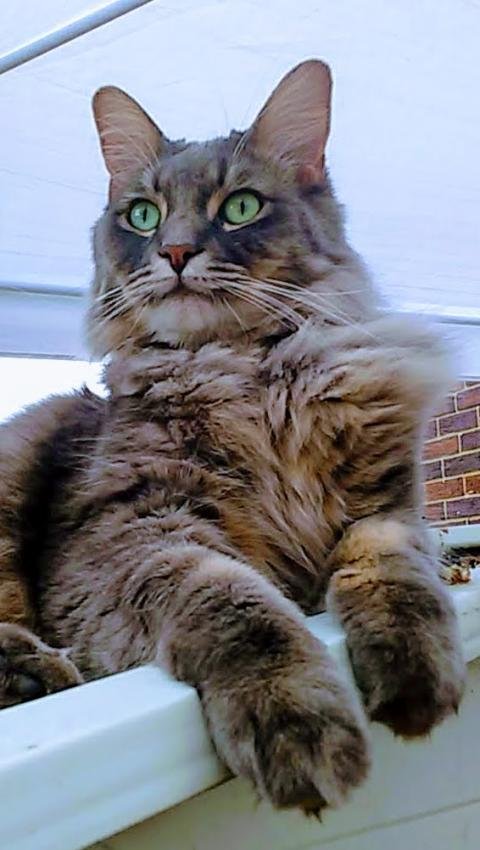
Have you ever wondered what makes the Norwegian Forest Cat so enchanting? These majestic cats, with their lush coats and striking eyes, are more than just a pretty face.
When it comes to their behavior, they’re full of surprises and charm that can captivate anyone. Whether you’re a current owner or just dreaming of having one, understanding their unique traits can deepen your bond and make living with them even more delightful.
Get ready to dive into the fascinating world of Norwegian Forest Cat behavior, and uncover the secrets that make these cats truly extraordinary. You won’t want to miss the insights that could transform the way you view your feline friend!

Credit: www.reddit.com
Physical Traits And Their Impact
The physical traits of Norwegian Forest Cats shape not only their appearance but also their behaviour and how they interact with their environment. These features are finely tuned to the cat’s natural habitat, influencing everything from their agility to their social signals. Understanding these traits helps you appreciate how your cat’s body language and physical needs connect to its instincts and daily activities.
Thick Coat And Adaptations
The Norwegian Forest Cat’s thick, water-resistant coat is more than just beautiful—it’s a survival tool. This dense fur keeps them warm during harsh winters and protects them from rain and snow. You might notice your cat shedding more in spring, which is its way of adjusting to warmer weather.
Because of this heavy coat, regular grooming is essential. You can help your cat avoid mats and tangles by brushing them often, especially during shedding season. Have you ever seen your cat roll on the floor to scratch an itch? That’s a natural way they manage their coat, but your help makes a big difference.
Size And Strength
These cats are larger and stronger than many domestic breeds, with powerful muscles and a sturdy frame. Their size allows them to climb trees with ease and leap impressive distances. This strength supports their playful yet independent nature, meaning they enjoy exploring and testing their limits.
You might find your Norwegian Forest Cat prefers higher spots to perch on, reflecting their natural climbing instincts. Providing tall cat trees or shelves can satisfy this need and help prevent destructive behaviour. How does your cat show its strength and agility around the house?
Facial Expressions
Their triangular face and expressive eyes communicate a lot about their mood and intentions. Norwegian Forest Cats often use subtle changes in ear position, eye shape, and whisker movement to tell you when they’re curious, relaxed, or alert. Paying close attention to these signs can improve your bond and help you respond better to their needs.
For example, narrowed eyes might mean contentment, while wide eyes can signal excitement or anxiety. Have you noticed how your cat’s whiskers move when it’s focused? These small details offer clues about how your cat feels and what it might want from you.

Credit: www.petplan.co.uk
Social Nature
The Norwegian Forest Cat is known for its friendly and social personality. These cats enjoy being part of the family and often seek attention without being overly demanding. Understanding their social nature helps you build a strong and rewarding relationship with your furry friend.
Interaction With Humans
Norwegian Forest Cats love human company but appreciate a balance between playtime and quiet moments. They often follow their owners around the house, showing curiosity about what you’re doing.
They are not lap cats all the time but will sit close by to feel connected. Have you noticed your cat waiting by the door or sitting near your workspace? That’s their way of staying involved without crowding you.
Bonding With Other Pets
These cats usually get along well with other pets, especially if introduced gradually. Their calm and patient nature helps them coexist peacefully with dogs and other cats.
However, it’s important to watch their body language during the first few meetings. Look for relaxed postures and slow blinking, which show they are comfortable and open to friendship.
Territorial Behavior
Norwegian Forest Cats are territorial but not overly aggressive about it. They like to have their own safe spaces where they can retreat and feel secure.
Providing multiple cozy spots around your home can reduce any territorial tension. Have you tried setting up cat trees or window perches? These give your cat a personal area without needing to guard the entire house.
Play And Activity Levels
Norwegian Forest Cats are known for their lively and playful nature. Their activity levels can surprise many cat owners, as these cats blend bursts of energy with moments of calm. Understanding their play habits helps you keep them happy and healthy.
Hunting Instincts
These cats have strong hunting instincts rooted in their wild ancestry. You’ll notice them stalking toys or even shadows with intense focus. Giving them chances to “hunt” through play satisfies their natural urges and prevents boredom.
Try moving toys slowly or hiding treats to mimic prey behavior. Your Norwegian Forest Cat will appreciate the challenge and stay mentally sharp. Have you seen your cat suddenly freeze and pounce? That’s their hunting instinct at work.
Favorite Toys And Games
Feather wands, laser pointers, and small balls are often favorites for these agile cats. They enjoy games that let them chase, bat, and leap. Interactive toys that move unpredictably keep their attention longer.
- Feather teasers for quick swipes
- Laser pointers for fast chases
- Puzzle feeders that stimulate the mind
Offering a variety of toys helps you discover what excites your cat most. Have you noticed any toy your cat returns to repeatedly? That’s a clue to what fuels their playful spirit.
Climbing And Exploring
Climbing is a favorite activity for Norwegian Forest Cats. Their strong legs and sharp claws make them natural climbers. Providing tall cat trees or shelves taps into their need to explore vertical spaces.
Allowing safe access to windows or outdoor enclosures can also satisfy their curiosity. When your cat perches high, they feel secure and entertained. How often does your cat seek the highest spot in the room?
Communication Styles
Norwegian Forest Cats use many ways to communicate. They express feelings and needs clearly. Understanding their styles helps build a strong bond. Their communication includes sounds, body signals, and tail actions. Each style shows different moods and intentions.
Vocalizations
These cats have soft, melodic voices. They use gentle meows to greet or ask for attention. A quiet trill means they feel happy. Sometimes, a low growl warns of discomfort. Their purrs show contentment and trust. Listen closely; each sound has meaning.
Body Language
Body movements reveal a lot about their feelings. Relaxed posture means they feel safe. Raised fur or arched back shows fear or aggression. Slow blinking is a sign of affection. They may nudge you with their head to seek love. Pay attention to their eye and ear positions.
Tail Movements
The tail is a key communication tool. A high, straight tail shows confidence. When the tail twitches, they feel curious or excited. A puffed-up tail signals fear or anger. Slow, gentle tail waves mean they are relaxed. Watch tail patterns to understand their mood better.
Training And Intelligence
Norwegian Forest Cats show a unique blend of intelligence and curiosity. Their natural instincts make them quick learners. These cats enjoy mental challenges and respond well to consistent training. Understanding their behavior helps in shaping their learning process effectively.
Learning Ability
These cats grasp new commands faster than many other breeds. They pick up routines and habits easily. Repetition and positive feedback boost their learning speed. Their eagerness to explore helps in understanding new environments and objects.
Problem-solving Skills
Norwegian Forest Cats excel in solving puzzles and navigating obstacles. They use paws and claws to manipulate toys or open doors. Their sharp minds allow them to find hidden treats. This breed enjoys challenges that require thinking and planning.
Training Tips
- Use short training sessions to keep their attention.
- Reward good behavior with treats or affection.
- Be patient and consistent in commands and signals.
- Introduce new tasks gradually to avoid stress.
- Create a safe and stimulating environment for learning.
Common Behavioral Challenges
Norwegian Forest Cats are beautiful and gentle pets, but they can show some common behavioral challenges. Understanding these issues helps create a happier home for your cat. These challenges often include shyness, aggression, and destructive behavior. Each of these behaviors has simple ways to manage and reduce stress for your cat.
Dealing With Shyness
Many Norwegian Forest Cats can be shy, especially around new people or environments. They may hide or avoid contact. Patience is key to helping a shy cat feel safe.
- Give them quiet spaces to retreat to.
- Use soft voices and slow movements.
- Offer treats to encourage trust.
- Spend time near them without forcing interaction.
Building trust takes time but creates a strong bond.
Managing Aggression
Some Norwegian Forest Cats may show aggression if they feel threatened or scared. Aggression can look like hissing, swatting, or biting. It is important to recognize signs early.
- Avoid sudden movements or loud noises.
- Do not punish aggressive behavior; it may increase fear.
- Provide plenty of playtime to release energy.
- Use toys instead of hands for play.
Consistent calm behavior helps reduce aggressive episodes.
Preventing Destructive Behavior
Destructive behavior such as scratching furniture or knocking items over can be frustrating. Norwegian Forest Cats need outlets for their natural instincts.
- Provide scratching posts or pads in key areas.
- Use cat-friendly toys to keep them busy.
- Trim their nails regularly to reduce damage.
- Redirect bad behavior gently to acceptable activities.
Creating a stimulating environment lowers the chance of damage.

Credit: www.youtube.com
Frequently Asked Questions
What Are Common Traits Of Norwegian Forest Cat Behaviour?
Norwegian Forest Cats are friendly, intelligent, and curious. They enjoy climbing and exploring high places. They are social but also independent, making them great companions for families and individuals.
How Do Norwegian Forest Cats Interact With Humans?
These cats are affectionate and bond closely with their owners. They enjoy gentle play and often follow their humans around. They appreciate attention but are not overly demanding.
Are Norwegian Forest Cats Good With Children And Pets?
Yes, they are generally good with children and other pets. Their calm and playful nature helps them adapt well to family environments.
Why Do Norwegian Forest Cats Love Climbing And Exploring?
Their natural instincts drive them to climb and explore. Originating from forests, they have strong muscles and sharp claws suited for climbing trees.
Conclusion
Norwegian Forest Cats are friendly and curious pets. They enjoy climbing and exploring their space. These cats like to be near their owners but also need time alone. Their gentle nature makes them great family companions. Understanding their behavior helps build a strong bond.
Caring for their unique needs keeps them happy and healthy. These cats bring joy with their playful and calm traits. Knowing how they act makes living with them easier and fun. Consider their personality to give them the best home.
