

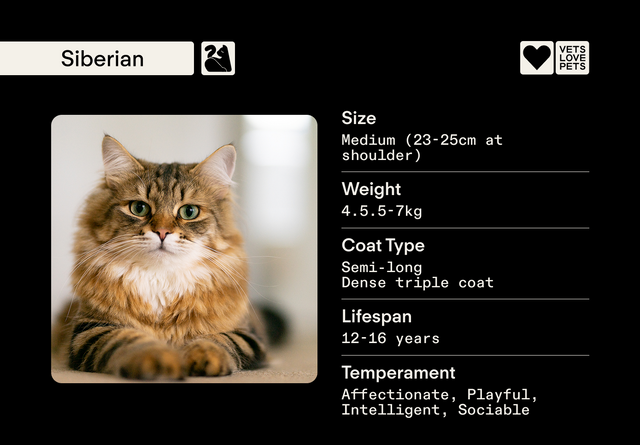
Do you ever wonder what it’s like to live with a Siberian cat? These majestic felines are not just about their stunning looks.
Their unique behavior sets them apart from other cat breeds, and understanding them can be both fascinating and rewarding. Imagine having a pet that’s not just a companion but also a source of endless intrigue and joy in your life.
Whether you’re a potential cat owner or simply a feline enthusiast, getting to know Siberian cat behavior can open up a new world of connection with these charming creatures. Dive into this guide, and discover how their playful antics, affectionate nature, and surprising intelligence can enrich your everyday life. Ready to transform your perspective on these enchanting animals? Let’s explore the captivating world of Siberian cat behavior together.

Credit: www.petplan.co.uk
Siberian Cat Origins
The Siberian cat’s origins tell a story of resilience and adaptation. These cats didn’t just appear overnight; they evolved in some of the harshest climates on Earth. Understanding where they come from can help you appreciate their unique behavior and traits even more.
Natural Habitat
The Siberian cat is native to the dense forests of Siberia, Russia. This environment is known for its extreme cold, with winters that can last for months and temperatures dropping well below freezing.
Living in such conditions shaped the Siberian’s thick triple-layered coat. It protects them from icy winds and heavy snow, making them one of the most weather-resistant cat breeds. If you’ve ever felt how soft and dense their fur is, now you know it’s built for survival, not just beauty.
Breed History
The Siberian cat’s history goes back hundreds of years, but it only gained recognition outside Russia in the late 20th century. Initially, they were simply local farm and forest cats, valued for their hunting skills and friendliness.
In the 1980s, breeders started to bring Siberians to Europe and North America. This helped establish a formal breed standard and introduced their charming personality to cat lovers worldwide. Did you know that their playful yet calm nature can be traced back to their need to coexist peacefully in tight forest communities?
Physical Characteristics
The physical characteristics of the Siberian cat make it truly unique. This breed combines strength with elegance. Its look reflects its natural adaptation to cold climates. The size, build, and coat are important features. These traits help the Siberian cat stand out among other breeds.
Size And Build
Siberian cats are medium to large in size. They have a muscular and sturdy build. This gives them great agility and strength. Their bodies are rounded but solid. They have strong legs and large paws. Their tails are bushy and long. These cats move with grace and power.
Coat And Colors
The Siberian cat’s coat is thick and water-resistant. It helps protect from harsh weather. The fur is medium to long in length. It forms a dense undercoat in winter. This coat sheds less than other long-haired cats.
Color variety is wide and beautiful. Common colors include:
- Brown tabby
- Silver
- White
- Blue
- Red
- Black
The Siberian cat may have solid, tabby, or spotted patterns. Their fur shines with a natural gloss. This breed’s coat is soft but thick to the touch.
Temperament And Personality
The Siberian cat stands out not just for its majestic looks but also for its unique temperament and personality. Understanding these traits helps you create a deeper bond and cater to their needs effectively. Their behavior often surprises new owners, revealing layers of affection, playfulness, and social interaction that make living with them a joy.
Affection Levels
Siberians are known for their strong attachment to their humans. They enjoy being close without being overly demanding, often following you from room to room. Many owners notice their cats gently nudging for attention or curling up nearby during quiet moments.
Think about how your cat shows affection—is it through gentle headbutts or soft purring? These subtle signs tell you they feel safe and connected. If you’ve ever had a Siberian hop onto your lap after a long day, you know how rewarding their quiet companionship can be.
Playfulness
Despite their sturdy appearance, Siberians retain a kitten-like energy well into adulthood. They love interactive toys and games that challenge their agility and intelligence. Simple activities like chasing a feather wand or solving puzzle feeders keep their minds sharp and bodies active.
Have you noticed how a Siberian can turn any household object into a toy? This playful spirit not only entertains them but also strengthens your bond. Encouraging regular playtime helps prevent boredom and promotes a happy, healthy cat.
Social Behavior
Siberians tend to be very social, often getting along well with other pets and children. They don’t shy away from new faces, making them great companions in busy households. Their calm yet curious nature helps them adapt quickly to changes in their environment.
Do you observe your cat watching visitors with interest or joining family activities? These behaviors highlight their desire to be part of the social fabric around them. Providing consistent interaction and positive experiences can enhance their friendly disposition even more.
Communication Styles
Siberian cats use many ways to communicate with humans and other pets. Understanding their communication styles helps build a stronger bond. They express feelings and needs clearly. Watching their signals can guide you to respond properly. These cats have unique ways to share messages through sounds and movements.
Vocalizations
Siberian cats are quite vocal but gentle with their sounds. They use soft meows to greet or ask for attention. A purr often shows contentment or trust. Sometimes, they chirp or trill to express excitement or curiosity. If they feel anxious or alert, they may hiss or growl. Their voice tone and pitch change to show different moods.
Body Language
Body language is key to understanding Siberian cats. Tail position shows mood: a high tail means happiness. Slow blinking at you is a sign of trust and love. Flattened ears and a lowered body signal fear or discomfort. Rubbing their face against you marks you as a friend. Watch their eyes, ears, and tail for clues about their feelings.
Interaction With Humans
Siberian cats have a warm and friendly nature toward humans. They enjoy spending time with their family. Their interaction shows a mix of playfulness and affection. These cats often seek attention but respect quiet moments.
Bonding Patterns
Siberians build strong connections with their owners. They show loyalty through gentle headbutts and purring. Many enjoy sitting close or on laps. This breed likes to follow family members around. They often greet their owners at the door. Siberians tend to remember people and routines well. Their trust grows with calm and kind care.
Response To Training
Siberian cats respond well to positive training. They learn commands and tricks with patience. Using treats and praise helps motivate them. They enjoy interactive toys during training sessions. This breed quickly understands daily routines. Training sessions should be short and fun. Consistency improves their behavior and skills.
Compatibility With Other Pets
Siberian cats are known for their friendly and adaptable nature. They usually do well with other pets in the home. Their social skills help them get along with different animals. Understanding their behavior helps create a peaceful environment for all.
Cats
Siberians often enjoy the company of other cats. They tend to be playful and curious, which encourages bonding. These cats rarely show aggression toward new feline friends. Early socialization improves their chances of peaceful cohabitation. They appreciate having a companion to share playtime and rest.
Dogs
Siberian cats can live happily with dogs. They are brave and confident, which helps build trust. Their calm demeanor often eases tension with canine housemates. Proper introductions are important to avoid stress. Once familiar, they usually form strong bonds and enjoy interaction.
Small Animals
Small pets like rabbits or hamsters need careful supervision around Siberians. The cat’s hunting instincts might be triggered. Siberians can be gentle but still curious about small creatures. It’s best to keep small animals in secure, separate areas. This keeps all pets safe and comfortable.
Common Behavioral Challenges
Siberian cats are known for their gentle and playful nature. Yet, some common behavioral challenges may arise. Understanding these behaviors helps in building a strong bond with your pet. Owners often face issues that require patience and attention.
Shyness Or Timidity
Many Siberian cats show shyness at first. They may hide from strangers or new environments. This behavior is normal and can improve over time. Gentle approach and quiet surroundings help shy cats feel safe.
Giving your cat space is important. Avoid forcing interaction. Let the cat come to you when ready. Small, calm steps build trust quickly.
Territorial Issues
Siberians can be territorial, especially in multi-pet homes. They may mark areas with scent or show aggression. This is their way to protect their space.
Setting clear boundaries helps reduce conflicts. Provide enough resources like food bowls and litter boxes. Separate resting spots prevent fights and stress.
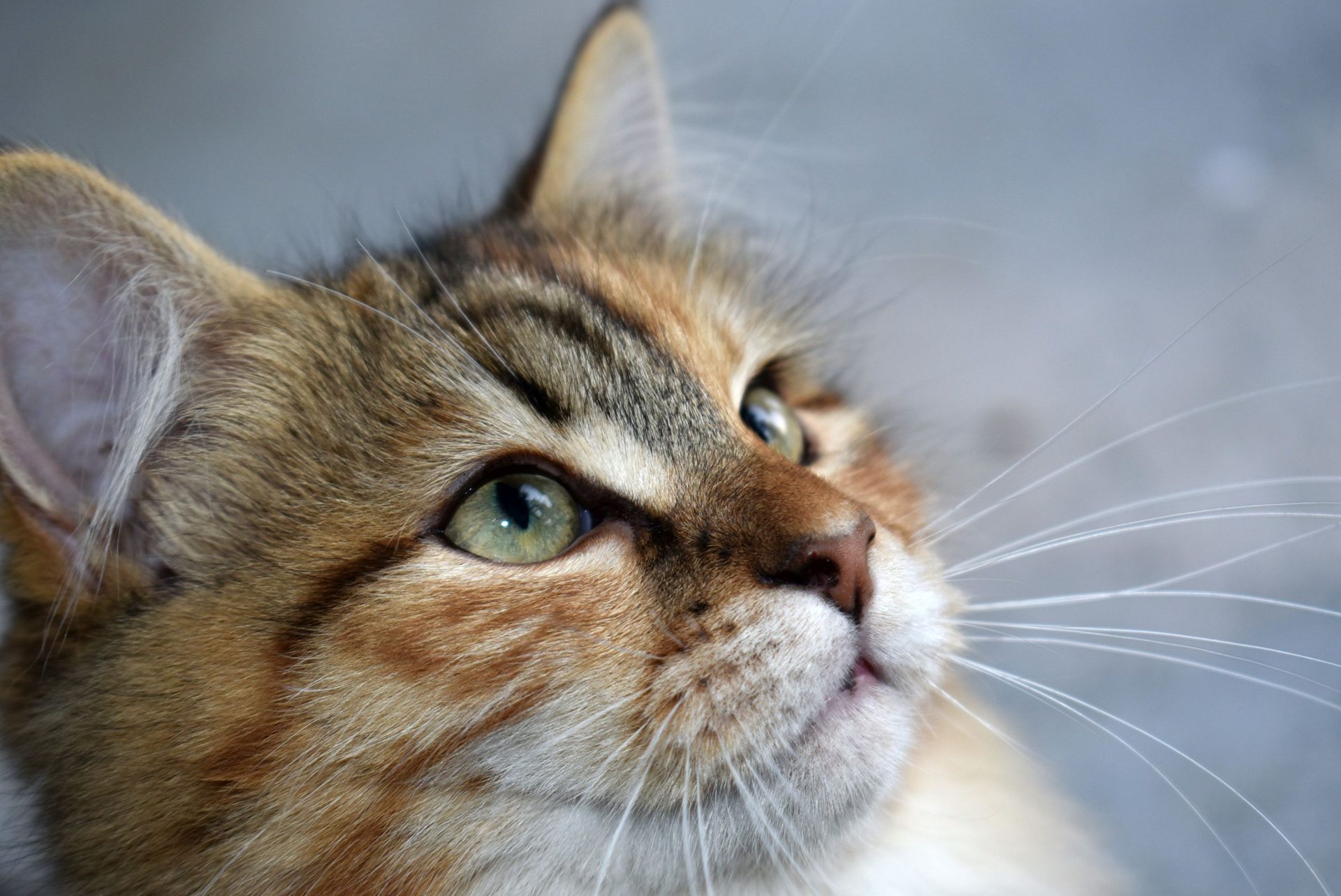
Credit: siberien.envol.ovh
Tips For Encouraging Positive Behavior
Encouraging positive behavior in your Siberian cat helps build a strong bond and creates a happy home. These cats thrive when their natural instincts are respected and gently guided. You can shape their behavior by offering the right kind of engagement and environment.
Playtime Activities
Keeping your Siberian cat active is key to preventing boredom and unwanted behavior. Use toys that mimic hunting, like feather wands or laser pointers, to satisfy their natural chase instincts.
Try short but frequent play sessions throughout the day. Notice how your cat reacts—some enjoy interactive play, while others prefer solo toys. This helps you tailor activities to what excites them most.
- Rotate toys regularly to keep things fresh.
- Include puzzle feeders to engage their mind as well as body.
- Use climbing structures to encourage jumping and exploration.
Have you observed which playtime activity makes your Siberian light up? That’s a great clue to what motivates their positive behavior.
Creating A Stimulating Environment
Siberians are curious and intelligent cats who need more than just food and water to thrive. Adding vertical spaces like cat trees or shelves gives them new territories to explore.
Introduce safe outdoor experiences if possible, such as a catio or supervised garden time. This variation in scenery helps reduce stress and destructive habits.
| Environment Element | Benefit |
|---|---|
| Window Perches | Offers entertainment through birdwatching and outdoor views |
| Interactive Toys | Stimulates mental activity and prevents boredom |
| Quiet Retreats | Provides a safe space for rest and stress relief |
What small changes can you make today to turn your home into a playground and sanctuary for your Siberian cat?

Credit: www.siberianreinhardt.com
Frequently Asked Questions
What Are Common Siberian Cat Behaviour Traits?
Siberian cats are playful, affectionate, and intelligent. They enjoy climbing and interactive play. These cats are social and bond well with families. They are also known for being curious and gentle with children and other pets.
How Do Siberian Cats Show Affection?
Siberian cats show affection by purring, head-butting, and following their owners. They often knead with their paws and enjoy sitting close. These cats may also gently nibble or lick as a sign of love and trust.
Are Siberian Cats Good With Children And Pets?
Yes, Siberian cats are friendly and tolerant. They adapt well to children and other pets due to their gentle nature. Their playful and social behaviour makes them excellent family companions and great additions to multi-pet households.
Do Siberian Cats Require Special Behavioural Training?
Siberian cats are intelligent and trainable. They respond well to positive reinforcement and interactive toys. Early socialization helps prevent shyness. Consistent routines and gentle training enhance their friendly and confident behaviour.
Conclusion
Siberian cats are friendly and full of energy. They enjoy playing and love being near people. These cats adapt well to homes and families. Understanding their behaviour helps build a strong bond. Patience and care create happy, healthy pets. Enjoy the unique traits of Siberian cats every day.
They bring joy with their playful, loving nature. A Siberian cat can be a great companion. Their gentle spirit makes them easy to love.
