

Pregnant Cat Behaviour: What You Need to Know Have you noticed your cat acting a bit differently lately? If she’s expecting kittens, her behavior might seem a little odd, but don’t worry—you’re not alone in this experience.
Understanding the changes in your pregnant cat’s behavior is crucial for both her well-being and yours. Imagine being able to predict her needs and ensure a smooth, stress-free pregnancy for your feline friend. By learning the signs and knowing what to expect, you can provide the best care possible and even deepen the bond between you and your soon-to-be mama cat.
Let’s explore the fascinating world of pregnant cat behavior together and discover what it means for you and your furry companion.
Credit: www.pethealthclub.com
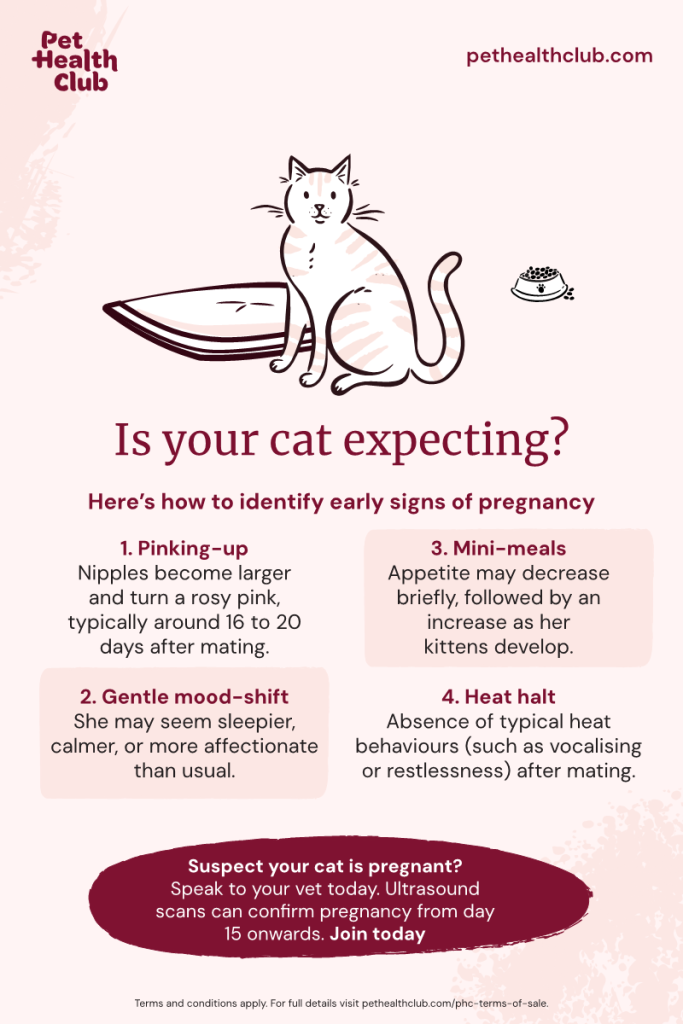
Early Pregnancy Signs
Noticing early signs of pregnancy in your cat helps ensure she gets the care she needs. These signs often appear within the first two weeks. They can be subtle but clear once you know what to watch for. Understanding these behaviors makes the pregnancy journey smoother for both you and your cat.
Changes In Appetite
Pregnant cats may eat more or less than usual. Some increase their food intake to support growing kittens. Others may lose interest in food temporarily. Watch her eating habits closely during early pregnancy. This change signals her body is adjusting to new needs.
Increased Affection
Your cat might seek more attention and cuddles. She may follow you around or purr more often. This behavior shows her desire for comfort and security. Increased affection is common as she prepares for motherhood.
Morning Sickness
Just like humans, cats can experience nausea. She may vomit or seem queasy, especially in the morning. This usually lasts a few days to a week. Morning sickness is a normal early pregnancy symptom to expect.
Credit: www.pethealthclub.com
Physical Changes
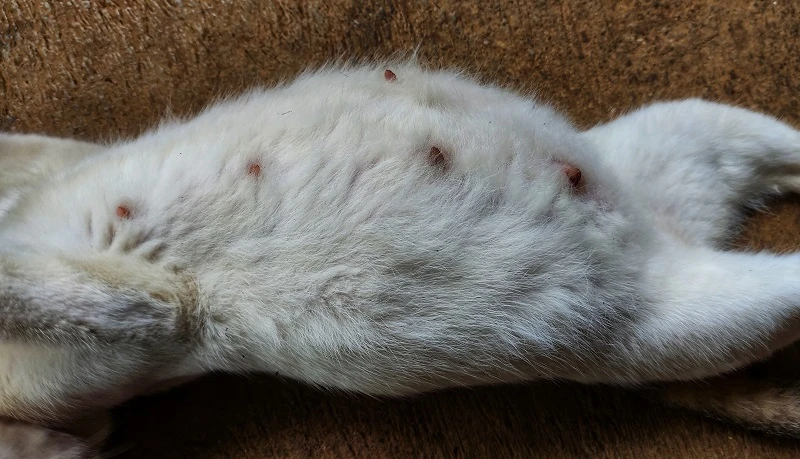
Pregnant cats show clear physical changes as their bodies prepare for kittens. These changes help support the growth of the unborn babies. Watching these signs can help you understand your cat’s condition better.
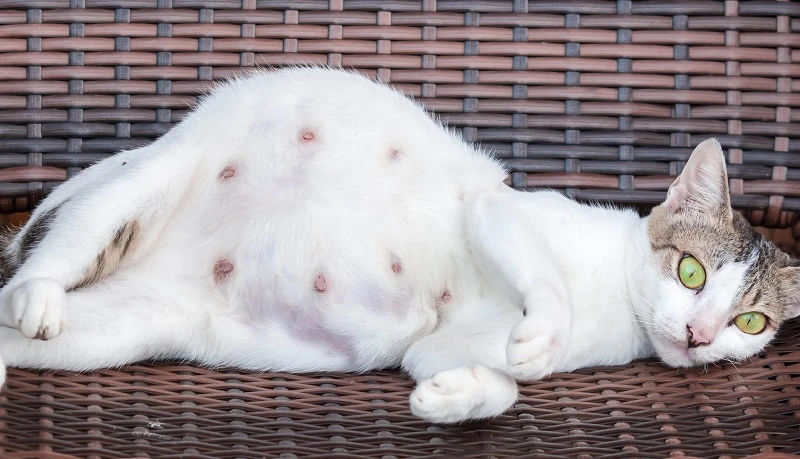
Swollen Abdomen
One of the first signs is a swollen abdomen. The belly grows larger as kittens develop inside. This change becomes visible about three weeks into pregnancy. The swelling continues until the cat is ready to give birth.
Nipple Enlargement
The nipples of a pregnant cat become larger and pinker. This process is called “pinking up.” It starts around the third week of pregnancy. The nipples also become more visible and may feel firmer to touch.
Weight Gain
Pregnant cats gain weight steadily throughout pregnancy. The increase supports the growing kittens and prepares the mother for nursing. A healthy weight gain is normal and shows the pregnancy is progressing well.
Behavioral Shifts
Pregnancy brings noticeable changes in your cat’s behavior. These shifts are her way of preparing for motherhood and ensuring her kittens’ safety. Understanding these changes can help you provide the right support during this delicate time.
Nesting Instincts
Your pregnant cat will start looking for a quiet, safe spot to give birth. She may drag soft items like blankets or towels to create a comfortable nest. You might notice her repeatedly checking the same area, making sure it feels secure.
Providing a cozy box or a secluded corner can satisfy this natural urge. Have you noticed her gathering things around the house? It’s her way of setting up a personal birthing zone.
Restlessness
As her due date approaches, your cat might pace or seem unsettled. This restlessness is normal and shows she’s getting ready for labor. You may find her changing positions frequently or vocalizing more than usual.
Try to stay calm and offer gentle reassurance during these moments. Are you able to spot when she needs attention or prefers to be left alone? Respecting her space can reduce stress for both of you.
Seeking Privacy
Pregnant cats often hide away from the usual hustle and bustle. She may choose less frequented rooms or even under furniture to avoid disturbances. Privacy helps her feel safe and less vulnerable.
Make sure she has access to these quiet areas without interruption. Have you created a peaceful retreat where she can rest undisturbed? This simple step can make a big difference in her comfort.
Health Monitoring
Monitoring the health of a pregnant cat is vital for a safe pregnancy. It helps detect problems early and keeps the mother and kittens healthy. Pay close attention to her behavior and physical signs. Small changes can mean a lot during this time.
Activity Levels
Pregnant cats often slow down their activity. They may rest more and avoid jumping. Notice if she becomes very inactive or restless. Both can indicate discomfort or stress. Provide a quiet, cozy space where she can relax safely.
Hydration Needs
Water is crucial during pregnancy. Pregnant cats need more fluids than usual. Always keep fresh water available and clean. Watch if she drinks less or shows signs of dehydration. Symptoms include dry gums and lethargy. Encourage drinking by placing water bowls in easy spots.
Regular Vet Visits
Schedule vet visits to check the cat’s health regularly. The vet can track the kittens’ growth and detect issues early. Vaccinations and parasite control are important too. Follow the vet’s advice on diet and supplements. These visits ensure both mother and kittens stay strong.
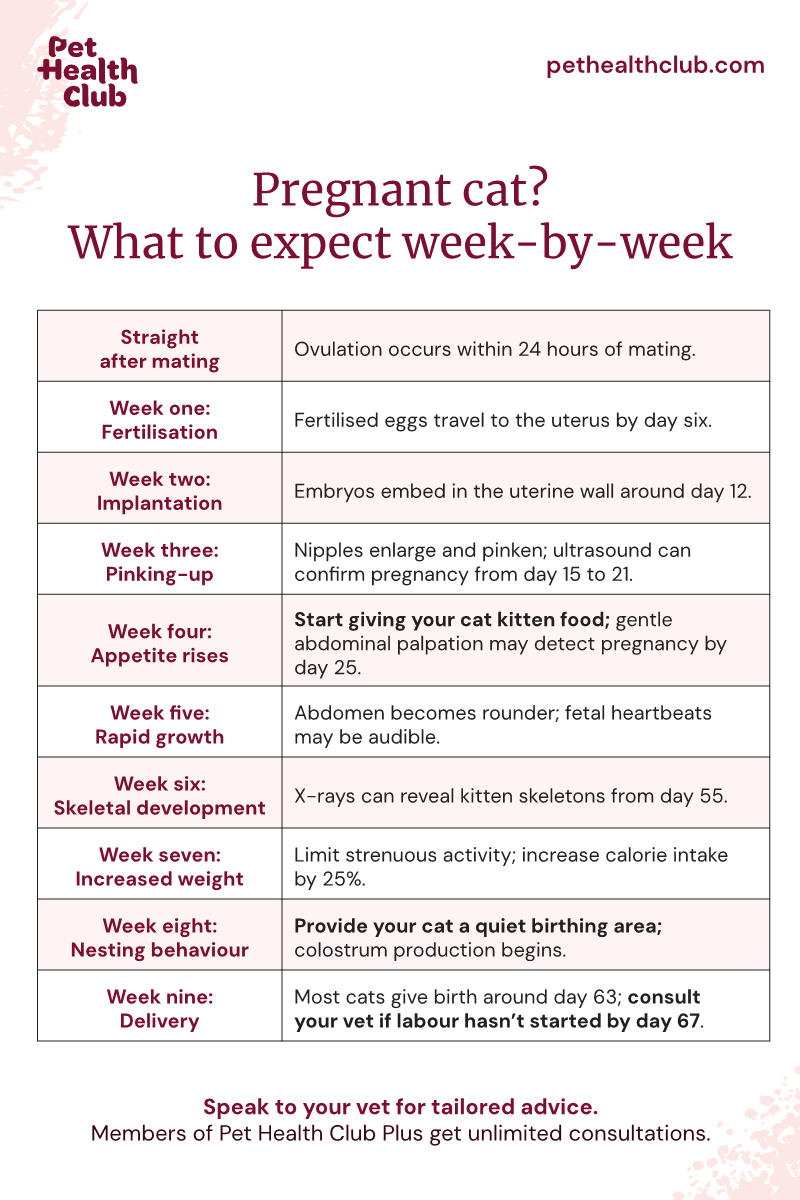
Preparing For Birth
Preparing for the birth of kittens is a crucial time for both the cat and her owner. Understanding her behavior and needs helps ensure a safe and calm delivery. Expectant cats often show clear signs that labor is near. Creating a peaceful environment supports her comfort and reduces stress. After birth, attentive care is essential for the health of the mother and her kittens.
Signs Of Labor
Watch for these common signs that labor is about to begin:
- Restlessness and pacing
- Frequent grooming of the genital area
- Loss of appetite
- Lowered body temperature below 100°F (37.8°C)
- Vocalizing more than usual
- Seeking solitude or a quiet place
Recognizing these signs early helps you prepare for the delivery.
Safe Birthing Space
Create a warm, quiet, and comfortable area for your cat to give birth. Use a box or a small enclosed space lined with soft blankets. Keep this spot in a low-traffic part of your home to avoid stress. Ensure the area is clean and free from drafts. Avoid disturbing her during labor unless necessary.
Postpartum Care
After birth, monitor the mother and kittens closely. Check that all kittens nurse and stay warm. Provide fresh water and nutritious food to the mother. Keep the nesting area clean by changing bedding regularly. Watch for signs of illness or distress in both the mother and kittens. Contact a vet if you notice unusual behavior or health problems.
Credit: www.pethealthclub.com
Frequently Asked Questions
What Are Common Signs Of A Pregnant Cat?
Common signs include morning sickness, increased appetite, and enlarged nipples. Your cat may also become more affectionate and restless as pregnancy progresses.
How Does Pregnant Cat Behavior Change?
Pregnant cats often become more tired and seek quiet, cozy places. They may also show nesting behavior, preparing a safe spot for their kittens.
When Should I Take My Cat To The Vet?
Visit the vet as soon as pregnancy is suspected. Regular check-ups ensure your cat and kittens stay healthy during the entire pregnancy.
How Long Is A Cat’s Pregnancy Period?
A cat’s pregnancy lasts about 63-65 days. This period may slightly vary depending on the breed and individual cat.
Conclusion
Pregnant cats show clear changes in their behavior. They may seek quiet spots and want more attention. Understanding these signs helps you care for them better. Watch for signs of discomfort or restlessness. Providing a calm space keeps your cat happy and safe.
Remember, patience is key during this time. Your gentle care supports a healthy pregnancy. Stay calm and observe your cat closely. This helps you prepare for the new kittens soon. Caring well makes a big difference for both mother and babies.
