

Struggling with your cat’s naughty antics? You’re not alone.
Many cat owners face the daily challenge of dealing with unwanted behaviors. But what if there was a simple, effective way to transform your feline friend into a well-behaved companion? Enter clicker training. This revolutionary technique can work wonders in curbing your cat’s bad behavior.
Imagine a life where your cat listens and responds positively to your cues. Intrigued? Read on to discover how clicker training can help you achieve that harmonious relationship you’ve always wanted with your furry friend.

Credit: www.catschool.co
Basics Of Clicker Training
Clicker training is a simple and effective way to teach cats good behavior. It uses a small device called a clicker to mark the exact moment your cat does something right. This helps your cat understand what behavior you want to encourage. With patience, clicker training can stop bad habits and build a stronger bond between you and your cat.
What Is Clicker Training
Clicker training is a type of positive reinforcement. A click sound marks good behavior. After the click, the cat gets a treat or praise. This helps the cat link the behavior with a reward. Over time, the cat learns to repeat the good behavior to earn more rewards.
Why Use Clicker Training For Cats
Clicker training works well because cats respond to clear signals. The click sound is consistent and easy to recognize. It is more precise than just using voice commands. Cats learn faster and understand what is expected. This method reduces confusion and frustration for both cat and owner.
Tools Needed For Clicker Training
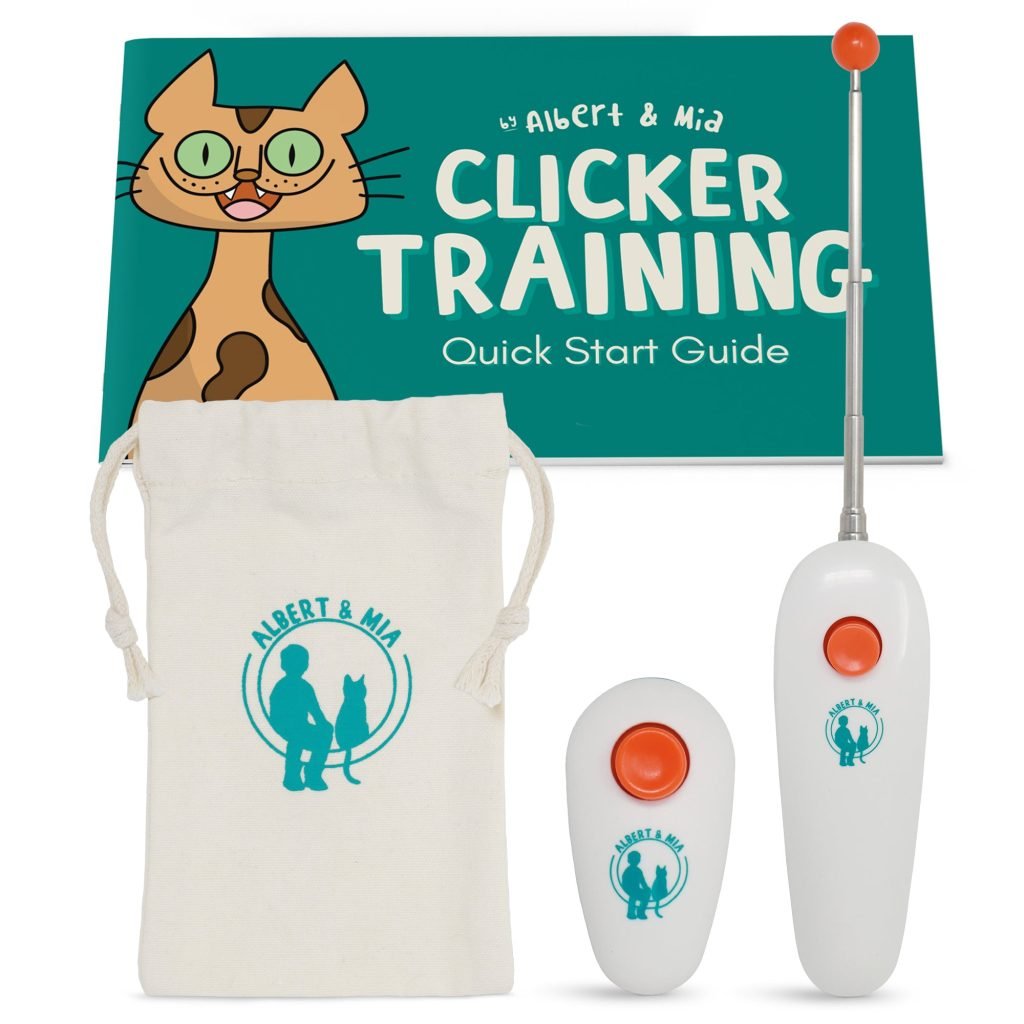
- Clicker:A small handheld device that makes a clicking sound.
- Treats:Small, tasty rewards that your cat loves.
- Quiet Space:A calm area with few distractions.
- Patience:Consistency and time to train your cat effectively.
:strip_icc()/spruce-pets-cat-clicker-training-5594c453bd7f499aa8e7cf756d485afc.png)
Credit: www.thesprucepets.com
Identifying Bad Behaviors
Recognizing what counts as bad behavior is the first step in clicker training your cat. Understanding these actions helps you respond correctly. It also creates a clear path for effective training. Not all behaviors are harmful, but some can disrupt your home or cause harm.
Identifying the exact behaviors to change helps in setting clear training goals. This makes the training process smoother for both you and your cat. The next sections explain common misbehaviors, their triggers, and how to set achievable goals.
Common Cat Misbehaviors
- Scratching furniture or carpets
- Biting or scratching people during play
- Jumping on counters or tables
- Excessive meowing or yowling
- Urinating outside the litter box
- Stealing food or knocking items over
Triggers And Causes
Stress or fear can lead to unwanted behaviors. Boredom may cause your cat to act out. Lack of proper playtime often results in biting or scratching. Medical issues sometimes cause sudden behavior changes. Understanding these causes helps you address the root problem.
Setting Realistic Goals
Focus on one behavior at a time. Choose actions that are most important to change. Set small, clear steps for improvement. Reward progress to keep your cat motivated. Patience is key; training takes time and consistency.
Starting Clicker Training
Starting clicker training with your cat can be a game-changer in stopping unwanted behaviors. It builds a clear line of communication between you and your feline friend. But the key to success lies in how you begin. Let’s look at some essential steps to get you and your cat on the right path.
Introducing The Clicker
The first thing you need is a clicker—a small handheld device that makes a consistent clicking sound. Before you use it for training, let your cat get familiar with the noise. Click the device a few times and immediately follow with a treat to help your cat associate the sound with something positive.
Have you noticed how some cats react curiously to new sounds? Your cat might tilt their head or come closer to investigate. Use this natural curiosity to your advantage to build a positive connection with the clicker right from the start.
Timing The Click
Timing is everything in clicker training. The click must happen the exact moment your cat does the behavior you want to encourage. For example, if your cat sits calmly, click as soon as their bottom touches the floor.
Try to be sharp and consistent with your timing. If you click too late, your cat might get confused about what action earned the reward. Practicing timing can feel tricky at first, but it’s the foundation for effective training.
Using Treats Effectively
Treats are the rewards that make clicker training work. Choose small, tasty treats that your cat loves but don’t overfeed. You want the treat to be a real motivator, not just an ordinary snack.
Give the treat immediately after the click to reinforce the connection. Over time, you can reduce treat frequency but keep the click as a marker of good behavior. Have you experimented with different treats to find what excites your cat the most?
Techniques To Stop Bad Behavior
Stopping bad behavior in cats can feel like a challenge, but with the right techniques, you can guide your feline friend toward better habits. Clicker training offers a clear way to communicate what you expect from your cat, making the learning process smoother for both of you. Let’s look at effective strategies that can help you redirect unwanted actions into positive ones.
Redirecting Attention
Redirecting your cat’s attention is a powerful way to stop bad behavior without confrontation. When your cat starts scratching furniture or jumping on counters, offer a toy or a scratching post instead. This shifts their focus to a more acceptable outlet for their energy and curiosity.
Try waving a feather wand or tossing a small ball to catch their interest. You’ll notice how quickly your cat can switch gears when given an appealing alternative. Have you noticed how cats often respond better to what they want than what you tell them they shouldn’t do?
Rewarding Positive Actions
Positive reinforcement is at the heart of clicker training. When your cat does something good, like using their scratching post or coming when called, immediately use the clicker followed by a tasty treat. This builds a clear connection between the behavior and the reward.
Consistency is key. The more you reward positive actions, the more your cat will repeat them. Think about what treats or praise your cat loves most—tailoring rewards makes the training more effective and enjoyable for both of you.
Ignoring Unwanted Behavior
Sometimes, ignoring your cat’s bad behavior can be more effective than reacting. Attention, even if it’s negative, can reinforce unwanted actions like meowing loudly or jumping on furniture. By withholding your response, you remove the incentive for the behavior.
This requires patience and consistency. You might find it hard to resist responding, but over time, your cat will learn that certain behaviors don’t get any reaction. How often do you find yourself unintentionally encouraging your cat by giving in to their demands?
Advanced Training Tips
Advanced clicker training goes beyond basic commands and requires a deeper commitment to your cat’s learning process. It challenges you to fine-tune your approach and stay engaged even when progress seems slow. Here are some practical tips to help you master this stage and effectively stop unwanted behaviors.
Consistency And Patience
Consistency is the backbone of any successful training. Cats respond best when they encounter the same cues and rewards every time. If you reward your cat sometimes but ignore the behavior at other times, it creates confusion.
Patience is equally important. Cats don’t learn at the same pace as dogs or humans. Sometimes, it may take weeks before your cat fully understands what you want. Keep sessions short and positive to avoid frustration for both of you.
Combining Clicker Training With Other Methods
Clicker training works best when combined with other techniques like environmental adjustments or redirection. For instance, if your cat scratches furniture, provide a scratching post and reward your cat for using it with the clicker.
Using deterrents such as double-sided tape or citrus scents alongside clicker training can speed up behavior change. The key is to reward good behavior consistently while minimizing opportunities for bad habits.
Tracking Progress
Keeping a simple training journal can reveal patterns you might miss otherwise. Note the times of day your cat is most responsive or when bad behaviors tend to occur. This data helps you adjust your training schedule for better results.
Ask yourself: Is your cat improving in small steps, or are there setbacks? Tracking progress keeps you motivated and allows you to celebrate even tiny victories, which are crucial in maintaining your enthusiasm and your cat’s engagement.
Troubleshooting Common Issues
Training your cat with a clicker can be rewarding, but it’s normal to hit a few bumps along the way. Troubleshooting common issues helps keep your training on track and your cat engaged. Understanding why your cat might not respond or how to avoid overtraining can make a big difference.
When Cats Don’t Respond
If your cat ignores the clicker, don’t get discouraged. Sometimes, the timing of the click or the reward isn’t clear to them.
- Check if you’re clicking exactly when the desired behavior happens.
- Use a high-value treat that your cat loves and offers it immediately after the click.
- Try shorter training sessions to keep your cat’s attention sharp.
Ask yourself: Is the environment too noisy or distracting? Cats can be sensitive to surroundings, so a quiet, calm space often works best.
Avoiding Overtraining
Training is about quality, not quantity. Overtraining can make your cat bored or stressed, which kills motivation.
- Limit sessions to 5-10 minutes to keep things fun.
- Watch for signs of frustration like tail flicking or walking away.
- End on a positive note by rewarding a simple behavior your cat does well.
Have you noticed your cat losing interest mid-session? It might be time to pause and try again later.
Handling Setbacks
Setbacks happen, even to experienced trainers. Your cat might revert to old habits or ignore commands.
- Stay patient and consistent; frustration can make things worse.
- Go back a step or two to rebuild success and confidence.
- Keep training fun by mixing up rewards or introducing new tricks.
Remember, every cat learns at its own pace. What’s one small adjustment you can make today to improve your training session?
Benefits Beyond Behavior
Clicker training offers more than just stopping bad behavior in cats. It creates a positive space for learning and growth. This method helps cats and owners connect deeply. Cats enjoy challenges and rewards, making training fun. Benefits stretch beyond behavior control into areas that improve your cat’s happiness and well-being.
Strengthening Bond With Your Cat
Clicker training builds trust between you and your cat. It uses positive reinforcement, which makes your cat feel safe. Your cat learns to listen and respond happily. This shared activity creates a special connection. Spending time together through training strengthens your relationship.
Mental Stimulation
Cats need mental exercise to stay sharp and healthy. Clicker training challenges their minds with new tasks. Learning tricks or commands keeps them alert and interested. It prevents boredom that can lead to bad behavior. A stimulated cat is a happier and calmer pet.
Building Confidence
Training helps shy or fearful cats feel more secure. Success with each click builds their self-esteem. They learn they can control outcomes by following cues. This confidence spreads to other areas of their life. A confident cat explores and interacts more freely.

Credit: www.catschool.co
Frequently Asked Questions
What Is Clicker Training For Cats?
Clicker training uses a small device that makes a clicking sound. It marks desired behavior and rewards the cat immediately. This method helps cats learn new habits quickly and effectively.
How Does Clicker Training Stop Bad Behavior?
Clicker training reinforces good behavior by rewarding it. It redirects the cat from unwanted actions to positive ones. Over time, bad habits reduce as the cat seeks rewards for good actions.
How Often Should I Use Clicker Training Sessions?
Short, frequent sessions work best. Aim for 5-10 minutes, two to three times daily. Consistency helps your cat learn faster and keeps training engaging.
Can Clicker Training Help With Scratching Furniture?
Yes, clicker training can teach cats to use scratching posts. Reward your cat when it scratches the post, not the furniture. This encourages healthy scratching habits and protects your belongings.
Conclusion
Clicker training helps your cat learn good habits quickly. It uses rewards to encourage positive behavior. This method builds trust between you and your cat. Consistency is key; practice a little every day. Avoid punishment to keep your cat happy and calm.
Over time, bad habits will fade away. Your cat will become more obedient and relaxed. Patience and kindness make training successful. Try clicker training to see gentle results soon.
