

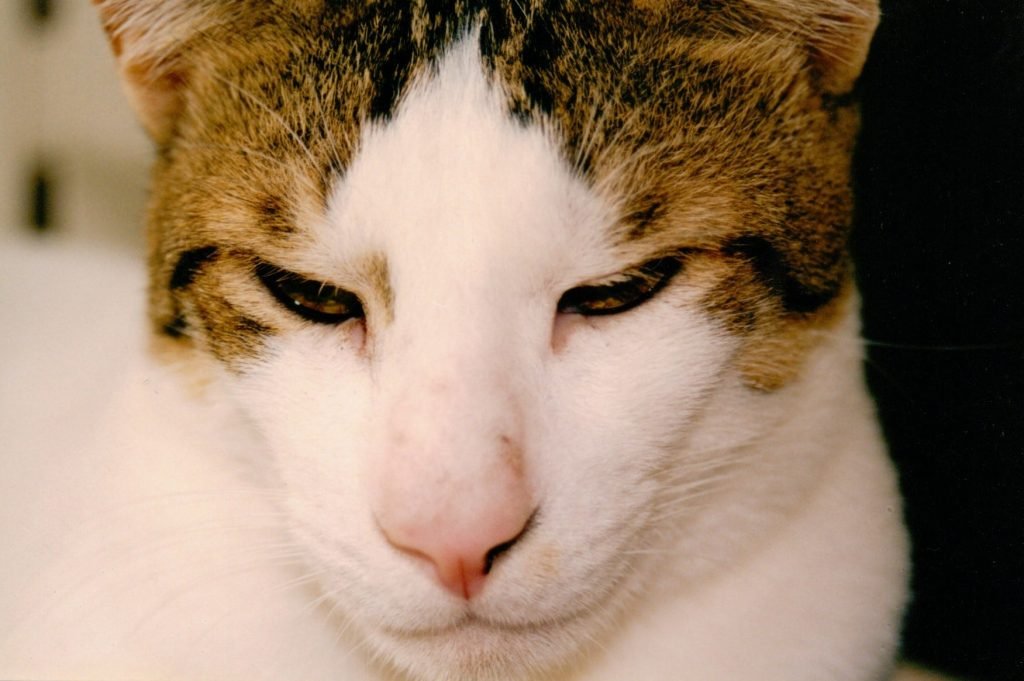
Facing the reality of your cat nearing the end of its life can be heart-wrenching. As a loving pet owner, you want to ensure your feline friend is as comfortable as possible during these difficult times.
Understanding dying cat behavior can help you provide the best care and recognize when it’s time to seek additional support. We’ll explore the subtle signs and behaviors your cat might display as they approach their final days. By the end, you’ll be equipped with the knowledge to make informed decisions, ensuring your beloved companion feels cherished and at peace.
Don’t miss out on these vital insights that could make all the difference for you and your pet.

Credit: www.petscare.com
Common Signs Of Dying Cats
Recognizing the common signs of a dying cat can be one of the hardest moments you face as a pet owner. These signs are often subtle and happen gradually, but paying attention to them helps you provide the comfort your cat needs. Understanding these changes allows you to prepare emotionally and take the right steps to support your beloved companion in their final days.
Changes In Appetite
A noticeable drop in appetite is often one of the earliest signs that a cat is nearing the end of life. You might see your cat refusing their favorite treats or skipping meals altogether. This loss of interest in food happens because their body is shutting down and no longer processing nutrients the way it used to.
Have you noticed your cat pushing away their bowl or eating less than usual? This small change might feel insignificant, but it’s important to observe closely and talk to your vet about what it might mean.
Altered Breathing Patterns
Breathing changes are another critical indicator. Your cat’s breathing might become shallow, irregular, or labored. You could also see pauses between breaths or unusual noises like wheezing or coughing.
Watching your cat breathe can be unsettling, but it reveals a lot about their condition. If your cat’s breath seems different, it’s a sign their body is struggling, and they may need extra care or pain relief.
Decreased Mobility
When a cat starts moving less or struggles to get around, it often means their strength is fading. You may find them staying in one spot for hours or avoiding jumping onto furniture they used to love. This decline can be due to weakness, pain, or discomfort.
Have you noticed your cat hesitating before climbing stairs or not following you around like before? These changes can signal that they’re conserving energy and preparing for the end.
Behavioral Changes
Behavior often shifts dramatically in dying cats. Some become withdrawn and hide in quiet places, while others may seek constant attention. You might also see signs of confusion or restlessness.
Pay close attention to your cat’s mood and social habits. A normally affectionate cat who suddenly avoids contact or a shy cat who becomes clingy is trying to tell you something important about their comfort and well-being.

Credit: www.petscare.com
Physical Symptoms To Watch
Noticing physical changes in your cat can be unsettling, but these signs are crucial to understand. They often reveal how your cat is feeling and whether they may be nearing the end of their life. Paying attention to these symptoms helps you provide the right care and comfort when your cat needs it most.
Weight Loss And Muscle Wasting
Sudden or gradual weight loss in cats is a significant red flag. You might notice their ribs, spine, or hip bones becoming more visible. Muscle wasting often accompanies this weight loss, making your cat appear frail and weaker than usual.
Have you observed your cat struggling to jump or climb like before? This change can signal muscle loss. Tracking your cat’s weight regularly can help you catch these signs early and take action.
Poor Grooming Habits
When cats start neglecting their grooming, it’s a clear sign of distress or illness. You might find matted fur, dandruff, or a greasy coat where they once kept themselves spotless. This change often happens because they lack the energy or motivation to groom.
Ask yourself if your cat’s fur looks dull or if there are clumps of fur they’ve stopped cleaning. Poor grooming could indicate pain, weakness, or cognitive decline, all of which are common in dying cats.
Changes In Eye Appearance
Eyes can reveal a lot about your cat’s health. Look for cloudiness, excessive tearing, or unusual discharge. Pupils that don’t respond normally to light or a dull, glazed look can also be warning signs.
Have you noticed your cat’s eyes looking different recently? These changes might indicate infection, dehydration, or systemic illness. Regularly checking their eyes can help you spot issues that may need veterinary attention.
Unusual Vocalizations
Changes in how your cat vocalizes can be a cry for help. Increased meowing, yowling, or even silence when they used to be vocal might reflect pain, confusion, or discomfort. Pay attention to when and how often these vocalizations occur.
Think about whether your cat’s sounds seem different in tone or urgency. These vocal changes often communicate what your cat cannot say directly, helping you understand their emotional and physical state better.
Emotional And Social Shifts
As cats approach the end of their lives, their emotions and social habits often change. These shifts can be subtle or obvious. Understanding these behaviors helps caregivers provide better comfort and care. Emotional and social changes reflect how cats cope with pain, fear, or confusion.
Seeking Solitude
Dying cats often prefer to be alone. They may hide in quiet, dark places. This solitude helps them feel safe and calm. Avoid forcing interaction during this time. Respect their need for space and privacy.
Increased Affection
Some cats become more affectionate near the end. They seek comfort in gentle petting and close contact. This change shows their desire for reassurance and love. Respond with soft voices and slow movements.
Loss Of Interest In Play
Play is usually less important to a dying cat. They might ignore toys or activities they once enjoyed. Lack of energy and pain can cause this. Focus on providing rest and gentle companionship instead.

Credit: www.petscare.com
Medical Conditions Leading To Decline
Understanding the medical conditions that cause a cat’s health to decline is essential for anyone caring for a senior or unwell feline. These illnesses often show subtle signs before the situation worsens, so recognizing them early can make a significant difference in your cat’s comfort and quality of life. Let’s look closely at some common medical issues that lead to a cat’s gradual decline.
Kidney Failure
Kidney failure is a common cause of deterioration in older cats. It happens when the kidneys lose their ability to filter waste from the blood effectively.
You might notice your cat drinking and urinating more than usual. Loss of appetite and weight loss are also key signs to watch for.
Have you observed your cat hiding or seeming lethargic? These could be symptoms linked to kidney issues. Early veterinary tests can help catch kidney failure before it becomes severe.
Cancer Signs
Cancer in cats often develops quietly, making it hard to detect until it’s advanced. Changes in behavior such as sudden aggression or withdrawal might be more than just mood swings.
Look for lumps, persistent wounds, or unexplained weight loss. Difficulty breathing or coughing can also point to internal tumors.
Regular check-ups and paying attention to any new or unusual physical changes can help you spot cancer signs early. Would you feel confident recognizing these signs before your vet confirms a diagnosis?
Chronic Pain Indicators
Cats are experts at hiding pain, especially chronic discomfort. You may notice your cat grooming less or avoiding jumping and climbing activities they used to enjoy.
Other signs include irritability and changes in sleeping patterns. Sometimes, subtle limping or stiffness after resting can indicate ongoing pain.
Have you ever caught your cat limping or refusing to play? These could be cries for help. Addressing chronic pain early with your vet can improve your cat’s daily comfort dramatically.
Care Tips For A Dying Cat
Caring for a dying cat requires gentle attention and understanding. This time needs kindness, patience, and comfort. Small actions can ease your cat’s final days. Focus on their needs with love and care.
Comfort Measures
Provide soft bedding in a quiet spot. Keep your cat warm but not too hot. Avoid loud noises and sudden movements. Gently pet your cat to offer reassurance. Keep their litter box close to reduce stress.
Pain Management
Watch for signs of discomfort like restlessness or vocalizing. Consult your vet for proper pain relief. Never give human medicine to your cat. Follow the vet’s instructions carefully. Pain control helps your cat stay calm and peaceful.
Nutrition Support
Offer easy-to-eat, favorite foods in small amounts. Warm food slightly to improve smell and taste. Encourage hydration with fresh water or broth. If eating becomes hard, talk to your vet about alternatives. Proper nutrition supports strength and comfort.
Creating A Peaceful Environment
- Keep the area quiet and dimly lit.
- Limit visitors to reduce stress.
- Maintain a routine to provide stability.
- Use calming pheromone sprays if recommended.
- Stay close and speak softly to your cat.
When To Consult A Veterinarian
Knowing when to consult a veterinarian is crucial if a cat shows signs of serious illness or nearing end of life. Early professional advice can ease suffering and guide difficult decisions. Some symptoms need immediate attention while others require thoughtful planning.
Emergency Symptoms
Seek veterinary help immediately if your cat shows:
- Difficulty breathing or gasping for air
- Uncontrolled bleeding or severe wounds
- Seizures or loss of consciousness
- Extreme weakness or inability to stand
- Sudden collapse or severe pain
These signs indicate urgent health risks and need prompt action.
Euthanasia Considerations
Discuss euthanasia with a vet when your cat’s pain cannot be controlled. The goal is to prevent suffering and keep dignity. A vet can explain the process and help you decide the right time.
Factors to consider include quality of life and your cat’s comfort. Professional guidance ensures a peaceful and painless end.
End-of-life Planning
Plan ahead with your vet for your cat’s final days. Talk about:
- Possible symptoms and how to manage them
- Comfort care options like pain relief and hydration
- Signs indicating the need for emergency care
- Decisions about euthanasia timing
Advance planning reduces stress and improves care quality for your cat.
Frequently Asked Questions
What Are Common Signs Of Dying Cat Behaviour?
Dying cats often show reduced movement, loss of appetite, and increased sleeping. They may hide or seek comfort. Changes in breathing and vocalizations are common signs. Recognizing these helps provide timely care and emotional support to your cat.
How Does A Cat Act When It’s Near Death?
Near death, cats tend to withdraw and avoid interaction. They may stop eating and drinking. Their breathing may become irregular or labored. Cats might display confusion or restlessness. These behaviours signal the need for veterinary attention and comfort care.
Can A Cat’s Behaviour Predict Its Time Of Death?
Certain behaviours, like extreme lethargy and refusal to eat, can indicate approaching death. While exact timing is hard to predict, observing these signs helps owners prepare emotionally and seek veterinary advice for palliative care.
How To Comfort A Dying Cat At Home?
Provide a quiet, warm, and familiar space. Offer gentle petting and speak softly. Keep food and water accessible but don’t force feeding. Maintain hygiene and consult a vet for pain management. Comforting your cat reduces stress and anxiety.
Conclusion
Understanding dying cat behavior helps you provide comfort and care. Cats may act differently as they near the end. They might hide, eat less, or become quiet. Paying attention to these signs shows you care deeply. Offering a calm, safe space supports your cat’s needs.
Gentle touch and soft words bring peace. Cherish the moments you have left together. Your love makes this time easier for both. Stay patient and kind through this tough journey.
