

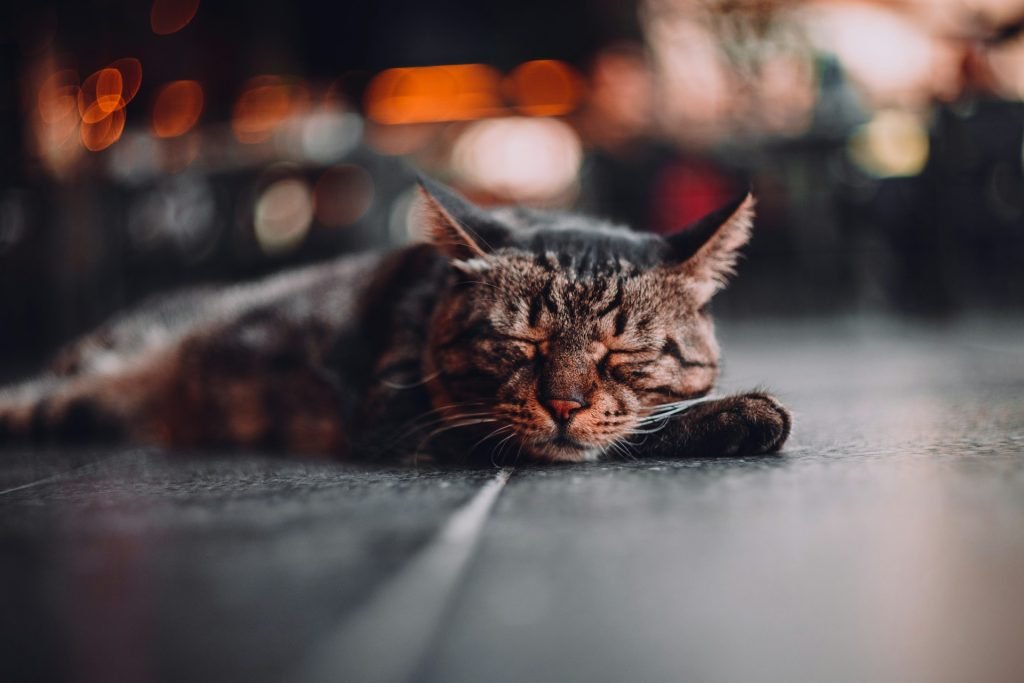
Facing the impending loss of a beloved feline can be heart-wrenching. You may notice changes in your cat’s behavior that leave you puzzled or concerned.
Understanding these signs can help you provide comfort to your furry friend in their final days, and it can offer you some peace of mind as well. We’ll delve into the subtle and not-so-subtle behaviors cats exhibit before death. You’ll discover how to recognize these signs, what they mean, and how you can make your cat’s last days as comfortable as possible.
Stay with us as we guide you through this emotional journey, offering insights that can make a difficult time a bit more bearable for both you and your cherished pet.
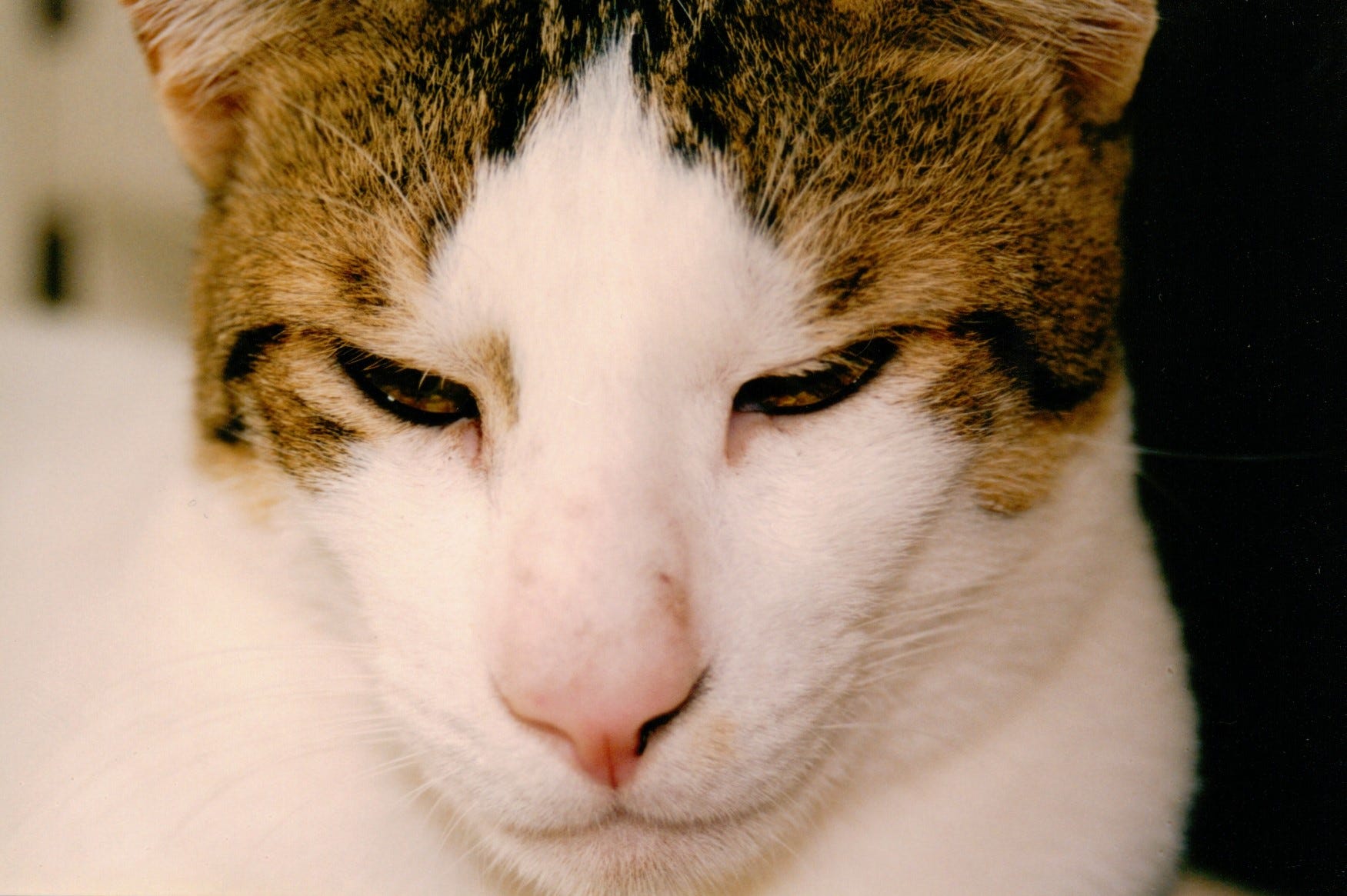
Credit: medium.com
Changes In Appetite
Changes in appetite are one of the most noticeable signs that your cat may be nearing the end of its life. These shifts can be subtle or quite dramatic, and they often reflect underlying physical or emotional distress. Paying close attention to your cat’s eating and drinking habits can offer important clues about their well-being.
Loss Of Interest In Food
You might notice your cat turning away from their favorite meals or leaving food untouched. This loss of appetite can happen gradually or suddenly, and it often signals that your cat is feeling weak or uncomfortable.
Sometimes, cats stop eating because of pain or nausea, while other times it’s due to a lack of energy. If your cat avoids food for more than a day, it’s a clear sign to consult your vet. Have you ever seen your cat push away food it used to love? That behavior is worth paying attention to.
Sudden Thirst Variations
Changes in water intake can be just as telling as changes in eating. Your cat may drink much less or suddenly become very thirsty. Both extremes can indicate serious health issues.
For example, increased thirst might mean kidney problems or diabetes, while decreased drinking could show dehydration or oral pain. Keep track of your cat’s water habits daily. Do you notice your cat drinking more or less than usual? This simple observation can make a big difference.
Altered Sleeping Patterns
Cats often show changes in their sleep habits before passing away. These altered sleeping patterns can be signs of their body slowing down. Understanding these changes helps pet owners provide better care and comfort during this difficult time.
Increased Sleeping Time
Cats may sleep much more than usual. They often rest for long hours, sometimes almost all day. This increased sleep helps their body conserve energy. It is a natural response as their strength fades. Owners might notice the cat prefers quiet, undisturbed places.
Restlessness And Agitation
Some cats may seem restless despite sleeping more. They might wake up often and move around nervously. This agitation can happen due to discomfort or confusion. Cats may also change sleeping spots frequently. It shows their struggle to find comfort in the final days.
Withdrawal From Social Interaction
Cats often show a noticeable change in their social behavior as they near the end of their lives. One of the clearest signs is their withdrawal from social interaction. This shift can be subtle or quite obvious, but it usually reflects their discomfort or instinctual need to isolate themselves.
Avoiding Family Members
You might notice your cat suddenly avoiding your presence or that of other family members. They may no longer jump onto your lap or respond to their name. This distancing isn’t about anger or dislike; it’s often a way for them to conserve energy or cope with pain.
Think about a time when you felt unwell and just wanted to be left alone. Cats experience something similar. Watching for this behavior can help you understand when your cat needs quiet time instead of attention.
Hiding Behavior
Hiding becomes a common behavior in cats approaching death. Your usually visible pet might disappear for hours or days, choosing dark, secluded spots.
This instinctive hiding helps them feel safer. It also protects them from perceived threats during their vulnerable state.
Have you checked all the usual and unusual spots in your home? Under beds, inside closets, or behind furniture might become your cat’s go-to retreats. Offering gentle reassurance without forcing interaction can ease their stress.
Physical Signs Of Decline
Physical signs of decline in cats often show clearly as they near the end of life. These signs help pet owners understand their cat’s condition. Observing these changes can guide decisions about care and comfort. Cats might hide pain, but their body shows what they feel.
Labored Breathing
Labored breathing means your cat struggles to breathe. Breaths may become fast, shallow, or uneven. You might see the chest moving hard with each breath. Sometimes, cats open their mouths to breathe. This is unusual for cats and signals distress. Labored breathing can mean serious health issues affecting the lungs or heart.
Weakness And Mobility Issues
Weakness shows as less energy and slower movements. Cats may struggle to jump or climb like before. They might lie down more and avoid walking. Muscle loss or pain can cause mobility problems. You may notice stiffness or trembling in their legs. These signs reflect the body’s gradual loss of strength and control.
Changes In Vocalization
Cats often change how they vocalize as they near the end of life. These changes can be a sign of discomfort, confusion, or a need for attention. Paying attention to shifts in their sounds helps understand their state better. Vocal changes might be subtle or very clear.
Increased Meowing Or Silence
Some cats meow more than usual before passing away. This increased vocalization may express pain or anxiety. They might call out more, seeking comfort or help. Others become unusually quiet, withdrawing from noise and interaction. This silence can signal weakness or deep rest.
Unusual Sounds
Cats may make strange sounds that owners don’t recognize. These can include low moans, growls, or even chirping noises. Unusual vocalizations often reflect distress or confusion. Such sounds can be sudden and last for short periods. Recognizing these helps provide timely care and comfort.

Credit: www.youtube.com
Bathroom Habits Shift
Changes in bathroom habits often signal a cat’s declining health. These shifts may be subtle or more obvious. Paying attention to these signs helps provide better care during their final days.
Incontinence
Some cats lose control over their bladder or bowels. This lack of control is called incontinence. It happens because muscles weaken or nerves stop working well. You might find accidents outside the litter box. This can be upsetting but shows the cat needs extra help.
Incontinence can make cats uncomfortable and stressed. Keeping their resting area clean and soft is important. Use gentle wipes to clean them without hurting their skin. Regular vet visits can check if treatments might reduce this issue.
Changes In Litter Box Use
Near the end, cats may change how they use their litter box. Some visit less often or avoid it completely. They might also urinate or defecate in unusual spots. This behavior can stem from pain, weakness, or confusion.
Watch for signs like:
- Struggling to enter or exit the box
- Spending too much or too little time inside
- Choosing different places to relieve themselves
Adjust the litter box by making it more accessible. Use low sides or place it near their resting spot. Clean it frequently to encourage use and reduce odor. These small changes improve your cat’s comfort and dignity.
Seeking Comfort And Familiarity
As cats near the end of their lives, they often seek comfort and familiarity to ease their anxiety and physical discomfort. This natural behavior helps them feel safe and less alone during a vulnerable time. Observing these signs can give you a deeper understanding of your cat’s needs and how you can support them.
Clinging To Owners
You might notice your cat suddenly becomes more attached to you, following you from room to room or resting closer than usual. This increased closeness is their way of finding reassurance and warmth in a familiar presence. Don’t hesitate to offer gentle pets or quiet company—your calm presence can be incredibly soothing.
Think about moments when your cat sought you out during stressful times before. That instinct doesn’t disappear; it intensifies as they near the end. Have you ever felt your cat’s quiet need for comfort even if they can’t express it in words?
Preference For Quiet Spaces
Many cats start to avoid noisy or busy areas, preferring secluded spots where they feel hidden and safe. This behavior is a way to minimize stress and conserve energy. You can help by creating cozy, quiet corners with soft bedding away from household noise.
Watch for your cat retreating to a particular spot repeatedly—it’s likely their chosen refuge. Offering easy access to these spaces can make a significant difference in their comfort level. What quiet place does your cat seem drawn to when they want to be alone?
When To Seek Veterinary Help
Knowing when to seek veterinary help is crucial for a cat nearing the end of life. Cats often hide pain and discomfort, making it hard to tell when they need urgent care. Early veterinary support can ease suffering and provide guidance for the best care approach.
Recognizing Emergency Signs
Some signs require immediate veterinary attention. Watch for:
- Sudden difficulty breathing or rapid breathing
- Severe weakness or inability to stand
- Continuous vomiting or diarrhea
- Severe bleeding or wounds
- Sudden confusion or seizures
- Unresponsiveness or collapse
These symptoms may signal serious problems. Do not delay in getting help.
Palliative Care Options
Veterinarians can offer palliative care to keep cats comfortable. This care focuses on pain relief and quality of life.
- Medications to reduce pain and discomfort
- Fluid therapy to prevent dehydration
- Assistance with feeding and nutrition
- Environmental adjustments for comfort and safety
- Guidance on managing symptoms at home
Palliative care helps cats live peacefully during their final days.

Credit: www.petscare.com
Frequently Asked Questions
What Are Common Signs Of Cat Behavior Before Death?
Cats often hide, lose appetite, and become lethargic before death. They may also seek solitude and show less interest in their surroundings. These changes indicate discomfort and declining health, signaling their end of life is near.
How Do Cats Act When They Are Dying?
Dying cats usually become quiet, weak, and less responsive. They might stop grooming and avoid interaction. Their breathing may become irregular, and they often withdraw to a peaceful, hidden spot to rest.
Can Cats Show Pain Before Death?
Yes, cats can show pain through vocalizing, restlessness, or aggression. They may also limp, tremble, or have changes in breathing. Recognizing these signs helps provide comfort and timely veterinary care.
Why Do Cats Hide Before They Die?
Cats instinctively hide to feel safe when vulnerable or dying. This behavior protects them from predators and stress. Hiding is natural and indicates they need quiet, comfort, and minimal disturbance.
Conclusion
Cats show many signs before they pass away. You might notice changes in their eating or sleeping habits. They may seek quiet places or become less active. Understanding these signs helps you offer comfort and care. Remember, your cat still needs love and gentle attention.
Cherish the moments you have together. These small changes can prepare you for what lies ahead. Caring for a cat at the end of life is a final act of kindness. Stay patient, calm, and supportive during this time.
