

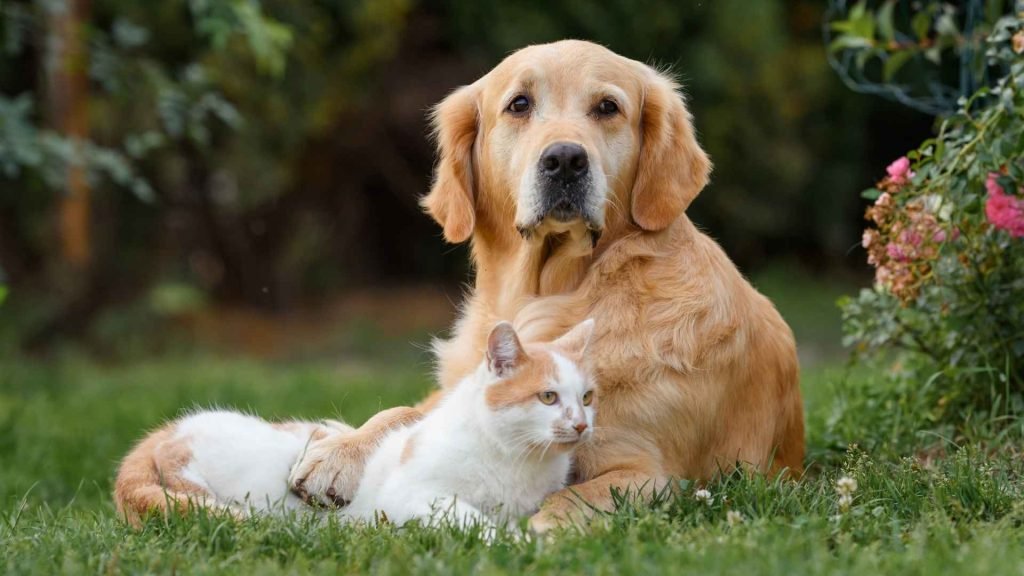
Are you a pet lover trying to decide between a cat or a dog? Or maybe you’re just curious about the many different breeds out there.
Either way, you’re in the right place. Choosing the right pet can be a life-changing decision, and understanding the unique characteristics of various cat and dog breeds can help you make the best choice. Whether you’re looking for a loyal companion, a playful friend, or a low-maintenance pet, there’s a breed that’s perfect for you.
Dive into this guide to discover the fascinating world of cat and dog breeds and find the one that matches your lifestyle and needs. Let’s get started on this exciting journey to find your ideal furry friend!
Popular Cat Breeds
Choosing the right cat breed can shape your entire experience as a pet owner. Popular cat breeds each bring unique traits and charm to your home. Whether you want a chatty companion or a gentle lap cat, knowing these breeds helps you decide what fits your lifestyle.
Characteristics Of Siamese Cats
Siamese cats are famous for their striking blue eyes and sleek bodies. They are incredibly vocal and love to “talk” with their owners, making them great for those who enjoy interactive pets.
Expect a high energy level—they need plenty of playtime and mental stimulation. Their social nature means they thrive when they have company, so they might not like being left alone for long periods.
Traits Of Maine Coon Cats
Maine Coons are one of the largest domestic cat breeds, known for their tufted ears and bushy tails. Despite their size, they are gentle giants, often described as dog-like in their loyalty and friendliness.
They have thick, water-resistant fur that requires regular grooming. If you want a cat that’s both playful and calm, a Maine Coon might be your perfect match.
Personality Of Persian Cats
Persians are the epitome of calm and affection. They prefer quiet environments and enjoy lounging around rather than active play.
If you have a laid-back lifestyle and want a cat that will be a soothing presence, Persians are a solid choice. Their long fur does need daily brushing, which can become a bonding ritual.
Features Of Bengal Cats
Bengal cats stand out with their wild, leopard-like spots and muscular build. They are highly energetic and curious, requiring plenty of playtime and mental challenges to stay happy.
You might find Bengals climbing shelves or exploring every corner of your home. Their intelligence means they can learn tricks and enjoy interactive toys that keep them engaged.

Credit: www.agriapet.co.uk
Popular Dog Breeds
Popular dog breeds capture the hearts of many pet lovers worldwide. These breeds often stand out for their unique looks and special qualities. Each breed has traits that make them suitable for different families and lifestyles. Knowing about these breeds helps in choosing the right dog. Here are some of the most popular dog breeds and what makes them special.
Traits Of Labrador Retrievers
Labrador Retrievers are friendly and outgoing. They love people and get along well with children. Labs are smart and easy to train. Their short coat is easy to care for. They enjoy activities like swimming and fetching. Labs make great family pets and service dogs.
Behavior Of German Shepherds
German Shepherds are loyal and protective. They are often used in police and military work. These dogs are very intelligent and learn commands quickly. They need regular exercise and mental challenges. German Shepherds bond closely with their owners. They can be reserved around strangers but are loving at home.
Temperament Of French Bulldogs
French Bulldogs are calm and affectionate. They have a playful and charming nature. These small dogs adapt well to apartment living. They do not require much exercise but enjoy short walks. French Bulldogs are good with kids and other pets. Their unique bat-like ears make them easy to recognize.
Energy Levels Of Border Collies
Border Collies are highly energetic and intelligent. They need plenty of physical and mental activity daily. These dogs excel in sports like agility and herding. Without enough exercise, they may become bored or anxious. Border Collies thrive in active homes. They love learning new tricks and tasks.
Choosing Based On Lifestyle
Choosing a pet breed depends heavily on lifestyle. Each family’s daily routine and living space influence which pet fits best. Matching a pet’s needs with your habits ensures a happier home for everyone.
Active Families And Pet Choices
Active families need pets with high energy. Dogs like Border Collies and Labrador Retrievers thrive with lots of exercise. Cats such as Abyssinians enjoy playtime and exploring. These pets keep up with busy days and outdoor activities.
Apartment Living And Suitable Breeds
Small living spaces require calm, adaptable breeds. Dogs like French Bulldogs and Cavalier King Charles Spaniels do well indoors. Cats such as British Shorthairs prefer quiet, cozy spots. These pets need less space but still enjoy affection and play.
Allergy-friendly Pets
Allergies affect pet choices for many people. Hypoallergenic dogs like Poodles and Bichon Frises shed less dander. Certain cat breeds, like the Siberian, may cause fewer allergic reactions. These pets help reduce allergy symptoms.
Time Commitment And Pet Care
Consider how much time is available for pet care. Dogs often need daily walks and training sessions. Cats usually require less hands-on care but benefit from play and grooming. Choose pets that match your schedule for better care and bonding.
Health Considerations
Understanding the health considerations of your cat or dog breed is essential for providing the best care. Each breed has unique vulnerabilities that can affect their quality of life. Knowing what to watch for helps you catch issues early and keep your pet happy and active.
Common Health Issues In Cats
Cats often face problems like kidney disease, hyperthyroidism, and diabetes. Certain breeds, like Persians, are prone to respiratory issues due to their flat faces. You might notice symptoms such as excessive thirst, weight loss, or difficulty breathing.
Have you ever wondered why some cats seem more prone to hairballs or skin allergies? These can also indicate underlying health concerns that need attention. Regular vet visits help spot these problems before they worsen.
Common Health Issues In Dogs
Dogs have breed-specific risks too. Large breeds like German Shepherds often deal with hip dysplasia, while smaller breeds such as Dachshunds may develop back problems. Pay attention if your dog shows signs of limping or reluctance to move.
Skin allergies and ear infections are common across many breeds. Noticing frequent scratching or shaking of the head could mean your dog needs a check-up. Early diagnosis can prevent painful complications.
Preventive Care Tips
- Schedule regular vet check-ups tailored to your pet’s breed and age.
- Maintain a balanced diet specific to your cat or dog’s needs.
- Keep up with vaccinations and parasite control.
- Provide daily exercise to keep joints and muscles healthy.
- Monitor behavior changes and consult your vet if something feels off.
Have you noticed how small changes in your pet’s routine can signal health issues? Staying proactive can make all the difference in your pet’s well-being.
Lifespan Expectations
Different breeds live different lengths of time. Smaller dog breeds often live longer than larger ones, sometimes reaching 15 years or more. Cats, on average, live between 12 to 16 years, with some breeds known for their longevity.
Understanding your pet’s typical lifespan helps you plan for their health needs over time. Are you prepared to adjust your care as they age? This awareness can improve their quality of life through every stage.
Grooming Needs
Grooming needs vary greatly among cat and dog breeds. Proper grooming keeps pets healthy and comfortable. It also helps prevent skin issues and matting. Understanding your pet’s coat type is key to effective grooming. Regular care creates a stronger bond between owner and pet.
Coat Types And Maintenance
Pets have different coat types: short, long, curly, or double coats. Short-haired breeds need less frequent brushing. Long-haired breeds require daily brushing to avoid tangles. Curly coats need special care to prevent mats. Double-coated pets shed heavily and need seasonal grooming. Choose brushes and combs based on coat type.
Bathing And Brushing Tips
Bath pets using mild shampoos made for animals. Avoid over-bathing to keep natural oils intact. Brush pets gently to remove dirt and loose hair. Start brushing from the head and move to the tail. Use slicker brushes for long hair and bristle brushes for short hair. Regular brushing reduces shedding and promotes healthy skin.
Nail And Dental Care
Trim nails regularly to prevent discomfort and injury. Use proper nail clippers for cats or dogs. Check nails monthly for signs of overgrowth. Dental care is essential to avoid bad breath and gum disease. Brush pet teeth with pet-safe toothpaste. Provide dental treats or toys to help clean teeth naturally.
Seasonal Grooming Advice
Pets shed more during spring and fall seasons. Increase grooming frequency during these times. Check for ticks and fleas in warmer months. In winter, avoid over-bathing to protect skin from dryness. Adjust grooming tools to match seasonal coat changes. Maintain a grooming routine year-round for best results.
Training And Behavior
Training and behavior shape how cats and dogs live with us. Good habits build strong bonds. They also make life easier and happier for pets and owners. Understanding basic training and common behavior helps keep pets well-mannered and healthy.
Each animal type has unique needs. Dogs often respond well to structured commands. Cats need gentle guidance to learn litter habits. Socializing pets early helps them feel safe around people and other animals. Addressing behavior problems quickly prevents bigger issues.
Basic Training For Dogs
Start with simple commands like sit, stay, and come. Use treats and praise to encourage good behavior. Keep sessions short and fun to hold attention. Consistency is key. Repeat commands in the same way every time. Avoid punishment; it can cause fear and confusion. Training builds trust and respect between dog and owner.
Litter Training For Cats
Place the litter box in a quiet, easy-to-find spot. Use unscented, clumping litter for best results. Show kittens where the box is after meals and naps. Clean the box daily to keep it inviting. Avoid moving the box too often. Praise cats when they use the litter box correctly. Most cats learn quickly with gentle guidance.
Socialization Tips
Introduce pets to new people and animals slowly. Use calm, positive interactions to build confidence. Take dogs to parks or pet-friendly places often. Allow cats to explore new spaces at their own pace. Watch for signs of stress, like hiding or growling. Reward calm behavior with treats and pets. Early socialization reduces fear and aggression later.
Handling Behavioral Issues
Identify the cause of problems like barking or scratching. Provide enough exercise and mental stimulation daily. Redirect unwanted behavior to appropriate toys or activities. Avoid yelling or physical punishment; it worsens issues. Use calm, firm commands and reward good behavior. Seek advice from a vet or trainer if problems persist. Patience and consistency help change habits over time.
Adoption Vs. Breeder
Deciding between adopting a pet or buying from a breeder can shape your experience as a pet owner. Both paths offer unique benefits and challenges. Understanding these can help you make a choice that fits your lifestyle and values.
Benefits Of Adoption
Adopting a cat or dog gives a homeless animal a second chance at life. Shelters often provide initial medical care, which can save you upfront costs. Many adopters find deep satisfaction in rescuing a pet, knowing they’ve made a real difference.
Are you ready to open your home to a pet who might otherwise remain without one? Adoption also means you can often find mixed breeds with unique personalities, not just the typical breed traits.
Choosing A Reputable Breeder
When you choose a breeder, ensure they prioritize the health and well-being of their animals. A reputable breeder will provide medical records, allow you to meet the puppy or kitten’s parents, and answer your questions honestly.
Beware of breeders who seem secretive or rush the sale. Asking for references or visiting the breeding facility can reveal a lot about their practices. Your pet’s long-term health depends on these early conditions.
Costs Involved
| Aspect | Adoption | Breeder |
|---|---|---|
| Initial Cost | $50 – $300 (includes vaccinations, spay/neuter) | $500 – $3000+ (depends on breed and lineage) |
| Health Care | Usually covered initially | May require additional health screenings |
| Long-term Expenses | Similar for both (food, vet visits, training) | Similar for both (food, vet visits, training) |
Consider your budget carefully. Higher upfront costs from breeders do not guarantee a healthier pet. Adoption fees often include essential veterinary care, which lowers your immediate expenses.
Supporting Ethical Practices
Choosing where your pet comes from impacts the wider animal community. Supporting shelters helps reduce overpopulation and unnecessary euthanasia. Buying from breeders who prioritize health and welfare supports better breeding standards.
Ask yourself: does your choice promote kindness and responsibility? Avoiding puppy mills and unethical breeding operations prevents animal suffering. Your decisions can encourage positive change in the pet world.

Credit: worldanimalfoundation.org

Credit: tryfurgo.com
Frequently Asked Questions
What Are The Most Popular Dog Breeds Worldwide?
Popular dog breeds include Labrador Retrievers, German Shepherds, Golden Retrievers, and French Bulldogs. These breeds are loved for their friendly nature and adaptability to family life.
Which Cat Breeds Are Best For Apartment Living?
Siamese, Ragdoll, and British Shorthair cats are ideal for apartments. They are calm, affectionate, and require moderate exercise, fitting well into small living spaces.
How Do Cat And Dog Breeds Differ In Temperament?
Dog breeds vary from energetic to calm, while cat breeds range from social to independent. Understanding breed temperament helps choose a pet that fits your lifestyle.
What Factors Influence Choosing The Right Pet Breed?
Consider size, activity level, grooming needs, and temperament. Matching these factors with your lifestyle ensures a happy, healthy pet and owner relationship.
Conclusion
Choosing the right cat or dog breed takes thought and care. Each breed has unique traits and needs. Think about your home, time, and energy. Pets bring joy, love, and fun to life. Knowing breeds helps you find the best match.
Enjoy the journey of meeting new furry friends. Your perfect pet is waiting to join your family.
