

Are you a cat lover looking to explore something unique and enchanting? Russian cat breeds might just be the hidden gems you’ve been searching for.
Imagine a feline companion that combines elegance, charm, and a touch of mystery. These captivating cats have a rich history and distinct characteristics that set them apart from other breeds. Whether you’re intrigued by their plush coats or mesmerized by their striking eyes, there’s something undeniably alluring about these breeds.
Discover how these remarkable Russian cats can add a touch of magic to your life, and why they could be the perfect addition to your family. Dive into their world and uncover the secrets behind their irresistible appeal.

Credit: thelittlecarnivore.com
Russian Blue
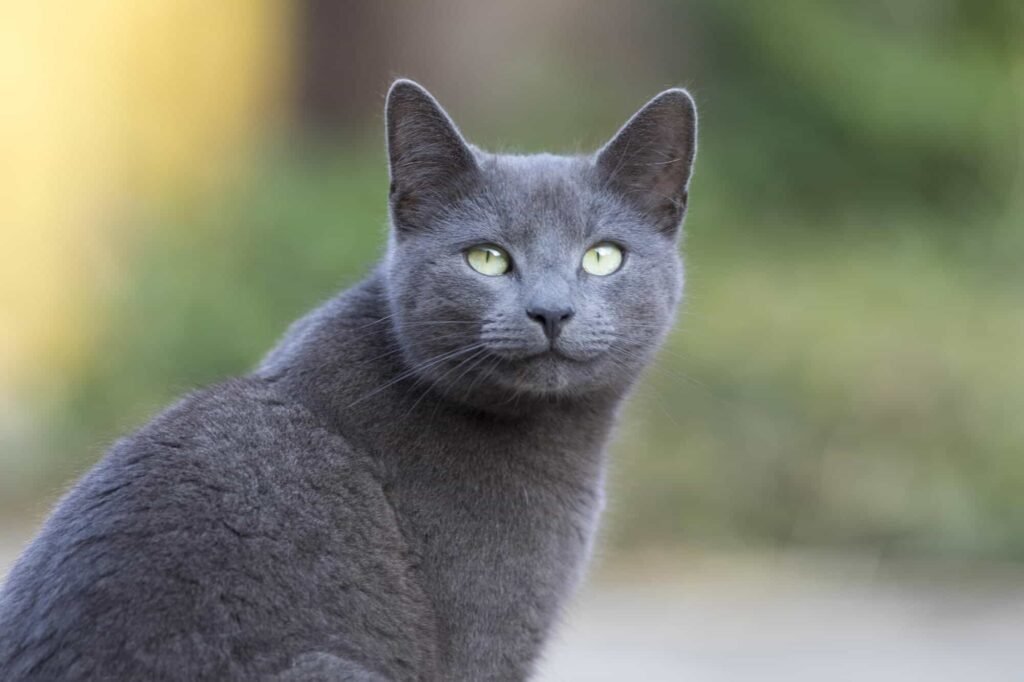
The Russian Blue is a cat breed that captivates many with its unique charm and elegance. Known for its striking silver-blue coat and vivid green eyes, this breed is not just beautiful but also intelligent and affectionate. If you’re considering adding a Russian Blue to your home, understanding its traits and needs will help you provide the best care.
Distinctive Appearance
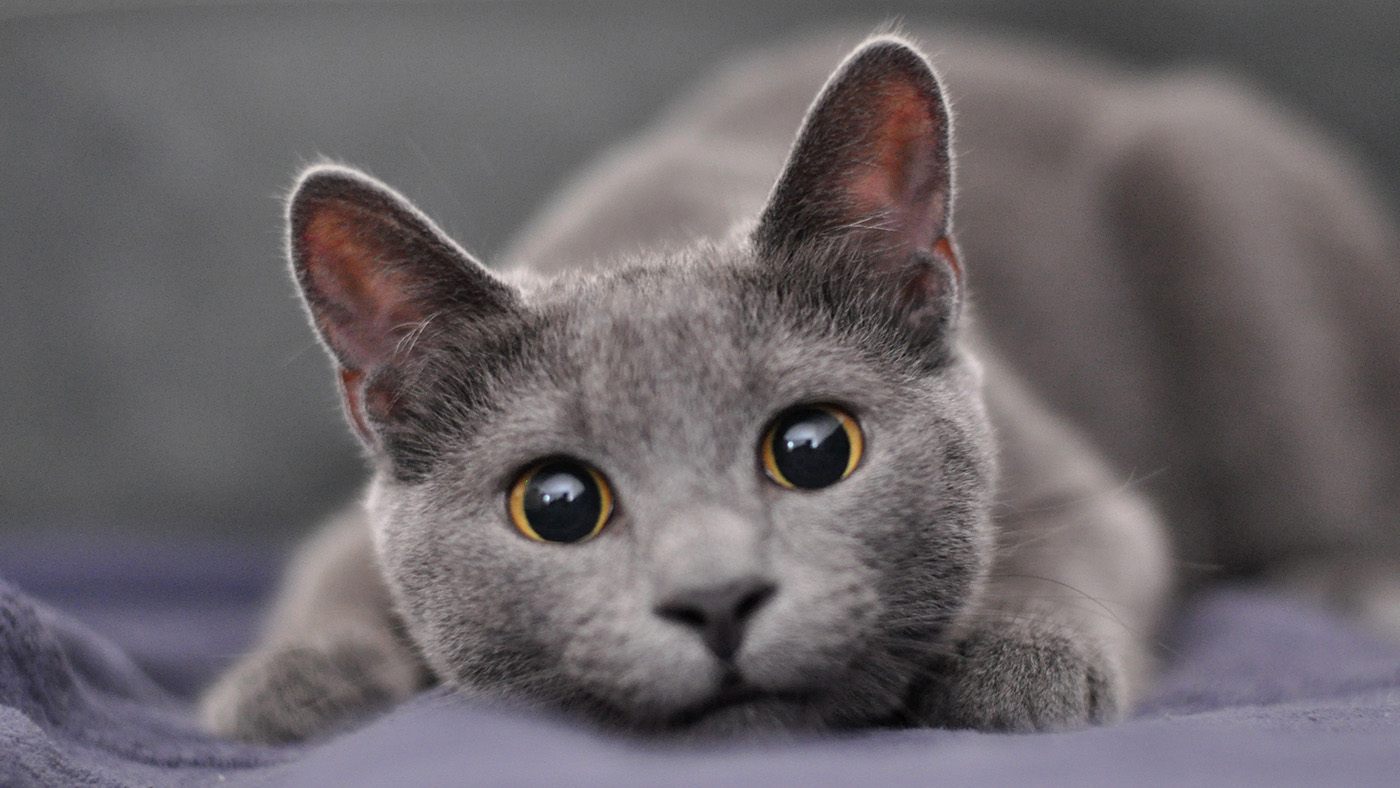
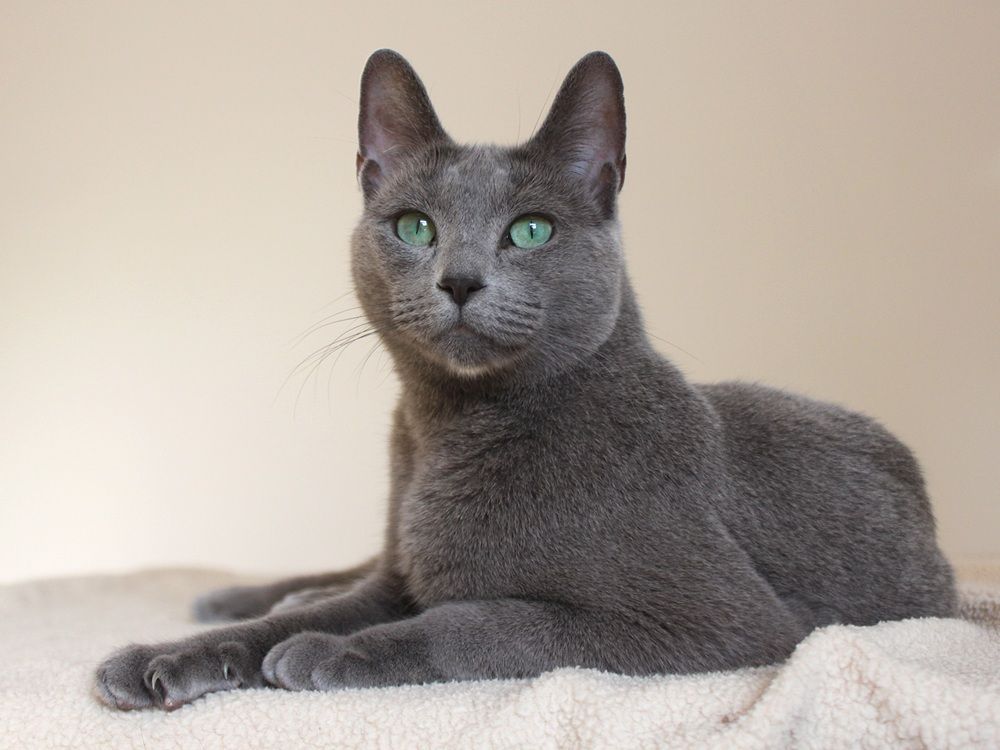
The Russian Blue stands out with its dense, plush coat that feels soft like velvet. Its fur has a shimmering silver-blue color, giving it a sleek and graceful look. The eyes are a bright, piercing green that seem to glow, adding to the cat’s mysterious allure.
Another feature you might notice is their slender body and long legs, which make them look elegant and agile. Their ears are large and pointed, often giving them an alert and curious expression. Have you ever wondered how such a simple color can make a cat so unforgettable?
Temperament And Behavior
Russian Blues are known for being gentle and reserved, especially around strangers. They tend to form strong bonds with their owners and enjoy quiet companionship. If you value a calm and loyal pet, this breed could be a perfect match.
These cats are also quite intelligent and playful. They enjoy interactive toys and games that challenge their mind. Have you tried engaging your cat with puzzle feeders or laser pointers? Russian Blues often respond well to these activities.
Care Tips
Caring for a Russian Blue is relatively straightforward due to their short coat. Regular brushing once or twice a week helps reduce shedding and keeps their fur shiny. Plus, it’s a great way to bond with your cat.
Pay attention to their diet; they can be prone to gaining weight if overfed. Providing a balanced diet and encouraging playtime will help maintain their ideal weight. Don’t forget regular vet visits to monitor their health and catch any issues early.
- Brush their coat weekly to prevent matting
- Feed high-quality cat food in measured portions
- Offer plenty of toys to stimulate their mind
- Schedule regular veterinary check-ups
Siberian Cat
The Siberian cat is a beautiful breed from Russia known for its strength and charm. It has a thick coat that protects it from cold climates. This breed is agile and playful, making it a great companion. Siberians are also popular for their friendly nature and intelligence. They adapt well to families and other pets.
Physical Characteristics
- Medium to large size with a muscular build
- Thick, triple-layered coat that is water-resistant
- Round eyes, often green, gold, or copper
- Broad head with rounded ears and a strong chin
- Long, bushy tail that adds to their balance
- Coat colors vary widely, including tabby, solid, and bi-color
Personality Traits
- Affectionate and loyal to family members
- Playful and active, enjoys interactive toys
- Intelligent and curious, loves exploring surroundings
- Good with children and other pets
- Quiet voice but vocal when communicating
- Calm yet energetic, balances rest and play well
Grooming Needs
- Regular brushing at least twice a week
- More frequent grooming during seasonal shedding
- Check ears and eyes for cleanliness
- Nail trimming every few weeks
- Baths rarely needed due to water-resistant coat
- Maintain a clean litter box to support hygiene
Peterbald
The Peterbald is a striking Russian cat breed known for its elegant appearance and unique personality. Originating in St. Petersburg during the 1990s, this breed stands out with its distinctive coat and slender build. If you’re considering a Peterbald for your home, understanding its traits will help you decide if it fits your lifestyle.
Unique Features
The Peterbald’s most noticeable feature is its coat, which can range from completely hairless to short, velvety fuzz. This variety in texture makes each cat truly one of a kind. Their slim, muscular body and almond-shaped eyes add to their exotic look.
Unlike many other breeds, Peterbalds have a long neck and large ears that give them a curious and alert expression. Their skin feels warm to the touch, which can be quite comforting if you enjoy cuddling. Have you ever felt a cat’s skin instead of fur? It’s a surprising and intimate experience.
Social Behavior
Peterbalds are known for being highly social and affectionate. They thrive on interaction and often follow their owners around the house, eager to be involved in daily activities. If you like a cat that acts like a loyal companion, this breed could be perfect for you.
These cats are intelligent and playful, often learning tricks or engaging with puzzle toys. Their friendly nature means they usually get along well with other pets and children. How much time can you dedicate daily to play and bonding?
Health Considerations
Because Peterbalds have little to no fur, they require special care to protect their skin. Regular baths help remove oils, and sunscreen might be necessary if they spend time in the sun. You should also keep your home warm, as they can get cold more easily than furrier cats.
Genetic health issues are relatively rare in this breed, but regular veterinary check-ups are essential. Dental care is important since some Peterbalds may be prone to periodontal disease. Are you prepared to maintain their unique grooming and health needs?
Credit: www.petsradar.com
Korat Influence In Russia
The Korat cat, originally from Thailand, has made a surprising mark on the Russian feline landscape. Its influence goes beyond mere genetics, affecting breeding choices and cat enthusiasts’ preferences across Russia. If you’re curious about how a breed so far from Russia’s borders became part of its cat culture, you’ll find the story both fascinating and practical.
Breed Background
The Korat is known for its striking silver-blue coat and bright green eyes. It’s a breed celebrated for its gentle temperament and high intelligence. These traits make it a popular choice for families and cat lovers who want a companion that is both beautiful and affectionate.
Interestingly, the Korat is one of the oldest natural breeds, with a history dating back centuries in Thailand. Its unique appearance and calm nature set it apart from many other breeds found in Russia. If you appreciate cats that combine elegance with personality, the Korat’s background offers plenty to admire.
Adaptation In Russia
When Korats arrived in Russia, breeders quickly noticed how well they adapted to the colder climate. Their short, dense fur provides enough warmth without the need for extra grooming or care. This practical advantage has helped the breed thrive in Russian homes.
Russian breeders have also worked to maintain the Korat’s original traits while encouraging traits suited to local preferences. For example, some breeders focus on temperament to ensure these cats fit well into Russian family life. Have you ever thought about how a breed’s personality can change when introduced to a new culture?
Thanks to this adaptation, Korats are becoming a beloved part of Russia’s cat community. Whether you’re a seasoned breeder or a new cat owner, understanding how the Korat fits into Russia’s environment can help you appreciate this breed’s unique qualities even more.
Russian White, Black, And Tabby
The Russian White, Black, and Tabby cats are a unique group within the Russian Blue family. These cats share many qualities with the Russian Blue but differ mainly in their coat colors. Each variant has its own charm and history. Their soft personalities and striking looks make them popular among cat lovers worldwide.
Breed Origins
These cats come from Russia, just like the Russian Blue. They appeared naturally from the same gene pool. Breeders developed the White, Black, and Tabby colors by selecting different traits. All three types have roots in Russian households and farms. They have been cherished for centuries as elegant pets.
Appearance And Traits
- Russian White:This cat has a pure white coat. Its fur is short, dense, and silky. Eyes are green, bright, and expressive.
- Russian Black:The coat is solid black and shiny. Their green eyes contrast beautifully with the dark fur. The fur is soft and plush.
- Russian Tabby:This type has a striped or spotted pattern. The coat colors can vary but usually include shades of gray and black. Their eyes are vivid green or yellow-green.
All three have a medium-sized body, graceful build, and muscular legs. Their faces are wedge-shaped with large ears. These cats are gentle, intelligent, and playful. They adapt well to family life and enjoy human company.
Choosing The Right Russian Cat
Choosing the right Russian cat means matching their unique traits with your daily life and needs. These cats have distinct personalities and care requirements that can either fit perfectly or clash with your routine. Understanding these aspects helps you create a happy home for both you and your feline friend.
Lifestyle Compatibility
Russian cats vary from the active and playful Russian Blue to the more laid-back Siberian. Think about your daily schedule and energy level. If you spend lots of time at home and enjoy interactive play, a Russian Blue might be a great companion.
On the other hand, if your lifestyle is busier, a Siberian’s independent nature can handle longer alone times. Consider your living space too. A spacious home with areas to climb and explore suits these agile cats well.
Ask yourself: How much time can you dedicate to grooming and socializing? Russian Blues need moderate grooming, while Siberians require more attention to their thick coats. Matching your lifestyle to their needs prevents stress and behavioral issues.
Allergy Considerations
Many people worry about allergies when choosing a cat. Russian cat breeds are often noted for being more hypoallergenic than others, but this doesn’t mean they are allergy-proof. Siberians, for example, produce fewer allergenic proteins, which might reduce allergic reactions.
Still, allergy sensitivity varies from person to person. Spend time around the specific breed before deciding. This can save you from unexpected sneezing fits and help you enjoy your cat’s company comfortably.
Simple steps like regular cleaning and using air purifiers also reduce allergens. How important is allergy management in your home? Being honest about this upfront leads to a better match and fewer surprises down the road.
Caring For Russian Cats
Caring for Russian cats means understanding their unique needs and personality. These cats are known for their playful nature and striking appearance, but they also require specific attention to stay healthy and happy. Your role is to provide the right balance of nutrition, activity, and medical care.
Diet And Nutrition
Russian cats thrive on a diet rich in high-quality protein. Choose foods that list meat as the first ingredient to keep their muscles strong and coat shiny.
Watch their portion sizes carefully to prevent obesity, which can lead to health problems. Adding wet food can help maintain hydration, especially if your cat isn’t a big water drinker.
Have you noticed how some cats prefer variety? Offering different textures and flavors can keep your Russian cat interested in mealtime.
Exercise And Play
Russian cats are active and intelligent. They need daily playtime to stay fit and avoid boredom.
Interactive toys like feather wands or puzzle feeders challenge their mind and body. Even simple games of chase or hide-and-seek can be very satisfying for them.
Think about your cat’s favorite activities and try to build a routine around them. This keeps your bond strong and prevents destructive behavior.
Regular Vet Checkups
Routine vet visits are essential for catching health issues early. Russian cats can be prone to dental problems and certain genetic conditions.
Schedule yearly checkups and keep up with vaccinations and parasite control. Your vet can advise you on the best preventive care specific to your cat’s needs.
Have you ever noticed subtle changes in your cat’s behavior or appetite? Sharing these observations with your vet can make a big difference in treatment success.
Famous Russian Cats In Culture
Russian cat breeds have left a distinct mark not only in homes but also in culture. Their unique looks and personalities have inspired stories, art, and even folklore. Understanding their role in culture helps you appreciate these cats beyond their physical beauty.
Historical Significance
Russian cats, especially the Russian Blue, have a history tied to nobility and mystery. These cats were once favored by Russian aristocrats, valued for their elegance and calm nature. Their presence in royal courts shows how cats were more than pets—they were symbols of status and grace.
Have you ever wondered why certain cat breeds become cultural icons? Russian cats survived harsh winters and political changes, yet they remained beloved companions. This resilience adds depth to their cultural story.
Pop Culture Appearances
Russian cats have appeared in movies, cartoons, and books, often representing mystery or intelligence. The Russian Blue, with its striking green eyes and silver-blue coat, frequently stars as the clever or mystical feline character. These portrayals influence how you and others see the breed today.
Consider how a cat’s image in popular culture shapes your expectations. Russian cats have inspired everything from animated characters to fashion accessories. Their presence in pop culture keeps their legacy alive and invites new fans to discover their charm.
Credit: cats.com
Frequently Asked Questions
What Are The Most Popular Russian Cat Breeds?
The most popular Russian cat breeds include the Russian Blue, Siberian, and Peterbald. Each breed has unique traits and history linked to Russia.
How Do Russian Blue Cats Differ From Other Breeds?
Russian Blue cats have a distinct silvery-blue coat and bright green eyes. They are known for their gentle, affectionate nature and intelligence.
Are Russian Cats Hypoallergenic Or Good For Allergies?
Siberian cats, a Russian breed, are considered hypoallergenic due to low allergen production. However, individual reactions may vary.
What Personality Traits Do Russian Cat Breeds Share?
Russian cat breeds are generally friendly, intelligent, and playful. They form strong bonds with their owners and adapt well to homes.
Conclusion
Russian cat breeds offer unique beauty and gentle personalities. They adapt well to homes and love family time. Each breed has special traits that make it stand out. Caring for these cats brings joy and companionship. They are perfect for many cat lovers worldwide.
Explore their charm and consider adding one to your life. A loyal friend awaits in these graceful cats. Their history and looks make them truly special pets.
