

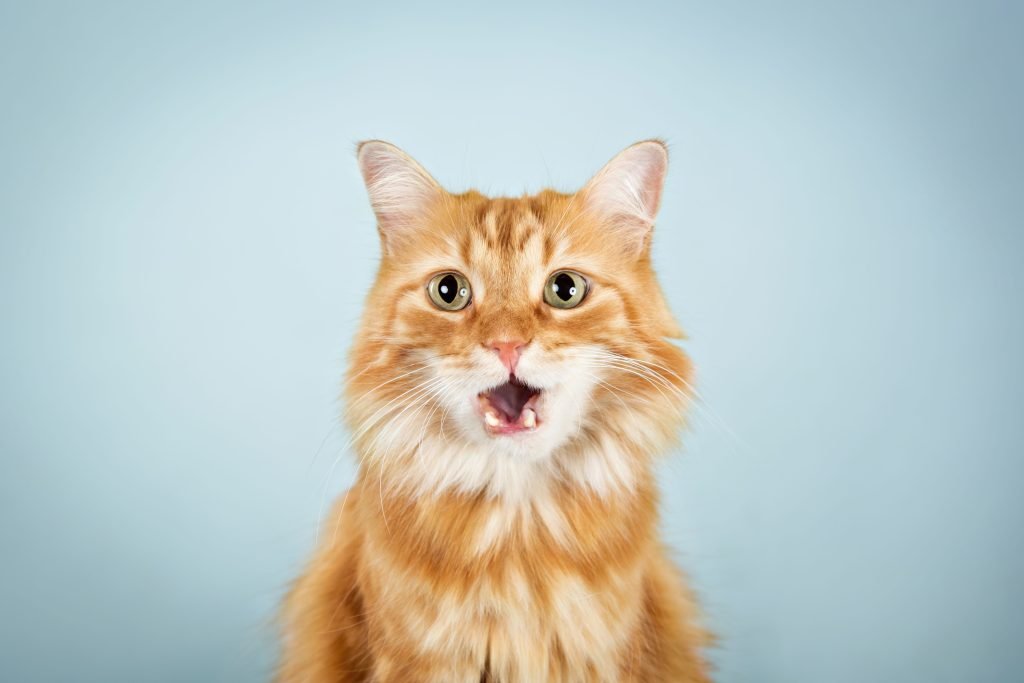
Are you the proud owner of an orange cat, or perhaps considering adopting one? These charming felines, often affectionately known as “ginger cats,” have captivated the hearts of many with their vibrant fur and distinctive personalities.
But have you ever wondered what makes them tick? Orange cat behavior is a fascinating subject that can reveal much about your furry companion. From their playful antics to their sometimes curious quirks, understanding their behavior can help you build a stronger bond with your pet.
Dive into this article to uncover the secrets of orange cat behavior and discover how you can ensure a happy and harmonious life with your purring partner.
Personality Traits
Orange cats often surprise owners with their unique personality traits. Their behaviors can vary widely, but many share certain tendencies that make them stand out. Understanding these traits helps you connect better with your feline friend and anticipate their needs.
Sociability Levels
Orange cats tend to be friendly and outgoing, but their sociability can vary. Some are eager to greet guests and enjoy company, while others prefer quiet time alone. Have you noticed your orange cat seeking attention or choosing to hide during social gatherings?
This mix means you should observe your cat’s comfort zone and respect their boundaries. Offering gradual introductions to new people can help them feel safe.
Affection Patterns
Many orange cats show affection in clear, direct ways. They might nuzzle your hand, purr loudly, or follow you around the house. Yet, some express love more subtly, like sitting nearby without demanding attention.
Pay attention to how your cat shows affection; it can guide how you respond. If your orange cat enjoys lap time, create cozy spots where they can relax with you.
Playfulness And Energy
Orange cats often have bursts of playful energy, especially when young. They may chase toys, pounce on shadows, or engage you in interactive games. However, these playful moments can be short, followed by long naps.
Keep a variety of toys handy to match their energy levels and prevent boredom. How do you encourage your orange cat to stay active while respecting their rest times?

Credit: www.youtube.com
Communication Styles
Orange cats communicate in unique and interesting ways. Understanding their styles helps build a better bond. Their communication includes sounds, body movements, and interaction patterns.
Vocalizations
Orange cats use many sounds to express themselves. They often meow to ask for attention or food. A loud purr means they feel happy and safe. Sometimes, they chirp or trill when excited. Growls or hisses show they feel threatened or upset.
Body Language
Body movements tell a lot about an orange cat’s mood. Tail position is a key signal. A raised tail means friendliness and confidence. A twitching tail tip shows curiosity or mild irritation. Slow blinking means trust and comfort. Flattened ears or a puffed-up tail warn of fear or anger.
Interaction With Humans
Orange cats often enjoy close contact with people. They may rub their heads against you to mark you as safe. Sitting on your lap shows they feel relaxed. Some orange cats like to follow their owners around. They use gentle paw taps or nudges to get attention.
Social Behavior
Orange cats are often admired for their vibrant looks, but their social behavior is equally fascinating. Understanding how they interact with others can help you build a stronger bond with your furry friend. Their social nature varies widely, influenced by personality and environment, making each orange cat unique in their social world.
Relationships With Other Pets
Orange cats generally show a friendly attitude toward other pets, especially if introduced slowly. They can form close bonds with dogs or other cats, often enjoying playtime and companionship.
One orange cat I knew would follow the family dog around like a shadow, showing that these cats can be quite social with other animals. However, patience is key—rushing introductions might lead to stress for both pets.
Territorial Tendencies
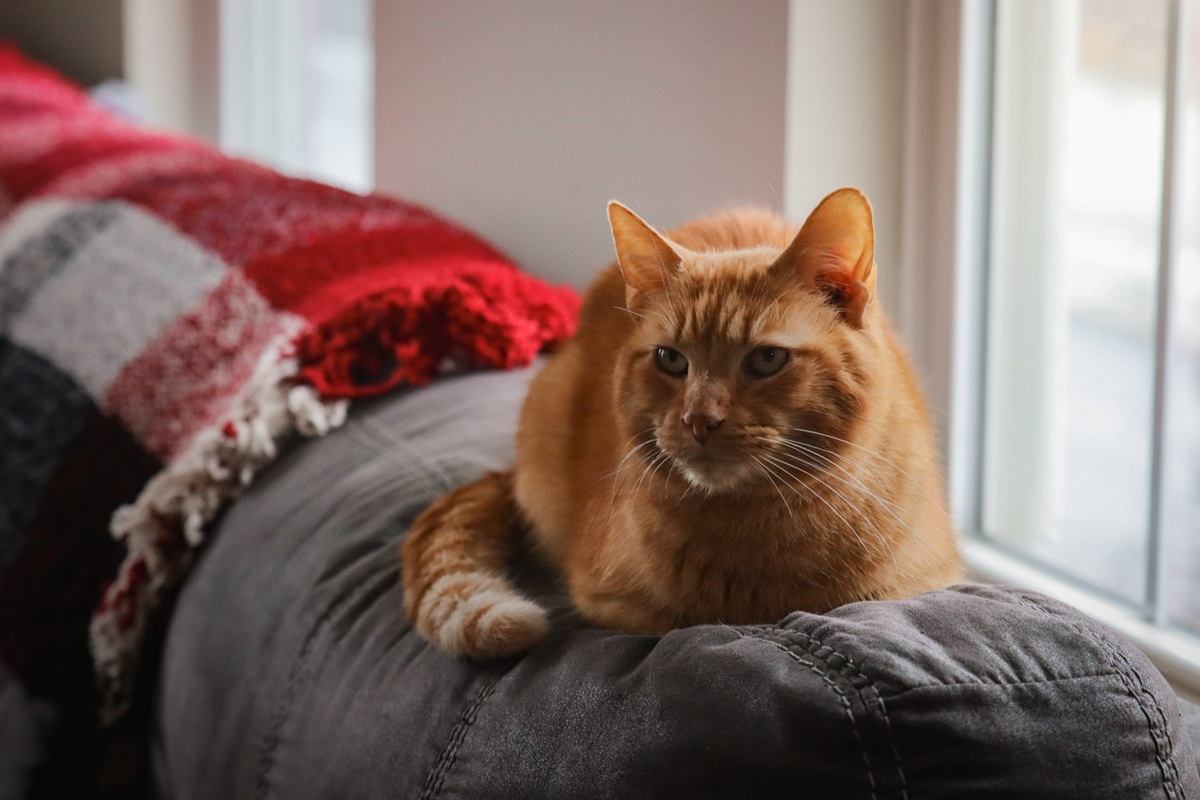
These cats can be territorial, especially around their home turf. They might mark their space by rubbing their scent or even guarding favorite spots like windowsills or cozy chairs.
Have you noticed your orange cat acting possessive over certain areas? This behavior is normal but can sometimes cause friction with other pets. Providing multiple resting spots and toys can reduce territorial conflicts.
Response To Strangers
Orange cats often show curiosity toward strangers but can be cautious at first. Some warm up quickly, while others prefer to observe from a distance before approaching.
Pay attention to your cat’s body language. If they stay relaxed, they’re likely comfortable. If they hide or hiss, giving them space will help them feel safe faster.
Credit: cats.com
Activity Preferences
Orange cats are known for their lively and curious nature. Their activity preferences show a mix of playfulness and rest. These cats enjoy various activities that keep them both entertained and comfortable. Understanding their favorite ways to spend time helps owners provide a happy environment.
Favorite Play Activities
Orange cats love interactive play. They enjoy toys that move or make noise. Feather wands and laser pointers often catch their attention quickly. They also like chasing small balls or stuffed mice. Play sessions help them stay active and prevent boredom. Short, frequent playtimes work best for their energy levels.
Hunting Instincts
Despite being domestic, orange cats keep strong hunting instincts. They often stalk and pounce on toys or shadows. This behavior shows their natural desire to catch prey. Outdoor cats may chase birds or insects. Indoor cats benefit from toys that mimic prey movement. These instincts keep their minds sharp and bodies fit.
Sleeping Habits
Orange cats sleep a lot to recharge energy. They prefer warm, cozy spots for naps. Sunlit windowsills and soft blankets are favorites. Many orange cats sleep in short bursts throughout the day. Nighttime usually brings longer, undisturbed rest. Good sleep helps them stay playful and healthy.
Unique Behavioral Quirks
Orange cats are known not just for their striking color but also for their distinct and sometimes surprising behaviors. Their unique quirks can make living with them both entertaining and challenging. Understanding these traits helps you connect deeper with your furry friend and manage their needs better.
Food Preferences
Orange cats often have very specific tastes. Some may prefer wet food over dry, while others become picky about flavors or textures. I once had an orange cat who refused to eat anything but salmon-flavored treats—no amount of coaxing with chicken or beef worked.
Have you noticed your cat turning their nose up at certain foods? Paying attention to these preferences can prevent frustration and ensure they get the nutrition they need. Try offering small samples of different flavors to see what excites their appetite.
Reaction To Changes
Many orange cats show a strong reaction to changes in their environment. Moving furniture or introducing new pets can stress them out noticeably. My friend’s orange cat hid under the couch for days after a minor rearrangement.
To help your cat adapt, introduce changes gradually. Keep their favorite spots and routines intact as much as possible. Do you think your cat’s behavior shifts when their daily patterns change?
Unusual Habits
Orange cats often develop odd but endearing habits. Some might knead blankets vigorously, while others have a fascination with water dripping from taps. One orange cat I knew would “talk” for hours, meowing in a way that almost sounded like a conversation.
Observing these habits can give you clues about their mood and health. Encourage positive habits with toys or interactive play. What unusual habit does your orange cat have that makes you smile every day?
Credit: greatergood.com
Care Tips For Owners
Owning an orange cat means more than just enjoying their striking looks and playful nature. Your role as an owner includes creating a supportive environment that helps your cat thrive. Paying attention to their behavior and health can make a big difference in their happiness and your bond.
Enriching Environment
Orange cats are known for their curiosity and energy. You can keep them engaged by adding climbing trees, scratching posts, and interactive toys around your home. These items prevent boredom and reduce unwanted behaviors like scratching furniture.
Consider rotating toys regularly to maintain your cat’s interest. Also, placing a comfy window perch can satisfy their love for watching the outside world. Have you noticed how your cat reacts to different play setups? Observing this can guide you in providing the best environment.
Behavioral Training
Training your orange cat doesn’t have to be complicated. Use positive reinforcement such as treats and praise when they follow commands or display good behavior. This approach encourages them to repeat those actions.
Consistency is key—set clear boundaries and stick to them. If your cat jumps on counters, gently redirect them to a more appropriate spot. Have you tried clicker training? Many owners find it helps communicate clearly with their cats.
Health And Wellbeing
Regular vet visits are essential to catch any health issues early. Orange cats, like all cats, benefit from vaccinations, dental care, and parasite prevention. Keep an eye on their weight since orange cats can be prone to obesity, which affects their overall health.
Watch for changes in eating habits, litter box use, or energy levels. These signs often indicate health problems. Are you tracking your cat’s health records? Maintaining a simple log can help you and your vet spot trends and act promptly.
Frequently Asked Questions
Why Do Orange Cats Have Unique Behavior Traits?
Orange cats often exhibit friendly and social behavior. Their genetics may influence their playful and affectionate nature. Many owners find them outgoing and curious. These traits make them excellent companions and highly engaging pets.
Are Orange Cats More Affectionate Than Other Cats?
Yes, orange cats tend to be more affectionate. They often seek human attention and enjoy cuddling. Their social nature makes them great lap cats. This affectionate behavior strengthens the bond with their owners.
Do Orange Cats Have A Specific Personality Type?
Orange cats usually have a friendly and confident personality. They are known for being playful and curious. This personality makes them lively and entertaining pets. However, individual behavior can vary based on environment and upbringing.
Is Orange Cat Behavior Linked To Their Gender?
Most orange cats are male, and gender can influence behavior. Male orange cats often display more social and outgoing traits. Female orange cats might be slightly more reserved but still affectionate. Gender plays a role but is not the only factor.
Conclusion
Orange cats have unique and friendly behaviors. They often enjoy attention and love playtime. Their curious nature makes them fun companions. Understanding their habits helps you bond better. Every orange cat shows its own personality. Caring for them with patience brings happiness.
Enjoy your time with these charming pets. They add warmth and joy to any home. Keep watching them to learn more each day. Orange cats truly make great friends.
