

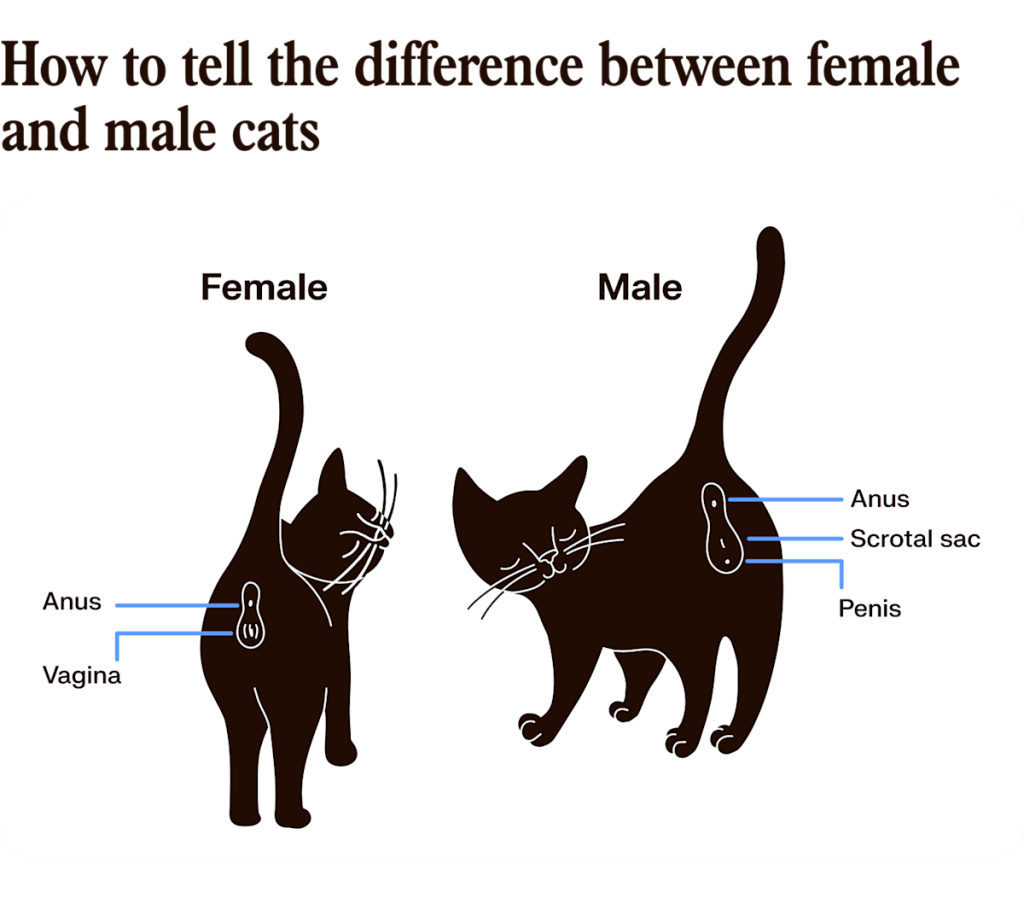
Have you noticed your male cat acting a bit more spirited lately? Perhaps he’s been more vocal or restless than usual?
If you’re nodding yes, you’re likely witnessing the intriguing phase of a male cat on heat. Understanding this behavior is crucial for both your sanity and your cat’s well-being. You want the best for your feline friend, but the sudden changes can be puzzling.
Why is he doing that? What does he need? You’ll uncover the mysteries of male cat on heat behavior, giving you the insights to handle this period with ease. Stick around, and you’ll gain the knowledge to keep both you and your furry companion happy during this time.
Signs Of A Male Cat In Heat
Recognizing the signs of a male cat in heat helps understand his behavior better. Male cats do not go into heat like females, but they react strongly to females in heat nearby. This causes noticeable changes in their actions and mood.
Increased Vocalization
Male cats often become very vocal during this time. They produce loud yowls and cries to attract females. This noise can happen day and night, surprising many cat owners. It is their way of calling out for a mate.
Restlessness And Agitation
Expect your male cat to pace and roam more than usual. He may seem anxious or unable to settle down. This restlessness shows his strong desire to find a female cat. It can also lead to more scratching or restless movements.
Marking Territory With Urine
Spraying urine on walls, furniture, or doors is common. This behavior marks his territory and signals other cats. The smell warns rivals and attracts females nearby. It is a clear sign of a male cat’s mating instincts.
Heightened Affection Or Aggression
Some male cats become unusually affectionate, rubbing against people or objects. Others may show aggression, growling or swatting at others. These mood swings reflect hormonal changes and the urge to mate. Both behaviors are ways to express his feelings during this period.
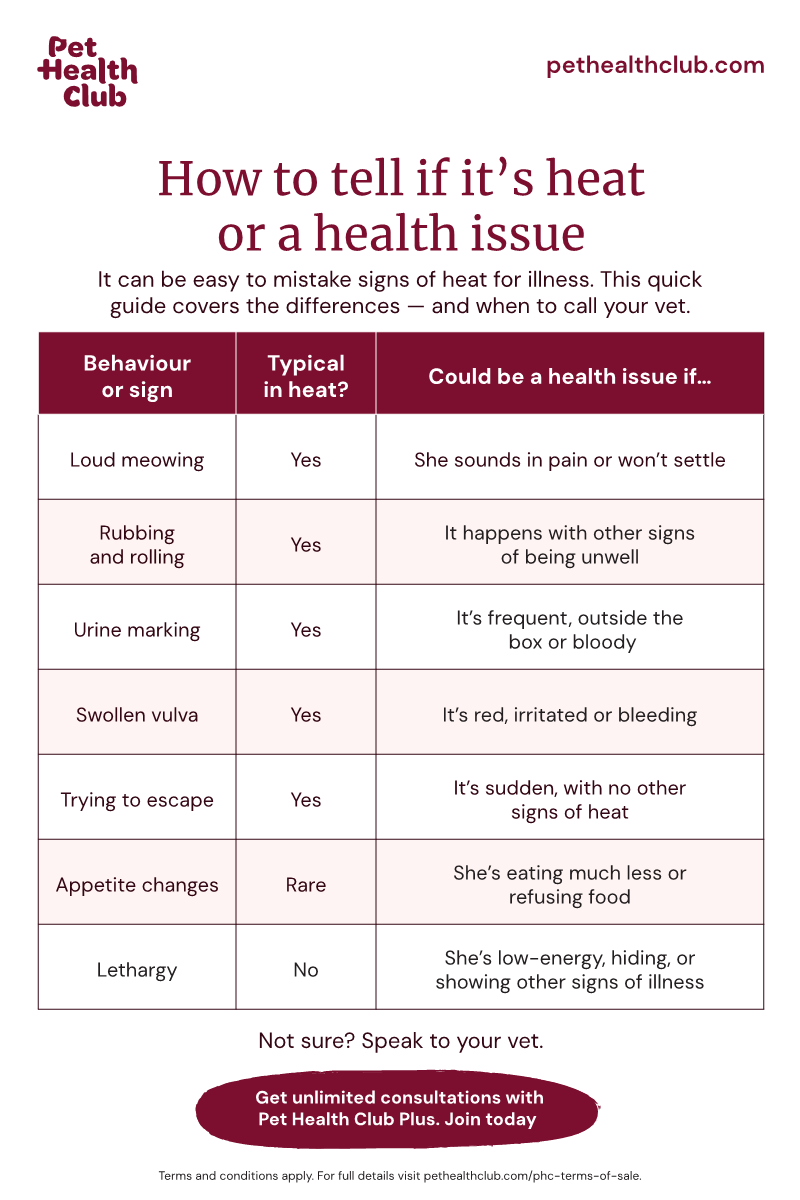
Credit: www.pethealthclub.com
Causes Behind Heat Behavior
Understanding what causes heat behavior in male cats can help you manage their actions better. These behaviors are driven by natural instincts and biological changes inside your cat. Recognizing the root causes allows you to respond more calmly and effectively.
Hormonal Changes
Male cats experience a surge in testosterone, which triggers heat-related behaviors. This hormone increases their urge to roam, mark territory, and seek out mates. You might notice your cat becoming more aggressive or vocal during this time.
One cat owner shared how her usually calm male suddenly started spraying walls and scratching furniture. It turned out his testosterone levels had spiked, causing these unwanted behaviors. Have you observed similar changes in your cat’s mood or actions?
Presence Of Female Cats
The smell or sight of a female cat in heat can set off intense reactions in males nearby. Your cat might become restless, pacing around or howling loudly. This response is a natural drive to compete for the female’s attention.
If you live in a neighborhood with outdoor cats, your male might display more heat behavior during mating season. Closing windows or keeping your cat indoors can sometimes reduce these reactions. What steps have you tried to calm your cat around females?
Seasonal Influences
Many male cats show heat behavior more often during specific times of the year, usually spring and summer. Longer daylight hours stimulate their reproductive hormones, making them more active and vocal. This seasonal pattern can catch you off guard if you’re not prepared.
Tracking your cat’s behavior over the months can reveal these seasonal trends. With this knowledge, you can plan extra attention or containment during peak times. Could adjusting your cat’s routine help ease these seasonal behaviors?
Impact On Male Cat’s Health
The impact of a male cat being on heat extends beyond just behavior changes; it can significantly affect his health. Understanding these effects helps you provide better care and prevent complications. Let’s look closely at how heat cycles influence stress, injury risks, and the chances of unwanted litters.
Stress And Anxiety
Male cats on heat often experience heightened stress and anxiety. This state arises because their bodies are flooded with hormones urging them to seek out females. You might notice restlessness, excessive vocalizing, or destructive behavior as signs.
Chronic stress weakens their immune system, making them prone to illnesses. Have you observed your cat pacing or yowling nonstop? These behaviors could signal underlying anxiety linked to heat cycles.
Risk Of Injury
During heat, male cats become more aggressive and territorial. This often leads to fights with other males, increasing the chance of wounds and infections. Outdoor cats face the highest risk, as they roam farther in search of mates.
Even indoor cats can injure themselves by trying to escape or by scratching and biting excessively. Regularly check for bite marks, scratches, or limping to catch injuries early.
Potential For Unwanted Litters
Unneutered male cats on heat have a strong drive to mate, which can result in unplanned litters. This contributes to overpopulation and puts strain on animal shelters. Managing this urge through neutering not only protects your cat but also helps control stray cat populations.
Think about your responsibilities as a pet owner—are you prepared to handle the consequences of unchecked mating behaviors? Taking proactive steps can save many cats from hardship.

Credit: www.youtube.com
Behavior Management Techniques
Managing the behavior of a male cat in heat can be challenging. Their restlessness and vocalizations often increase. Using behavior management techniques helps keep your cat calm and reduces stress for both of you. These techniques create a peaceful environment and support your cat’s natural needs.
Providing Environmental Enrichment
Offer toys that stimulate your cat’s mind and body. Interactive toys, scratching posts, and climbing trees work well. These items keep him busy and reduce unwanted behaviors. Rotate toys regularly to maintain interest. Create safe hiding spots where he can relax quietly. This variety helps manage energy and frustration.
Using Pheromone Products
Pheromone diffusers and sprays mimic natural cat scents. They help your cat feel secure and calm. Place diffusers in rooms where your cat spends most time. Use sprays on bedding or favorite resting places. These products reduce anxiety and soothe restless behaviors. Consistent use improves their calming effects.
Maintaining A Calm Atmosphere
Keep noise and activity levels low around your cat. Speak softly and avoid sudden movements. Provide a quiet space away from household commotion. Dim lighting can help create a relaxing mood. Establish a daily routine for feeding and playtime. Predictability helps your cat feel safe and reduces stress.
Neutering And Its Benefits
Neutering your male cat can make a significant difference in his behavior and overall health. It’s more than just a routine procedure—it directly impacts how your cat interacts with his environment and other pets. Understanding the benefits can help you decide if neutering is the right choice for your furry friend.
Reducing Heat-related Behavior
Male cats in heat often display restless and aggressive behaviors. Neutering reduces their drive to roam in search of a mate, which lowers the chances of fights with other cats. You’ll likely notice less yowling, marking territory with urine, and destructive scratching around your home.
One cat owner shared how neutering calmed their once noisy and restless cat, making evenings at home much more peaceful. Could this be the change your cat needs to feel more relaxed indoors?
Health Advantages
Neutering helps prevent certain health issues such as testicular cancer and reduces the risk of prostate problems. It also lowers the chance of your cat contracting diseases spread through mating fights. Protecting your cat’s health means fewer vet visits and a longer, happier life together.
Think about the cost savings and peace of mind that come with fewer health risks. Isn’t that worth considering when planning for your cat’s future?
Long-term Behavior Changes
Over time, neutering leads to calmer and more affectionate behavior in many male cats. Without the hormonal urges, your cat will focus more on bonding with you and less on territorial disputes. This shift can improve your relationship and make living together much easier.
Have you noticed how some neutered cats seem more content and less anxious? That’s the kind of long-term change neutering can bring to your pet’s personality and your home environment.
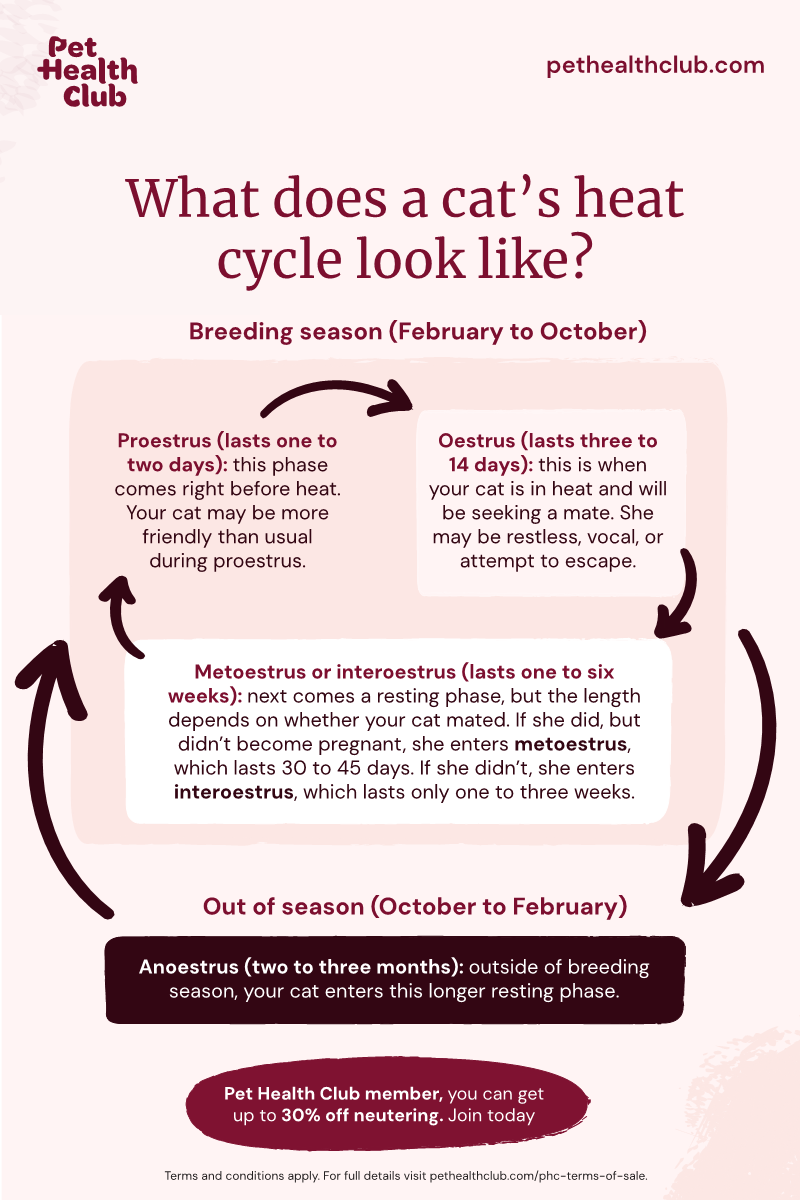
Credit: www.pethealthclub.com
When To Seek Veterinary Advice
Male cats in heat show strong behaviors that can worry owners. Knowing when to seek veterinary advice helps protect your cat’s health and well-being. Some behaviors are normal, but others signal problems. Watch closely for signs that need expert care.
Persistent Aggression
A male cat in heat may act more aggressive than usual. This is normal in short bursts. Aggression lasting more than a few days needs attention. Persistent fighting, biting, or growling can harm your cat or others. A vet can assess if medical issues or stress cause this behavior.
Unusual Health Symptoms
Heat can cause physical changes, but unusual symptoms are warning signs. Look for:
- Loss of appetite
- Vomiting or diarrhea
- Excessive drooling or panting
- Changes in breathing or energy levels
- Swelling or discharge from genitals
These symptoms may indicate infection or illness. A vet visit ensures proper diagnosis and treatment.
Behavioral Concerns Beyond Heat
Some behaviors go beyond normal heat patterns. These include:
- Sudden withdrawal or hiding
- Excessive vocalization lasting weeks
- Loss of litter box training
- Destructive scratching or biting
Such changes may mean anxiety, pain, or other health issues. Consulting a vet can provide solutions and peace of mind.
Frequently Asked Questions
What Behaviors Indicate A Male Cat Is In Heat?
Male cats in heat show increased vocalization, restlessness, and spraying urine. They also become more affectionate and may try to escape to find a mate.
How Long Does Male Cat Heat Behavior Last?
Male cats exhibit heat-related behaviors as long as nearby females are in heat. This can last several weeks or until the female’s cycle ends.
Can Male Cats Go Into Heat Without Females Nearby?
Yes, male cats can show heat behaviors even without females. The presence of a female in heat nearby triggers more intense reactions.
How Can I Calm A Male Cat During Heat?
Provide extra playtime, use calming sprays, and keep him indoors. Neutering is the most effective way to reduce heat behaviors permanently.
Conclusion
Male cats show clear signs when they are in heat. They may become restless and vocal. Understanding these behaviors helps you care for your pet better. Keep your cat calm and safe during this time. Providing attention and a quiet space works well.
Remember, these behaviors are natural and temporary. Patience and care make a big difference. Knowing what to expect reduces stress for both you and your cat. Stay observant and enjoy your time with your furry friend.
