


Have you ever spotted a cat darting through your neighborhood, with a mysterious glint in its eye and an aura of independence? These are feral cats, and their behavior is as intriguing as it is misunderstood.
If you’ve ever wondered why these elusive creatures act the way they do, you’re not alone. We’ll uncover the secrets behind the behavior of feral cats and reveal why understanding them can enrich your perspective on these fascinating animals. Get ready to dive into a world where survival instincts meet the mysteries of the wild, and discover how this knowledge can change the way you see the cats that roam freely in your community.
Origins Of Feral Cats
Understanding the origins of feral cats helps you grasp their behavior and challenges they face. These cats didn’t appear out of nowhere; their story is tied deeply to human history and environments. Knowing where they come from can change how you see them and interact with them.
Difference Between Feral And Stray Cats
Feral cats are born and raised in the wild with little to no human contact. They avoid people and rely on natural instincts for survival. Stray cats, on the other hand, were once pets or had human interaction but got lost or abandoned.
Think about a cat you’ve seen roaming your neighborhood. Is it approachable or does it run away? That’s often the difference between a stray and a feral cat. Understanding this helps in deciding how to help or manage them.
Historical Background
Cats first became companions to humans around 9,000 years ago in the Near East. They were valued for controlling pests in early farming communities. Over time, some cats escaped or were left behind, giving rise to feral populations.
In many parts of the world, feral cats have lived alongside humans for centuries. Their survival stories reflect changes in human settlements and agriculture. Have you ever wondered how cats adapted so well to human environments despite being wild?
Adaptation To Urban And Rural Environments
Feral cats show remarkable adaptability. In urban areas, they find shelter in abandoned buildings, parks, and alleys, feeding on garbage or small animals. Rural feral cats often hunt rodents and birds on farms.
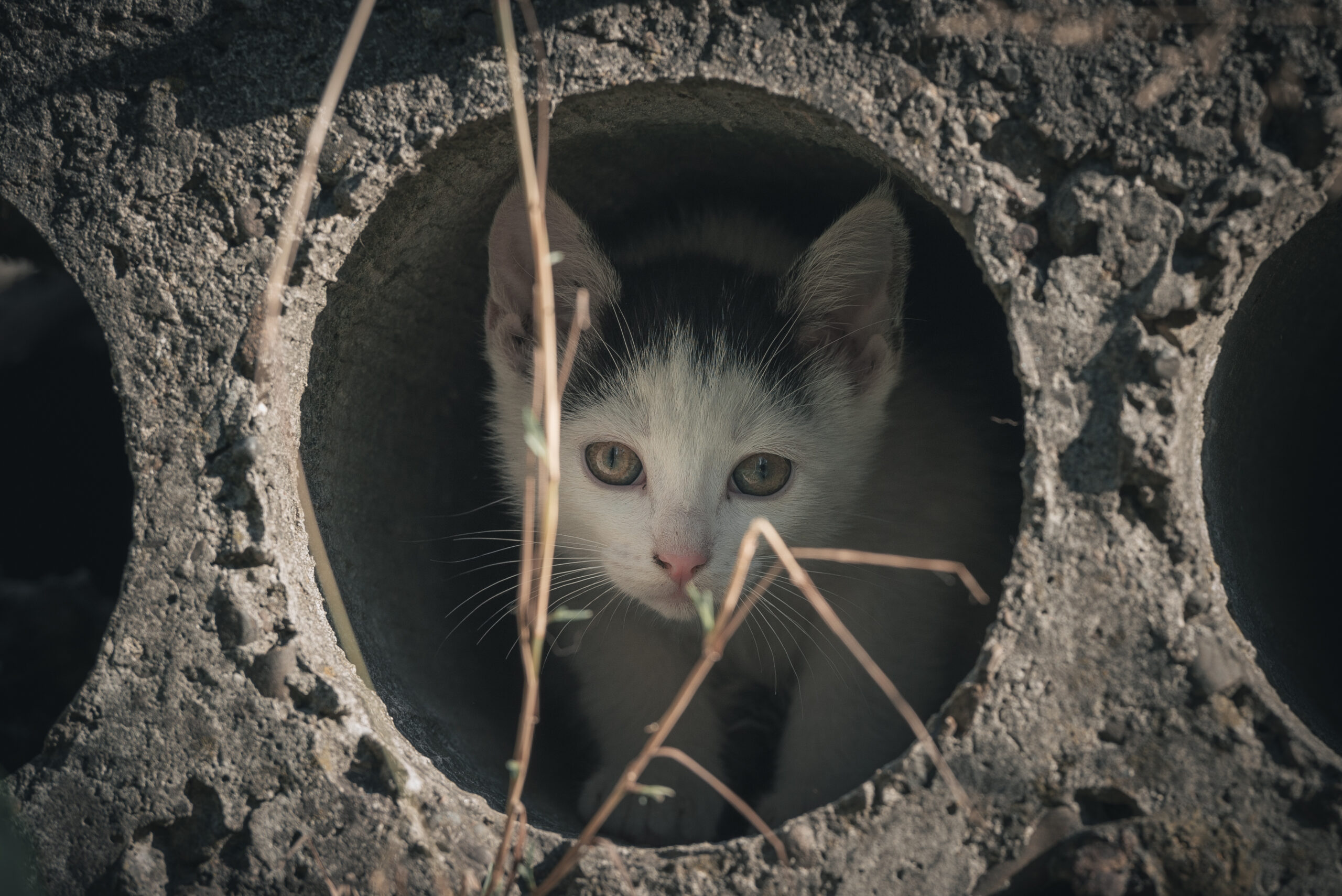
They develop social groups or colonies that help them survive harsh conditions. Observing their behavior in these settings reveals their intelligence and resilience. What can your neighborhood teach you about how these cats live and thrive?
Credit: secondchancehumane.org
Wild Instincts In Feral Cats
Feral cats carry powerful wild instincts that shape every part of their behavior. These instincts are crucial for survival in environments where food is scarce and danger is constant. Understanding these natural behaviors can help you see feral cats not just as strays, but as skilled survivors with unique ways of living.
Hunting Techniques
Feral cats rely on sharp senses and stealth to catch prey. They often hunt small animals like mice, birds, and insects, using patience and precision. You might notice a feral cat crouching low, eyes locked on its target, waiting for the perfect moment to pounce.
They also adapt their hunting based on the environment. In urban areas, feral cats might scavenge more, but the hunting instinct remains strong. Have you ever watched a feral cat patiently stalking a bird in your backyard? That focused behavior is pure survival instinct in action.
Territorial Behavior
Feral cats fiercely defend their territory to secure food and shelter. Their territories can range from a few hundred square meters to several acres depending on resources. You might hear loud yowls or see scratch marks on trees or fences—these are clear signs they are marking their boundaries.
Territorial disputes can get intense, especially when resources are limited. This behavior keeps the population balanced but can be stressful for the cats involved. How would you react if your home was constantly challenged by strangers?
Communication Methods
Feral cats communicate through sounds, body language, and scent marking. They use meows, hisses, growls, and purrs to express different emotions or warnings. Watching a tail flick or ear position can give you clues about their mood and intentions.
Scent marking is a powerful communication tool. Cats rub their face or spray urine to leave messages for others. This method helps them avoid direct conflicts by signaling ownership and presence. Have you noticed how cats sometimes rub against objects or people? It’s their way of saying, “This is mine.”
Daily Habits And Routines
Feral cats live a life shaped by survival. Their daily habits and routines help them adapt to wild conditions. These routines focus on finding food, safe shelter, and interacting with others. Understanding these habits reveals how feral cats thrive outside homes.
Feeding Patterns
Feral cats hunt mostly at dawn and dusk. They prefer small animals like mice, birds, and insects. Scavenging human leftovers is common in urban areas. Their feeding times match the activity of their prey. Cats use stealth and patience to catch food. They may eat several small meals throughout the day. Water sources are essential and often near feeding spots.
Shelter And Resting Spots
Feral cats seek safe and hidden shelters to rest. They use places like abandoned buildings, thick bushes, or under cars. These spots protect them from weather and predators. Cats sleep many hours, often 12 to 16 per day. Resting helps them save energy for hunting and moving. They change shelters based on safety and comfort needs.
Social Interactions
Feral cats show varied social behavior. Female cats often form small colonies with relatives. Males tend to live alone or roam widely. Cats communicate through scent marking, sounds, and body language. They avoid fights by keeping distance or showing warning signals. Play and grooming happen mostly within colonies. Social bonds help with protection and raising kittens.

Credit: www.four-paws.org
Reproduction And Population Control
Feral cats reproduce quickly, which makes controlling their population a challenge. Understanding their breeding habits and the effects on local ecosystems helps you grasp why population control is essential. Managing feral cat numbers benefits both the cats and the environment around them.
Breeding Cycles
Feral cats can breed as early as five months old. Their breeding season often peaks in spring and fall but can happen year-round in mild climates. A single female cat can have two to three litters annually, with up to six kittens per litter.
This rapid reproduction means populations can double in just a few months. If left unchecked, this leads to overcrowded colonies and increased competition for food and shelter. Have you ever noticed a sudden rise in stray cats in your neighborhood after a few months?
Impact On Local Wildlife
Feral cats hunt small animals, which can disrupt local wildlife populations significantly. Birds, rodents, and reptiles often suffer the most from their predation. This can lead to a decline in native species and imbalance in the ecosystem.
In some areas, feral cats have contributed to the extinction of vulnerable species. It’s important to consider how uncontrolled feral cat populations might affect the wildlife you care about. What steps could you take to protect local animals while addressing feral cat issues?
Trap-neuter-return Programs
Trap-Neuter-Return (TNR) programs offer a humane way to control feral cat populations. Cats are trapped, spayed or neutered, vaccinated, and then returned to their original location. This prevents further breeding without harming the cats.
Communities using TNR often see a gradual decrease in feral cat numbers and fewer complaints about nuisance behaviors. You might find it rewarding to support or volunteer in a TNR program near you. Could such an approach be the balance your community needs?
Challenges Faced By Feral Cats
Feral cats face a range of serious challenges that affect their survival and wellbeing every day. These challenges are often overlooked because feral cats live on the fringes of human society. Understanding these difficulties can help you think more deeply about how you interact with and support local feral cat populations.
Health Issues
Feral cats struggle with many health problems due to lack of regular care. They often suffer from parasites like fleas and ticks, which can weaken their immune systems.
Injuries from fights or accidents often go untreated, leading to infections. Without vaccinations, feral cats are vulnerable to diseases such as feline leukemia and feline immunodeficiency virus. Can you imagine living with constant pain and no access to medical help?
Human Conflicts
Feral cats frequently come into conflict with humans, especially in urban areas. People may see them as pests because they dig through trash or make noise at night.
Some communities resort to trapping or poisoning, which can be brutal and inhumane. Yet, many feral cats are just trying to survive in a world that wasn’t designed for them. How would you feel if your home was constantly threatened?
Environmental Threats
Feral cats also face dangers from the environment itself. Harsh weather, lack of food, and predators like coyotes create a hostile living space.
They often rely on human waste for food, which is not a reliable or healthy source. Habitat destruction from urban development reduces safe spaces for feral cats, pushing them into riskier areas. Have you ever considered how your neighborhood changes affect these animals?

Credit: secondchancehumane.org
Coexisting With Feral Cats
Living alongside feral cats requires understanding and respect for their natural habits. These cats are wild and cautious but can share spaces with people peacefully. Learning how to coexist helps reduce conflicts and supports the cats’ well-being. Communities can play a big role in creating safe environments for feral cats. Simple actions by individuals also make a difference in their daily lives.
Community Efforts
Communities can organize trap-neuter-return (TNR) programs. These programs control the feral cat population humanely. Volunteers track cat colonies and provide basic care. Public education helps people understand feral cats better. Local groups may work with animal shelters and vets. This teamwork reduces suffering and helps cats live healthier lives.
Feeding And Shelter Tips
Feeding feral cats regularly builds trust and supports their health. Offer fresh water and balanced food away from busy areas. Use shallow dishes to keep food clean and accessible. Provide shelters that protect cats from rain and cold. Simple shelters can be made with insulated boxes or straw bedding. Keep feeding spots consistent to avoid confusion.
Legal Considerations
Check local laws about feeding and caring for feral cats. Some places require permits or have rules about feeding in public areas. Understand the regulations before starting a feeding routine. Reporting injured or sick cats to animal control may be required. Legal awareness helps avoid fines and supports responsible care. Always follow guidelines to protect both cats and community members.
Frequently Asked Questions
What Is The Typical Behavior Of Feral Cats?
Feral cats are wild and avoid human contact. They hunt for food, live in colonies, and are mostly nocturnal. They communicate through body language and vocalizations.
How Do Feral Cats Survive In Urban Areas?
Feral cats survive by scavenging food, hunting small animals, and seeking shelter in hidden places. They adapt well to human environments and often live near dumpsters or abandoned buildings.
Are Feral Cats Aggressive Towards Humans?
Feral cats generally avoid humans and show fear when approached. They may hiss or scratch if cornered but rarely attack without provocation.
How Do Feral Cats Communicate With Each Other?
Feral cats use vocal sounds, tail movements, and facial expressions to communicate. They mark territory with scent glands and use body language to show dominance or submission.
Conclusion
Feral cats live wild and free, shaped by their environment. They hunt, hide, and survive with keen instincts. Their behavior shows how animals adapt to challenges. Understanding them helps communities coexist peacefully. Respecting their space keeps both cats and people safe.
Observing from a distance reveals their true nature. These cats are part of the urban ecosystem. Care and knowledge can balance their role outdoors. Their story is one of survival and resilience.
