

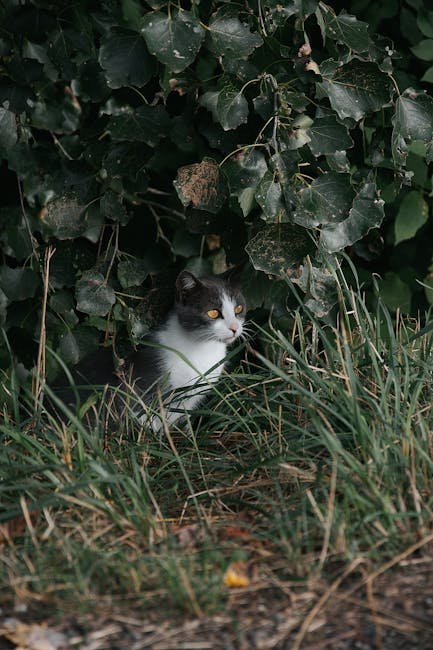
Ever noticed your cat rolling over to show its belly or lowering its head when you approach? These actions might seem puzzling at first, but they are classic signs of submissive behavior.
Understanding these behaviors can strengthen your bond with your feline friend and make your interactions more enjoyable. Imagine the confidence of knowing exactly what your cat is trying to communicate and how to respond. By the end of this article, you’ll have insights into the subtle gestures and signals your cat uses, making you a more attuned and empathetic pet owner.
Curious to decode your cat’s mysterious ways? Let’s dive in.
Signs Of Submissive Behaviour
Recognizing signs of submissive behaviour in cats helps understand their feelings and reactions. These signals show respect, caution, or a desire to avoid conflict. Cats use subtle and clear ways to express submission. Observing these signs improves communication and strengthens your bond.
Body Posture And Movements
Submissive cats often lower their bodies close to the ground. They may crouch with legs tucked under or lie down completely. Tail position matters too; a low or tucked tail signals submission. Slow, gentle movements show calm and non-threat. Avoiding direct eye contact is common to prevent confrontation.
Facial Expressions
Submissive cats display soft, relaxed facial features. Eyes may be half-closed or blinking slowly. Ears often tilt sideways or lay flat against the head. Whiskers stay relaxed, not pushed forward. These expressions reduce tension and show the cat feels safe but cautious.
Vocalizations And Sounds
Quiet, soft sounds indicate submission in cats. They may purr softly or make gentle chirping noises. Some cats emit low meows to show they mean no harm. Hissing or growling is rare in submission but can happen if feeling stressed. Listening closely helps understand the cat’s mood clearly.

Credit: www.seattlehumane.org
Why Cats Show Submission
Cats show submission for several reasons linked to their nature and environment. Submission helps them live peacefully with other cats and humans. It is a natural behavior that prevents fights and builds harmony. Understanding why cats act submissively can improve your bond with them and create a calm home.
Social Hierarchy In Cats
Cats live in groups with clear social ranks. Submission shows respect for higher-ranked cats. It helps avoid challenges and keeps order in the group. A submissive cat lowers its body, avoids direct eye contact, or exposes its belly. These signs tell others it is not a threat.
Avoiding Conflict
Submission is a way to stop fights before they start. Cats use gentle signals to say, “I don’t want to fight.” This behavior protects them from injury. Submissive cats may crouch, tuck their tails, or move away slowly. These actions calm tense situations and keep peace.
Building Trust With Owners
Cats show submission to bond with their human family. They might blink slowly, nuzzle, or expose their belly. These actions show trust and comfort. When cats feel safe, they act more submissively around their owners. This helps form a strong, loving connection.
Common Submissive Actions
Recognizing common submissive actions in cats helps you understand their feelings and build a stronger bond. Cats don’t speak our language, but their body tells a clear story of respect and trust. Watching for these behaviors can prevent misunderstandings and guide your interactions.
Crouching And Lowering The Body
A cat that crouches or lowers its body is signaling submission. This posture makes them appear smaller and less threatening, often showing they want to avoid conflict. You might notice your cat doing this around new people or other pets, trying to stay safe.
Once, my shy cat crouched low every time a visitor came over. Instead of forcing interaction, I gave her space. Over time, she grew more confident, showing how respecting this behavior builds trust.
Avoiding Eye Contact
Direct eye contact can feel challenging to cats. When your cat looks away or blinks slowly, they are showing submission and comfort. This behavior means they trust you enough not to feel threatened by you.
Try blinking slowly back at your cat. You’ll often see them respond in kind, deepening your connection. Have you ever noticed your cat avoiding your gaze? It might be their way of saying “I’m not a threat.”
Exposing The Belly
Showing the belly is one of the most vulnerable acts a cat can do. If your cat rolls over and exposes their belly, they are showing submission and trust. However, this doesn’t always mean they want a belly rub—sometimes it’s just a sign of comfort.
My cat once exposed her belly but quickly swatted when I tried to pet it. It taught me to read the signs beyond the surface. Next time you see this, watch their body language closely before reaching out.
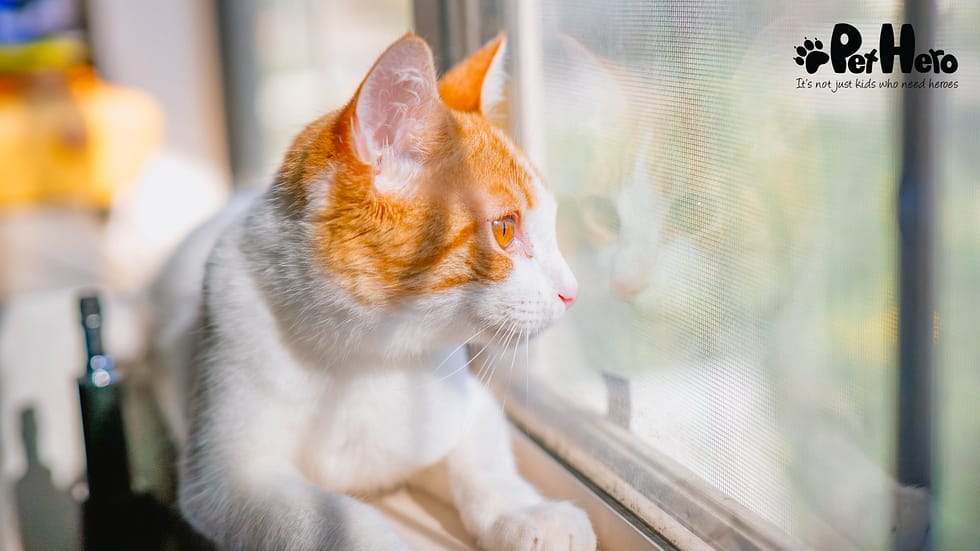
Credit: pethero.co.za
Interpreting Mixed Signals
Understanding your cat’s submissive behavior can be tricky, especially when the signals seem mixed. Your cat might appear calm and yielding one moment, then tense or skittish the next. Learning to interpret these subtle cues can help you respond in a way that strengthens your bond and keeps your cat comfortable.
When Submission Looks Like Fear
Submission and fear can look very similar in cats. A cat that crouches low, avoids eye contact, or tucks its tail might be showing submission, but it could also be scared. The key difference is in their body language: a fearful cat often has wide eyes and flattened ears, while a submissive cat’s posture is more relaxed.
Think about your cat’s overall environment. Is there something new or stressful nearby? If so, fear is likely the cause. Watch for signs like trembling or attempts to escape, which show your cat is uncomfortable rather than simply submitting.
Distinguishing Playfulness From Submission
Playful cats can show behaviors that resemble submission, such as lying on their backs or exposing their bellies. However, the difference lies in the cat’s energy and engagement. A playful cat will often wiggle its tail, pounce, or invite interaction, while a submissive cat remains still or avoids contact.
Notice how your cat reacts when you approach. If it invites touch or initiates play, it’s more likely being playful. If it stays passive or freezes, it may be displaying genuine submission. Have you observed moments when your cat’s belly exposure turned into a playful swat? That’s a clear sign of playfulness rather than submission.
Responding To Submissive Cats
Responding to submissive cats requires patience and understanding. These cats often show their vulnerability through body language and behavior, signaling their need for gentle care. Your approach can help them feel safer and more secure in their environment.
Encouraging Confidence
Help your cat build confidence by creating a calm and predictable environment. Offer quiet spaces where they can retreat without feeling threatened. You might notice your cat gradually exploring more or approaching you first when they feel comfortable.
Try engaging in gentle play sessions with soft toys. This allows your cat to express natural hunting instincts without pressure. Over time, they can learn to trust their abilities and your presence.
Respecting Boundaries
Pay close attention to your cat’s signals. If they flatten ears, tuck their tail, or avoid eye contact, it means they need space. Pushing them too quickly can increase anxiety and reduce trust.
Allow your cat to initiate contact. If they come to you, respond calmly and avoid sudden movements. This respect helps build a relationship where your cat feels in control and safe.
Positive Reinforcement Techniques
Use treats and praise to reward brave behavior. For example, if your cat approaches you after hiding, offer a small treat and gentle words. This teaches them that stepping out of their comfort zone brings positive outcomes.
Consistency is key. Keep rewards immediate and linked to specific actions. This way, your cat connects confidence with kindness, encouraging them to repeat the behavior.
Impact On Cat-owner Relationship
Cat submissive behaviour can deeply influence the connection you share with your feline friend. Understanding how your cat expresses submission helps you respond with care and respect. This awareness can improve trust and communication between you and your cat.
Building Stronger Bonds
When your cat shows submissive behaviour, it often means they trust you enough to lower their guard. Responding gently to these moments can strengthen your bond. Try offering soft petting or quiet reassurance to show you respect their feelings.
Think about the last time your cat rolled onto their back or avoided direct eye contact. How did you react? Your response can either deepen your connection or create distance. Being mindful of these signals helps you become a better companion.
Recognizing Stress And Anxiety
Submissive behaviour can sometimes mask stress or anxiety in cats. If your cat seems overly shy or hides frequently, they might be feeling overwhelmed. Recognizing these signs early allows you to address potential issues before they affect your relationship.
Ask yourself: Are there changes in your home that could unsettle your cat? Loud noises, new pets, or visitors might cause stress. Observing and adjusting your environment can help your cat feel more secure.
Creating A Safe Environment
Your cat’s submissive actions signal a need for safety and comfort. Creating a calm and predictable environment encourages them to relax and express themselves freely. Simple actions like providing quiet spaces and consistent routines make a big difference.
- Offer cozy hiding spots where your cat can retreat.
- Maintain regular feeding and playtimes.
- Use gentle tones and slow movements when interacting.
Have you noticed how your cat’s behaviour changes when you make these adjustments? A safe environment not only reduces submissiveness but also boosts your cat’s confidence and happiness.
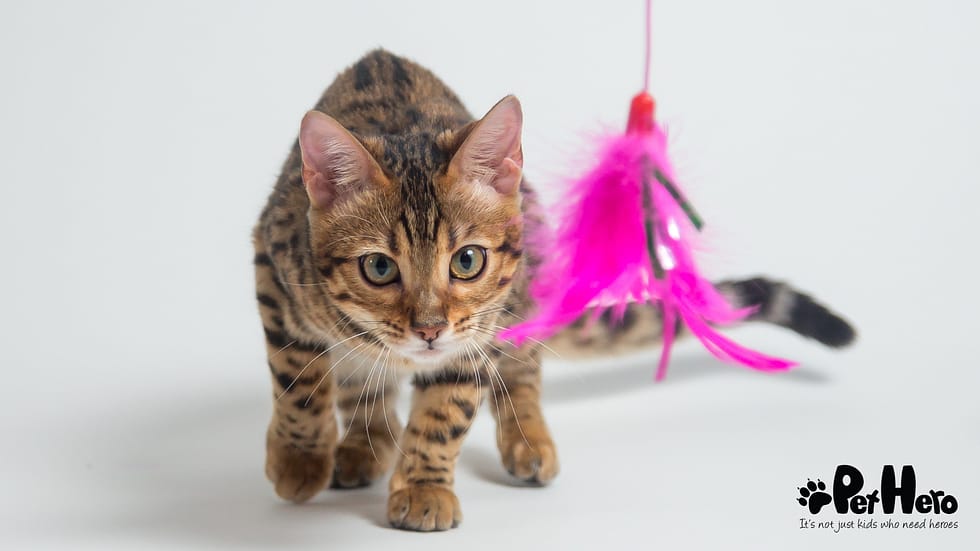
Credit: pethero.co.za
Frequently Asked Questions
What Are Common Signs Of Cat Submissive Behaviour?
Cat submissive behaviour includes crouching, avoiding eye contact, and tail tucking. Cats may also expose their belly or lick others to show submission and reduce conflict.
Why Do Cats Show Submissive Behaviour To Humans?
Cats show submissive behaviour to humans to express trust and avoid aggression. It helps build a peaceful bond and signals they feel safe around you.
How Can I Encourage My Cat’s Submissive Behaviour?
Encourage submissive behaviour by using gentle tones, offering treats, and avoiding sudden movements. Respect your cat’s space to build trust and reduce stress.
Is Submissive Behaviour Normal In All Cat Breeds?
Yes, submissive behaviour occurs in all cat breeds. However, its expression varies with personality and environment, reflecting each cat’s unique social style.
Conclusion
Cats show submissive behavior to feel safe and avoid fights. Watching their body language helps you understand their feelings. Respect their signals to build trust and a strong bond. Every cat is different; some are shy, others more bold. Patience and kindness create a calm and happy pet.
Learning these signs improves your relationship with your cat. Small actions make a big difference in how they act. Care and attention bring out their true personality.
