

Have you ever wondered about the fascinating world of domestic cats that are born without tails? These unique felines, often known for their distinctive looks and charming personalities, can captivate any cat lover’s heart.
Imagine a cat with a sleek, tailless silhouette prancing around your home, intriguing both you and your guests. These breeds are more than just a curious sight; they have rich histories and special traits that set them apart from their tailed counterparts.
As you explore the realm of tailless cat breeds, you’ll uncover the secrets behind their genetic makeup and discover why these felines are not just visually unique but also carry a charm of their own. Whether you’re considering adding one to your family or just eager to learn, you’re in for a treat. Keep reading to find out which breeds make the list, what makes them so special, and why they might just be the perfect fit for your home.
Tailless Cat Origins
Tailless cats have intrigued pet lovers and breeders for many years. Their unique appearance makes them stand out among other domestic cats. Understanding where these cats come from helps appreciate their charm and rarity. The origins of tailless cats trace back to specific genetic factors and historical breeding practices. These aspects explain why some cats are born without tails or with very short tails.
Genetic Causes Of Taillessness
Taillessness in cats is caused by a genetic mutation. This mutation affects the development of the tail during the cat’s growth in the womb. The gene responsible is dominant, meaning it can easily pass from parent to offspring. Not all cats with this gene have no tail, but many show shortened or missing tails.
Breeders study this gene carefully to produce healthy cats with the tailless trait. The gene can also cause health issues if two copies are inherited. Responsible breeding avoids these problems by careful selection of mates.
Historical Background
The most famous tailless cat breed is the Manx, which comes from the Isle of Man. This breed appeared naturally on the island hundreds of years ago. Islanders valued the cats for their hunting skills and unique look. Over time, breeders worked to keep the tailless trait strong in the population.
Other tailless breeds have different origins. For example, the Japanese Bobtail has a short tail caused by a different gene. Each breed’s history reflects the culture and needs of the people who raised them.
Credit: worldanimalfoundation.org
Popular Tailless Breeds
Tailless cats have a unique charm that sets them apart from other domestic breeds. Their absence of a tail often sparks curiosity and makes them memorable companions. If you’ve ever wondered which breeds naturally lack tails or have very short ones, this guide highlights some of the most popular tailless cat breeds you might want to know about.
Manx Cat
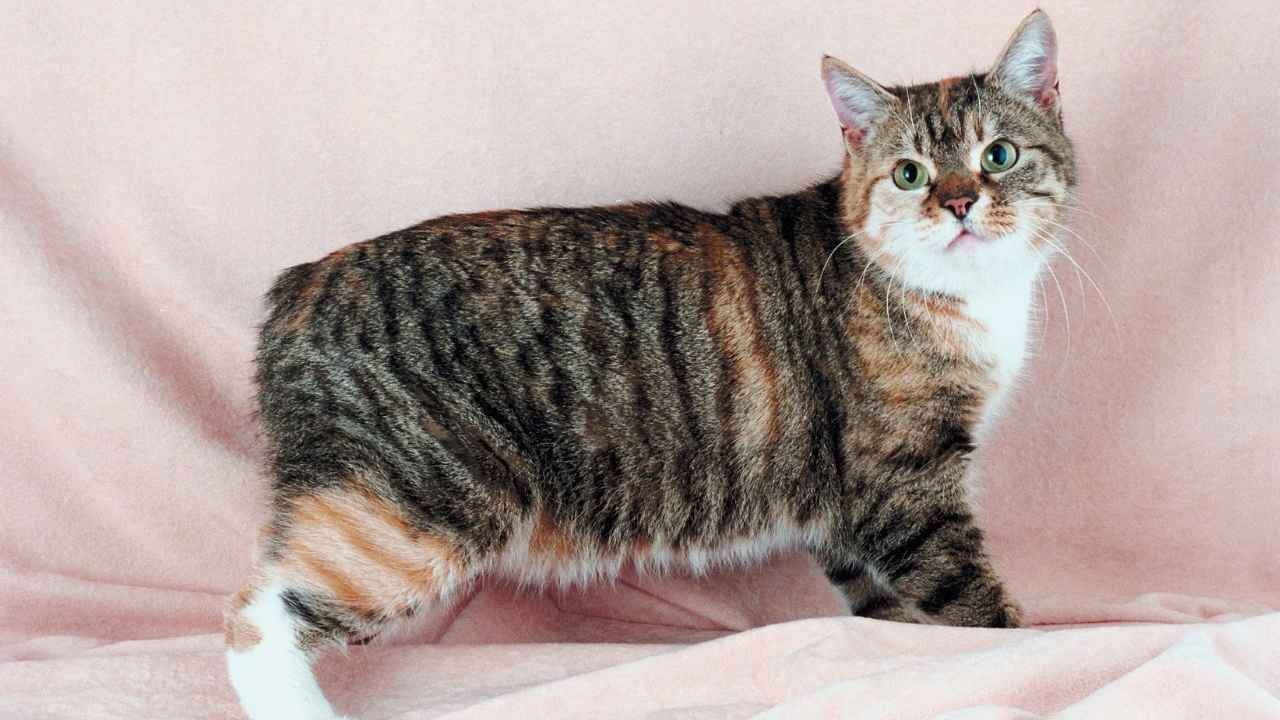
The Manx cat is probably the most famous tailless breed. Originating from the Isle of Man, these cats can have no tail at all or a very short stub. Their round bodies and strong hind legs give them a distinctive hopping gait, which many find endearing.
Manx cats are known for their friendly nature and intelligence. If you have a Manx, you might notice how they quickly learn new tricks or games. Have you ever met a cat that seems almost dog-like in its loyalty and playfulness?
Japanese Bobtail
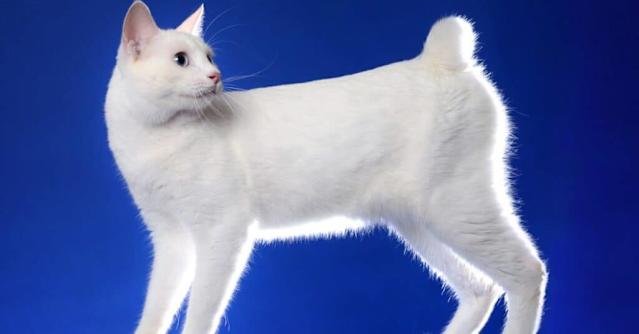
The Japanese Bobtail stands out with its short, pom-pom-like tail. Unlike the Manx, their tail is not missing but is naturally short and kinked. This breed is also deeply rooted in Japanese culture and often symbolizes good luck.
These cats are lively and social, often following their owners around the house. If you want a cat that acts like a little companion and entertainer, the Japanese Bobtail could be a great fit for your home.
Kurilian Bobtail
The Kurilian Bobtail is a robust and muscular breed with a short, fluffy tail. Originating from the Kuril Islands between Russia and Japan, these cats are excellent hunters. Their tails may look short, but they add to the breed’s balance and agility.
Kurilian Bobtails are affectionate but independent. They tend to form strong bonds with their families, showing affection on their own terms. Could this balance of independence and attachment be what makes them so special?
Physical Traits
Domestic cat breeds without tails have unique physical traits that set them apart from their tailed counterparts. Their absence of a tail affects not only their appearance but also their balance and communication style. Understanding these traits helps you appreciate their distinct charm and care needs.
Body Structure
These cats often have a compact and muscular build. Without a tail to balance them, their bodies tend to be more robust with a strong hindquarters. This helps them maintain agility and stability, especially when jumping or climbing.
Some breeds, like the Manx, show a rounded rump and shorter spine. This physical trait can sometimes lead to differences in movement, making their gait unique. Have you noticed how their walk seems more deliberate compared to other cats?
Coat Patterns And Colors
Tail-less cat breeds come in a variety of coat patterns and colors, just like other domestic cats. You can find solid colors, tabby stripes, spots, and even bi-color combinations. This variety adds to their appeal and individuality.
One interesting fact is that the absence of a tail doesn’t influence their coat quality or pattern. Whether they have short or long fur, the texture remains soft and often plush. When choosing your tail-less cat, consider how their coat color and pattern might match your personal style or home décor.

Credit: www.aol.com
Temperament And Behavior
Domestic cat breeds with no tails have unique temperaments and behaviors. Their personalities often reflect their unusual physical traits, making them special companions. Understanding their character helps in creating a happy home for these cats. These breeds tend to be friendly, curious, and loyal. They enjoy interaction but also value quiet time.
Personality Traits
- Affectionate and loyal to family members
- Curious about their surroundings
- Intelligent and quick learners
- Sometimes shy but usually social
- Strong bond with their owners
Activity Levels
- Moderate energy; enjoy play sessions
- Like exploring but prefer safe areas
- Enjoy climbing and interactive toys
- Rest quietly after bursts of activity
- Adapt well to indoor living
Health Considerations
Domestic cat breeds without tails have unique health needs. Their tail absence can affect balance and spine health. Understanding these concerns helps keep them happy and healthy. Proper care and regular vet visits are essential.
Common Health Issues
- Spinal problems due to altered vertebrae structure
- Balance difficulties impacting mobility
- Higher risk of arthritis in the lower back
- Possible skin issues near the tail base area
- Genetic conditions linked to tail mutation
Care Tips
- Provide soft bedding to support the spine
- Ensure safe play areas to prevent falls
- Schedule regular vet checkups for spine health
- Watch for signs of pain or discomfort
- Maintain a healthy weight to reduce joint stress
Choosing A Tailless Cat
Choosing a tailless cat requires special thought. These unique cats have no tails or very short tails. They often belong to specific breeds, like the Manx. Their tail difference can affect balance and movement. Understanding their needs helps ensure a happy home.
Adoption Tips
Adopt from shelters or rescue groups that specialize in tailless cats. Ask about the cat’s health and behavior. Tailless cats may need extra care for spine and mobility issues. Spend time with the cat before adoption. Check if the cat is comfortable and friendly. Prepare your home with safe spaces and soft bedding.
Breeder Selection
Choose a reputable breeder with experience in tailless breeds. Verify the breeder’s credentials and reviews. Ask about health tests for genetic conditions common in tailless cats. Good breeders provide clear information on care and temperament. Avoid breeders who prioritize appearance over health. Request to meet the cat’s parents if possible. This helps predict the cat’s future health and personality.
Tailless Cats In Culture
Tailless cats have long fascinated people beyond their unique physical appearance. Their absence of a tail sets them apart, making them subjects of stories, beliefs, and admiration in many cultures. Understanding how these cats fit into cultural narratives can deepen your appreciation for these special breeds.
Folklore And Legends
In some cultures, tailless cats are seen as mystical creatures. For example, the Manx cat from the Isle of Man is often linked to legends about the island’s origins and supernatural protection. People believed these cats brought good luck and warded off evil spirits.
Other stories suggest tailless cats were gifts from the gods or symbols of resilience. Have you ever thought about why certain animals get woven into myths while others don’t? The lack of a tail made these cats stand out, turning them into natural storytellers in folklore.
Modern Popularity
Today, tailless cats have gained fans worldwide, not just for their intriguing looks but also for their personalities. Breeds like the Manx and the Japanese Bobtail have large followings among cat lovers who appreciate their playful and affectionate nature.
If you’ve ever met a tailless cat, you know their charm goes beyond appearance. Their unique traits make them conversation starters and beloved pets. Could your next feline friend be one of these rare, tail-free companions?
Credit: cats.com
Frequently Asked Questions
What Are Popular Domestic Cat Breeds With No Tail?
Popular tailless domestic cat breeds include the Manx, Japanese Bobtail, and American Bobtail. These cats have naturally short or absent tails due to genetics.
Why Do Some Domestic Cats Have No Tails?
Tail absence or shortening in cats results from genetic mutations affecting tail development. It is a natural variation, not a defect, common in specific breeds.
Are Tailless Cats Healthy Pets?
Yes, tailless cats are generally healthy. However, some breeds like Manx may face spinal issues. Regular vet check-ups ensure their well-being.
How Do Tailless Cats Communicate Without Tails?
Tailless cats use body language, vocalizations, and ear movements to communicate. They adapt well despite lacking a tail for expression.
Conclusion
No-tail cat breeds show unique charm and strong character. They adapt well to homes and bring joy. Each breed has special traits that make them stand out. Their playful nature and friendly behavior make them great pets. Choosing a no-tail cat adds variety to your family.
These cats prove that tails are not needed for love. Consider their care needs and personality before deciding. A no-tail cat can be your perfect companion.
