


Are you worried about your cat’s unusual behavior? Does your furry friend seem more anxious or on edge lately?
You’re not alone. Many cat owners face the challenge of understanding and managing stressed cat behavior. When your beloved pet is stressed, it can lead to a range of issues that affect both their happiness and your peace of mind.
But don’t worry, by recognizing the signs and understanding the causes, you can help your cat feel more at ease. You’ll discover the telltale signs of stress in cats and learn practical tips to restore tranquility in your home. Keep reading to ensure your feline friend lives a stress-free life!

Credit: us.feliway.com
Common Stress Signs
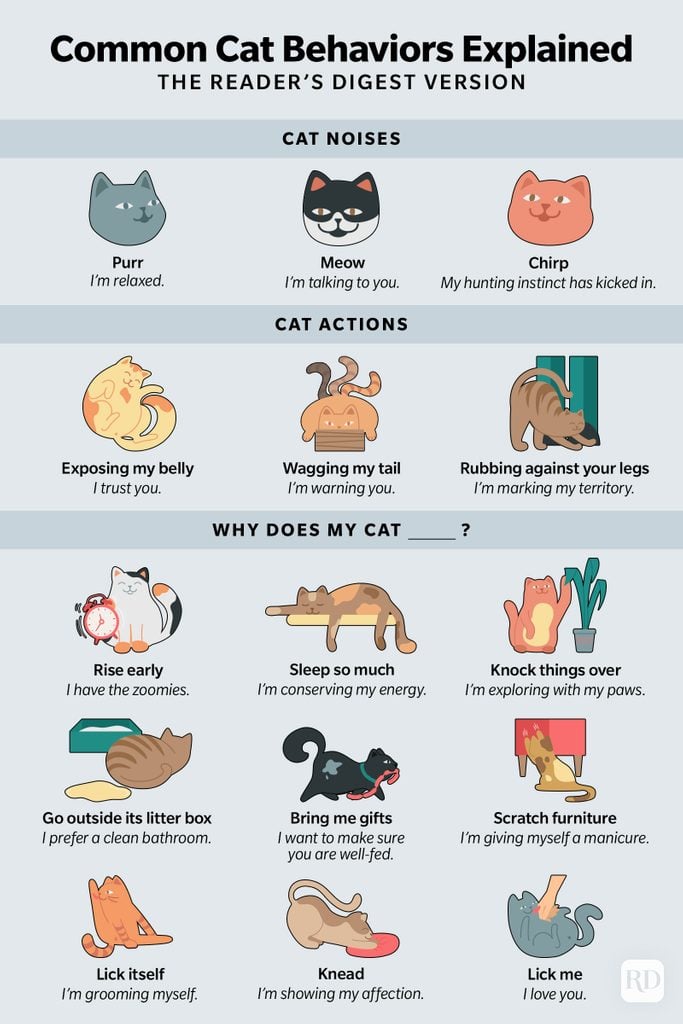
Recognizing stress in cats is vital for their well-being. Stress affects their behavior and health. Cats cannot tell us when they feel uneasy, so watch their actions closely.
Common stress signs in cats show through changes in habits and moods. These signs help identify when a cat needs comfort or care. Knowing these signs helps prevent serious health problems.
Changes In Appetite
Stress often causes cats to eat less or refuse food. Some cats may eat more than usual. Sudden changes in eating habits signal discomfort or anxiety. Monitor your cat’s eating patterns carefully.
Excessive Grooming
Cats under stress may groom themselves too much. This behavior leads to bald spots or irritated skin. Over-grooming helps them cope but can harm their skin. Notice if your cat licks or scratches more than usual.
Hiding And Withdrawal
A stressed cat may hide from people and other pets. They avoid interaction and stay in quiet places. Withdrawal shows they feel unsafe or overwhelmed. Look for your cat in hidden corners or under furniture.
Increased Vocalization
Some cats meow or yowl more when stressed. Loud or frequent vocal sounds can indicate anxiety. This behavior is a call for attention or help. Pay attention to changes in your cat’s voice patterns.
Aggression And Irritability
Stress may cause sudden aggression or irritability in cats. They might hiss, scratch, or bite without warning. This behavior shows frustration or fear. Handle your cat gently to avoid triggering aggression.
Credit: justcatsclinic.com
Causes Of Stress
Understanding what triggers stress in your cat is crucial for keeping them happy and healthy. Cats can be sensitive to many things that might seem minor to us. Identifying these causes helps you create a calmer environment for your furry friend.
Environmental Changes
Moving to a new home, rearranging furniture, or even changing the location of their food bowl can unsettle your cat. They thrive on routine and familiarity, so sudden changes might make them anxious. Have you noticed your cat hiding or avoiding interaction after something in the house shifts?
Loud Noises
Fireworks, thunderstorms, or loud household appliances can make your cat feel unsafe. Their hearing is much sharper than ours, so noises that barely bother you can be overwhelming for them. Try to observe if your cat reacts differently during noisy events and consider creating a quiet retreat for them.
New Pets Or People
Introducing a new pet or visitor can disrupt your cat’s sense of security. Cats need time to adjust to new faces and scents in their territory. Have you introduced new companions gradually and given your cat space to retreat if needed?
Health Issues
Sometimes, stress is a sign of underlying health problems. Pain, illness, or discomfort can cause changes in behavior and increase anxiety. If your cat’s stress seems sudden or severe, a visit to the vet could uncover health issues you might not see.
Lack Of Stimulation
Boredom can stress cats just as much as chaos. Without enough play, mental challenges, or interaction, cats can become restless and anxious. Are you providing enough toys, playtime, and attention to keep your cat engaged throughout the day?
Calming Techniques
Stress in cats shows up in many ways, from hiding to aggressive behavior. Helping your cat calm down takes patience and the right strategies. Here are some proven calming techniques that can make a big difference in your cat’s mood and behavior.
Creating Safe Spaces
Your cat needs a quiet place to retreat when feeling overwhelmed. A cozy corner with soft bedding or a covered cat bed can work wonders. I once noticed my cat becoming less anxious just after adding a small box with a blanket inside near a sunny window.
Make sure the space is away from loud noises and household traffic. This spot should be easily accessible and respected by everyone in your home. Have you found a particular area where your cat seems to relax the most?
Using Pheromone Products
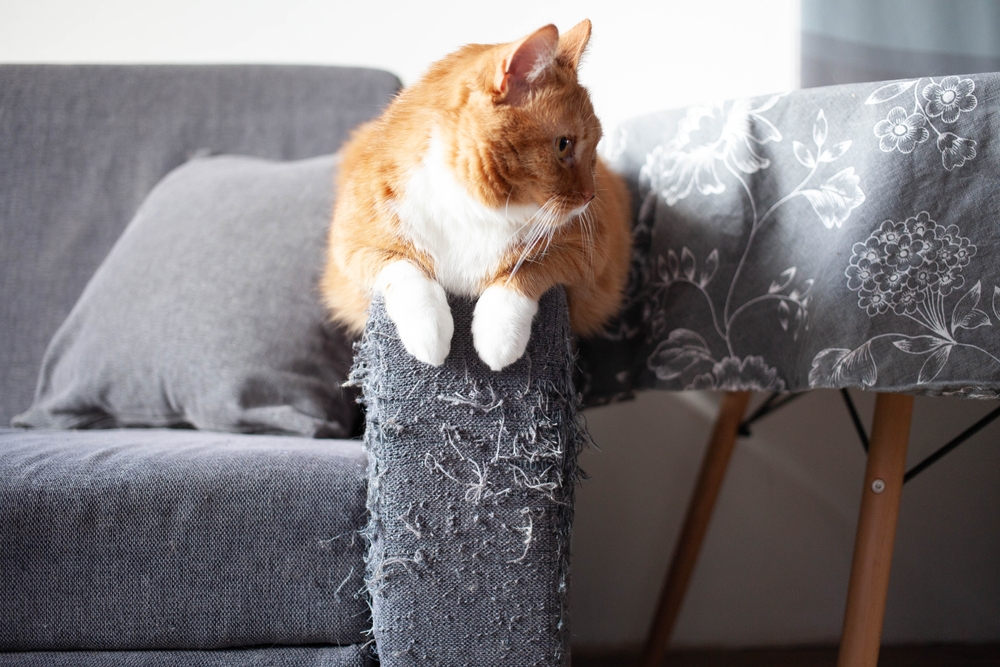
Pheromone diffusers and sprays mimic natural calming scents that cats respond to. These products can reduce anxiety and help your cat feel more secure. After using a diffuser in my living room, my cat stopped scratching the furniture out of stress.
Apply sprays on bedding or favorite resting spots. It’s safe and can be a quick way to ease tension during stressful events like vet visits or moving.
Interactive Play
Engaging your cat in play redirects nervous energy into something positive. Use toys like feather wands or laser pointers to encourage active play. I’ve seen shy cats become more confident just by playing a few minutes daily.
Play also strengthens your bond and provides mental stimulation. Try short, regular sessions and watch how your cat’s mood improves.
Consistent Routine
Cats thrive on predictability. Feeding, playtime, and bedtime at regular hours create a sense of security. When my schedule changed unexpectedly, my cat’s stress levels rose noticeably until I re-established consistency.
Think about your cat’s daily needs and keep them on a steady timetable. How regular is your cat’s routine now?
Soothing Music And Scents
Soft music and gentle scents can create a calming environment. Classical music or specially designed cat music can reduce anxiety. I played gentle tunes during thunderstorms, and my cat visibly relaxed instead of hiding.
Avoid strong perfumes but consider natural scents like lavender or chamomile near your cat’s space. These subtle additions might help your cat feel more at ease.
When To Seek Help
Recognizing when your cat’s stress needs professional help is important. Stress can affect their health and behavior significantly. Some signs show that simple home care is not enough. Seeking help early can prevent more serious problems.
Persistent Symptoms
Watch for stress signs that last more than a week. These include:
- Hiding for long periods
- Loss of appetite
- Excessive grooming or scratching
- Aggression toward people or other pets
- Changes in litter box habits
If these symptoms continue without improvement, it is time to seek help.
Behavioral Therapy Options
Behavioral therapy can help stressed cats adjust. A trained animal behaviorist may use:
- Desensitization techniques
- Positive reinforcement
- Environmental enrichment
- Stress reduction strategies
These methods aim to improve your cat’s comfort and reduce anxiety safely.
Veterinary Advice
Your vet can identify medical issues causing stress. They will perform a health check to rule out pain or illness. Vets also offer advice on managing anxiety through diet or lifestyle changes. Early veterinary intervention often leads to better outcomes.
Medication Considerations
Medication may help if other methods fail. Some cats benefit from anti-anxiety drugs prescribed by a vet. Medication should be used carefully and monitored closely. It is usually a short-term solution combined with behavior therapy.
Credit: www.rd.com
Frequently Asked Questions
What Are Common Signs Of Stressed Cat Behaviour?
Stressed cats often show hiding, excessive grooming, and aggression. Changes in appetite and litter box use are also common. Vocalization increases, and they may become withdrawn or restless. Recognizing these signs early helps in managing stress effectively.
How Can I Reduce Stress In My Cat At Home?
Provide a quiet, safe space for your cat to relax. Use calming pheromone diffusers and maintain a consistent routine. Play with your cat daily to reduce anxiety. Avoid sudden changes and loud noises to keep stress levels low.
Why Does My Cat Suddenly Act Aggressive When Stressed?
Stress triggers a fight-or-flight response in cats, causing aggression. They may feel threatened and use aggression to protect themselves. Identifying stressors and removing them can help calm your cat and prevent aggressive behaviour.
Can Diet Impact Stressed Cat Behaviour?
Yes, a balanced diet supports overall health and reduces stress. Nutrients like omega-3 fatty acids improve brain function and mood. Avoid sudden diet changes, as they can increase stress. Consult your vet for stress-relief supplements.
Conclusion
A stressed cat shows clear signs that need attention. Watch for changes in behavior or habits. Provide a calm space where your cat feels safe. Simple routines can help reduce their stress levels. Pay attention to their needs and offer gentle care.
Understanding your cat helps build a stronger bond. Stress affects their health and happiness. Act early to keep your cat calm and content. Caring for a stressed cat brings peace to both of you.
