

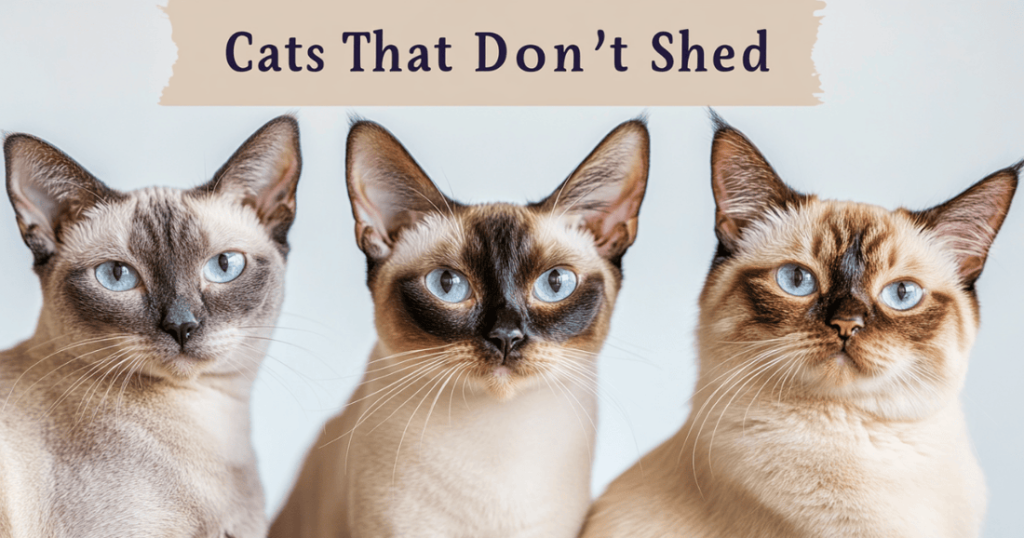
Do you love cats but dread the constant battle with fur all over your home? You’re not alone.
Many cat lovers are on the hunt for feline friends that won’t leave a trace on their furniture and clothes. Imagine the joy of cuddling with your furry companion without worrying about pesky hair everywhere. We’ll reveal the top cat breeds that don’t shed as much, offering you the perfect balance of companionship and cleanliness.
Ready to discover your next low-shed feline friend? Keep reading to find the ideal match for you and your home.

Credit: worldanimalfoundation.org
Why Shedding Matters
Shedding is a natural process for cats, but it can affect daily life in several ways. Knowing why shedding matters helps in choosing the right pet. Some cats lose less hair, making them easier to care for. Understanding shedding’s impact can improve comfort and cleanliness at home.
Impact On Allergy Sufferers
Cat hair carries allergens like dander and saliva proteins. These allergens trigger symptoms in sensitive people. Less shedding means fewer allergens spread around the house. Choosing low-shedding cat breeds can reduce sneezing and itching. It helps allergy sufferers enjoy a pet without constant discomfort.
Shedding And Home Cleanliness
Cat hair can cover furniture, floors, and clothes quickly. Regular cleaning becomes necessary to keep the home tidy. Low-shedding cats drop less hair, reducing cleaning time. This keeps living spaces neat and more pleasant. It also limits hair buildup on carpets and upholstery.

Credit: shamelesspets.com
What Makes A Cat Hypoallergenic
Hypoallergenic cats cause fewer allergy problems for many people. These cats shed less or produce fewer allergens. Understanding what makes a cat hypoallergenic helps choose the right breed. It depends on allergens and how much fur a cat loses daily. Some cats have special traits that reduce allergic reactions. Let’s explore the key factors behind hypoallergenic cats.
Allergens In Cat Fur And Skin
Cat allergens come from proteins found in skin flakes, saliva, and urine. The main allergen is called Fel d 1. It sticks to fur and skin, spreading when cats groom or shed. More shedding means more allergens in the environment. People allergic to cats react to these proteins, not the fur itself.
Hypoallergenic cats produce less Fel d 1 or shed less fur. Less shedding lowers allergen spread around the home. Regular grooming can also reduce allergen build-up on fur. Keeping cats clean helps minimize allergic reactions.
Traits Of Low-shedding Breeds
Low-shedding cats lose less fur, reducing allergens in the air. Some breeds have hair that traps allergens better. Others produce less allergen in their saliva and skin. Coat type plays a role, too. For example, curly or very short hair sheds less.
- Short or single-layer coats shed less fur
- Curly fur can trap allergens inside
- Some breeds produce less Fel d 1 allergen
- Regular grooming helps keep shedding minimal
Breeds like the Siberian and Balinese often cause fewer allergies. People who want a hypoallergenic cat should consider these traits. Choosing a breed with low shedding helps reduce allergy symptoms.
Top Hypoallergenic Cat Breeds
Some cats shed less than others and cause fewer allergy problems. These hypoallergenic breeds suit people with mild allergies. They produce less dander, which triggers allergic reactions. Cats that shed less also mean less fur around your home. Here are some top breeds known for their low-shedding qualities and allergy-friendliness.
Siberian Cats
Siberian cats have thick, luxurious coats but shed very little. They produce fewer allergy-causing proteins. Their fur traps dander close to the skin. This makes them a good choice for allergy sufferers. Siberians are friendly and playful, making great pets.
Balinese Cats
Balinese cats have long, silky fur but shed less than other long-haired breeds. They produce fewer Fel d 1 proteins, which cause allergies. Their soft coat requires regular grooming. Balinese cats are social and enjoy company.
Sphynx Cats
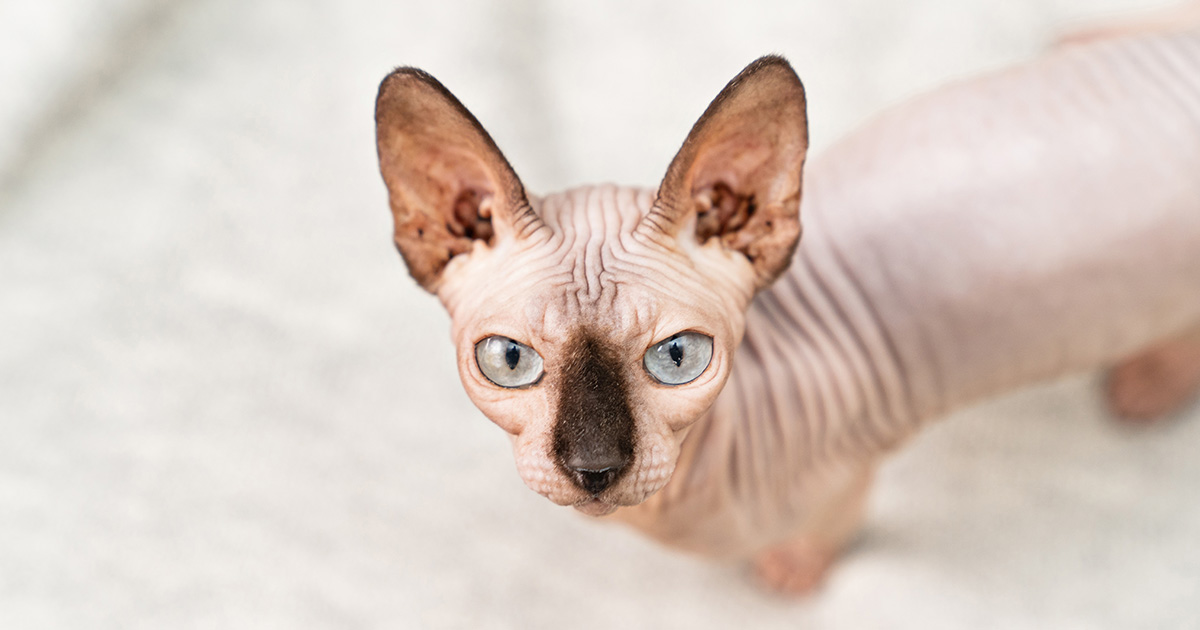
Sphynx cats have no fur at all. They do not shed, so they are ideal for people with allergies. Their skin needs regular bathing to remove oils and dander. Sphynx cats are energetic and love attention.
Devon Rex Cats
Devon Rex cats have short, curly coats that shed minimally. Their unique fur holds onto dander better. They need gentle grooming to keep their coat healthy. Devon Rex cats are playful and affectionate companions.
Russian Blue Cats
Russian Blue cats have short, dense fur that sheds little. They produce less Fel d 1 protein. Their coat feels soft and plush. Russian Blues are quiet and gentle, perfect for calm households.
Care Tips For Low-shedding Cats
Low-shedding cats need special care to stay healthy and comfortable. Proper care helps reduce the little fur they do shed. It also keeps their coat shiny and skin healthy. Understanding their grooming, diet, and home environment makes a big difference.
Grooming Techniques
Brush your cat regularly with a soft brush. This removes loose hair and prevents mats. Use a damp cloth to wipe down their coat sometimes. Bathing is rarely needed but can help if your cat gets dirty. Trim their nails carefully to avoid scratches. Check their ears and clean if you see dirt or wax. Grooming sessions also create bonding time with your cat.
Diet And Health
Feed your cat a balanced diet rich in omega-3 and omega-6 fatty acids. These nutrients improve skin and coat health. Fresh water must always be available to keep them hydrated. Regular vet visits ensure your cat stays free from skin problems. Watch for signs of allergies or dry skin. Healthy cats shed less and feel better overall.
Creating An Allergy-friendly Home
Keep your home clean by vacuuming floors and furniture often. Use air purifiers to reduce airborne allergens. Wash your cat’s bedding and toys weekly. Avoid carpets if possible; hard floors are easier to clean. Designate pet-free zones to limit allergen spread. Ventilate rooms well to keep air fresh and reduce dust.
Choosing The Right Hypoallergenic Cat
Choosing the right hypoallergenic cat is more than just picking a breed that sheds less. It’s about finding a companion that fits your daily routine, personality, and home environment. Understanding these factors helps you enjoy a harmonious relationship with your feline friend without triggering allergies.
Matching Lifestyle And Breed
Every cat breed has unique traits that influence how they fit into your lifestyle. Some hypoallergenic breeds, like the Siberian or Balinese, are playful and active, needing lots of attention and playtime. Others, like the Cornish Rex, are more laid-back and enjoy quiet spaces.
Think about your daily schedule. Do you have time to engage with a high-energy cat? Or would a calm, independent breed suit you better? Matching your lifestyle to the cat’s temperament reduces stress for both of you.
Trial Periods And Allergy Testing
Before fully committing to a hypoallergenic cat, spend time with the breed you’re interested in. Visit breeders, shelters, or friends who own these cats to see how your allergies react. This hands-on approach can save you from unexpected sneezes and discomfort.
Consider a trial period or fostering a cat to observe any allergy symptoms firsthand. Allergy testing at a doctor’s office can also help identify specific triggers. How does your body respond after a few hours or days? Tracking this helps decide if that cat is truly the right fit for you.
Credit: www.diamondpet.com
Frequently Asked Questions
What Are The Best Cat Breeds That Don’t Shed?
The best non-shedding cat breeds include the Sphynx, Devon Rex, Cornish Rex, and Russian Blue. These breeds have minimal to no shedding, making them ideal for allergy sufferers or those wanting less pet hair.
Are Non-shedding Cats Hypoallergenic?
Non-shedding cats produce fewer allergens but are not completely hypoallergenic. They shed less fur and dander, which reduces allergic reactions. However, individual sensitivity varies, so spending time with the breed before adoption is recommended.
How To Care For Non-shedding Cat Breeds?
Non-shedding cats need regular skin care, especially the Sphynx, which requires bathing. Their unique coats need gentle grooming and attention to prevent skin issues. Proper nutrition and vet check-ups ensure they stay healthy and comfortable.
Do Non-shedding Cats Require Less Grooming?
Yes, non-shedding cats generally need less brushing. However, some breeds like the Devon Rex still benefit from occasional grooming to remove oils and keep their coat healthy. Regular grooming helps maintain their skin and overall well-being.
Conclusion
Choosing a cat that sheds less can make life easier and cleaner. These breeds suit people with allergies or busy lifestyles. They offer love without the extra fur on clothes or furniture. Each cat has its own unique charm and personality.
Think about your home and what fits best for you. Enjoy the company of a furry friend without the mess. A low-shedding cat might be the perfect pet for your family.
