

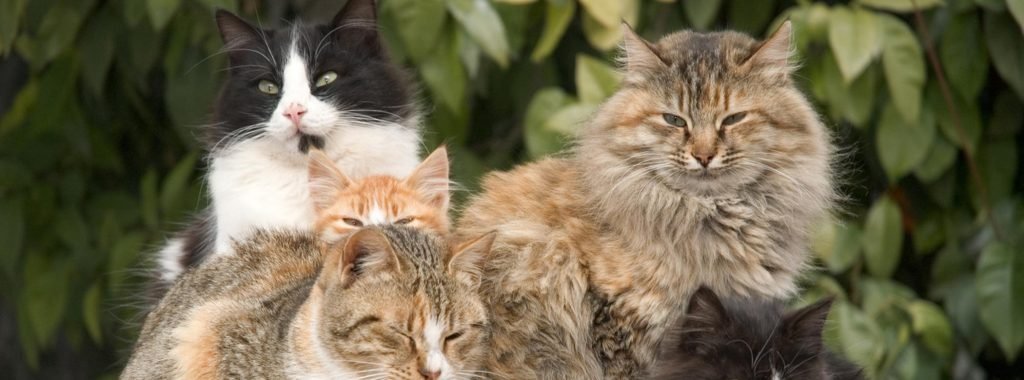
Imagine having a feline friend that’s not just a cat, but a majestic, larger-than-life companion. Large domestic cat breeds offer you this unique experience, merging the wild allure of big cats with the charm of a household pet.
As you delve into the world of these magnificent creatures, you’ll uncover their intriguing personalities, stunning appearances, and the joy they bring into your home. Are you ready to discover which of these gentle giants could be your perfect match?
Stick around, because you’re about to find out which breed might just capture your heart.
Top Large Cat Breeds
Large domestic cats offer a unique blend of charm and presence in any home. Their impressive size often comes with equally big personalities, making them fascinating companions. If you’ve ever wondered which breeds stand out for their size and character, here are some top large cat breeds to consider.
Maine Coon
The Maine Coon is famous for its large frame and tufted ears. These cats can weigh up to 18 pounds or more, with a thick, water-resistant coat perfect for colder climates. They’re incredibly friendly and often described as “gentle giants,” making them perfect if you want a big, loving pet.
Norwegian Forest Cat
Known for its rugged looks and lush fur, the Norwegian Forest Cat thrives in outdoor conditions. These cats have strong muscles and a solid build, often tipping the scales around 15 pounds. If you want a breed that combines strength with a playful nature, this one might catch your eye.
Ragdoll
Ragdolls are large, affectionate cats that often go limp when picked up—hence the name. They can grow quite big, sometimes weighing up to 20 pounds. Their calm demeanor makes them ideal for families looking for a big cat that’s easygoing and loves cuddles.
Savannah Cat
Savannah cats are a striking mix of domestic and wild traits, known for their tall, lean bodies and spotted coats. They can grow very large, often exceeding 20 pounds, and are incredibly active and curious. If you enjoy an energetic cat with a wild edge, Savannahs make a thrilling choice.
Chausie
Chausies blend domestic cat traits with the wild jungle cat, resulting in a large, athletic pet. They typically weigh between 15 and 20 pounds and are highly energetic with a strong hunting instinct. Do you have space and time to keep up with such a lively companion?

Credit: worldanimalfoundation.org
Physical Traits Of Giant Cats
Giant domestic cats impress with their striking physical traits. These cats stand out due to their large size and unique features. Their appearance often blends strength with elegance. Understanding these traits helps appreciate their beauty and care needs.
Size And Weight
Giant cats can weigh between 15 to 30 pounds or more. They often measure up to 18 inches tall at the shoulder. Males tend to be larger than females. Their bodies are muscular and sturdy. This size gives them a powerful yet graceful look.
Coat Patterns And Colors
These cats show a wide variety of coat patterns. Common patterns include tabby stripes, spots, and solid colors. Coat colors range from black and white to orange, gray, and cream. Some breeds have a thick, plush coat, while others have a sleek, short one. The coat often shines with good health and care.
Distinctive Features
- Large paws and strong claws for climbing and hunting.
- Wide heads with high cheekbones and broad noses.
- Long, thick tails that balance their big bodies.
- Expressive eyes that can be green, gold, or blue.
- Tufts of hair on ears or between toes in some breeds.
Personality And Behavior
Large domestic cat breeds carry distinct personalities that often surprise new owners. Their behavior can range from gentle giants to playful companions, making them fascinating pets. Understanding their personality traits helps you provide the right environment and care.
Temperament
Large cats like Maine Coons and Ragdolls often show calm and friendly temperaments. They tend to be patient, which makes them great with children and other pets. Some breeds, like the Norwegian Forest Cat, are more independent but still affectionate.
Have you noticed how a big cat’s gentle nature can be a comforting presence? Their size might be imposing, but their hearts are usually soft and welcoming.
Activity Levels
Expect a mix of energy from large breeds. Bengals, for example, are highly active and love climbing and playing. Meanwhile, British Shorthairs prefer lounging but still enjoy short bursts of playtime.
Your cat’s activity level will shape your daily routine. Do you have space for climbing towers or prefer a relaxed lap cat? Matching your lifestyle to their energy keeps both of you happy.
Social Needs
Large cats can be social butterflies or solitary thinkers. Ragdolls often crave human interaction and will follow you around the house. On the other hand, some Savannah cats enjoy socializing but need time alone to recharge.
Have you thought about how much attention your cat needs? Recognizing their social preferences helps prevent stress and builds a stronger bond.

Credit: www.hindustantimes.com
Care Tips For Large Cats
Large domestic cats need special care to stay healthy and happy. Their size means they have unique needs in diet, exercise, and grooming. Giving proper care helps prevent health issues and boosts their quality of life.
Diet And Nutrition
Large cats require balanced nutrition with enough protein and fats. Their food should support muscle growth and energy. Choose high-quality cat food designed for large or active breeds. Avoid overfeeding to prevent obesity, which strains joints and organs.
- Feed measured portions twice daily
- Include wet and dry food for variety
- Provide fresh water at all times
- Limit treats to avoid extra calories
Exercise And Play
Regular activity keeps large cats fit and agile. Encourage play with toys that stimulate hunting instincts. Use climbing structures and scratching posts to promote movement. Daily exercise reduces stress and prevents weight gain.
- Set aside at least 20 minutes for play
- Use feather wands and laser pointers
- Rotate toys to maintain interest
- Provide safe outdoor time if possible
Grooming Essentials
Large cats may have thick or long fur needing regular grooming. Brush their coat several times a week to prevent mats and hairballs. Check ears and eyes for cleanliness and signs of infection. Trim nails carefully to avoid scratches and damage.
- Brush with appropriate comb or brush
- Wipe eyes and ears gently with a damp cloth
- Trim nails every 2-3 weeks
- Bath only if necessary, using cat-safe shampoo
Choosing The Right Large Cat
Choosing the right large domestic cat is important for a happy home. Big cats need more care and space than smaller breeds. Matching a cat’s needs with your lifestyle helps both of you live well. This guide helps you think about the key factors before adopting a large cat.
Living Space Considerations
Large cats need room to move and play. Small apartments may feel crowded for them. They enjoy climbing and exploring. A house with vertical spaces, like shelves or cat trees, works best. Outdoor access can be good if it is safe. Consider noise levels too. Some large cats are loud and active.
Family Compatibility
Think about who lives in your home. Large cats can be gentle but strong. Children should learn how to treat them with care. Some breeds are more patient and calm. Others like to play a lot. Other pets also matter. Some big cats do well with dogs and other cats. Others prefer to be the only pet.
Health And Lifespan
Large cats may have different health needs. They can be prone to joint problems because of their size. Regular vet visits are important. Know the common health issues of the breed you choose. Lifespan varies by breed but is often shorter than small cats. Good diet and exercise help keep them healthy. Early care can prevent many problems.

Credit: uk.style.yahoo.com
Frequently Asked Questions
What Are The Largest Domestic Cat Breeds?
The largest domestic cat breeds include Maine Coon, Savannah, and Ragdoll. These cats can weigh over 15 pounds and have a sturdy, muscular build.
How Big Do Maine Coon Cats Typically Get?
Maine Coons can grow up to 40 inches long, including their tail. They usually weigh between 10 to 25 pounds, making them one of the largest breeds.
Are Large Domestic Cats Good Family Pets?
Yes, large domestic cats like Ragdolls and Maine Coons are gentle, friendly, and great with children. Their calm nature suits family environments well.
Do Large Cat Breeds Need Special Care?
Large cats require a balanced diet to maintain healthy weight. Regular grooming is essential, especially for long-haired breeds like Maine Coons and Ragdolls.
Conclusion
Large domestic cat breeds bring charm and strength to any home. They need space and love to thrive well. Each breed has unique traits and care needs. Choosing the right cat means knowing their personality and size. Big cats make loyal friends and playful companions.
Remember, caring for them requires time and patience. Enjoy the joy these gentle giants bring every day. Their presence fills a house with warmth and life. A large cat can become your perfect family member.
