

Have you ever wondered what your cat’s behavior really means? You’re not alone.
Understanding your feline friend can sometimes feel like solving a mystery. But what if there was a simple way to decode those quirky actions and moods? Enter the cat behavior chart—a tool that can transform how you interact with your furry companion.
Imagine knowing exactly what your cat wants, needs, or feels just by observing their actions. This isn’t just about curiosity; it’s about building a deeper, more harmonious relationship with your pet. Stick around, and you’ll discover how this chart can become your ultimate guide to unlocking the secrets of cat behavior.
Common Cat Behaviors
Cats use many behaviors to share their feelings and needs. Watching these behaviors helps understand your pet better. Some actions show happiness, while others signal discomfort or fear. Paying attention to these signs helps build a stronger bond with your cat.
Body Language Signals
Body language is a key way cats communicate. Look at their eyes, ears, and posture. Wide eyes often mean curiosity or surprise. Narrowed eyes can show contentment or anger. Ears facing forward mean interest. Flattened ears usually signal fear or aggression. A relaxed body shows comfort. A tense body may mean stress or readiness to react.
Vocalizations And Sounds
Cats make many sounds to express themselves. Meowing is common and varies by tone. A soft meow often means a greeting or request. Loud or repeated meows can signal hunger or attention needs. Purring usually shows contentment but can also mean pain. Hissing or growling warns to stay away. Chirping sounds often happen when cats watch birds or prey.
Tail Movements
The tail shows many emotions and intentions. A high tail means confidence and happiness. A low or tucked tail signals fear or submission. Quick tail flicks show irritation or excitement. Slow tail sways mean the cat is focused or curious. Puffing up the tail makes the cat look bigger to scare threats.
Credit: www.etsy.com
Decoding Playful Actions
Understanding your cat’s playful actions helps build a strong bond. Cats show joy and curiosity through their play. These actions reveal their natural instincts and moods. Watching closely uncovers what your cat enjoys most.
Pouncing And Stalking
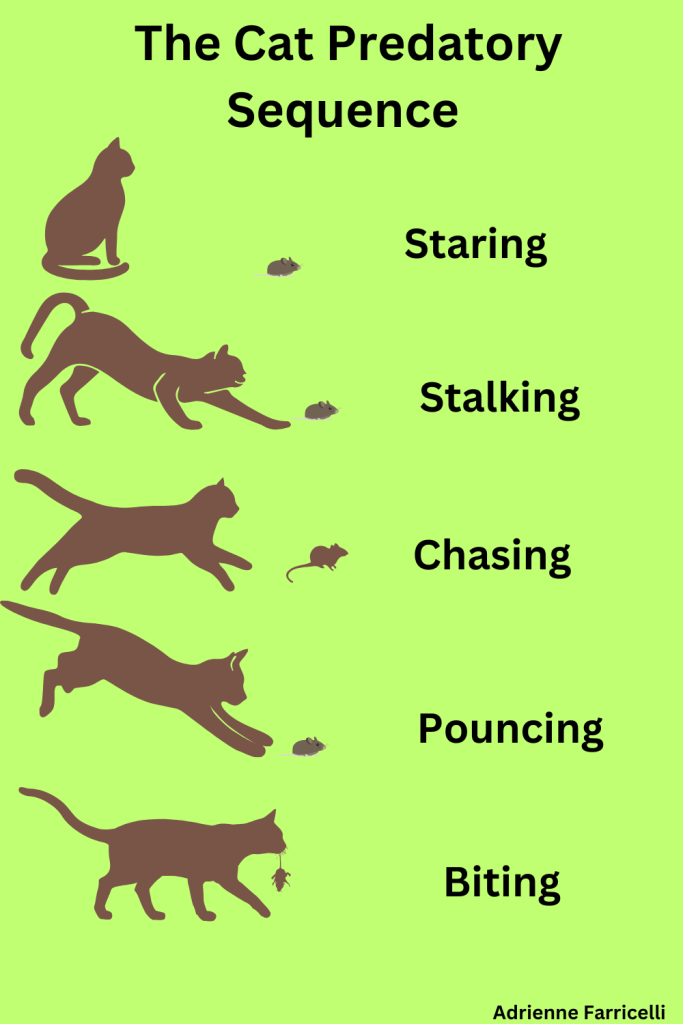
Pouncing and stalking mimic hunting behavior. Cats crouch low, eyes fixed on a target. They move slowly and quietly, preparing to leap. These actions sharpen their focus and agility. Pouncing is a quick, powerful jump to catch prey or toys. It shows excitement and confidence.
Chasing And Hunting Games
Chasing games keep cats active and alert. They run after moving objects like balls or strings. Hunting games satisfy their need to catch and capture. These activities prevent boredom and stress. Cats love the thrill of the chase and the reward of catching.
Interactive Play Preferences
Cats have unique play styles and preferences. Some prefer solo play with toys they can bat or carry. Others enjoy interactive play with their owners using wands or lasers. Knowing your cat’s favorite play style helps choose the right toys. Respecting their limits keeps playtime fun and safe.
Signs Of Affection
Understanding your cat’s signs of affection can deepen the bond you share. Cats express love differently than humans, often through subtle behaviors. Recognizing these cues helps you respond in ways that make your cat feel safe and cherished.
Purring And Kneading
Purring is one of the most common signs of a happy and affectionate cat. It often means your cat feels content and comfortable around you.
Kneading, where your cat presses its paws rhythmically into a soft surface (like your lap), is another strong indicator of affection. This behavior traces back to kittenhood, when they kneaded their mother’s belly to stimulate milk flow. When your cat kneads you, it shows trust and a desire to bond.
Head Butts And Nuzzles
Have you noticed your cat gently bumping their head against you? This “head butt” is a friendly gesture and a way to mark you with their scent, signaling you belong to their social circle.
Nuzzling, where your cat rubs their face or body against you, also serves the same purpose. It’s a warm, physical way to show attachment and affection. If your cat frequently nuzzles you, it’s a clear sign they consider you part of their family.
Slow Blinking
Slow blinking is a quiet but powerful way cats show affection. When your cat looks at you and slowly closes its eyes, it’s like a “cat kiss.”
You can return this gesture by slow blinking back, which helps build trust. Have you ever tried slow blinking at your cat? It might surprise you how quickly this simple act can strengthen your connection.
Stress And Anxiety Indicators
Recognizing stress and anxiety in your cat is crucial for their wellbeing. Cats often show subtle signs that something is wrong. Understanding these indicators helps you act quickly to ease their discomfort and improve their environment.
Hiding And Avoidance
If your cat suddenly starts hiding more than usual, it could be a sign of stress. They might avoid interaction, staying under furniture or in quiet corners. This behavior often signals they feel unsafe or overwhelmed.
Have you noticed your cat disappearing whenever guests arrive? This avoidance is their way of coping. Creating safe, quiet spaces can help them feel more secure.
Excessive Grooming
Over-grooming is a common stress response in cats. You might see bald patches or irritated skin from too much licking or scratching. This behavior can worsen if their anxiety isn’t addressed.
Try to observe when this happens—changes in the home or routine often trigger it. Offering distractions like new toys or interactive play can reduce their focus on grooming.
Aggressive Behavior
Stress can make even the gentlest cat act out aggressively. Biting, scratching, or growling at familiar people or animals often means they feel threatened. This is your cat’s way of defending themselves when they’re anxious.
Ask yourself: Has something changed in your cat’s surroundings? Identifying triggers and providing calm reassurance can help reduce aggression over time.
Sleeping And Resting Habits
Cats spend a large part of their day sleeping or resting. Understanding their sleeping habits helps you know your cat better. These habits show comfort levels and mood. Watching where and how your cat sleeps reveals much about their behavior.
Preferred Sleeping Spots
Cats choose cozy and safe places to rest. Common spots include:
- Soft cushions or blankets
- Sunny windowsills
- High shelves or cat trees
- Boxes or small enclosed spaces
- On their owner’s lap or near them
They prefer warm and quiet areas. Cats often return to the same spot daily. This shows trust and comfort in their environment.
Sleep Positions And Meanings
Different sleep positions reveal your cat’s feelings:
- Curled up:Conserves heat and feels safe.
- Stretched out:Very relaxed and confident.
- Loaf position:Cat is resting but alert.
- On the back, belly up:Fully trusts you and feels secure.
- Hiding face under paws:Deep sleep or avoiding light.
Noticing these positions helps you understand your cat’s mood and health.
Eating And Drinking Patterns
Understanding your cat’s eating and drinking patterns is key to spotting changes in their health and mood early. Cats are creatures of habit, so any sudden shifts in what or how they eat can be a sign that something needs your attention. Paying close attention to these patterns not only helps keep your feline friend healthy but also strengthens the bond you share.
Food Preferences
Your cat’s food preferences can tell you a lot about their personality and well-being. Some cats prefer wet food over dry, while others might favor a specific flavor like chicken or fish. Notice if your cat consistently chooses one type or brand—this can help you pick the best diet for them.
Have you ever noticed your cat turning their nose up at a meal they once loved? This could mean their tastes are changing or they might be feeling unwell. Try offering small amounts of different foods to see what excites their appetite without forcing them.
Changes In Appetite
A sudden increase or decrease in your cat’s appetite can signal health issues that need immediate attention. If your cat stops eating or drinking for more than 24 hours, consult your vet right away. On the other hand, excessive eating or drinking might indicate conditions like diabetes or kidney problems.
Keep a simple log of your cat’s daily food and water intake to catch changes early. You might be surprised how even small shifts can point to bigger issues. Have you checked your cat’s eating habits recently? It could reveal more than you expect.
Litter Box Behavior
The litter box is a key part of your cat’s daily routine. Watching how your cat uses the box can tell you a lot about its health and mood. Cats usually keep their litter box clean and use it regularly. Changes in this behavior can mean something is wrong.
Normal Usage
Cats prefer a clean, quiet place for their litter box. They usually:
- Use the box without hesitation
- Bury their waste after using
- Visit the box several times a day
- Keep the litter area tidy
Most cats have a regular schedule for bathroom breaks. Consistency shows good health and comfort.
Signs Of Problems
Changes in litter box habits can signal health or stress issues. Watch for:
- Sudden avoidance of the box
- Frequent attempts without results
- Excessive digging or scratching
- Urinating or defecating outside the box
- Changes in waste color or smell
These signs may mean infections, pain, or anxiety. Early attention can prevent bigger problems.

Credit: www.reddit.com
Seasonal And Environmental Effects
Seasonal and environmental changes can greatly affect a cat’s behavior. Cats are sensitive to shifts in weather and surroundings. These changes may alter their activity levels, mood, and social interactions. Understanding these effects helps owners respond better to their pet’s needs.
Behavioral Changes In Weather
Cold weather often makes cats seek warm, cozy spots. They may sleep more and reduce their activity. Hot weather, on the other hand, can cause restlessness or increased grooming. Cats might hide or stay quiet during storms or heavy rain. Light changes can affect their sleep patterns and playfulness.
Impact Of New Surroundings
New environments can cause stress and anxiety in cats. They may hide, meow more, or avoid people. Changes in furniture, smells, or sounds can confuse them. Gradual introduction to new spaces helps reduce fear. A calm, familiar item can comfort cats in new places.

Credit: www.littergenie.com
Frequently Asked Questions
What Is A Cat Behaviour Chart Used For?
A cat behaviour chart tracks and records your cat’s actions and moods. It helps identify patterns and understand your cat’s needs better. This tool can improve communication and strengthen your bond with your cat by recognizing signs of happiness or distress early.
How Can I Interpret My Cat’s Body Language?
Cat behaviour charts often include body language cues like tail position and ear movement. These signs reveal emotions such as contentment, fear, or aggression. Learning these cues helps owners respond appropriately, ensuring the cat feels safe and understood.
Why Track Changes In My Cat’s Behaviour?
Tracking behaviour changes reveals health issues or stress factors early. Sudden shifts might indicate illness, anxiety, or environmental changes. A behaviour chart helps monitor these changes consistently, allowing timely intervention and better care.
Can A Behaviour Chart Improve My Cat’s Training?
Yes, a behaviour chart identifies triggers and rewards that affect your cat. Tracking positive and negative behaviours helps tailor training methods effectively. Consistency in recording behaviour boosts training success and strengthens your cat’s good habits.
Conclusion
Understanding your cat’s behavior helps build a strong bond. The chart shows common actions and their meanings. Watch your cat closely to see these signs. This knowledge makes caring for your pet easier. Cats communicate in many ways every day.
Recognizing their signals improves your connection and care. Enjoy learning about your cat’s unique personality. Keep observing and loving your furry friend.
