


Is your feline friend leaving you puzzled with its mysterious antics? You’re not alone.
Cats, with their playful pounces and enigmatic stares, often seem like creatures from another world. But what if understanding your cat’s behavior could transform your relationship with them? Imagine turning confusion into clarity, and frustration into harmony. Discover the secrets behind those quirky behaviors and unlock the joy of living with a content and communicative cat.
Dive into this guide, and learn how to decode your kitty’s conduct, ensuring both you and your furry companion live a happier, more connected life. Ready to become fluent in ‘cat’? Let’s get started!

Credit: purrsuasion.ca
Common Cat Behaviors
Understanding common cat behaviors is key to building a stronger bond with your feline friend. Cats communicate a lot through their actions, and recognizing these signals helps you respond to their needs better. Let’s break down some typical behaviors that reveal what your cat might be feeling or trying to tell you.
Body Language Signals
Your cat’s body language speaks volumes. A slow blink often means trust and affection—try blinking back to strengthen your connection.
Watch the tail closely: a straight-up tail signals happiness, while a puffed-up tail shows fear or agitation. Ears pinned back? Your cat might be upset or scared.
Notice how your cat crouches or arches its back. These postures can indicate readiness to pounce or a warning to stay away. Are you reading these signs correctly to avoid misunderstandings?
Vocalizations And Their Meanings
Meowing is usually reserved for communicating with you. Different tones express different needs—short meows might ask for attention, while a prolonged meow could signal discomfort or hunger.
Purring often means contentment, but cats also purr when they’re in pain or stressed. If your cat purrs while hiding, consider if something is wrong.
Hissing or growling clearly shows distress or fear. Listen carefully to these sounds to know when to give your cat some space.
Play And Hunting Instincts
Play is more than fun; it’s practice for hunting skills. Your cat might stalk, pounce, or chase toys as if they were real prey.
Provide interactive toys like feather wands or laser pointers to satisfy these instincts safely indoors. This keeps your cat mentally and physically engaged.
Have you noticed your cat bringing “gifts” like small toys or even insects? It’s their way of sharing a successful hunt with you. How do you respond to these thoughtful offerings?
Reasons Behind Cat Actions
Cats communicate through their actions and body language. Understanding why cats behave a certain way helps improve their care. Many factors influence cat behavior daily. Recognizing these reasons can reduce frustration and build trust. Below are key reasons behind common cat actions.
Stress And Anxiety Triggers
Cats feel stress from changes in their environment. Moving homes or new people can cause anxiety. Loud noises and unfamiliar animals also trigger stress. Stress makes cats hide, scratch, or avoid interaction. Signs include excessive grooming or aggression. Calm surroundings and routine help reduce stress.
Territorial And Social Needs
Cats are territorial animals by nature. They mark spaces with scent and scratches to feel safe. Introducing new pets can cause territorial disputes. Social needs vary; some cats enjoy company, others prefer solitude. Understanding your cat’s social preference is important. Respecting their space prevents conflict and stress.
Health Issues Influencing Behavior
Illness or pain changes how cats act. Sudden aggression, hiding, or loss of appetite may signal health problems. Regular vet visits catch issues early. Aging cats often show behavior changes due to discomfort. Observing behavior helps detect health concerns quickly. Proper care improves their quality of life.
Improving Cat Interaction
Improving interaction with your cat can transform your daily life and deepen your connection. It takes patience and understanding to tune into your cat’s world. Let’s look at ways you can build a better relationship and communicate more effectively.
Building Trust And Bonding
Trust is the foundation of any relationship with your cat. Start by respecting their space—avoid forcing contact. Instead, offer your hand gently and wait for your cat to approach you.
Try spending quiet time together in the same room without direct interaction. This helps your cat feel safe around you. Over time, small gestures like offering treats or brushing sessions can strengthen your bond.
Have you noticed your cat’s favorite spots for resting? Sitting nearby without disturbing them shows you value their comfort, encouraging trust to grow naturally.
Effective Communication Techniques
Cats communicate mostly through body language and subtle sounds. Learn to read their tail positions, ear movements, and eye contact to understand their mood. For example, slow blinking back at your cat signals calmness and friendliness.
Use a soft, calm voice when talking to your cat. Loud or sudden noises can startle them. Repeat simple words or phrases so they begin to associate your tone with positive experiences.
Try to match your cat’s pace during play or interaction. If they move slowly, don’t rush them. This shows you respect their feelings and helps avoid misunderstandings.
Handling Aggression And Fear
Aggression and fear often stem from stress or feeling threatened. Watch for signs like hissing, swatting, or hiding. If your cat shows these, give them space immediately and avoid eye contact.
Create a calm environment by reducing loud noises and providing hiding places like boxes or covered beds. You can also use pheromone diffusers to help your cat feel more relaxed.
If aggression continues, try redirecting their energy with interactive toys instead of punishing them. Understanding what triggers their fear or aggression is key to managing it effectively.

Credit: icatcare.org
Environment And Enrichment
A cat’s environment greatly affects its mood and behavior. A well-enriched space helps cats stay happy and healthy. Cats need places to explore, hide, and rest. Enrichment keeps their minds sharp and bodies active. A good environment reduces stress and prevents bad habits.
Creating A Cat-friendly Space
Provide safe areas where cats can relax without disturbance. Use soft bedding in quiet corners. Cats love vertical spaces like shelves or cat trees. These allow climbing and give them a sense of security. Place scratching posts near resting and playing areas. Keep litter boxes clean and in private spots. Ensure fresh water and food bowls are easy to reach.
Toys And Activities For Stimulation
Toys encourage natural hunting and play behaviors. Use a mix of interactive toys and ones cats can use alone. Rotate toys often to keep interest alive. Consider puzzle feeders to make eating fun. Play sessions help build a bond and burn energy. Use feather wands, laser pointers, or balls for active play. Provide safe chew toys to satisfy biting urges.
Managing Multi-cat Households
Each cat needs its own space to avoid fights. Provide multiple litter boxes, food, and water stations. Separate resting spots reduce stress and competition. Observe cats’ body language to spot tension early. Use calming products like pheromone diffusers if needed. Gradual introductions help new cats adjust smoothly. Respect each cat’s personality and space needs.
Training And Behavior Modification
Training and behavior modification are key to building a strong bond with your cat and ensuring a happy home. Cats respond well to clear signals and consistent routines. Understanding how to guide their behavior helps you address issues before they become habits.
Positive Reinforcement Strategies
Reward your cat immediately when they display good behavior. Treats, gentle petting, or verbal praise work well as incentives. Timing matters—your cat must connect the reward with the action.
Try using clicker training to mark the exact moment your cat does something right. This technique speeds up learning and makes training more fun for both of you. Have you noticed how a small reward can motivate your cat more than scolding ever could?
Discouraging Unwanted Behaviors
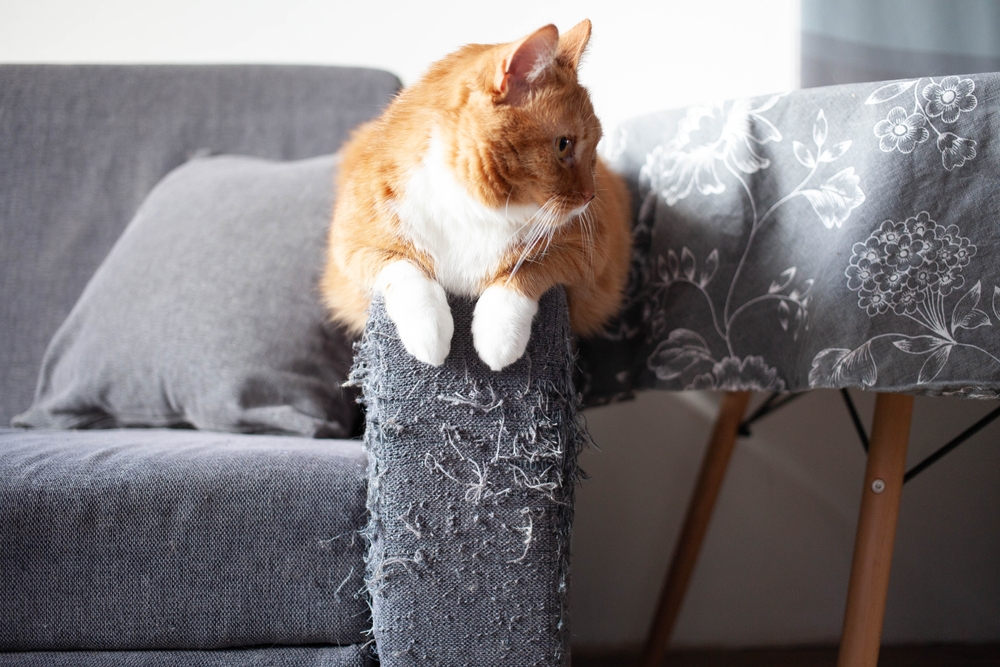
Instead of punishment, use redirection to stop behaviors like scratching furniture or jumping on counters. Provide alternatives like scratching posts or designated play areas. Consistency is crucial; don’t allow the behavior sometimes and forbid it other times.
Using deterrents such as double-sided tape or citrus scents can help keep your cat away from off-limit spots. Remember, patience is key—your cat learns through repeated experience. How do you balance setting boundaries while keeping your cat comfortable?
Litter Box Training Tips
Place the litter box in a quiet, accessible location. Keep it clean by scooping daily and changing the litter regularly. Cats dislike dirty or smelly boxes and may avoid using them if neglected.
If your cat has accidents, gently place them in the litter box after meals or naps to encourage proper use. Experiment with different types of litter to find what your cat prefers. Have you considered how the box size and style affect your cat’s comfort?
When To Seek Professional Help
Understanding when to seek professional help for your cat’s behavior is vital. Some issues might seem small but can grow into serious problems. Early intervention improves your cat’s wellbeing and your peace of mind. Recognizing the signs and knowing the right expert to contact is key.
Signs Of Behavioral Problems
Notice changes in your cat’s routine or mood. Signs include:
- Aggression toward people or pets
- Sudden urination or defecation outside the litter box
- Excessive scratching or biting themselves
- Hiding for long periods
- Loss of appetite or overeating
- Vocalizing loudly or often without reason
These behaviors could signal stress, illness, or anxiety. Acting early helps prevent worsening issues.
Choosing A Cat Behaviorist
Look for a certified professional with experience in feline behavior. A good behaviorist observes your cat closely and suggests practical solutions. Ask about their training and success stories. Find someone who communicates clearly and respects your cat’s needs. Personal comfort with the expert matters as much as their credentials.
Veterinary Support For Behavior Issues
Some behavior problems stem from health concerns. A vet can rule out medical causes like pain or neurological problems. They may suggest tests or treatments to improve your cat’s condition. Collaboration between a vet and behaviorist offers the best care. Regular health checks can also prevent behavior problems from developing.
Credit: justcatsclinic.com
Frequently Asked Questions
Why Is My Cat Suddenly Aggressive?
Sudden aggression in cats can stem from stress, fear, or pain. Identifying triggers helps manage behavior. Consult a vet if aggression persists.
How Can I Stop My Cat From Scratching Furniture?
Provide scratching posts and use deterrents like double-sided tape. Regular nail trims and positive reinforcement encourage better habits.
What Does It Mean When My Cat Kneads Me?
Kneading is a comforting behavior from kittenhood. It shows contentment and affection, signaling your cat feels safe and relaxed.
Why Does My Cat Hide Frequently?
Cats hide to feel secure, especially when stressed or unwell. Frequent hiding may indicate anxiety or illness, requiring attention or vet advice.
Conclusion
Understanding your cat’s behavior helps build a stronger bond. Pay attention to their body language and sounds. Simple changes in your home can reduce stress for your cat. Patience and love make a big difference every day. Small steps lead to happier cats and owners alike.
Keep learning and enjoy your time together. Your cat will thank you with trust and affection.
