

Are you curious about the unique and fascinating world of Bengal cats? If you’re considering bringing one of these stunning felines into your home or already have one lounging on your couch, understanding Bengal cat behavior is key.
These cats are more than just their striking leopard-like spots; they boast a personality that’s equally captivating. Imagine a pet that combines the grace of a wild animal with the affection of a loving companion. Sounds intriguing, right? We’ll dive into what makes Bengal cats tick, unraveling the mysteries of their behavior.
Whether it’s their playful antics or their surprising intelligence, you’ll discover what makes Bengals different from other cats and why they might just be the perfect addition to your family. Ready to unlock the secrets of your Bengal’s behavior? Keep reading to find out more!
Bengal Cat Origins
The origins of the Bengal cat reveal a fascinating blend of wild beauty and domestic charm. Understanding where this breed comes from helps you appreciate its unique personality and behavior. Let’s dive into the story behind the Bengal cat’s beginnings.
Wild Ancestry
Bengal cats trace their roots back to the Asian leopard cat, a small wild feline known for its striking spotted coat. These wild ancestors live mainly in dense forests and have a strong hunting instinct. This wild lineage gives Bengals their energetic nature and love for play.
What surprises many is how much of that wild spirit remains in Bengal cats today. Their agility and curiosity often remind owners of their jungle relatives. Have you noticed your Bengal’s sudden bursts of energy or stalking behavior? That’s their wild ancestry showing.
Domestication Journey
The domestication of the Bengal cat began in the 1960s when breeders crossed the Asian leopard cat with domestic cats. The goal was to create a cat with a wild look but a gentle temperament. This careful breeding process took decades to stabilize the breed’s personality and health.
Early Bengal cats were a bit unpredictable due to their wild genes. Over time, breeders selected traits like friendliness and adaptability. Today’s Bengals are affectionate and social but still carry that exotic appearance you love.
Have you ever wondered how a cat with such a wild look can be so loving? The Bengal’s journey from wild forests to your living room shows how nature and nurture combine to shape behavior.

Credit: www.outdoorbengal.com
Physical Traits Influencing Behavior
Bengal cats have unique physical traits that shape their behavior. These traits affect how they move, play, and interact. Understanding these features helps explain their lively and curious nature.
Strong bodies and striking looks make Bengals stand out. Their physical build supports energetic and agile actions. These cats often show a mix of wild instincts and domestic charm.
Muscular Build
Bengals have a strong, muscular body. This build gives them great strength and agility. They can jump high and run fast with ease.
This power helps Bengals stay active and playful. They enjoy climbing and exploring their environment. Their muscles support quick reactions and sharp movements.
Because of their strength, Bengals need regular exercise. Without enough activity, they may become bored or restless. Their muscular build drives their energetic behavior.
Distinctive Coat Patterns
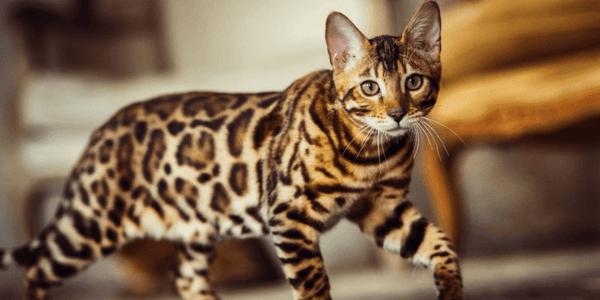
Bengals have beautiful coats with bold patterns. Spots and rosettes cover their fur, making each cat unique. These patterns come from their wild ancestors.
Their coat patterns can influence their behavior. Bengals may feel more confident and alert. Their looks also attract attention, which they often enjoy.
This striking appearance can lead to playful interactions with people. Bengals often use their coat as part of their lively personality. Their distinctive fur adds to their charm and energy.
Playful Instincts
Bengal cats have strong playful instincts that shape their behavior daily. Their energy and curiosity make playtime essential. Play helps them stay healthy and happy. It also satisfies their natural urge to hunt and explore.
Hunting Games
Bengals love to chase, pounce, and capture. Hunting games mimic wild behaviors. Use toys like feather wands or small balls. These toys move quickly to catch their attention. Bengals enjoy stalking and jumping during play. This activity keeps their mind sharp and body active.
Interactive Toys
Interactive toys challenge Bengal cats mentally and physically. Puzzle feeders and treat dispensers work well. These toys encourage problem-solving and reward effort. Motion-activated toys also spark their interest. Bengals appreciate toys that move unpredictably. Interactive play strengthens the bond between cat and owner.
Energy Levels
Bengal cats have very high energy levels. They need daily exercise to release this energy. Without enough play, they may get bored or restless. Play sessions should be frequent but short. Providing climbing structures helps use their energy. A tired Bengal cat is a calm Bengal cat.
Credit: wopet.com
Social Characteristics
Bengal cats are known for their striking appearance, but their social characteristics make them truly unique companions. Understanding how they bond and interact can help you create a harmonious environment for your feline friend. Their social nature is a mix of affection, playfulness, and curiosity.
Bonding With Owners
Bengals are not your typical aloof cats. They seek interaction and often form strong attachments to their owners. You might notice your Bengal following you from room to room or waiting by the door when you come home.
They enjoy being part of your daily routine and can even learn tricks or respond to their name. Spending time playing with toys or simply talking to your Bengal can deepen your bond. Have you tried using interactive toys to engage your cat’s mind and build trust?
However, Bengals appreciate respect for their independence. Giving them space when they want it shows you understand their needs, which strengthens your relationship.
Interaction With Other Pets
Bengals generally get along well with other pets, especially if introduced properly. They have a high energy level and playful nature, which can encourage positive interactions with dogs or other cats.
Introducing your Bengal slowly to new pets helps prevent stress. Allow them to sniff and observe each other through barriers before face-to-face meetings. This gradual process reduces tension and builds familiarity.
Keep an eye on their body language—tail flicking or hissing signals discomfort. Encouraging shared playtime can foster friendships between your Bengal and other animals in your home.
Communication Styles
Bengal cats communicate in ways that often surprise their owners. Their unique mix of wild ancestry and domestic traits means they use a variety of sounds and body cues to express themselves. Understanding these communication styles can help you build a stronger bond with your Bengal and respond to their needs more effectively.
Vocalizations
Bengals are known for their wide range of vocal sounds. They don’t just meow; they chirp, trill, and even make short yowling noises. These vocalizations often express excitement, curiosity, or a desire for attention.
For example, you might hear a soft chirp when your Bengal spots a bird outside. This sound is their way of sharing the thrill of the hunt with you. Have you noticed your cat’s voice change when they want to play versus when they want food? Listening closely can reveal their mood and intentions.
Some Bengals are more talkative than others, so pay attention to your cat’s unique voice patterns. Responding to their calls with your own gentle sounds can encourage positive interaction and deepen your connection.
Body Language
Bengal cats use body language to communicate just as much as their vocal sounds. Their tail position, ear movement, and even the way they blink can tell you a lot about how they feel.
- Tail:A high, straight-up tail usually means your Bengal is happy and confident.
- Ears:Ears facing forward show interest, while flattened ears can signal fear or irritation.
- Eyes:Slow blinking is a sign of trust and affection.
Once, my Bengal gave me a slow blink after a long day, and I instantly knew she felt safe and loved. Have you tried slow blinking back at your cat? It’s a simple but powerful way to communicate calm and friendship.
Watching these subtle signals can help you avoid misunderstandings and respond with kindness. What new signals might you discover if you spend more time observing your Bengal’s body language?
Environmental Needs
Bengal cats are energetic and curious creatures that thrive in environments tailored to their unique needs. Their behavior reflects a wild ancestry, demanding more than just a cozy spot on the couch. Meeting their environmental needs helps prevent boredom and keeps them mentally and physically sharp.
Space To Explore
Bengals need plenty of room to roam and satisfy their natural curiosity. A cramped area can lead to frustration and restless behavior. Giving your Bengal access to different rooms or a safe outdoor enclosure lets them discover new scents and sights.
Think about how you can create varied spaces within your home. Adding tunnels, boxes, or even rotating toys keeps the environment fresh and exciting. Have you noticed how your Bengal reacts when you rearrange their play area? It often sparks new interest and activity.
Climbing Opportunities
Climbing is a key activity for Bengals, reflecting their wild instincts to survey their territory from above. Without vertical space, they may become bored or even destructive. Installing cat trees, shelves, or window perches provides essential climbing and resting spots.
My Bengal once surprised me by leaping to a high shelf I hadn’t thought to reinforce. This showed me how much they crave vertical challenges. Consider sturdy options that can hold their weight and offer multiple levels for jumping and lounging.
Training Tips
Training a Bengal cat requires patience and consistency. Their intelligence and energy make them quick learners. Clear guidance helps shape their behavior positively. Training strengthens your bond and keeps your Bengal happy.
Positive Reinforcement
Reward good behavior with treats or praise. Bengals respond well to positive feedback. Use small, tasty treats as motivation. Always reward immediately after the desired action. This helps them connect the action and reward. Avoid punishment; it can harm trust and cause fear.
Managing Wild Behaviors
Bengal cats have a strong hunting instinct. They may scratch furniture or jump on counters. Provide plenty of toys to redirect their energy. Use scratching posts and climbing trees to satisfy instincts. Set clear boundaries and be consistent. Ignore unwanted behavior to reduce attention seeking. Regular play sessions help reduce excess energy.
Credit: pethelpful.com
Common Behavioral Challenges
Bengal cats are lively and intelligent pets. They bring joy but also unique challenges. Understanding these behaviors helps owners provide a happy home. Here are common behavioral challenges Bengal cats may show.
Excessive Energy
Bengals have high energy levels. They need lots of play and exercise daily. Without enough activity, they may become restless or destructive.
Signs of excess energy include:
- Running and jumping around often
- Scratching furniture
- Chasing objects or shadows
- Vocalizing loudly
Providing interactive toys and climbing areas can help manage this energy.
Territorial Tendencies
Bengals can be territorial with other pets and people. They may guard their space or belongings. This behavior can lead to aggression or anxiety.
Common territorial actions include:
- Marking areas with scent
- Hissing or growling at intruders
- Blocking access to favorite spots
- Staring or stalking perceived threats
Gradual socialization and clear boundaries ease territorial behavior.
Frequently Asked Questions
What Is Typical Bengal Cat Behaviour Like?
Bengal cats are energetic, curious, and playful. They enjoy interactive play and mental stimulation. Bengals are intelligent and often bond closely with their owners. They can be vocal and love exploring their surroundings.
Are Bengal Cats Good With Children And Pets?
Yes, Bengals usually get along well with children and other pets. Their social and playful nature makes them great companions. Early socialization helps them adapt better to family environments, ensuring harmonious interactions.
How Do Bengal Cats Express Affection?
Bengal cats show affection through purring, head-butting, and following their owners. They may also knead or sit on laps. These behaviors reflect their strong bond and desire for attention and companionship.
Do Bengal Cats Require Special Care Or Attention?
Bengals need regular playtime to burn energy and stay healthy. They benefit from mental enrichment like puzzle toys. Their short coat requires minimal grooming, but they thrive with consistent interaction and stimulation.
Conclusion
Bengal cats are lively and curious pets. They enjoy play and need attention. Their behavior shows intelligence and a strong bond with owners. Understanding their needs helps build trust and happiness. These cats thrive with love and proper care. Their playful nature brings joy to any home.
Knowing their traits makes living with Bengals easier. They offer a unique and fun pet experience. Choose patience and kindness for a happy Bengal cat.
