

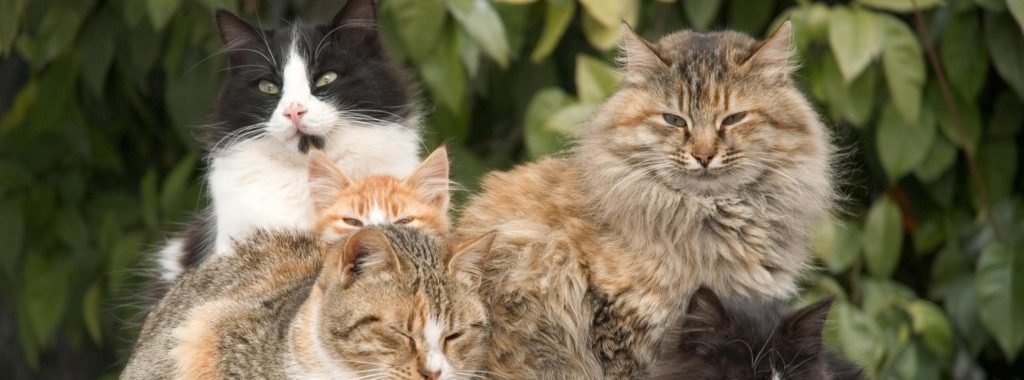
Imagine the delight of having a feline friend that’s not just a cat, but a gentle giant, bringing a unique charm and presence into your home. If you’re intrigued by the idea of sharing your space with a larger-than-life kitty companion, you’re in the right place.
Exploring the largest domestic cat breeds offers not just a peek into these magnificent creatures, but also insights into their playful personalities and loving nature. Are you ready to discover which of these majestic breeds might just be the perfect fit for your family?
Let’s dive into the world of these extraordinary cats, whose size is only matched by their heartwarming companionship.
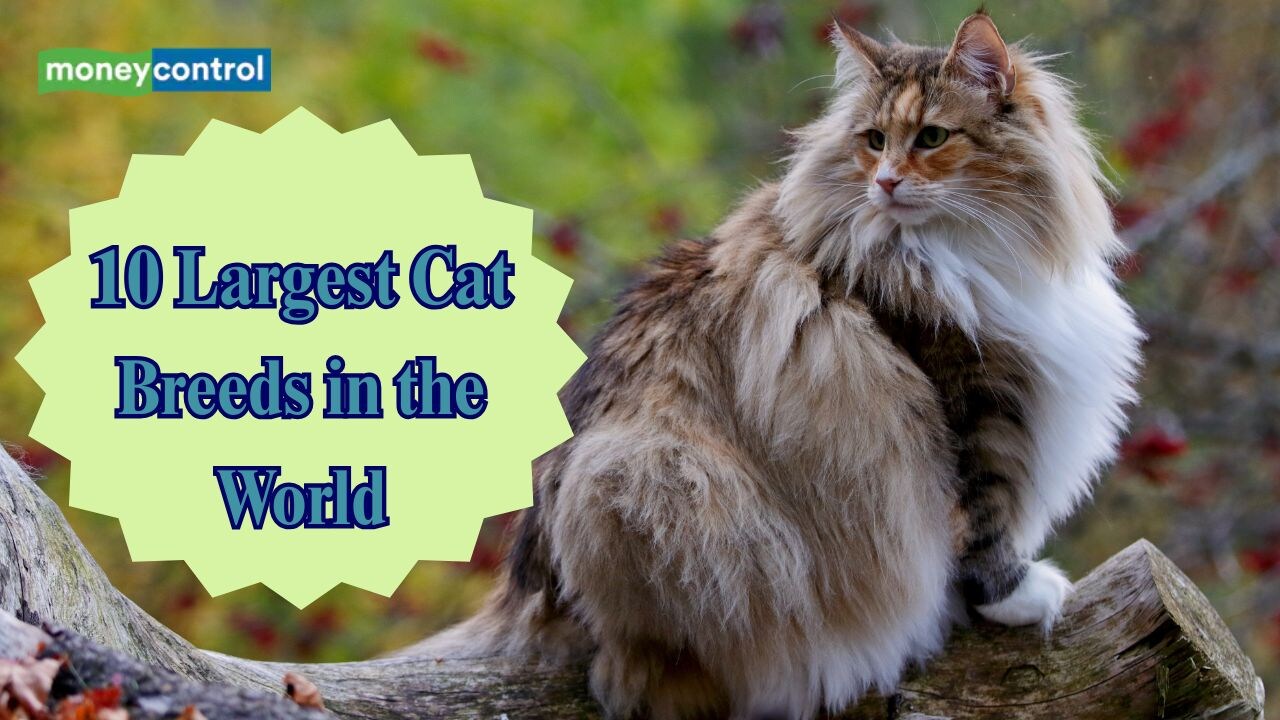
Credit: www.moneycontrol.com
Biggest Cat Breeds
Biggest cat breeds are fascinating for those who love domestic cats with a grand presence. These cats not only steal attention with their size but also bring unique personalities to your home. If you’ve ever wondered which cats could be considered gentle giants, you’re about to discover some impressive breeds.
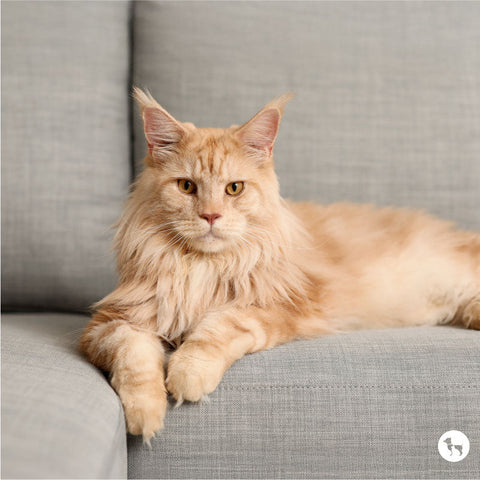
The Maine Coon is often called the largest domesticated cat breed. Males can weigh up to 18 pounds or more, with some even reaching 25 pounds.
This breed has a thick, water-resistant coat and tufted ears, making them look even bigger. Their friendly and playful nature makes them great companions, despite their size.
Siberian Cat
Siberians are muscular and dense, built to survive cold climates. They typically weigh between 15 to 20 pounds.
You might notice their luxurious triple coat and expressive eyes. Despite their large size, Siberians are agile and love to jump and climb, challenging the idea that bigger cats are less active.
These cats have strong bodies and thick fur to protect them from harsh weather. Males can weigh up to 16 pounds or more.
They have a calm but adventurous spirit, which could surprise you if you think big cats are lazy. Their large paws act like snowshoes, helping them move easily in snow.
Ragdolls are known for their striking blue eyes and large size, often weighing between 15 and 20 pounds.
They are called “Ragdolls” because they go limp when you pick them up, showing their relaxed personality. Their size combined with their gentle nature makes them perfect lap cats for those who want a big but calm companion.
How Big Is Too Big For Your Home?
When choosing a big cat breed, consider your living space. Bigger cats need room to stretch and play, so a cramped apartment might not suit them well.
Do you have enough time to provide these breeds with the attention and activity they need? Bigger cats can be more demanding in terms of exercise and grooming.
Maine Coon
The Maine Coon stands out as one of the largest domestic cat breeds, admired not only for its impressive size but also for its friendly nature. This breed has a rugged yet charming appearance that often catches the eye of cat enthusiasts. If you’ve ever met a Maine Coon, you know their presence feels more like a gentle giant than a typical house cat.
Physical Traits
Maine Coons can weigh anywhere from 10 to 25 pounds, with males generally larger than females. Their long, thick fur helps them thrive in colder climates, giving them a majestic mane around the neck and tufted ears that look like little lynx tips.
One unique feature is their bushy tail, which they often wrap around themselves like a cozy blanket. Their large paws and muscular build make them excellent climbers and hunters, even though they often act more like playful companions.
Temperament
These cats are known for their gentle and affectionate nature. They often follow their owners around the house, eager to be involved without being demanding.
Unlike many cats, Maine Coons are typically very social and get along well with children and other pets. Have you noticed how some cats seem to understand your mood? Maine Coons often do, offering comfort when you need it most.
Care Needs
Despite their thick fur, Maine Coons don’t require excessive grooming, but regular brushing a few times a week helps prevent mats and hairballs. Their friendly temperament means they enjoy interactive play, so providing toys or climbing structures keeps them active and happy.
Pay attention to their diet—due to their size, they may need more food than smaller cats, but be careful to avoid overfeeding. Regular vet check-ups help catch any health issues early, especially since Maine Coons can be prone to certain genetic conditions like hypertrophic cardiomyopathy.
Savannah Cat
The Savannah Cat stands out as one of the largest domestic cat breeds. This breed blends wild and domestic traits, offering a unique look and personality. Known for its striking appearance and lively nature, the Savannah captivates many cat lovers. Its size and wild ancestry make it a fascinating pet choice.
Origin And Genetics
The Savannah Cat is a hybrid breed. It results from crossing a domestic cat with the African serval, a wild cat species. This mix began in the 1980s. Breeders aimed to create a cat with serval features but a friendly temperament. The serval genes give the Savannah its tall, lean body and spotted coat.
Breeding Savannah Cats requires careful planning. The first generations have more wild traits. Later generations are more like domestic cats in behavior. This balance makes the Savannah a special breed.
Size And Appearance
Savannah Cats are large compared to most house cats. They can weigh between 12 and 25 pounds. Some males grow even bigger. Their bodies are long and muscular, with long legs and big ears.
- Spotted coat resembling a wild cat
- Large, almond-shaped eyes
- Long neck and tail with black rings
- Height can reach up to 17 inches at the shoulder
Their striking look often draws attention. It combines the elegance of wild cats with the softness of a pet cat.
Personality
Savannah Cats are active and playful. They enjoy climbing, running, and exploring. Their intelligence is high, making them quick learners. They bond closely with their owners and enjoy interaction.
This breed can be shy around strangers. Early socialization helps them feel more confident. Savannahs often prefer high places to rest. They love water and may even play in it.
Overall, Savannah Cats offer a lively and affectionate companion. Their unique mix of wild and tame traits creates a special pet experience.

Credit: www.yahoo.com
Ragdoll
The Ragdoll is one of the largest domestic cat breeds. It is famous for its striking blue eyes and soft, silky coat. This breed has a calm and gentle nature, making it a favorite among cat lovers. Ragdolls are known for their tendency to go limp when held, which is how they got their name.
Distinctive Features
- Large size, males can weigh up to 20 pounds
- Bright blue almond-shaped eyes
- Soft, semi-long fur that feels like silk
- Color patterns include pointed, mitted, and bicolor
- Strong, muscular body with a broad chest
Behavior
Ragdolls are very friendly and affectionate. They enjoy being around people and often follow their owners. This breed is calm and rarely aggressive. They tend to be good with children and other pets. Ragdolls like to play but are not overly active. They often relax in their owner’s lap and enjoy gentle petting.
Grooming Tips
- Brush their coat 2-3 times a week to prevent mats
- Use a wide-toothed comb for tangles
- Check and clean ears regularly to avoid infections
- Trim nails every 2-3 weeks
- Bathing is rarely needed unless very dirty
Norwegian Forest Cat
The Norwegian Forest Cat stands out among domestic breeds due to its impressive size and striking appearance. This breed has evolved to thrive in cold climates, giving it a unique look and personality that many cat lovers find irresistible. If you’re considering adding a Norwegian Forest Cat to your home, understanding its characteristics will help you provide the best care.
Coat And Build
The Norwegian Forest Cat has a thick, water-resistant double coat that keeps it warm in harsh weather. Its fur is long and dense, with a fluffy undercoat and glossy top layer that requires regular brushing to prevent mats.
This breed features a sturdy, muscular build with strong legs and a bushy tail. Its large size makes it one of the biggest domestic cats, often weighing between 12 to 16 pounds or more.
Activity Levels
Norwegian Forest Cats are active and playful, enjoying climbing and exploring high places. Their natural agility means they’ll often seek out vertical spaces like shelves or cat trees.
Despite their activity, they also appreciate quiet moments and will happily curl up beside you after a good play session. Would your home have enough space and vertical climbing options for this energetic breed?
Health Considerations
Generally, Norwegian Forest Cats are healthy, but they can be prone to certain hereditary conditions like hypertrophic cardiomyopathy (HCM) and hip dysplasia.
Regular veterinary check-ups and maintaining a healthy weight are essential to keep your cat thriving. Monitoring their diet and encouraging exercise will help prevent obesity, which can worsen joint problems.
Credit: headsupfortails.com
Chausie
The Chausie is one of the largest domestic cat breeds, known for its wild look and friendly nature. This breed combines the beauty of wild cats with the charm of a house pet. Its unique traits make it a favorite among cat lovers who want a big, active companion.
Wild Ancestry
The Chausie descends from the jungle cat native to Asia and the Middle East. Breeders crossed wild jungle cats with domestic cats to create this breed. This ancestry gives the Chausie a wild, exotic appearance and strong hunting skills.
Despite its wild roots, the Chausie is fully domesticated. It retains some natural instincts but adapts well to home life.
Physical Characteristics
Chausies are tall and muscular with long legs. They often weigh between 15 to 25 pounds, making them one of the largest domestic breeds. Their coats are short, dense, and usually marked with spots or stripes.
- Large, almond-shaped eyes
- Long, pointed ears with black tips
- Strong, athletic build
- Long tail with a black tip
These features give the Chausie an elegant but wild look.
Suitability As Pets
Chausies are energetic and intelligent pets. They love to play and explore, needing plenty of exercise. Their social nature means they enjoy being around people and other pets.
They require mental stimulation and interactive toys to stay happy. Chausies are loyal but may need patience during training. They suit active families or owners who can spend time engaging with them daily.
Feeding Giant Cats
Feeding giant domestic cats requires more attention than feeding average-sized cats. These majestic felines have unique nutritional needs that support their larger frames and active lifestyles. Understanding how to fuel your big cat properly will help keep them healthy and energetic.
Dietary Requirements
Large domestic cats need a diet rich in high-quality protein to maintain their muscle mass. Protein sources like chicken, turkey, and fish are essential for their growth and repair. Additionally, they require healthy fats for energy and a shiny coat.
Don’t forget about vitamins and minerals—calcium and phosphorus support strong bones, which is crucial for heavy cats. Fiber helps with digestion and prevents obesity, a common risk in larger breeds.
Portion Sizes
It’s easy to overfeed a giant cat because their size can mislead you. However, their portion sizes should be carefully measured based on their weight and activity level. Feeding too much can lead to obesity, which strains their joints and overall health.
Try dividing their daily food allowance into multiple small meals instead of one large meal. This approach aids digestion and keeps their metabolism steady throughout the day.
Recommended Foods
Choose foods specifically formulated for large or active cats, which provide balanced nutrition and extra calories. Wet food is great for hydration, while dry kibble supports dental health.
- High-protein wet food with real meat as the first ingredient
- Grain-free dry kibble to reduce allergens and fillers
- Occasional treats like cooked eggs or small pieces of lean meat
- Supplements like omega-3 fatty acids for joint health
Have you noticed how your giant cat responds to different foods? Watching their energy and coat condition can guide you to the best diet choices.
Living With Large Cats
Living with large domestic cats brings unique joys and challenges. These cats often have big personalities and needs. Understanding their lifestyle helps create a happy home for both owner and pet.
Space Needs
Large cats require more room to move comfortably. They enjoy climbing, stretching, and exploring. Provide tall cat trees or shelves. Avoid cramped spaces that limit their movement. A roomy environment keeps them healthy and reduces stress.
Exercise And Play
Active play is essential for large cats. They need daily exercise to stay fit. Use toys that mimic prey, such as feather wands or laser pointers. Schedule short, frequent play sessions. This helps prevent boredom and destructive behavior.
Managing Behavior
Large cats can be strong and sometimes stubborn. Set clear rules early on. Use gentle training and positive reinforcement. Provide scratching posts to protect furniture. Monitor their moods and respect their space. Patience and consistency build trust and good habits.
Frequently Asked Questions
What Are The Largest Domestic Cat Breeds?
The largest domestic cat breeds include the Maine Coon, Savannah, and Ragdoll. These cats often weigh between 15 to 30 pounds and have muscular bodies. Their size makes them unique compared to typical domestic cats.
How Big Can Maine Coon Cats Get?
Maine Coons can reach up to 18 pounds or more. Males are usually larger than females. They also have long bodies and bushy tails, adding to their impressive size.
Are Savannah Cats Bigger Than Regular Cats?
Yes, Savannah cats are significantly bigger than regular cats. They can weigh between 12 to 25 pounds and have long legs. Their size is due to their hybrid ancestry with wild African servals.
Which Domestic Cat Breed Is The Heaviest?
The heaviest domestic cat breed is the Maine Coon. Some males can weigh over 25 pounds. Their large size combines with a friendly personality, making them popular pets.
Conclusion
Large domestic cat breeds offer unique charm and gentle companionship. These cats bring joy with their size and friendly nature. They need space and care to stay happy and healthy. Choosing the right breed depends on your home and lifestyle.
Each big cat has its own personality and needs. Enjoy the company of these impressive, loving pets every day. They make wonderful friends for families and cat lovers alike. Consider their traits carefully before welcoming one into your home.
