

Are you curious about the types of furry friends you often see gracing social media feeds and cozying up in homes worldwide? If you’ve ever wondered which cat breeds are the most popular, you’re in the right place.
By understanding the most common cat breeds, you can learn what makes each one unique and why they might be the perfect addition to your family. Whether you’re a cat lover, considering adopting a new feline friend, or just love learning about animals, this guide will unravel the charming traits and endearing quirks of the top cat breeds.
Keep reading, and you might just find your next feline soulmate or gain a new appreciation for the delightful diversity of cats!

Credit: www.rd.com
Popular Cat Breeds
Cats have many breeds with unique looks and personalities. Some breeds are more common and loved by many cat owners. Knowing popular cat breeds helps you understand different traits and care needs. These breeds often appear in homes around the world. They show a wide range of colors, sizes, and temperaments.
Siamese
The Siamese cat is famous for its striking blue eyes and sleek body. It has a short coat and pointed color pattern. Siamese cats are very vocal and social. They enjoy attention and love to play. These cats often form strong bonds with their owners.
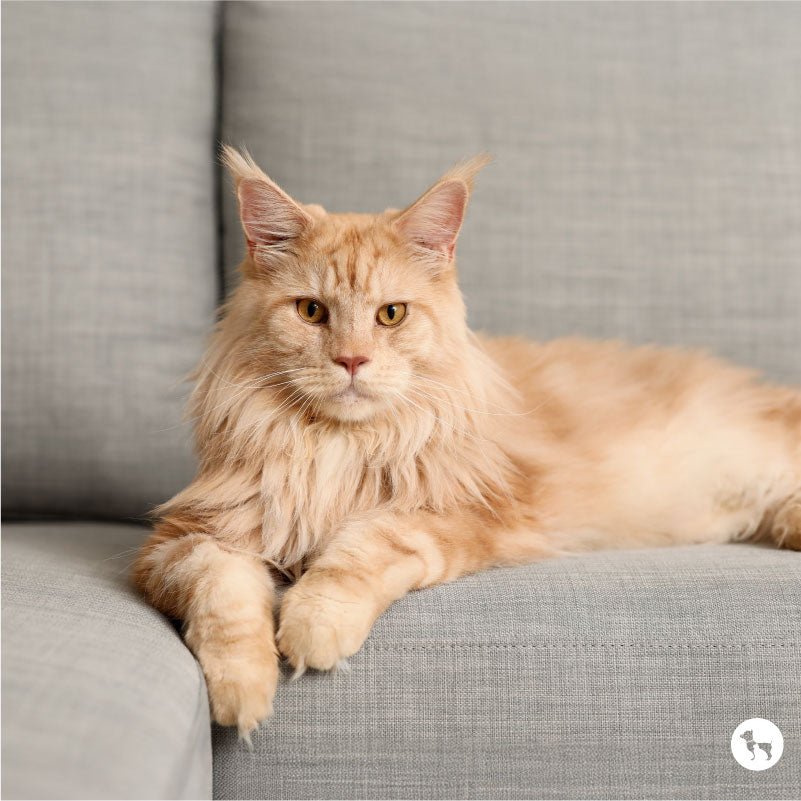
Maine Coons are large cats with long, thick fur. They have tufted ears and bushy tails. Known for their gentle nature, Maine Coons are friendly and good with families. They adapt well to different environments and enjoy interactive play.
Persian
Persian cats have long, luxurious coats and flat faces. They are calm and prefer quiet environments. Persians enjoy lounging and gentle petting. Their grooming needs are higher due to their thick fur. They are perfect for owners who like a relaxed companion.
Ragdoll
Ragdolls are large, soft cats with blue eyes. They get their name from their tendency to go limp when held. These cats are affectionate and calm. They enjoy being around people and are good with children. Ragdolls need regular grooming to keep their fur smooth.
British Shorthair
British Shorthairs have round faces and dense coats. They are sturdy and calm cats. Known for their easygoing nature, they adapt well to indoor life. These cats prefer quiet play and close companionship. Their coats come in many colors.
Siamese Cats
Siamese cats are one of the most recognizable and beloved cat breeds worldwide. Their striking blue eyes and sleek bodies make them stand out in any room. Beyond their looks, Siamese cats bring a unique personality that often surprises new cat owners.
Appearance And Traits
Siamese cats have a slender, muscular build with short, fine fur. Their coat colors usually include seal, chocolate, blue, and lilac points—meaning their ears, face, paws, and tail are darker than the rest of their body.
One of the most notable features is their almond-shaped, vivid blue eyes. Their large ears and wedge-shaped heads add to their elegant and exotic appearance. If you’re looking for a cat that turns heads, the Siamese fits perfectly.
Temperament
Siamese cats are known for being extremely vocal and social. They love to communicate with their owners through a distinct, loud meow. If you enjoy having a chatty companion, a Siamese might be the perfect fit.
They crave attention and enjoy being involved in daily activities. You might find them following you around the house or sitting on your keyboard while you work. Their affectionate nature means they often form strong bonds with one person or the whole family.
Care Tips
- Grooming:Their short coat requires minimal grooming; a weekly brush keeps shedding under control.
- Exercise:Provide plenty of toys and interactive playtime to satisfy their high energy and curiosity.
- Mental Stimulation:Puzzle feeders and training sessions help keep their intelligent minds sharp.
- Social Needs:Consider having another pet or spending extra quality time to prevent loneliness.
Have you noticed how your cat’s personality changes when you engage them more? Siamese cats thrive on interaction, so make sure you can meet their social needs before bringing one home.
Maine Coon
The Maine Coon stands out as one of the most beloved and easily recognizable cat breeds. Known for their impressive size and friendly nature, these cats have captured the hearts of many pet owners. If you’re thinking about adding a Maine Coon to your family, understanding their unique traits will help you prepare for a wonderful companionship.
Physical Features
Maine Coons are among the largest domestic cats, often weighing between 10 to 25 pounds. Their bodies are muscular and sturdy, with long, bushy tails and tufted ears that give them a wild, majestic look. Their thick, water-resistant fur comes in many colors and patterns, making each Maine Coon unique.
Have you noticed how their large paws act like natural snowshoes? This feature was perfect for surviving harsh winters in their native New England.
Personality
Maine Coons are famously gentle and social. They enjoy being around people but aren’t overly clingy, striking a great balance for families and singles alike. Many owners describe their Maine Coons as “dog-like” because they often follow their humans around and love interactive play.
Imagine a cat that greets you at the door or plays fetch—doesn’t that sound like a perfect companion?
Grooming Needs
Despite their thick fur, Maine Coons don’t mat as easily as you might think. However, they do require regular brushing—at least twice a week—to prevent tangles and reduce shedding. Paying attention to their grooming also gives you a chance to check for any skin issues or parasites.
Have you set a grooming routine for your cat before? Starting with Maine Coons, you’ll see how consistency makes grooming a bonding experience rather than a chore.

Credit: headsupfortails.com
Persian Cats
Persian cats are one of the most beloved and recognizable breeds worldwide. Known for their luxurious coats and calm demeanor, they have charmed cat lovers for centuries. If you’re considering a Persian for your home, it’s important to understand what makes them unique beyond their beauty.
Distinctive Look
Persians have a very distinct appearance that sets them apart. Their most notable feature is their long, thick fur that requires daily grooming to keep it tangle-free. They also have a flat, round face with large, expressive eyes that often captivate anyone who meets them.
Many people find their plush tails and rounded ears adorable. But be prepared—this breed’s coat demands regular care, so ask yourself if you’re ready for the commitment.
Behavior
Persian cats tend to be gentle and affectionate companions. They enjoy quiet environments and often prefer lounging in cozy spots over active play. If you want a cat that will happily curl up beside you during a lazy afternoon, Persians fit the bill.
However, they can be shy around strangers and may take time to warm up to new people. Are you patient enough to build a trusting relationship with a more reserved feline friend?
Health Considerations
Owning a Persian cat means staying alert to certain health issues. Their flat faces can cause breathing difficulties and tear duct problems, leading to frequent eye cleaning. Regular vet check-ups are crucial to catch any issues early.
They’re also prone to kidney disease and skin conditions due to their thick fur. By being proactive with grooming and healthcare, you can help your Persian live a happy, comfortable life.
Ragdoll Cats
Ragdoll cats are a favorite among many cat lovers due to their striking looks and gentle nature. These cats are known for their large size, silky fur, and captivating blue eyes. If you’re curious about what makes Ragdolls stand out, read on to discover their unique traits, social habits, and care needs.
Characteristics
Ragdolls have a distinct appearance that sets them apart. Their fur is medium to long and feels soft like a plush toy. They usually have a color-point pattern, which means their ears, face, paws, and tail are darker than the rest of their body.
One of their most notable traits is their size; they are among the largest domestic cat breeds. Males can weigh up to 20 pounds, and females tend to be slightly smaller. Their eyes are always a bright, clear blue, making them quite striking.
Social Behavior
Ragdolls are often described as “dog-like” because they enjoy following you around the house. They crave attention and love being involved in family activities. If you want a cat that will greet you at the door or sit on your lap during a movie, a Ragdoll might be the perfect fit.
These cats are gentle and rarely aggressive, making them great companions for children and other pets. However, they don’t like being left alone for long periods. Have you considered how much time you can spend with your cat daily? Ragdolls thrive on interaction.
Maintenance
Despite their long fur, Ragdolls don’t mat as easily as other long-haired breeds. Regular brushing, about two to three times a week, is usually enough to keep their coat healthy and free of tangles. This also helps reduce shedding around your home.
Ragdolls are generally healthy but do require routine vet visits to check for common issues like heart disease. Their laid-back nature means they don’t need a lot of exercise, but interactive playtime will keep them fit and mentally sharp.
Do you have a grooming routine in place? Adding a few minutes of brushing to your schedule can strengthen your bond with your Ragdoll and keep their coat beautiful.
Bengal Cats
Bengal cats are a striking breed known for their exotic looks and lively personality. They catch your eye with their distinctive spotted or marbled coats, resembling wild jungle cats. But beyond their beauty, Bengals bring a unique energy that can brighten your home.
Wild Appearance
The Bengal’s coat looks like it belongs to a leopard, with rosettes, spots, and swirls that create a wild, untamed look. Their fur is short, dense, and often has a glittery sheen that shines in the light. This wild appearance comes from their ancestry, as Bengals were originally bred by crossing domestic cats with Asian leopard cats.
Activity Level
If you want a calm lap cat, Bengals might surprise you. They are highly active and love to climb, jump, and explore every corner of your home. Bengals need plenty of playtime and mental stimulation to stay happy—think interactive toys, puzzle feeders, and even water play.
Care Requirements
Caring for a Bengal means more than just feeding and grooming. Their high energy demands regular exercise and play sessions to prevent boredom and mischief. While their short coat is easy to maintain with weekly brushing, Bengals also thrive on social interaction, so be ready to spend quality time with your pet.
Sphynx Cats
Sphynx cats stand out in the feline world with their striking hairless appearance. This unique breed often surprises people who expect a typical fluffy cat. But beyond their looks, Sphynx cats offer a fascinating blend of personality and care needs that can enrich your home in unexpected ways.
Unique Features
The most obvious feature of Sphynx cats is their lack of fur, which actually makes their skin feel warm and soft to the touch. Their wrinkled skin and large ears add to their distinct look, making them memorable to anyone who meets them.
Despite being hairless, they can come in many skin colors and patterns, similar to furred cats. Their eyes are typically large and lemon-shaped, giving them an expressive face that communicates a lot without words.
Personality Traits
Sphynx cats are known for being incredibly friendly and social. They often seek out human attention and enjoy being the center of your world, which makes them great companions if you want a pet who genuinely craves your company.
They are playful and intelligent, often engaging in games and even learning simple tricks. Have you noticed how some cats almost seem to have a sixth sense about your mood? Sphynx cats are especially good at sensing your feelings and responding with affection.
Special Care
Without fur, Sphynx cats require regular skin care. They need baths about once a week to remove oils that would normally be absorbed by fur. Skipping this can lead to skin problems, so it’s important to make bathing part of your routine.
Because they lack insulation, they get cold easily. Providing warm blankets or a heated bed is essential, especially in cooler climates. Also, their skin is sensitive to sunburn, so avoid prolonged sun exposure.
Do you have a spare hour each week? That time could transform your Sphynx cat’s health and happiness through simple grooming and care.
Other Popular Breeds
Beyond the well-known cat breeds, there are several others that capture the hearts of cat lovers worldwide. These breeds bring unique looks and personalities that might surprise you. Getting to know them can help you find the perfect feline friend for your home.
British Shorthair
The British Shorthair stands out with its round face and dense, plush coat. Known for being calm and affectionate, they make great companions without being overly demanding. Their easygoing nature means they adapt well to different living spaces, whether it’s a busy household or a quiet apartment.
Have you ever noticed how their big, round eyes seem to understand your mood? This breed often forms strong bonds with their owners, showing loyalty in subtle ways.
Scottish Fold
The Scottish Fold is instantly recognizable by its folded ears, which give it an owl-like appearance. This breed tends to be playful and curious, often following you around to stay involved in your daily routine. Their affectionate personality means they enjoy cuddles but also appreciate their own space.
One interesting fact is their unique ear fold is caused by a natural genetic mutation. It’s a trait that has made them popular, but it also means you should learn about their health needs before deciding to bring one home.
Abyssinian
Abyssinians are known for their sleek, ticked coats and high energy levels. If you want a cat that’s active and intelligent, this breed could be a great match. They love to explore and play, so providing plenty of toys and climbing areas will keep them happy.
Do you enjoy interactive play with your pet? Abyssinians respond well to games that challenge their agility and curiosity, making every day an adventure.
Choosing The Right Breed
Choosing the right cat breed is important for a happy home. Each breed has unique traits. These traits affect how well a cat fits your life. Think about your daily habits and preferences. Matching a cat’s nature with your lifestyle brings joy to both.
Lifestyle Match
Some cats need lots of attention and playtime. Others enjoy quiet and calm environments. Active families might prefer energetic breeds. People who work long hours may choose independent cats. Understanding a breed’s personality helps avoid problems.
Allergy Considerations
Cat allergies affect many people. Some breeds shed less and produce fewer allergens. Breeds like the Siberian or Balinese are often better for allergy sufferers. Regular grooming also reduces allergens. Choose a breed that fits your health needs.
Space And Time
Space matters for a cat’s comfort. Large breeds need room to move and play. Small spaces suit smaller or less active breeds. Time for care is also key. Some cats require daily grooming or social interaction. Pick a breed that fits your space and schedule.
Adopting Vs. Buying
Deciding between adopting a cat or buying one from a breeder is a significant choice that shapes your experience as a pet owner. Both paths have unique advantages and challenges, affecting not only your wallet but also the well-being of the cat you bring home. Understanding these differences helps you make a responsible and informed decision that suits your lifestyle and values.
Benefits Of Adoption
Adopting a cat means giving a home to an animal that might otherwise face an uncertain future. Shelters and rescue groups often have cats of all breeds and mixed breeds looking for loving families.
Adopted cats can bring unexpected joy. You might find a quiet, affectionate companion or an energetic bundle of fun. Plus, many shelters provide vaccinations, spaying/neutering, and health checks before adoption, saving you initial vet costs.
Have you ever thought about how adopting helps reduce pet overpopulation? By choosing adoption, you support a system that saves lives and promotes animal welfare.
Finding Reputable Breeders
If you prefer a specific breed, buying from a reputable breeder ensures you receive a healthy cat with a known lineage. Reputable breeders follow ethical practices, including health screenings and proper socialization.
Look for breeders who allow you to visit their facilities and meet the kitten’s parents. This transparency often reflects their commitment to the cats’ well-being.
Beware of kitten mills or online sellers with poor reviews. They might prioritize profit over animal health, leading to potential medical and behavioral issues in your new pet.
Costs Involved
| Expense | Adoption | Buying from Breeder |
|---|---|---|
| Initial Fee | $50 – $150 (includes vaccinations) | $500 – $3,000 (depends on breed) |
| Health Checks | Usually included | May require additional vet visits |
| Spaying/Neutering | Often included | Usually extra cost |
Adoption tends to be more budget-friendly upfront. However, buying a purebred cat might include higher initial costs but sometimes fewer surprises in temperament or health.
What matters most to you: saving money or selecting a specific breed? Your answer can guide how you approach finding your new feline friend.

Credit: goofytails.com
Frequently Asked Questions
What Are The Most Popular Cat Breeds Worldwide?
The most popular cat breeds worldwide include the Persian, Maine Coon, Siamese, Ragdoll, and British Shorthair. These breeds are loved for their unique looks and friendly personalities.
How Do Common Cat Breeds Differ In Temperament?
Common cat breeds differ widely in temperament. For example, Siamese cats are vocal and social, while Persians are calm and gentle. Breed traits help match cats with owners’ lifestyles.
Which Cat Breed Is Best For Families With Children?
Maine Coons and Ragdolls are excellent for families with children. They are friendly, patient, and playful, making them great companions for kids.
Are Common Cat Breeds Hypoallergenic?
Most common cat breeds are not hypoallergenic. However, breeds like the Siberian and Balinese produce fewer allergens and may be better for allergy sufferers.
Conclusion
Cats bring joy in many shapes and sizes. Each breed has its own charm and traits. Knowing popular cat breeds helps you choose the right pet. Think about their personality and care needs. Cats need love, attention, and a safe home.
Enjoy the company of your furry friend every day. Cats truly make life better, simple as that.
