

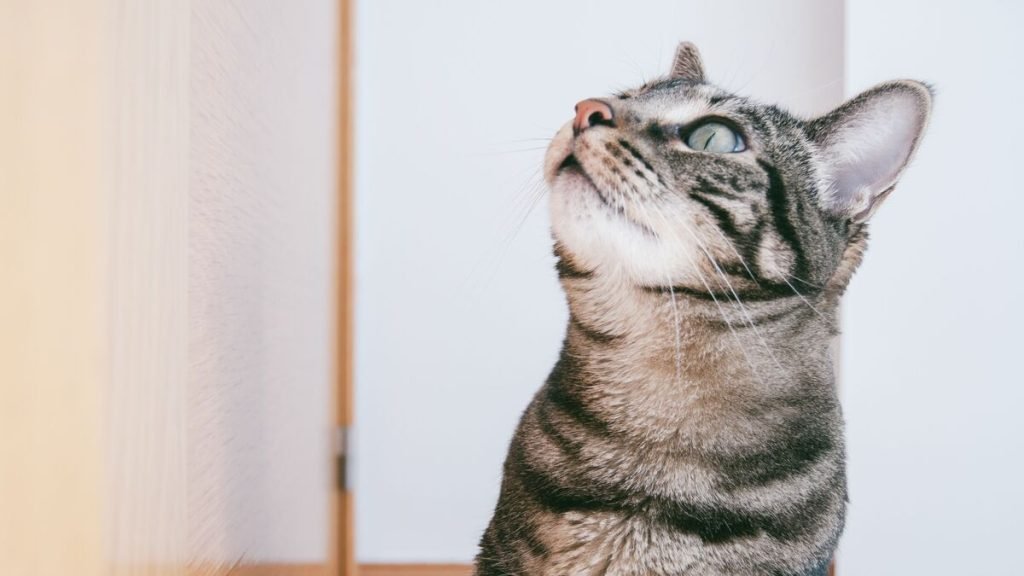
Are you puzzled by your cat’s mysterious antics? You’re not alone.
Cats are fascinating creatures with behaviors that can sometimes leave you scratching your head. Whether it’s the sudden midnight zoomies or the inexplicable obsession with cardboard boxes, understanding your feline friend’s actions can be a challenge. Enter the cat behaviour specialist.
This expert holds the key to decoding the enigma of your cat’s mind. Imagine transforming your relationship with your pet by understanding their needs and motivations. You’ll discover how a cat behaviour specialist can guide you to a harmonious and happy bond with your furry companion. Ready to dive into the world of feline psychology and unlock the secrets behind those whiskers? Let’s get started!

Credit: www.thecatwhisperer.com.sg
Common Cat Behaviors
Cats communicate in many ways beyond just meowing. Understanding their behaviors helps build a better bond. Recognizing common cat behaviors allows owners to meet their pets’ needs. These actions often show what a cat feels or wants.
Body Language Signals
Body language is a key way cats express themselves. Tail position tells a lot about their mood.
- A raised tail shows happiness or confidence.
- A tucked tail means fear or submission.
- Slow blinking signals trust and comfort.
- Flattened ears indicate anger or stress.
- Arched back with puffed fur means the cat feels threatened.
Watching these signals helps understand your cat’s feelings clearly.
Vocalizations And Their Meanings
Cats use many sounds to communicate different messages.
- Meowing often means they want attention or food.
- Purring usually shows contentment but can also mean pain.
- Hissing warns to stay away or shows fear.
- Chirping or trilling can express excitement or curiosity.
- Growling signals anger or discomfort.
Each sound reflects a different need or emotion.
Play And Hunting Instincts
Cats have strong hunting instincts even if they live indoors. Play mimics hunting actions and helps keep cats healthy.
- Stalking, pouncing, and chasing are natural behaviors.
- Interactive toys can satisfy these instincts safely.
- Regular playtime prevents boredom and reduces stress.
- Play also strengthens your bond with your cat.
Understanding these instincts helps provide proper care and enrichment.
Reasons Behind Problem Behaviors
Problem behaviors in cats can be confusing and frustrating. Understanding why these behaviors happen helps address them better. Cats show problem behaviors for many reasons. These reasons often relate to their environment, health, and social needs.
Stress And Anxiety Triggers
Stress is a common cause of problem behaviors in cats. Changes in the home, loud noises, or new people can cause anxiety. Cats may hide, scratch furniture, or refuse to eat. Stress can also lead to excessive grooming or aggression. Knowing what triggers stress helps to calm your cat.
Territorial And Social Issues
Cats are territorial animals. They mark areas to feel safe and secure. Conflicts with other pets can cause stress and aggression. Introducing new cats without proper steps may lead to fights. Social needs vary; some cats prefer solitude, others seek company. Understanding your cat’s social style reduces problem behaviors.
Health-related Causes
Health problems often show as behavior changes. Pain or illness can make cats irritable or withdrawn. Urinating outside the litter box can indicate urinary tract issues. Digestive problems may cause excessive licking or scratching. Regular vet check-ups help catch health issues early and keep your cat happy.
Creating A Cat-friendly Environment
Creating a cat-friendly environment is essential for your feline’s happiness and well-being. Cats thrive when their surroundings feel safe, stimulating, and predictable. Small changes in your home can make a big difference in how your cat behaves and interacts with you.
Safe Spaces And Hiding Spots
Cats need places where they can retreat and feel completely secure. Providing cozy hiding spots helps reduce their stress and prevents unwanted behaviors. Think of quiet corners, covered beds, or even cardboard boxes with soft blankets inside.
Have you noticed your cat disappearing for hours? That’s their way of seeking safety. Adding vertical spaces like cat trees or shelves also gives them control over their environment and a vantage point to observe without feeling threatened.
Enrichment And Toys
Boredom can lead to destructive behavior or anxiety in cats. Keeping your cat mentally and physically engaged prevents this. Rotate toys regularly to keep things exciting—simple things like feather wands, puzzle feeders, and laser pointers can spark their hunting instincts.
Try watching how your cat plays and discover which toys they prefer. Some cats love chasing, while others enjoy pouncing or batting. Matching toys to their natural behaviors helps keep them active and content.
Feeding And Routine Tips
Consistency matters a lot to cats. Feeding your cat at the same times every day creates a sense of security and predictability. You might notice fewer meows or anxious pacing when they know exactly when to expect their meals.
Consider splitting meals into smaller portions throughout the day instead of one large serving. This mimics their natural grazing habits and can reduce overeating or begging. Also, try to feed in a quiet, dedicated spot free from distractions.
Effective Communication Techniques
Effective communication with your cat creates a happy and healthy relationship. Understanding your cat’s messages helps you meet their needs. It also reduces stress and builds a stronger bond. Simple techniques improve daily interactions and deepen trust.
Reading Your Cat’s Signals
Cats use body language and sounds to talk. Watch their tail, ears, and eyes for clues. A flicking tail can mean excitement or annoyance. Slow blinking shows contentment and trust. Listen to meows, purrs, and hisses to understand feelings.
Responding To Needs
Pay attention to what your cat wants. Offer food, play, or quiet time based on their signals. Respect their space if they seem scared or tired. Gentle petting and soft voices calm anxious cats. Meeting needs quickly stops bad behavior.
Building Trust And Bonding
Trust grows from patience and consistency. Spend quiet moments together daily. Use treats and praise to encourage positive actions. Avoid sudden movements or loud noises. A calm environment helps your cat feel safe and loved.
When To Seek Professional Help
Knowing when to seek help from a cat behaviour specialist can save both you and your feline friend a lot of stress. Cats communicate in subtle ways, and sometimes their behaviour signals deeper issues that need expert attention. If you notice persistent problems that disrupt your home or cause distress to your cat, it might be time to get professional guidance.
Recognizing Behavioral Red Flags
Not all cat quirks require professional intervention, but certain behaviours should raise concern. Watch out for sudden aggression, frequent inappropriate urination, or excessive hiding. These signs often indicate anxiety, medical issues, or environmental stress.
Have you noticed your cat suddenly avoiding the litter box or acting fearful around family members? These changes don’t usually resolve on their own and can worsen without proper support.
- Repeated biting or scratching beyond playful limits
- Destructive scratching on furniture despite deterrents
- Loss of appetite or excessive grooming leading to bald patches
Choosing A Cat Behaviour Specialist
Not all specialists offer the same expertise. Look for someone with certified training in animal behaviour, specifically with cats. Experience working with diverse feline personalities and issues is crucial.
Ask about their approach—do they use positive reinforcement techniques? Avoid specialists who suggest punishment, as this often worsens problems. You want someone who listens carefully to your situation and tailors solutions accordingly.
Check reviews and request referrals from your vet or local cat community. A good specialist will also be transparent about fees and session structure upfront.
What To Expect From Consultations
Your first meeting with a cat behaviour specialist will likely involve a detailed discussion about your cat’s history and current habits. Be ready to share information about diet, environment, and any recent changes at home.
The specialist may observe your cat’s behaviour either in person or through video recordings. They’ll then offer practical strategies for managing issues and improving your cat’s wellbeing.
- Customized behaviour modification plans
- Advice on environmental enrichment
- Ongoing support and follow-up sessions
Remember, effective change takes time and patience. Are you prepared to invest consistent effort in helping your cat feel secure and happy?

Credit: www.scotsman.com

Credit: www.felinebehaviourcoach.com
Frequently Asked Questions
What Does A Cat Behaviour Specialist Do?
A cat behaviour specialist studies feline actions and emotions. They identify and solve behavioural issues. Their goal is to improve cat wellbeing and owner relationships.
When Should I Consult A Cat Behaviour Specialist?
Consult when your cat shows aggression, anxiety, or litter problems. Early intervention prevents worsening behaviour. Specialists offer personalized solutions for lasting results.
How Can A Specialist Help With Cat Aggression?
They assess triggers causing aggression and develop a behaviour modification plan. Techniques include positive reinforcement and environmental changes. This reduces stress and promotes calm behaviour.
Are Cat Behaviour Specialists Certified Professionals?
Yes, most specialists have certifications in animal behaviour or veterinary fields. Certification ensures they understand feline psychology and effective treatment methods.
Conclusion
A cat behaviour specialist helps you understand your cat better. They can solve problems like scratching or hiding. Learning your cat’s needs makes life happier for both of you. Small changes can improve your cat’s mood and health. Trusting an expert saves time and stress.
Happy cats make happy homes. Consider talking to a specialist if your cat acts strange. It’s a simple step to a peaceful pet life.
