

Navigating the world of teenage cat behavior can be as mystifying as it is fascinating. If you’ve noticed your young feline acting a bit moody or unpredictable, you’re not alone.
Just like human teenagers, cats go through their own adolescent phase, filled with unique quirks and behaviors that can leave you puzzled. But don’t worry, understanding this stage is key to fostering a stronger bond with your furry friend. In this blog post, you’ll uncover insights into your cat’s teenage antics and learn how to support them during this transformative time.
So, are you ready to dive into the mind of your teenage cat and discover what makes them tick? Let’s explore together!
Teenage Cat Traits
Teenage cats show many unique traits during their growth phase. These changes can puzzle cat owners. Understanding these traits helps in caring for your feline friend better. Teenage cats grow fast and explore their world boldly. Their personality and habits shift noticeably in this stage.
Physical Changes
Teenage cats grow taller and gain muscle strength. Their fur may become thicker or change color slightly. Eyes often look bigger and brighter. Teeth replace baby teeth with strong adult ones. Energy levels rise, making them more active than before.
Emotional Shifts
Teenage cats feel new emotions strongly. They may become more independent and curious. Mood swings happen quickly, from playful to shy. Some cats seek more attention, while others prefer solitude. This phase tests their trust and confidence with you.
Behavioral Patterns
Teenage cats explore more and test boundaries. They practice hunting skills by chasing toys and shadows. Scratching and climbing increase as they learn control. Some may mark territory with scent or sound. Training and patience help guide good habits now.
Common Attitude Challenges
Teenage cats often surprise their owners with sudden shifts in behavior. These common attitude challenges can test your patience but also deepen your understanding of your feline friend. Recognizing these behaviors helps you respond better and maintain a strong bond.
Increased Independence
During adolescence, cats start seeking more freedom. They may spend more time exploring or less time cuddling, which can feel like rejection. Your cat is learning to trust their instincts and make decisions on their own.
Try giving them safe spaces to roam and explore while keeping an eye on their safety. Have you noticed your cat sneaking into new corners or climbing higher than before? This is their way of claiming independence.
Testing Boundaries
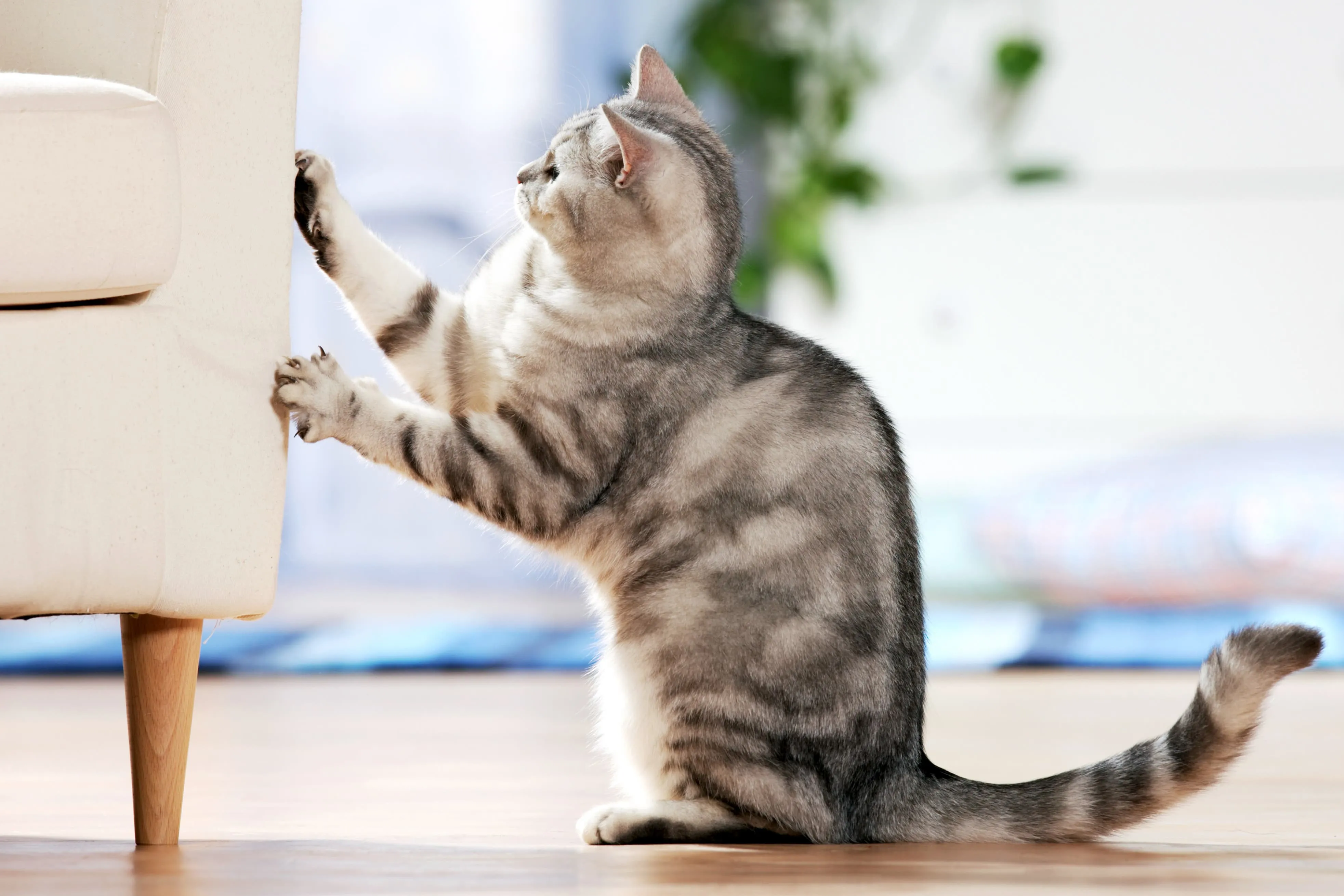
Teenage cats often challenge rules they’ve accepted before. They might scratch furniture more or ignore commands. This behavior is their way of figuring out limits and what they can get away with.
You can gently reinforce boundaries by redirecting unwanted behavior, like offering scratching posts instead of the couch. Consistency is key—do you find that clear, calm responses help your cat understand better?
Mood Swings
Expect your adolescent cat to switch from playful to moody without warning. One moment they want attention; the next, they retreat to a quiet spot. These mood swings reflect hormonal changes and growing self-awareness.
Respect their need for space but stay available for affection when they seek it. Have you observed how your cat’s mood affects their interaction with you? Learning to read these cues can improve your relationship.
Social Interactions
Teenage cats are full of energy and curiosity, which makes their social interactions particularly interesting to watch. During this stage, their behavior toward humans, other pets, and their territory can change rapidly. Understanding these interactions helps you build a stronger bond and manage your cat’s behavior effectively.
With Humans
Teenage cats often test boundaries with their human companions. They might suddenly become more playful or even a bit moody. You may notice your cat demanding attention one moment and then wanting space the next.
Engage with your cat through interactive toys and gentle petting to keep their energy positive. Have you observed your cat’s favorite way to connect—whether it’s chasing a laser pointer or curling up on your lap after a play session?
With Other Pets
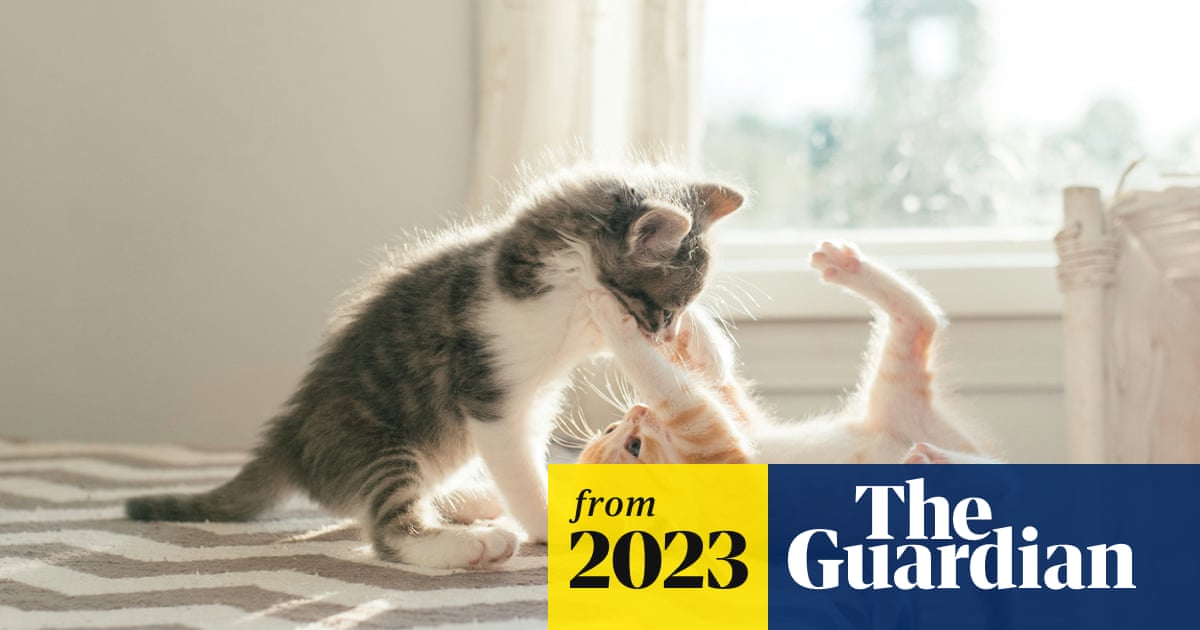
Introducing a teenage cat to other pets requires patience. Your cat might be curious but also cautious or even territorial. Watch how your cat approaches other animals—whether with playful gestures or cautious retreats.
Encourage calm interactions by supervising initial meetings and rewarding peaceful behavior. Sometimes, your cat’s body language, like slow blinking or tail flicks, will tell you if they’re comfortable or stressed.
Territorial Behavior
Teenage cats become more aware of their environment and often mark their territory. This can include rubbing their face on furniture or even gentle scratching. It’s their way of claiming their space and feeling secure.
If you notice increased territorial behavior, provide plenty of safe spaces and vertical areas like cat trees. How do you create a sense of security for your cat in a busy household?
Credit: www.theguardian.com
Effective Discipline Techniques
Disciplining teenage cats needs patience and clear methods. Their changing behavior requires guidance that is gentle but firm. The right discipline helps shape good habits early. It also builds trust between you and your cat. Using effective techniques makes training easier and more successful.
Positive Reinforcement
Reward good behavior to encourage your cat’s best actions. Use treats, petting, or kind words as rewards. This helps your cat know what is right. Avoid punishment because it can cause fear or confusion. Positive reinforcement creates a happy learning environment.
Consistent Rules
Set clear rules for your cat’s behavior. Everyone in the home should follow the same rules. Consistency helps your cat understand limits quickly. Change rules only when necessary and explain calmly. Predictable rules reduce stress and bad habits.
Redirecting Unwanted Behavior
Guide your cat away from bad actions without punishment. Offer toys or activities to replace scratching or biting. Keep your cat busy with fun distractions. This teaches what is acceptable without fear. Redirecting helps your cat learn good habits naturally.
Encouraging Healthy Play
Encouraging healthy play is essential for guiding your teenage cat through this energetic and sometimes challenging stage. Playtime is more than just fun—it shapes their behavior, keeps them fit, and strengthens your bond. How you support their natural curiosity during play can make a big difference in their overall well-being.
Interactive Toys
Interactive toys capture your cat’s attention and challenge their mind. Toys like feather wands, laser pointers, or puzzle feeders keep them mentally and physically active. I noticed my teenage cat became calmer after I introduced a variety of interactive toys, especially those that mimic prey movements.
Rotate toys regularly to keep things fresh. This prevents boredom and keeps your cat eager to play. Have you tried toys that encourage problem-solving? They stimulate your cat’s instincts and reduce destructive behaviors.
Scheduled Playtime
Setting specific play sessions helps your cat anticipate activity and settle their energy in a healthy way. Aim for two or three short sessions daily, about 10 to 15 minutes each. Consistency builds routine and reduces random bursts of hyperactivity.
Try to play during times when your cat naturally feels most energetic, often early morning or late evening. Does your cat seem calmer after these sessions? That’s a sign you’re channeling their energy properly and promoting better sleep cycles.
Safe Exploration
Teenage cats need room to explore without risks. Create a safe space where they can climb, hide, and investigate freely. Window perches, cat trees, and tunnels offer great outlets for their adventurous spirit.
Supervise outdoor access if possible, or use a secure catio to let your cat enjoy fresh air safely. How much does your cat enjoy watching birds or insects from a window? Providing these small adventures satisfies their hunting drive and keeps boredom at bay.
Managing Stress And Anxiety
Teenage cats often face stress and anxiety just like teenagers in other species. Managing these feelings early can prevent behavioral problems and strengthen your bond. Understanding how to spot stress and create a soothing environment makes a big difference in your cat’s well-being.
Recognizing Signs
Stress in teenage cats can show in many ways. Watch for sudden changes like hiding more, avoiding play, or aggressive behavior. Some cats may groom excessively or lose their appetite.
Have you noticed your cat suddenly scratching furniture or vocalizing more at night? These can be signs of anxiety. Pay close attention to changes in body language, such as flattened ears or twitching tails. Identifying these signs early helps you act before stress worsens.
Creating Calm Spaces
Your cat needs a safe haven where it feels secure. Set up quiet corners with soft bedding away from loud noises and household traffic. Cats appreciate vertical spaces like shelves or cat trees to observe without feeling trapped.
Adding familiar scents like your worn t-shirt can comfort your cat in these calm spots. How often do you check if your cat’s resting place is peaceful and inviting? A clutter-free, warm environment reduces anxiety and encourages relaxation.
Using Calming Aids
Calming aids can support your cat during stressful times like vet visits or loud gatherings. Products like pheromone diffusers mimic natural comforting scents and can lower anxiety levels. Herbal supplements or calming treats often contain ingredients like chamomile or valerian root.
Before trying any new product, consult your vet to ensure safety and proper use. Have you tried calming aids during your cat’s stressful moments? They can be a gentle way to help your cat regain confidence and calmness.
Nutrition And Health Impact
Teenage cats go through many changes that affect their health and nutrition. Their bodies need more energy and nutrients to grow strong. Proper care helps them stay active and healthy during this lively stage.
Diet Adjustments
Teenage cats need food rich in protein and fat. Their meals should support muscle growth and energy needs. Avoid giving adult cat food, which may lack essential nutrients. Choose specially formulated kitten or adolescent cat food. Fresh water must always be available to keep them hydrated.
Regular Vet Visits
Regular check-ups help catch health problems early. Vaccinations and parasite control protect against common illnesses. The vet can advise on the best diet and care for your cat’s age. Keep track of weight and behavior changes during visits.
Exercise Importance
Active play supports healthy bones and muscles. Exercise helps maintain a healthy weight and reduces stress. Use toys and climbing structures to encourage movement. Spend time playing daily to keep your teenage cat happy.
Credit: animalfriendsrescue.org
Preparing For Adulthood
Preparing your teenage cat for adulthood is crucial for a smooth transition into their mature years. This phase is a perfect opportunity to shape their habits, strengthen your bond, and ensure their health for the future. How you approach this time can impact your cat’s behavior and wellbeing for life.
Training Tips
Consistency matters most in training your teenage cat. Use short, frequent sessions to teach commands or good behaviors. Cats respond well to positive reinforcement, so reward with treats or affection immediately after they do something right.
Try using clicker training to mark desired actions clearly. This method helped my own cat learn to come when called, turning her into a more confident and sociable pet. What small habit could you start training today that would make your life easier tomorrow?
Building Trust
Trust isn’t automatic; it grows through patient, gentle interactions. Spend quiet time near your cat without forcing contact. Let them choose when to approach you, which helps them feel safe and respected.
Notice their body language to understand what makes them comfortable or anxious. I found that sitting on the floor at their level instead of standing helped my cat feel less threatened. Can you identify moments when your cat seeks closeness and respond with calm attention?
Long-term Care
Health checks and proper nutrition become increasingly important as your cat matures. Schedule regular vet visits to catch any issues early. Feeding a balanced diet tailored to their age supports their energy and immune system.
Also, provide stimulating toys and scratching posts to keep them active and mentally sharp. My teenage cat’s daily playtime reduced her stress and prevented destructive behaviors. How will you adjust your care routine to meet your cat’s changing needs?
Credit: www.webmd.com
Frequently Asked Questions
What Are Common Teenage Cat Behavior Signs?
Teenage cats often display increased energy, curiosity, and playfulness. They may test boundaries and show independence. This stage includes more scratching, climbing, and sometimes mood swings as they mature.
How To Handle Teenage Cat Aggression?
Teenage cat aggression can be managed with consistent play and positive reinforcement. Provide toys and avoid punishment. Redirect aggressive behavior to appropriate outlets like scratching posts.
Why Do Teenage Cats Become More Vocal?
Teenage cats vocalize more to express needs or mark territory. Hormonal changes increase their communication. Respond calmly and ensure their needs are met to reduce excessive meowing.
When Does Teenage Cat Behavior Typically End?
Teenage behavior usually ends between 1 to 2 years old. Cats gradually become calmer and more settled. Proper training and socialization speed up this transition.
Conclusion
Teenage cats act differently as they grow and learn. They test limits and explore their world. Patience helps you guide their behavior well. Understanding their mood makes bonding easier. Keep routines steady for comfort and trust. Play and attention reduce unwanted acts.
Watching changes helps spot health or stress issues. Caring for a teen cat takes time and love. You build a strong friendship through gentle care. Every cat is unique, so stay flexible and kind.
