

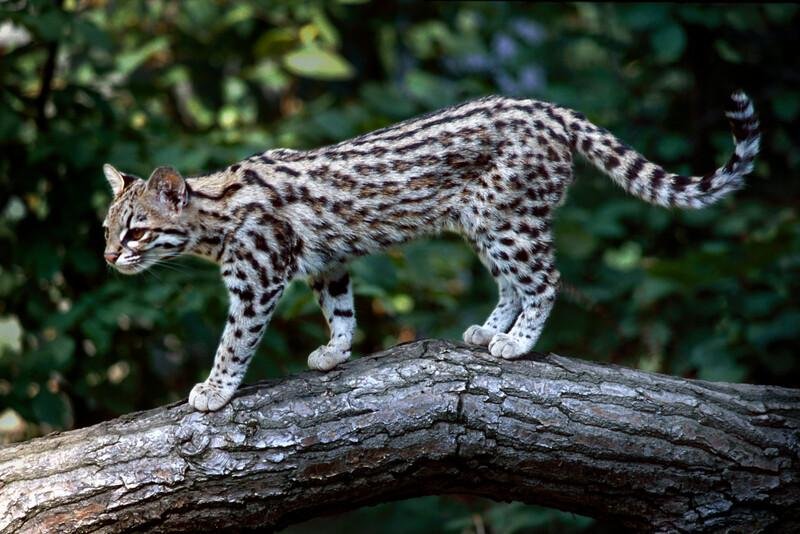
Do you love the idea of having a wild cat, but prefer a size that fits perfectly into your cozy home? Small wild cat breeds might be exactly what you’re looking for.
These fascinating felines bring the allure of the wild right into your living room without the overwhelming size. Imagine a cat that looks like it just stepped out of a jungle, yet curls up in your lap like a loyal companion.
Intrigued? You’ll discover that these small wild cats are not just about their striking appearance; they have unique behaviors and personalities that could make them the ideal pet for you. Keep reading to uncover the exciting world of small wild cat breeds and find out which one could become your new furry friend.
Mini Felines Around The World
Mini felines captivate many with their delicate size and fierce independence. These small wild cats live in diverse environments across the globe, each with unique traits shaped by their habitat. Understanding where they live and how they survive offers valuable insights for anyone interested in wildlife or conservation.
Habitat And Distribution
Small wild cats inhabit a wide range of regions, from dense tropical rainforests to arid deserts. The rusty-spotted cat, one of the smallest, thrives in India’s forests and grasslands. Meanwhile, the black-footed cat prowls the savannas and scrublands of southern Africa.
Have you ever wondered how such tiny creatures manage to avoid predators in vast landscapes? Their habitats often provide natural cover and hunting opportunities suited to their size and skills.
Adaptations To Environment
Each mini feline has evolved special features to survive in its environment. The margay, which lives in Central and South American rainforests, has flexible ankles allowing it to climb down trees headfirst. This skill helps it hunt arboreal prey effectively.
In contrast, the sand cat, found in the deserts of North Africa and the Middle East, has thick fur on its feet to protect against hot sand and keen hearing to detect prey underground. Such adaptations prove how small cats overcome environmental challenges to thrive.
Popular Small Wild Cat Species
Small wild cat species captivate with their unique looks and secretive habits. These cats live in forests, grasslands, and wetlands worldwide. They are skilled hunters and often go unseen due to their size and camouflage. Each species shows special traits that help them survive in the wild. Understanding these cats gives insight into nature’s diversity and balance.
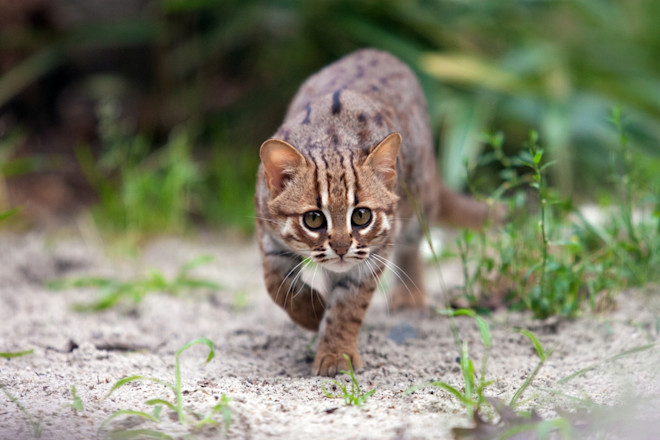
Rusty-spotted Cat
The rusty-spotted cat is one of the smallest wild cats. It lives mainly in India and Sri Lanka. Its coat shows rusty spots on a pale background. This cat is shy and active at night. It hunts small birds and rodents quietly.
Black-footed Cat
This cat lives in southern Africa. It has black feet and a sandy coat with spots. The black-footed cat is an excellent hunter, catching prey bigger than itself. It uses stealth and speed to surprise its meals.
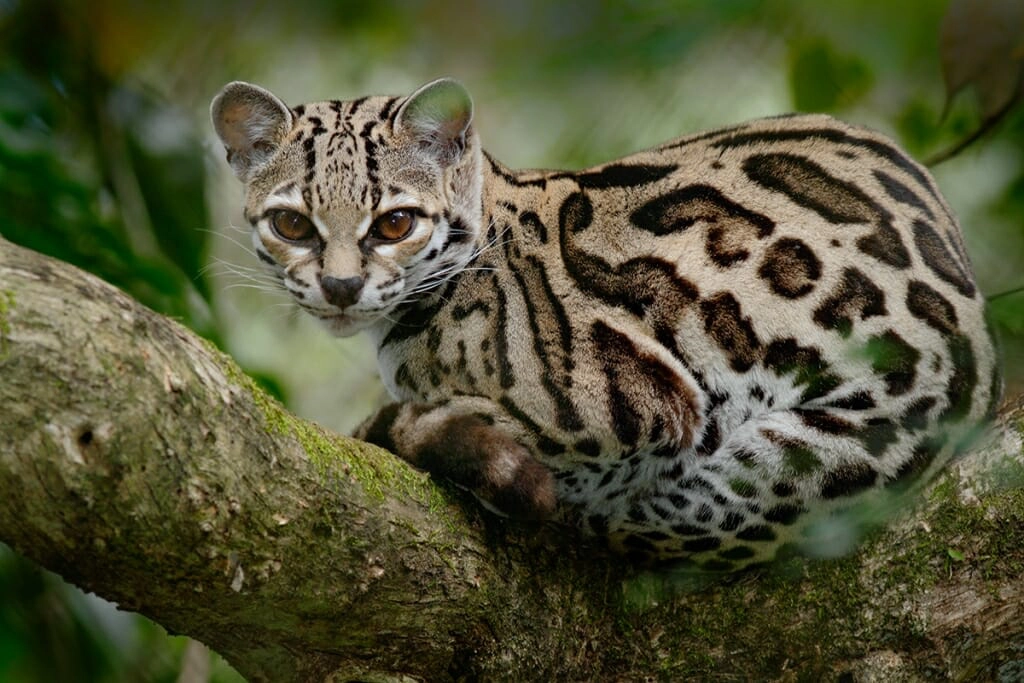
Margay
The margay lives in Central and South American forests. It looks like a small leopard with large eyes. Margays are skilled climbers. They can hang from branches using their tails. They hunt birds, monkeys, and small mammals.
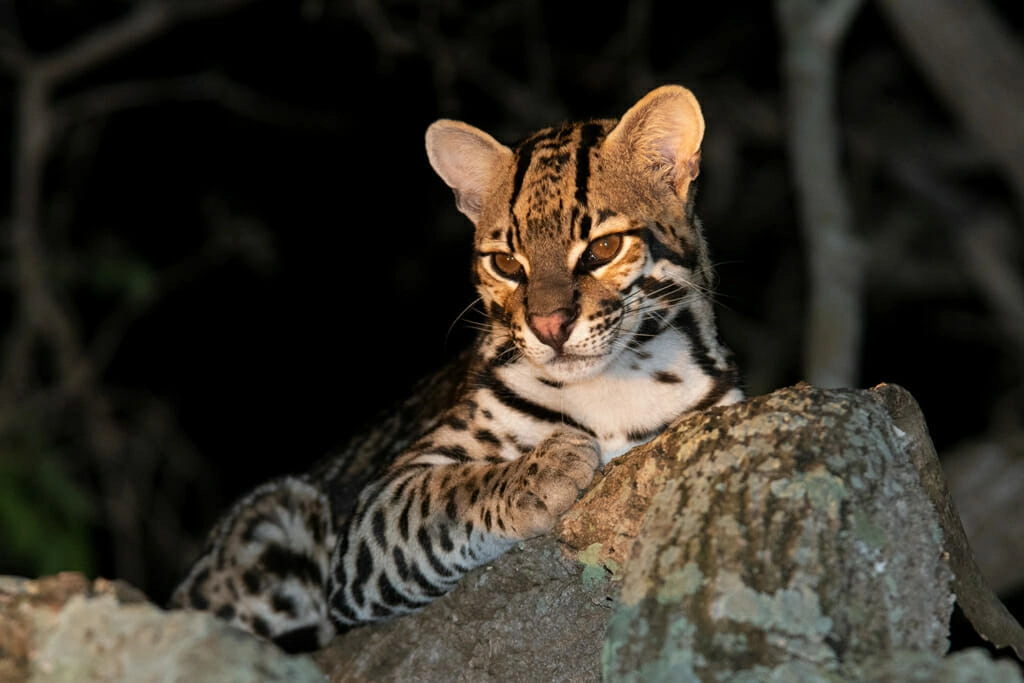
Oncilla
Oncillas are found in the forests of Central and South America. They have yellow fur with black spots. Oncillas are shy and mostly active at night. Their small size helps them move easily through dense vegetation.
Fishing Cat
The fishing cat lives near water in South and Southeast Asia. It has a strong build and webbed feet for swimming. Fishing cats catch fish and frogs with ease. They are one of the few wild cats that enjoy water.
Physical Traits And Behavior
Small wild cat breeds captivate with their unique blend of physical traits and behaviors. Understanding these aspects helps you appreciate their survival skills and natural charm. Let’s dive into what sets them apart in the wild.
Size And Appearance
Small wild cats typically range from 10 to 20 inches in body length, not counting the tail. Their compact size allows them to navigate dense forests and rocky terrains with ease.
Distinctive markings like spots, stripes, or rosettes help them camouflage. For instance, the margay sports large eyes and a long tail, aiding nighttime hunting and balance in trees. You might notice some breeds have tufted ears or thick fur, adapting to their specific habitats.
Hunting Techniques
These cats are skilled hunters, relying on stealth and agility rather than brute strength. They often stalk prey silently before making a swift pounce.
Some species, like the fishing cat, have developed unique techniques such as pawing at water to catch fish. Have you ever seen a cat patiently wait by a water source? It’s a lesson in patience and precision.
Others use trees as vantage points, dropping down on unsuspecting prey. Their diet varies widely but usually includes small mammals, birds, and insects.
Social Habits
Most small wild cats are solitary creatures, marking territories to avoid conflicts. They communicate using scent markings, vocalizations, and body language.
Occasionally, you might observe brief interactions during mating or mothering periods. These moments reveal a softer side to their usually independent nature.
Understanding their social habits helps you respect their space and behavior if you ever encounter them in the wild or conservation settings.
Credit: www.discovermagazine.com
Conservation Status
Small wild cat breeds face many challenges that affect their survival. Their conservation status varies widely, but many species are at risk. Protecting these cats is vital to keep the natural balance and biodiversity. Understanding their threats and conservation efforts helps raise awareness and support.
Threats To Small Wild Cats
- Loss of habitat due to deforestation and urban growth
- Poaching for fur and illegal pet trade
- Conflicts with farmers protecting livestock
- Pollution and environmental changes harming their ecosystems
- Climate change altering their natural habitats
Conservation Efforts
Many organizations work to protect small wild cats. Efforts focus on:
- Creating and enforcing wildlife protection laws
- Restoring damaged habitats and creating safe zones
- Raising public awareness through education
- Supporting scientific research to understand species better
- Reducing human-wildlife conflict by promoting coexistence
Role Of Wildlife Sanctuaries
Wildlife sanctuaries provide safe homes for small wild cats. They:
- Offer protection from hunters and habitat loss
- Help breed endangered species in controlled environments
- Allow injured or orphaned cats to recover
- Educate visitors about the importance of conservation
- Support research that improves conservation methods
Small Wild Cats In Culture
Small wild cats have long fascinated people across the world. Their mysterious nature and unique behaviors inspire stories and beliefs. These cats often appear in myths, folk tales, and art. They shape how local communities see nature and wildlife.
Understanding small wild cats in culture helps us appreciate their role beyond the wild. They influence traditions, values, and even local economies.
Myths And Folklore
Small wild cats often symbolize mystery and magic in many cultures. They are part of legends that explain natural events or teach lessons. Some cultures see them as protectors of the forest. Others believe they bring luck or bad omens.
- In some Asian stories, small wild cats are guardians of hidden treasures.
- Native American tribes tell tales of wild cats as spirit guides.
- African folklore often links these cats to cleverness and survival.
These myths highlight the deep connection between humans and wild cats. They show respect and fear for these elusive animals.
Impact On Local Communities
Small wild cats influence local ways of life in many areas. People often depend on wildlife for tourism and education. These cats attract visitors who want to see them in the wild. This creates jobs and supports local businesses.
Communities also develop traditions based on these animals. Festivals and art often celebrate small wild cats. This helps keep cultural heritage alive and raises awareness about wildlife protection.
Efforts to protect small wild cats often involve local people. Their knowledge and cooperation are key to conservation success.
Credit: www.thewildlifediaries.com
Observing Small Wild Cats Safely
Observing small wild cats is an exciting experience that connects you with nature’s quieter, stealthier creatures. These cats are elusive by nature, making each sighting special and rewarding. However, ensuring your safety and the cats’ well-being is crucial during your wildlife watching adventures.
Best Practices For Wildlife Watching
Start by keeping a respectful distance. Small wild cats can feel threatened by close human presence, which may cause them stress or provoke defensive behavior.
Use binoculars or a zoom lens to get a closer look without disturbing them. Move slowly and avoid sudden movements to prevent scaring the animals away.
Stay quiet and listen carefully; often, you’ll hear rustles or calls before you see these cats. Patience is key—sometimes, waiting quietly yields the best encounters.
Ethical Considerations
Never feed wild cats or attempt to touch them. Feeding disrupts their natural hunting habits and can make them dependent on humans, which is harmful in the long run.
Respect their habitat by sticking to marked trails and avoiding sensitive areas. This helps protect the environment they rely on and reduces your impact on their daily life.
Ask yourself: Is my presence helping or harming these creatures? If you notice signs of stress or agitation in the cats, it’s time to step back and give them space.
Credit: www.thewildlifediaries.com
Frequently Asked Questions
What Are The Smallest Wild Cat Breeds Worldwide?
The smallest wild cat breeds include the Rusty-spotted cat, Black-footed cat, and Margay. They weigh under 10 pounds and measure less than 20 inches long. These cats live in varied habitats, from forests to savannas, and are elusive and nocturnal hunters.
How Do Small Wild Cats Differ From Domestic Cats?
Small wild cats have stronger hunting instincts and sharper claws than domestic cats. They are less social and rarely tolerate human interaction. Their diet consists mainly of small mammals and birds. Their behavior is more aggressive and they live independently in the wild.
Can Small Wild Cats Be Kept As Pets Legally?
Most small wild cats are protected by wildlife laws and cannot be kept as pets legally. They require specialized care, space, and diet, which are hard to provide in homes. Ownership often demands permits, and illegal trade threatens their survival in the wild.
Where Do Small Wild Cat Breeds Mostly Live?
Small wild cats inhabit diverse regions including Asia, Africa, and South America. They prefer dense forests, grasslands, and scrublands where they can hunt and hide. Each species adapts uniquely to its environment, making them vital to local ecosystems.
Conclusion
Small wild cat breeds show nature’s charm in tiny forms. Each breed has unique traits and habits worth knowing. These cats live in forests, deserts, and mountains worldwide. They help keep nature’s balance by hunting small animals. Learning about them grows respect for wild animals.
Protecting their homes means protecting these special cats. They remind us how diverse and fragile life is. Admire their beauty and stay curious about wildlife. Small wild cats have big roles in nature’s story.
