

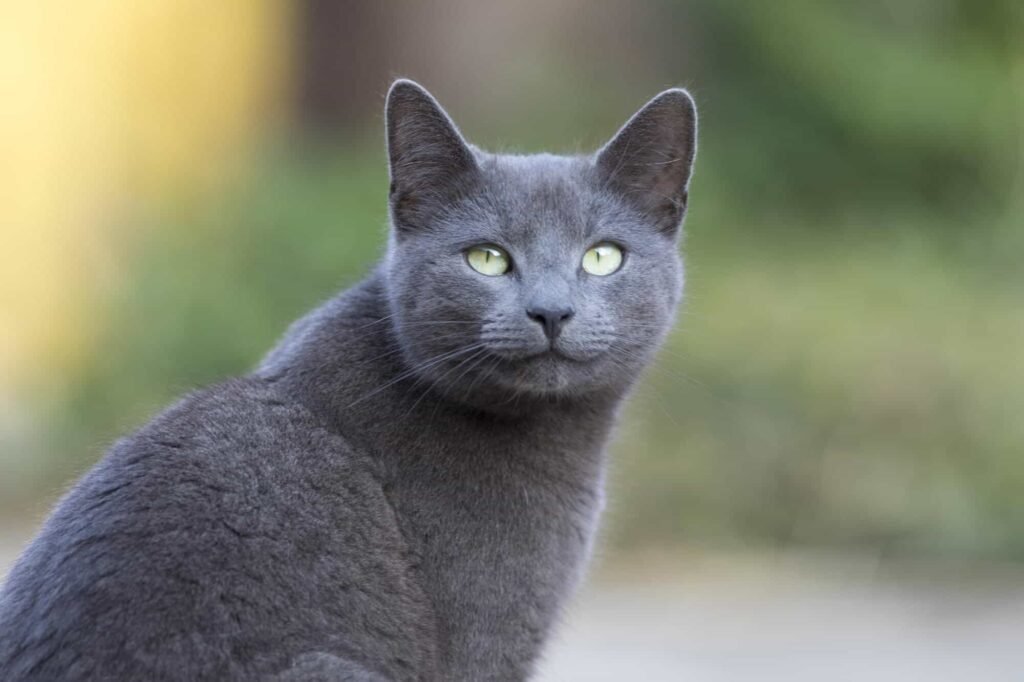
Are you captivated by the striking allure of blue cat breeds? Imagine a feline companion whose coat shimmers like moonlit silver, radiating an aura of elegance and mystery.
These cats aren’t just about looks; they offer unique personalities that might just be the perfect fit for your home. You’re about to dive into a world where beauty and charm are wrapped in a soft, blue fur coat. Discover which breed might be your new best friend and learn what makes these cats so special.
Get ready to fall in love with the enchanting world of blue cat breeds—because you deserve a pet as unique as you are.

Credit: zigly.com
Origins Of Blue Cat Breeds
Understanding the origins of blue cat breeds can deepen your appreciation for these stunning felines. Their unique coat color isn’t just beautiful; it tells a story that spans centuries and continents. Let’s uncover where these enchanting cats come from and what makes their heritage so special.
Historical Background
Blue cat breeds have a rich history dating back several hundred years. The Russian Blue, one of the most famous blue cats, was first documented in the 1800s. This breed was admired for its silvery-blue coat and gentle temperament, quickly gaining popularity among European aristocrats.
Other blue cats, like the Chartreux, have even older roots. The Chartreux is believed to have existed as far back as the 16th century in France. Its thick, woolly blue coat helped it survive cold winters, showing how their color isn’t just for show but also practical.
Geographical Roots
The geographical origins of blue cats stretch across multiple regions, each adding unique traits to the breeds we know today. Russian Blues hail from the port city of Arkhangelsk in northern Russia. This cold climate influenced their dense, plush coats.
Meanwhile, the Chartreux comes from France’s mountainous regions. This environment shaped their muscular build and water-resistant fur. The British Blue, another popular breed, developed in the United Kingdom, where it adapted to a cooler, wetter climate.
- Russian Blue: Northern Russia, port city of Arkhangelsk
- Chartreux: Mountainous areas of France
- British Blue: United Kingdom
Have you ever wondered how your cat’s environment might influence its personality or health? Knowing their geographical roots helps you understand their needs better and provides clues on how to care for them in your own home.
Distinctive Features
Blue cat breeds stand out with their unique and captivating features. These cats often catch your eye with their cool-toned coats and striking eyes. Understanding their distinctive traits helps you appreciate their beauty and personality even more.
Coat Color And Texture
The hallmark of blue cats is their coat—a soft, silvery shade of gray that seems to shimmer in the light. This blue-gray color is not just a single tone; it varies from pale silver to deep slate. The texture can range from short and dense, like the Russian Blue, to plush and velvety, like the British Shorthair.
Have you noticed how the coat often feels cooler to the touch compared to other cats? This is due to the fine, dense fur that lies close to their skin, giving them a luxurious feel you’ll want to stroke again and again.
Eye Color Variations
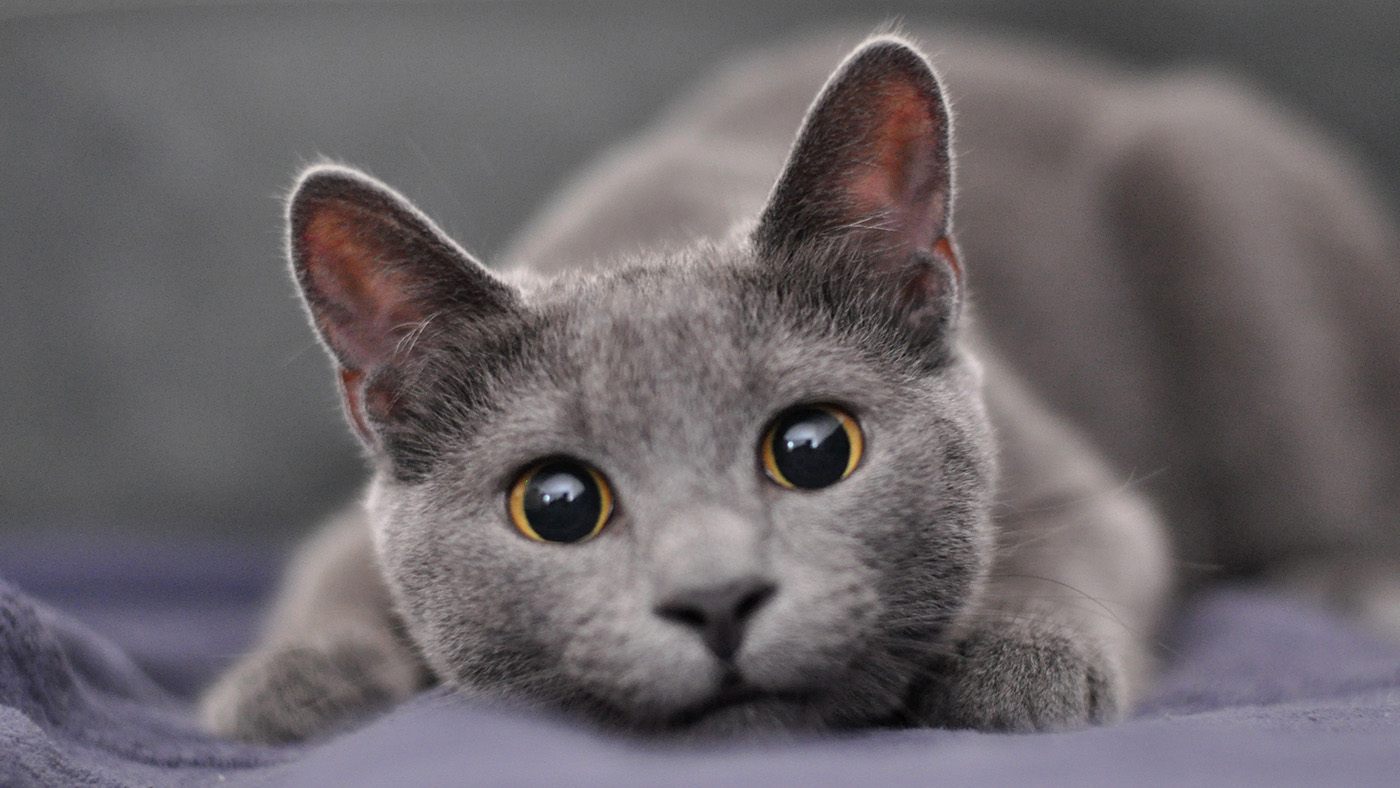
Eye color in blue cat breeds is just as fascinating as their coat. Many blue cats feature vivid green eyes, which create a striking contrast against their gray fur. Others, like the Chartreux, can have copper or gold eyes that seem to glow warmly.
Does your cat’s gaze feel almost hypnotic? The intensity and clarity of their eyes often reflect their alert and intelligent nature. You might find yourself drawn into those eyes during quiet moments together.
Body Structure
Blue cat breeds usually have a solid and well-proportioned body. For instance, the Russian Blue is known for its graceful, slender frame, while the British Shorthair boasts a stockier, more muscular build. This difference in structure affects their movement and energy levels.
Pay attention to your cat’s posture and how they carry themselves. A sleek, agile body often pairs with playful energy, while a robust frame might mean your cat enjoys a more relaxed pace.
Popular Blue Cat Breeds
Blue cat breeds captivate with their unique slate-gray coats and charming personalities. These cats often blend elegance with playfulness, making them popular choices for many pet lovers. Understanding what makes each breed special can help you find the perfect blue companion for your home.
Russian Blue
The Russian Blue is famous for its dense, silvery-blue coat and striking green eyes. This breed is known for being gentle and intelligent, often forming strong bonds with their owners. If you enjoy a calm yet curious cat that loves interactive play, the Russian Blue could be a great match.
British Shorthair
British Shorthairs are sturdy and easygoing, with plush blue-gray fur that feels like velvet. They adapt well to different living spaces and often enjoy relaxing alongside their humans. Have you noticed how their round faces and wide eyes give them a lovable, almost cartoonish charm?
Nebelung
The Nebelung stands out with its long, silky blue coat and bright green eyes. This breed tends to be shy at first but opens up beautifully once it trusts you. If you want a unique-looking cat that rewards patience with affection, the Nebelung could be your ideal pet.
Chartreux
Chartreux cats boast a woolly, blue-gray coat and a playful yet calm demeanor. Their expressive orange or copper eyes contrast beautifully with their fur. Curious how these cats combine the energy of a kitten with the laid-back nature of a mature cat? They truly offer the best of both worlds.
Personality Traits
Blue cat breeds are known not only for their stunning coat but also for their unique personalities. Their traits make them wonderful companions. Understanding their personality helps in building a strong bond with them.
Temperament
Blue cats usually have calm and gentle temperaments. They are often peaceful and enjoy quiet moments. These cats tend to be affectionate but not overly clingy. They appreciate attention but also like their personal space. Their mood is steady and rarely unpredictable.
Social Behavior
Blue cats are social and enjoy being around people. They often get along well with children and other pets. These cats like to join family activities and love being part of the home. They are not shy and usually greet visitors with curiosity. Their friendly nature makes them great companions.
Intelligence
Blue cats are smart and learn quickly. They enjoy interactive toys and puzzles. These cats can solve problems and remember routines well. Their intelligence makes training easier and more fun. They often show curiosity and explore their environment actively.
Care And Grooming Tips
Blue cat breeds need gentle care to keep them healthy and happy. Their unique coat and body require special attention. Proper grooming and diet help maintain their beauty and strength. Understanding their health risks supports a longer, active life.
Coat Maintenance
Blue cats have soft, dense fur that needs regular brushing. Brush two to three times a week to remove loose hairs. Use a soft brush to avoid skin irritation. Bathing is rarely needed, only if the cat is very dirty. Check for mats and tangles, especially behind ears and under legs. Grooming time also helps spot skin problems early.
Diet Recommendations
Feed blue cats balanced meals with high protein. Choose quality cat food with real meat as the first ingredient. Provide fresh water daily to keep them hydrated. Avoid foods with fillers like corn or soy. Treats should be healthy and given in small amounts. Monitor their weight to prevent obesity and related problems.
Health Concerns
Blue cat breeds may have specific health issues. Common problems include dental disease and heart conditions. Regular vet check-ups help catch illness early. Watch for signs like coughing, lethargy, or loss of appetite. Keep vaccinations and parasite control up to date. Good care supports their overall well-being and happiness.

Credit: thelittlecarnivore.com
Myths And Facts
Blue cat breeds have a mysterious charm that often leads to many myths. Separating fact from fiction helps us understand these cats better. Myths can shape how people view and care for these beautiful animals.
Common Misconceptions
- Blue cats are always cold or unfriendly.
- They are rare and expensive to own.
- Blue cats have a unique magical power.
- They shed less than other cats.
- Blue cats are a specific breed, not a color variation.
Many believe blue cats are aloof or distant. In truth, their personality depends on breed and upbringing. Some owners find blue cats very affectionate and playful. The idea that they shed less is also false. Shedding depends more on the cat’s coat type and health.
Scientific Insights
The blue color in cats is a diluted version of black fur. This happens due to a gene that affects pigment production. It gives the coat a soft, smoky gray or blue shade. This gene appears in many breeds, including Russian Blue, Chartreux, and British Shorthair.
Studies show no link between coat color and cat behavior. Blue cats do not have special powers or health issues related to their color. Their temperament and health depend on genetics and care. Understanding these facts helps owners appreciate blue cats as loving pets.
Choosing The Right Blue Cat
Choosing the right blue cat involves more than just picking a pretty coat. Blue cats have unique personalities and care needs. Understanding these helps find a cat that fits your home and lifestyle. This section guides you through key points to consider before bringing a blue cat home.
Adoption Vs. Breeder
Adoption gives a home to a cat in need. Shelters often have cats with blue coats or similar colors. Adopting can be less costly and supports animal welfare.
Breeders specialize in blue cat breeds. They offer purebred cats with known lineage. Buying from a breeder ensures specific traits and health clearances.
- Adoption: Helps rescue cats, may have unknown history.
- Breeder: Guarantees breed traits, often higher cost.
Think about what matters most: helping a pet or getting a specific breed. Both choices have benefits.
Assessing Compatibility
Each blue cat breed has different energy levels and temperaments. Some are playful and active. Others prefer quiet and calm environments.
Consider your daily routine and living space. Match the cat’s personality with your lifestyle. This reduces stress for both you and the cat.
- Check how the cat reacts to children or other pets.
- Think about grooming needs and health care.
- Observe the cat’s behavior during visits or meetings.
Compatibility ensures a happy and lasting relationship. Spend time learning about the cat before deciding.
Credit: www.petsradar.com
Frequently Asked Questions
What Are The Most Popular Blue Cat Breeds?
Popular blue cat breeds include Russian Blue, Chartreux, British Shorthair, and Korat. These cats are known for their striking blue-gray coats and friendly personalities.
How Do Blue Cat Breeds Differ In Temperament?
Blue cat breeds generally have calm and affectionate temperaments. Russian Blues are shy but loyal, while British Shorthairs are easygoing and sociable. Chartreux cats are playful yet gentle, making each breed unique in behavior.
Are Blue Cat Breeds Hypoallergenic?
No blue cat breed is completely hypoallergenic. However, some breeds like the Russian Blue produce fewer allergens, which may be better tolerated by allergy sufferers. Always spend time with a cat before adoption to test allergies.
What Care Do Blue Cat Breeds Require?
Blue cat breeds need regular grooming to maintain their short to medium coats. They thrive with balanced diets, routine vet check-ups, and plenty of social interaction to stay healthy and happy.
Conclusion
Blue cat breeds offer a unique charm and calm nature. They fit well in many homes and families. Their soft blue-gray coats make them stand out. These cats are often friendly and easy to care for. Choosing a blue cat means adding beauty and warmth to life.
Each breed has special traits worth knowing. Enjoy the company of these gentle, lovely pets. A blue cat can bring joy every day. Consider their needs and personality before adopting one. They make great companions for many people.
