

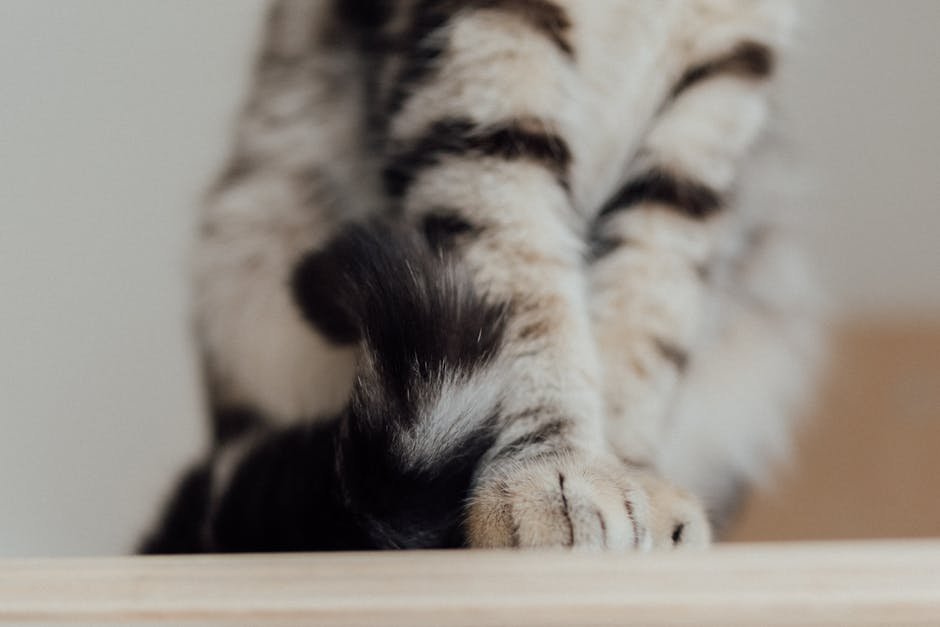
Have you ever watched your cat rhythmically press its paws against a soft surface, almost as if it’s kneading dough? This adorable habit, known as “kneading,” often leaves cat owners puzzled.
You’re not alone if you’ve wondered why your feline friend does this. Understanding this behavior can deepen your connection with your pet and provide insights into their unique world. You’ll discover the fascinating reasons behind your cat’s kneading behavior, unraveling the mystery that keeps you captivated by your furry companion’s antics.
Prepare to see your cat’s actions in a whole new light, enhancing your bond and enriching your shared life.
Why Cats Knead
Cats knead for many reasons. This behavior may seem strange, but it has deep roots. Understanding why cats knead helps you connect with your pet better. It shows their feelings and needs in simple ways.
Origins Of Kneading
Kneading comes from wild cats. They press their paws on soft ground. This action makes a comfy spot to rest. It also marks their territory. Cats have scent glands in their paws. Pressing releases their scent. This warns other animals to stay away.
Kneading And Kittenhood
Kittens knead their mother’s belly to feed. This motion helps milk flow. It also gives comfort and warmth. The action stays with cats into adulthood. Kneading reminds them of safety and care.
Comfort And Security
Cats knead when they feel happy or calm. It is a sign of trust. They often knead on soft blankets or their owners. This behavior helps reduce stress. It makes them feel safe and relaxed.

Credit: www.lilyskitchen.co.uk
What Kneading Means
Kneading is a common behavior in cats that often puzzles their owners. This action involves a cat pressing its paws alternately against soft surfaces. It looks like they are “making dough” or pushing something under them. Understanding what kneading means helps you connect better with your feline friend. It reveals much about their feelings and instincts.
Signs Of Contentment
Kneading usually shows a cat feels safe and happy. Cats knead when they relax or prepare to sleep. This behavior often happens when they sit on your lap or a cozy spot. It means they trust their surroundings and enjoy your company. A cat that kneads gently is calm and content.
Territory Marking
Cats have scent glands in their paws. When they knead, they spread their scent on objects or people. This marks their territory quietly and naturally. It tells other cats, “This is mine.” This instinct helps cats feel secure in their space. You might notice your cat kneading your blanket or furniture often.
Stress Relief
Kneading can soothe a cat during stressful moments. It helps them release nervous energy and calm down. Cats may knead after a loud noise or a visit to the vet. This behavior reminds them of kittenhood when they kneaded their mother to get milk. It brings comfort and reduces anxiety.
When Cats Knead
Cats knead for various reasons, and understanding when they do it can give you deeper insight into their feelings and needs. You might notice your feline friend pressing their paws into soft surfaces at different times of the day. Recognizing these moments helps you respond to your cat’s behavior in a way that strengthens your bond.
Before Sleep
Many cats knead right before they settle down to sleep. This behavior is linked to their instinct to create a cozy, safe spot. You might see your cat pressing and pushing their paws rhythmically on your blanket or even your lap.
This action can calm them and help mark their sleeping area with their scent glands. Next time your cat kneads before curling up, try offering a soft blanket or pillow to encourage this comforting ritual.
During Play
It might surprise you, but some cats knead while they’re playful and energetic. Kneading during play can be a sign of excitement or anticipation. You could notice this when your cat is chasing a toy or interacting with you.
Keep an eye on their body language to see if the kneading comes with a twitching tail or alert ears. This helps you understand when your cat is ready for more engagement or prefers to take a break.
Seeking Attention
Sometimes, your cat kneads to get your attention. This gentle pawing can be their way of asking for petting, treats, or simply some time with you. If your cat kneads and then looks at you, they’re likely trying to communicate.
Responding by giving them affection or playtime can reinforce positive interaction. Have you noticed your cat kneading more when you’re busy or distracted? That’s their way of saying, “I’m here—don’t forget me.”
How Kneading Affects Cats
Understanding how kneading affects cats can change the way you see this common feline behavior. Kneading isn’t just a cute habit; it has deep impacts on your cat’s body and mind. Recognizing these effects helps you respond better and strengthen your bond.
Physical Benefits
Kneading helps cats stretch and strengthen their muscles. You might notice your cat pressing their paws rhythmically on soft surfaces, which works like a gentle exercise for their paws and legs.
This motion also stimulates blood flow, keeping their limbs healthy. Have you seen your cat kneading before settling down to sleep? It’s their way of preparing their body for rest, similar to how you might stretch before lying down.
Emotional Well-being
Kneading provides comfort and reduces stress for cats. When your cat kneads you, it’s a sign they feel safe and content in your presence.
This behavior often traces back to kittenhood when they kneaded their mother to stimulate milk flow. The act remains a soothing ritual that helps your cat manage anxiety.
Next time your cat kneads you, consider it a silent “thank you” for making them feel secure. How does your cat’s kneading change when they’re in a new or stressful environment? Noticing this can give you clues about their emotional state.
Handling Kneading Behavior
Kneading is a common cat behavior that shows comfort and affection. Cats push their paws in and out on soft surfaces. This action comes from kittenhood when they kneaded their mother’s belly to get milk. Handling this behavior helps keep your cat happy and your home safe.
Encouraging Safe Kneading
Provide soft blankets or cushions for your cat to knead. Choose materials that are easy to clean. Place these items in quiet, cozy spots your cat likes. Praise your cat when it uses these safe areas. This helps your cat understand where kneading is welcome.
Managing Claws
Trim your cat’s claws regularly to reduce scratches during kneading. Use special nail clippers made for cats. Handle paws gently to avoid stress. If your cat dislikes trimming, try short sessions with treats. Soft nail caps can also protect furniture and skin.
Setting Boundaries
Teach your cat where kneading is allowed and where it is not. If your cat kneads on you too hard, gently move it to a blanket or pillow. Avoid yelling or pushing, which can scare your cat. Use calm and consistent actions to guide your cat’s behavior. Respect your cat’s need to knead but keep it safe for everyone.

Credit: www.katdootje.nl
Kneading In Different Cat Breeds
Kneading is a charming behavior seen in many cats. It involves pressing their paws against soft surfaces, often in a rhythmic motion. This act is not the same in every cat breed. Different breeds show unique kneading patterns and frequencies. Understanding these can help owners connect better with their feline friends.
Breed Tendencies
Some breeds knead more often than others. For example, Maine Coons tend to knead gently and slowly. Siamese cats often knead quickly and with more energy. Ragdolls show strong kneading, sometimes with loud purring. Persian cats knead softly, preferring calm and quiet moments. These tendencies reflect each breed’s personality and history.
Individual Differences
Not all cats of the same breed knead the same way. Personality and early experiences shape kneading habits. Some cats knead to feel comforted, while others do it when happy or relaxed. Age can affect kneading too; kittens knead more than older cats. Pay attention to your cat’s unique style to understand their feelings better.
Credit: www.perfect-fit.co.uk
Frequently Asked Questions
Why Do Cats Knead With Their Paws?
Cats knead to mark territory using scent glands in their paws. It also shows comfort, contentment, and trust.
Is Cat Kneading A Sign Of Affection?
Yes, kneading often means your cat feels safe and loves you. It’s a positive bonding behavior.
Can Kneading Cause Harm To Humans?
Kneading can cause minor scratches due to claws. Regular nail trimming reduces discomfort for both.
When Do Cats Typically Knead The Most?
Cats usually knead when relaxed, before sleeping, or seeking attention. It’s a calming, instinctive action.
Conclusion
Cats knead to show comfort and trust. This behavior helps them feel safe and calm. It also reminds them of kittenhood and their mother’s care. Understanding why cats knead strengthens your bond with them. Watch your cat’s body language to know when they want to knead.
Enjoy these moments as signs of love and happiness. Kneading is a natural, gentle way cats express themselves. Appreciate this simple, sweet habit in your furry friend.
