

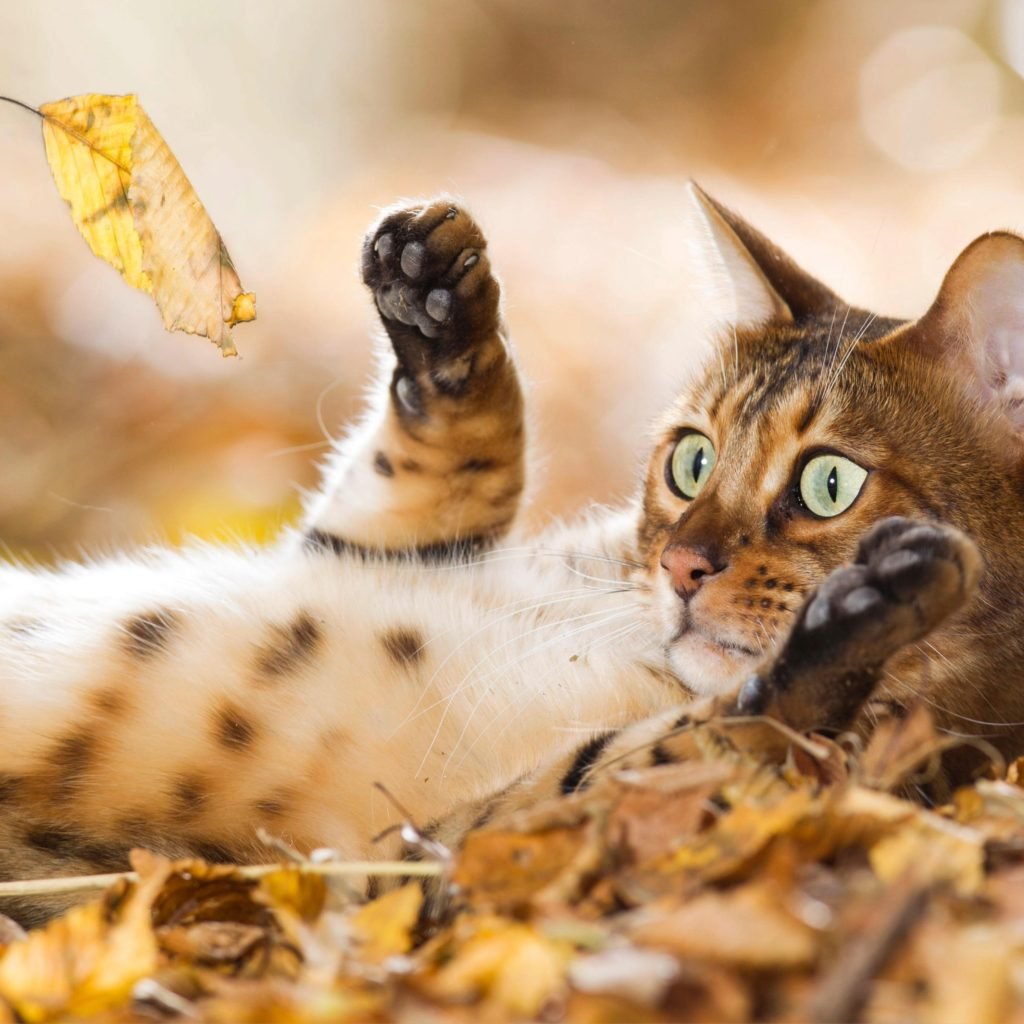
Are you a cat lover with a wild side? Imagine having a feline companion that embodies the mystique and allure of the jungle right in your living room.
Wild cat breeds offer just that—an enchanting blend of domestic charm and untamed beauty. These extraordinary cats not only captivate you with their striking appearances but also intrigue you with their unique behaviors and histories. As you delve into the world of wild cat breeds, you’ll discover how these majestic creatures can add a touch of the exotic to your everyday life.
Curious to learn more? Let’s unravel the mysteries and marvels of these fascinating feline friends.
Popular Wild Cat Breeds
Wild cat breeds captivate many with their unique looks and behaviors. These cats live far from domestic settings, often in challenging environments. Understanding popular wild cat breeds helps you appreciate their distinct traits and survival skills.
Serval
The serval is known for its long legs and large ears. It uses its ears to detect prey hidden in tall grass. If you watch videos of servals hunting, you’ll see how quickly they leap to catch birds mid-air.
Servals are native to Africa and thrive in savannas and wetlands. Their spotted coats help them blend into these habitats. Have you ever wondered how their hunting skills compare to those of your house cat?
Caracal
The caracal stands out with its tufted black ears, which are not just for show. These ear tufts improve sound localization, making the caracal a stealthy hunter. They can even catch birds in flight with impressive precision.
Caracals prefer dry areas like deserts and scrublands. Their muscular build allows them to leap up to 3 meters high. Imagine the agility required to jump that high just to catch dinner!
Margay
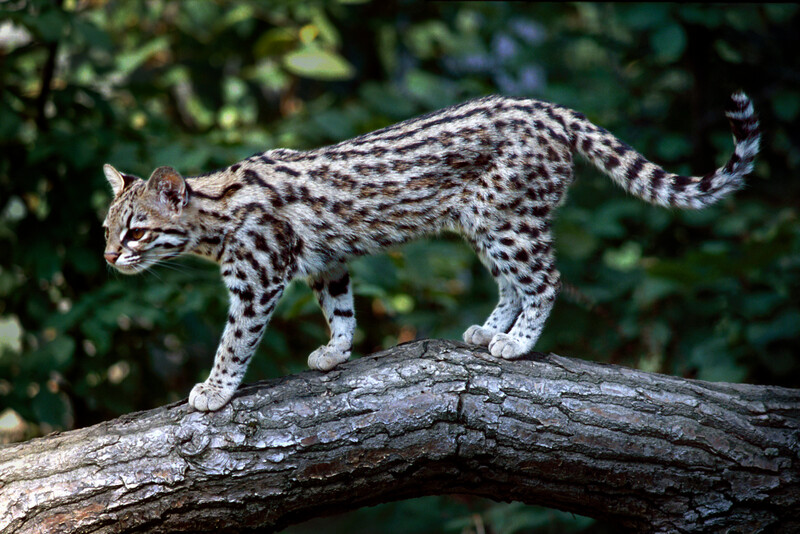
Margays are small wild cats native to Central and South American rainforests. They are excellent climbers, spending most of their time in trees. This arboreal lifestyle is rare among cats and shows how adaptable they are.
Margays have flexible ankle joints that let them climb headfirst down trees. Observing their movements can change how you view feline agility. Would you believe a wild cat can twist its paws almost like a monkey?
Ocelot
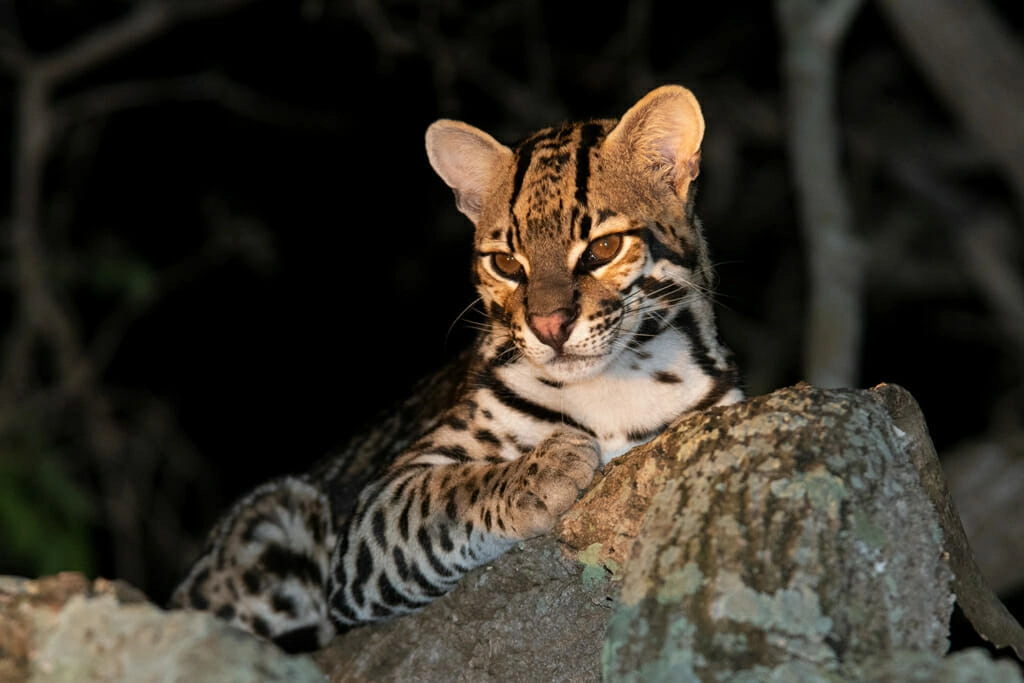
The ocelot’s beautiful spotted coat often draws attention. It is larger than the margay but smaller than the serval. Ocelots are nocturnal hunters and rely heavily on their sharp night vision.
They prefer dense forests and brushy areas where they can stalk prey quietly. Their stealth teaches us how patience and silence can be powerful tools. Could adopting some of these traits improve your own focus?
Credit: www.thewildlifediaries.com
Unique Traits Of Exotic Felines
Exotic felines captivate with traits that set them apart from common cats. These wild cats show unique qualities that fit their environments and lifestyles. Their features often look striking and different.
Understanding these traits helps appreciate their beauty and behavior. It also shows how they survive in nature’s varied settings. Each species has special characteristics that make it unique.
Physical Features
Exotic felines have distinct looks. Many have spotted or striped coats that help with camouflage. Their eyes are often large, aiding night vision. Muscular bodies support agile movements. Some have tufted ears or long tails for balance.
- Strong, sharp claws for hunting
- Powerful jaws and teeth for catching prey
- Dense fur adapted to climate
Behavioral Patterns
These wild cats show different behaviors from house cats. They are usually solitary animals, marking large territories. Hunting techniques vary; some stalk quietly, others use speed. Many are nocturnal, active during night hours. Vocal sounds differ widely, from growls to purrs.
- Stalking prey silently
- Using scent to mark territory
- Climbing trees to escape danger
Habitat Preferences
Exotic felines adapt to diverse habitats. Some live in dense forests, others in open savannas. Certain species prefer mountains or rocky areas. Water sources nearby affect their home range. Climate shapes their fur and behavior.
| Species | Preferred Habitat | Climate |
|---|---|---|
| Leopard | Forests and grasslands | Warm and temperate |
| Snow Leopard | Mountainous regions | Cold and snowy |
| Caracal | Savannas and deserts | Hot and dry |
Conservation Status
Wild cat breeds face many challenges that affect their survival. Understanding their conservation status helps us protect these magnificent animals. Many wild cats are at risk due to human activities and environmental changes. Conservation efforts aim to reduce threats and support their populations in the wild.
Threats To Wild Cats
- Habitat loss from deforestation and land use changes
- Poaching for fur, bones, and other body parts
- Human-wildlife conflicts leading to killings
- Decline in prey species affecting food availability
- Climate change disrupting natural habitats
Protection Efforts
Many organizations work to save wild cats through laws and programs. Protected areas help preserve critical habitats. Anti-poaching patrols reduce illegal hunting. Breeding programs in captivity support population growth. Education campaigns raise awareness about the importance of wild cats.
Role Of Wildlife Sanctuaries
Wildlife sanctuaries provide safe homes for endangered cats. They offer medical care and rehabilitation. Sanctuaries also serve as research centers. Visitors learn about conservation and animal behavior. These places help reconnect cats with the wild through release programs.
Credit: www.rewild.org
Caring For Exotic Cats
Caring for exotic cats requires special attention and understanding. These wild cat breeds have unique needs different from common house cats. Proper care ensures their health and happiness in a home or sanctuary. Every aspect, from diet to environment, must fit their natural habits and instincts.
Diet And Nutrition
Exotic cats need a diet close to what they eat in the wild. High protein and fresh meat are essential. Avoid processed foods or too many carbs. A balanced diet includes:
- Raw or cooked lean meats like chicken, turkey, or rabbit
- Occasional whole prey like mice or chicks for enrichment
- Essential vitamins and minerals, often added as supplements
Fresh water must be available at all times. Avoid feeding dairy products, as many cats are lactose intolerant.
Enclosure Requirements
Exotic cats need safe and spacious enclosures that mimic their natural habitat. The space should include:
- Climbing structures and hiding spots
- Natural plants or safe vegetation
- Separate areas for rest, play, and eating
- Secure fencing to prevent escape
Temperature and humidity control are important. Provide shade and shelter from rain or extreme weather. Enclosures must allow exercise and mental stimulation.
Health Considerations
Regular veterinary care is vital for exotic cats. They need vaccinations, parasite control, and health screenings. Watch for signs of illness, such as:
- Loss of appetite
- Changes in behavior or activity
- Respiratory issues or discharge
- Skin problems or hair loss
Stress can weaken their immune system. Keep their environment calm and stable. Only experienced vets should treat exotic cats due to their special needs.
Wild Cats In Culture And Media
Wild cats have captured human imagination for centuries, shaping stories, beliefs, and entertainment. Their fierce beauty and mysterious nature make them perfect symbols and compelling characters. Understanding their role in culture and media can deepen your appreciation for these incredible creatures.
Symbolism And Mythology
Wild cats often symbolize strength, courage, and independence in various cultures. Ancient Egyptians worshipped the goddess Bastet, who had the head of a lioness and represented protection and fertility. In Native American traditions, wild cats like the cougar are seen as guardians and spiritual guides.
Have you noticed how many cultures link wild cats to the idea of mystery and the unknown? This connection might explain why they appear in so many myths about transformation and the supernatural. Their elusive behavior in the wild adds to their symbolic power.
Wild Cats In Films And Documentaries
Wild cats have starred in countless films and documentaries, showing their raw beauty and survival skills. Documentaries like “The Leopard in the Mist” offer close-up views of these cats in their natural habitats, teaching you about their behavior and challenges.
Movies often use wild cats to represent untamed nature or personal strength. Think about how a tiger’s roar in a film signals danger or power instantly. Can you recall a scene where a wild cat made the story feel more intense or meaningful?
By watching these portrayals, you get insights into wild cats’ lives beyond just pictures or zoo visits. Next time you watch a wildlife documentary or a movie featuring wild cats, pay attention to how their character influences the story. It might change how you see these animals forever.
Credit: www.thewildlifediaries.com
Frequently Asked Questions
What Are The Most Common Wild Cat Breeds?
The most common wild cat breeds include the Bengal, Serval, Caracal, and Ocelot. Each breed has distinct features and habitats. These cats are known for their agility and unique coat patterns, making them popular among wild cat enthusiasts and researchers alike.
How Do Wild Cat Breeds Differ From Domestic Cats?
Wild cats are generally larger and more muscular than domestic cats. They have sharper instincts and hunting skills. Unlike domestic cats, wild breeds live in natural habitats and rely on hunting for survival. Their behavior and physical traits are adapted to the wild environment.
Are Wild Cat Breeds Endangered Or Protected?
Many wild cat breeds are endangered or protected due to habitat loss and poaching. Conservation efforts focus on habitat preservation and anti-poaching laws. Organizations work globally to protect these species and ensure their survival in the wild.
Can Wild Cat Breeds Be Kept As Pets?
Wild cats are not suitable as pets due to their wild nature and specific needs. They require large territories and specialized diets. Keeping them as pets is often illegal and can be dangerous for both the animal and the owner.
Conclusion
Wild cat breeds show nature’s beauty and strength. Each breed has unique traits and habits. Knowing them helps us appreciate wildlife more deeply. Wild cats face many challenges today. Protecting their homes keeps these amazing animals safe. Stay curious about wild cats and their world.
Every small effort counts for their survival. Wild cats inspire wonder in people everywhere. Keep learning and caring about these wild creatures.
