

Are you fascinated by the majestic Maine Coon cats and curious about how humans have harnessed their unique traits through selective breeding? You’re not alone.
As a cat enthusiast, you might already know that Maine Coons are celebrated for their size, intelligence, and gentle demeanor. But have you ever wondered how breeders have managed to consistently enhance these desirable traits? This article will unravel the intriguing process of selective breeding and how it shapes the Maine Coon’s characteristics.
Discover the secrets behind breeding these gentle giants, and learn how you might apply these principles to your own feline friends. Stay tuned to explore the delicate balance of nature and nurture that makes each Maine Coon truly exceptional.
Maine Coon Origins
The Maine Coon is one of the oldest natural cat breeds in North America. Its origins trace back to the northeastern United States, especially Maine. This breed has a rich history shaped by nature and human influence. Understanding the Maine Coon’s roots helps explain its unique traits and why humans use selective breeding to enhance them.
Natural Traits
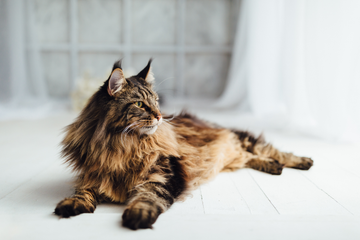
Maine Coons have thick fur that protects them from cold weather. Their large size and strong bones make them sturdy and healthy. They also have tufted ears and bushy tails, which help in harsh climates. These traits developed naturally over time as the cats adapted to their environment.
They are known for their gentle and friendly nature. This makes them great companions and easy to breed selectively. Their intelligence and playful behavior are other natural traits breeders aim to keep.
Breed History
The Maine Coon’s history dates back to the 1800s. Early settlers and farmers in Maine valued these cats for their hunting skills. They helped control rodents on farms and ships. Over time, people began to notice their unique looks and friendly personality.
Selective breeding started in the late 19th century to preserve and enhance these traits. Breeders focused on size, coat quality, and temperament. This careful breeding helped establish the Maine Coon as a recognized and popular breed worldwide.

Credit: felinefancy.co.uk
Selective Breeding Goals
Selective breeding of Maine Coon cats aims to enhance specific traits that make this breed so beloved. Breeders focus on characteristics that improve the cat’s appearance and personality, ensuring these felines remain a joy to own. Understanding these goals helps you appreciate the careful choices behind each new generation.
Desired Physical Features
Breeders work to keep the Maine Coon’s iconic look consistent and impressive. This includes maintaining their large size, tufted ears, and bushy tails. You might notice how some Maine Coons have particularly expressive eyes or a silky, thick coat—traits that breeders often prioritize.
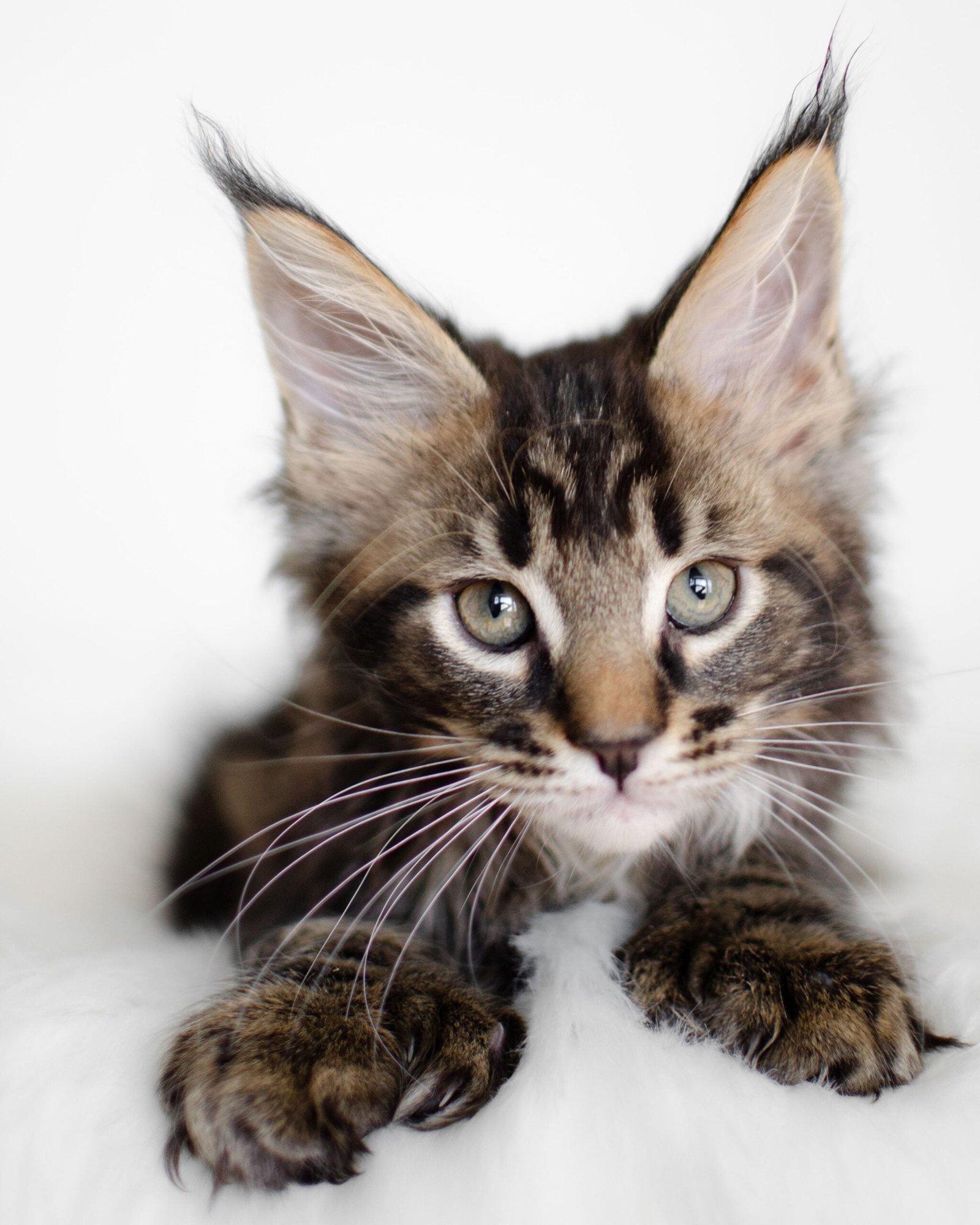
Many breeders select cats with strong bone structure and muscular bodies to preserve the breed’s rugged appearance. They also focus on coat patterns and colors to meet breed standards while offering variety to cat lovers. Have you ever wondered why some Maine Coons look almost like little lynxes? That’s selective breeding at work.
Temperament Traits
Physical beauty isn’t the only focus; personality plays a huge role too. Maine Coons are famous for being gentle giants—friendly, social, and intelligent. Breeders carefully choose cats that show these calm and affectionate behaviors to pass on to their kittens.
If a Maine Coon is overly shy or aggressive, it’s less likely to be used for breeding. Instead, cats with playful yet patient temperaments are preferred. This helps ensure your Maine Coon will be a loving companion, ready to interact with family members and guests alike.
What kind of personality do you want in your cat? Selective breeding aims to align those traits with what makes Maine Coons so special to their owners.
Breeding Techniques
Selective breeding of Maine Coon cats involves careful planning and techniques to enhance desired traits while maintaining the breed’s health. Breeders use specific methods that require attention to both physical characteristics and genetic background. Understanding these breeding techniques can help you appreciate how Maine Coons maintain their unique qualities over generations.
Mate Selection
Choosing the right mates is crucial in Maine Coon breeding. Breeders look for cats with strong physical traits like size, coat pattern, and temperament that match the breed standard. This helps ensure the offspring inherit the best qualities.
Breeders also consider the compatibility of the cats’ personalities. A calm, friendly Maine Coon is more likely to produce kittens with similar temperaments. Have you ever thought about how much a cat’s personality affects its kittens?
Sometimes, breeders pair cats from different bloodlines to add genetic diversity. This reduces the risk of inherited health problems and keeps the breed strong.
Genetic Screening
Genetic screening is a vital step in modern Maine Coon breeding. It involves testing cats for specific hereditary diseases common in the breed, such as hypertrophic cardiomyopathy (HCM). This screening helps breeders avoid passing on serious health issues.
Before mating, breeders test both cats and review their genetic history. If a cat carries a gene for a disease, breeders can make informed decisions to prevent that gene from spreading. Wouldn’t you want to know your pet’s health risks before breeding?
This technique also helps identify traits like coat color and pattern genes, allowing breeders to plan for certain looks in the kittens. Genetic screening brings science into the traditional art of breeding, making it more precise and responsible.
Credit: greekgardenmainecoons.com
Challenges In Breeding
Breeding Maine Coon cats is far from a simple task. While their majestic looks and gentle personalities make them highly desirable, breeders face real challenges that affect the health and sustainability of the breed. Understanding these challenges helps you appreciate the care needed to maintain a strong, healthy Maine Coon lineage.
Health Concerns
One major hurdle in breeding Maine Coons is managing genetic health issues. These cats can be prone to conditions like hypertrophic cardiomyopathy (HCM), hip dysplasia, and spinal muscular atrophy (SMA).
Breeders must screen for these diseases to avoid passing them to kittens. Skipping health tests might save money upfront but leads to heartache later. Have you ever thought about how much responsibility lies in choosing healthy parent cats?
Regular veterinary checkups and genetic testing are non-negotiable. Some breeders even collaborate with veterinarians to track health trends across generations. This vigilance helps protect the breed’s future.
Maintaining Genetic Diversity
Keeping the gene pool diverse is another challenge. Breeding closely related cats increases the risk of inherited diseases and reduces vitality.
Breeders must carefully select mates to avoid inbreeding while preserving the breed’s unique traits. This balancing act requires detailed record-keeping and sometimes importing cats from different regions.
Think about it: how would you maintain variety without losing the Maine Coon’s signature size and coat quality? It takes strategic planning and sometimes tough decisions.
- Track pedigrees to prevent close relatives from mating.
- Incorporate new bloodlines while keeping breed standards intact.
- Work with other breeders to share genetic information and cats.
Every choice affects the breed’s long-term health and character. If you are considering breeding, ask yourself how you will handle these challenges responsibly.
Ethical Considerations
Selective breeding of Maine Coon cats requires careful thought about ethics. It’s not just about creating beautiful cats but ensuring their health and happiness come first. Before you dive into breeding, consider how your choices impact these gentle giants on a daily basis.
Welfare Of Cats
Every Maine Coon cat deserves a life free from suffering. Selective breeding should prioritize traits that enhance their well-being, not just appearance. Avoid breeding practices that increase risks of genetic disorders like hypertrophic cardiomyopathy (HCM), common in this breed.
Ask yourself: Are the cats living in comfortable, clean environments? Do they receive regular veterinary care? Their physical and emotional health must guide breeding decisions, not trends or market demand.
Breeder Responsibilities
Being a breeder means more than pairing cats for desirable traits. You hold the responsibility to maintain detailed health records and screen for genetic issues. Sharing this information with future pet owners builds trust and supports responsible ownership.
Good breeders invest time in socializing kittens, ensuring they grow into well-adjusted pets. They also commit to finding loving homes and offer support after adoption. How will you balance your passion for Maine Coons with the duty to protect their future?

Credit: www.reddit.com
Impact On The Breed
The impact of selective breeding on Maine Coon cats is profound and multifaceted. It shapes not only their physical traits but also their health and behavior. Understanding this impact helps you appreciate the breed’s current characteristics and the future challenges it may face.
Breed Standard Evolution
Selective breeding has gradually refined the Maine Coon’s appearance to match specific breed standards. Breeders focus on traits like tufted ears, bushy tails, and large size, which define the breed’s identity today.
However, this focus sometimes narrows genetic diversity. You might notice some lines have stronger features but also carry risks of inherited health issues. Have you ever wondered how much the breed’s look has changed over the decades?
Responsible breeders work to balance aesthetics with health, ensuring the breed remains robust. This ongoing evolution reflects both human preferences and the breed’s natural qualities.
Popularity And Demand
The rising popularity of Maine Coons has increased demand for selective breeding programs. This demand pushes breeders to produce more cats that fit the ideal image quickly.
While this can lead to more Maine Coons in loving homes, it may also encourage shortcuts in breeding practices. You should be cautious about where you get your cat; not all breeders prioritize health equally.
- Increased demand sometimes results in overbreeding.
- Some breeders may ignore genetic health testing.
- High popularity can lead to a surge in pet store or online sales with less transparency.
Think about how your choice as a buyer can influence breeding trends. Supporting ethical breeders helps maintain the breed’s well-being and prevents problems linked to careless breeding.
Frequently Asked Questions
What Traits Do Humans Select In Maine Coon Cats?
Humans select traits like size, coat color, and temperament in Maine Coons. Breeders focus on health and personality to enhance breed standards and pet suitability.
How Does Selective Breeding Improve Maine Coon Health?
Selective breeding reduces genetic diseases by pairing healthy cats. This process enhances lifespan, vitality, and overall breed resilience through careful genetic selection.
Why Is Maine Coon Temperament Important In Breeding?
Temperament affects pet compatibility and trainability. Breeders prioritize friendly, social, and gentle traits to ensure Maine Coons make great companions.
How Do Breeders Maintain Maine Coon Breed Standards?
Breeders follow strict guidelines for appearance and behavior. They document lineage and traits to preserve the unique characteristics of Maine Coons.
Conclusion
Selective breeding shapes Maine Coons’ unique traits and health. Breeders choose cats with strong features and good temperament. This careful choice keeps the breed healthy and beautiful. It helps preserve the Maine Coon’s large size and friendly nature. Breeders also avoid genetic problems by careful pairing.
This work takes patience and knowledge about cat genetics. The result is a happy, healthy Maine Coon cat. People love these cats for their gentle and playful ways. Selective breeding helps keep Maine Coons special for many years.
