

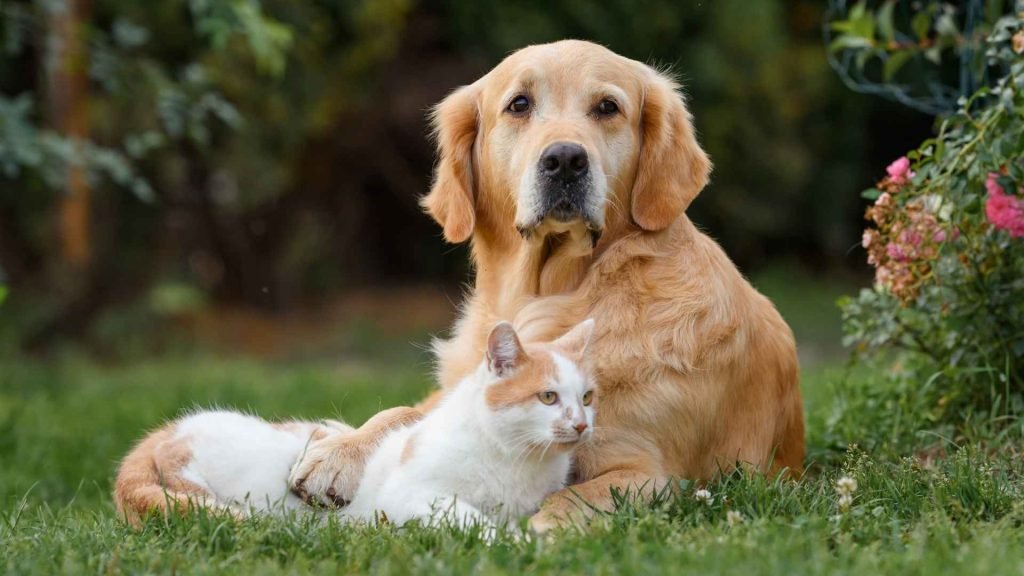
Are you a pet lover torn between the captivating charm of dogs and the mysterious allure of cats? You’re not alone.
Choosing between these two beloved companions can be a delightful yet challenging decision. Dogs and cats each offer unique characteristics that can enrich your life in unexpected ways. But which one is right for you? This article will guide you through the fascinating world of dog breeds and cats, helping you discover the perfect furry friend that matches your lifestyle and personality.
With insights that speak directly to your heart and mind, you’ll find yourself eager to learn more about these amazing animals. Get ready to uncover the secrets that make dogs and cats such extraordinary companions.
Choosing Compatible Pets
Choosing compatible pets means looking beyond just their species. Dogs and cats have unique needs, personalities, and energy levels that can either clash or complement each other. You want to create a home where both animals feel safe and happy, not stressed or threatened.
Breed Traits That Matter
Every dog breed has distinct traits that affect how they interact with cats. Some breeds are naturally more tolerant and gentle, like Golden Retrievers or Cavalier King Charles Spaniels. Others, such as terriers or hounds, may have a higher prey drive and could chase cats.
Think about your dog’s breed characteristics before bringing a cat home. Does your dog have a strong hunting instinct? Does it enjoy calm environments or prefer active play? Matching these traits with a cat’s personality can prevent future conflicts.
Temperament Matching
Temperament plays a bigger role than breed alone. A shy cat might feel threatened by an overly enthusiastic dog, while a confident cat can stand its ground. Observe how your dog reacts to smaller animals or new pets to gauge their social style.
Introducing pets with similar temperaments can make their relationship smoother. A calm dog paired with a calm cat can relax together. But a high-energy dog and a nervous cat might need more time and patience to adjust.
Age And Energy Levels
Age affects how pets play and bond. Puppies and young cats are usually more energetic and curious, which can lead to rough play or accidental scratches. Older pets often prefer quiet and less physical interaction.
Consider if your dog’s energy matches your cat’s age and activity level. A playful kitten may thrive with a lively young dog. But an older dog might find a boisterous cat overwhelming. How well do your pets’ daily habits line up?

Credit: worldanimalfoundation.org
Preparing Your Home
Preparing your home for both dogs and cats sets the stage for peaceful living. Each pet needs its own space to feel safe and comfortable. Organizing your home carefully helps reduce stress and prevents conflicts. Thoughtful planning creates harmony and keeps your pets happy.
Safe Spaces For Cats
Cats need quiet, high places where dogs cannot reach. Shelves, cat trees, or window perches work well. These spots let cats observe without feeling threatened. Provide cozy beds or boxes for cats to hide and rest. Place food and water bowls away from dog areas to avoid stress.
Designated Dog Areas
Dogs benefit from clear zones for play, rest, and eating. Use gates or crates to create dog-only spaces. These areas help dogs relax and feel secure. Keep toys and beds in these zones to mark the territory. Training dogs to stay in their area supports calm behavior around cats.
Pet-proofing Tips
- Remove toxic plants and secure electrical cords out of reach.
- Store cleaning products and medications safely away from pets.
- Use sturdy trash cans with lids to prevent pet access.
- Block small spaces where pets might get stuck or hide.
- Secure doors and windows to prevent escapes or accidents.
Introducing Dogs And Cats
Introducing dogs and cats to each other can be a delicate process. Their natural instincts often clash, but with patience and the right approach, they can learn to coexist peacefully. Your role is to guide their first encounters carefully, setting the stage for a positive relationship.
First Meeting Strategies
Start with a neutral space where neither pet feels territorial. Keep your dog on a leash and allow your cat to explore freely. Let them observe each other from a distance before any direct contact.
Use treats to create positive associations. Reward calm behavior from both pets. Have patience—rushing their first meeting can lead to fear or aggression.
Controlled Interactions
Keep early interactions short and supervised. Gradually increase their time together as they become more comfortable. If your dog is excitable, use commands to maintain control.
Allow your cat to retreat to a safe spot whenever needed. This helps your cat feel secure and reduces stress. Controlled interactions build trust and set boundaries for both pets.
Recognizing Stress Signals
Watch for signs like growling, hissing, raised fur, or a tucked tail. These behaviors indicate discomfort or fear. Your quick response can prevent escalation.
Notice if your dog stiffens or fixates on the cat. Calmly redirect their attention with a command or toy. Recognizing stress signals early helps you manage their emotions effectively.

Credit: tryfurgo.com
Training For Peaceful Coexistence
Training dogs and cats to live peacefully together takes patience and clear communication. You need to teach your dog how to behave around cats and help both pets feel safe and respected. This training sets the foundation for a calm home where both animals enjoy each other’s company without stress.
Basic Commands For Dogs
Start with simple commands like “sit,” “stay,”and “leave it.”These commands give you control in situations where your dog might get too excited or curious about the cat.
Practice these commands daily, especially in environments where your dog and cat are together. Consistency helps your dog understand what behavior you expect.
Encouraging Positive Behavior
Notice when your dog behaves calmly around the cat. Gently praise or pet your dog to reinforce that calm behavior is good.
If your dog chases or growls, calmly redirect attention to a toy or command. Avoid punishing your dog harshly, as it can increase anxiety and worsen behavior.
Reward Systems
Use treats or favorite toys to reward your dog for good behavior near the cat. Timing is key—give the reward immediately after the desired action.
Try a reward chart to track your dog’s progress. This visual tool can motivate you to stay consistent and helps you see what works best for your pets.
Managing Daily Life
Managing daily life with both dogs and cats requires a thoughtful approach to keep everyone happy and healthy. These pets have different needs, and balancing them can be a rewarding challenge. Understanding how to handle feeding, exercise, and grooming will make your routine smoother and more enjoyable.
Feeding Routines
Dogs and cats have distinct dietary needs, so setting separate feeding routines helps avoid conflicts. Cats usually prefer small, frequent meals, while dogs often do well with two larger meals a day.
Consider the type of food too. Cats need more protein and taurine, an essential nutrient, which dogs don’t require as much of. You might find that feeding your pets in different rooms or at staggered times reduces competition and stress.
Have you noticed how some dogs try to steal their cat’s food? Keeping their bowls apart can prevent this and protect your cat’s diet.
Exercise Needs
Dogs generally need more active exercise, like walks or playtime outside. Cats, on the other hand, get their exercise through short bursts of indoor play or climbing structures.
Try to set aside time for your dog’s daily walk to burn off energy and maintain good behavior. For cats, interactive toys or a simple laser pointer can provide mental and physical stimulation.
What creative ways have you found to keep your pets moving without overwhelming your schedule?
Grooming And Hygiene
Grooming varies widely between breeds and species, but regular care is essential for both dogs and cats. Dogs may need regular baths and brushing depending on their coat type, while cats often groom themselves but still benefit from occasional brushing.
Pay attention to nails, ears, and teeth for both pets. Keeping these areas clean prevents infections and discomfort. If your dog or cat dislikes grooming, try short sessions and offer treats to create positive associations.
Have you tried any grooming tricks that made the process easier for your furry friends?
Credit: pethelpful.com
Handling Conflicts
Handling conflicts between dogs and cats requires patience and understanding. Both animals have different ways of communicating and expressing stress. Recognizing early signs of tension helps prevent fights and keeps peace at home.
Preventing Aggression
Keep initial meetings calm and slow. Use barriers like baby gates to separate pets at first. Allow them to see and smell each other without direct contact. Reward calm behavior with treats and praise.
Create separate spaces for each pet. Provide plenty of toys and attention to reduce jealousy. Avoid forcing interactions. Watch body language closely for signs of fear or anger.
Calming Techniques
- Speak softly and move slowly around pets.
- Use calming sprays or diffusers with pheromones.
- Give each pet a safe retreat area.
- Engage pets in separate play sessions to reduce stress.
- Distract pets with toys or treats during tense moments.
Stay calm yourself. Pets often mirror human emotions and behavior.
When To Seek Professional Help
Persistent aggression or fear needs expert advice. A vet or animal behaviorist can assess the situation. They may suggest training or medical options.
Seek help if pets show:
- Frequent growling, hissing, or snapping.
- Signs of injury from fights.
- Fearful or withdrawn behavior.
- Stress-related health problems.
Early professional guidance improves chances of peaceful coexistence.
Benefits Of Dog-cat Friendships
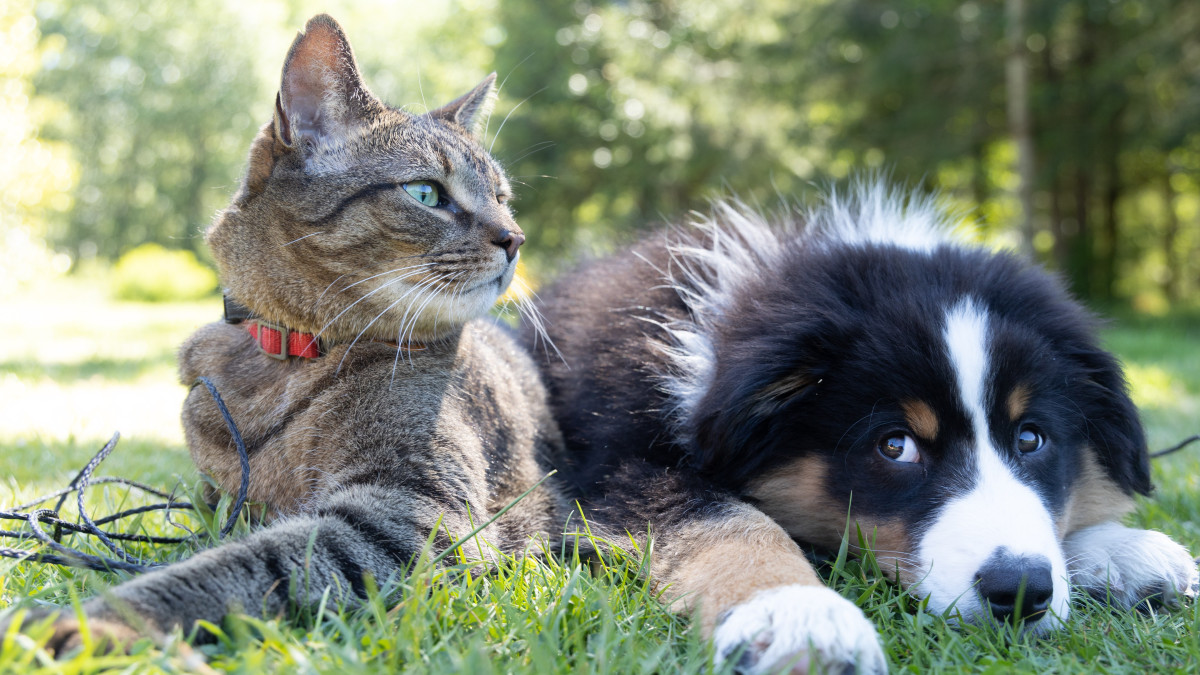
Dog-cat friendships offer many positive effects for both pets and their owners. These bonds create a peaceful home and boost well-being. Pets share love, comfort, and companionship. Their friendship can bring joy and reduce stress.
Emotional Support
Dogs and cats often comfort each other in times of stress. They sense each other’s moods and provide calm. Their presence reduces feelings of loneliness. Watching them interact can also lift owners’ spirits. This emotional support helps pets feel safe and loved.
Exercise And Play
Playtime between dogs and cats keeps them active and healthy. They chase, wrestle, and explore together. This natural play improves their physical fitness. It also prevents boredom and destructive behavior. Exercise is fun for both and strengthens their bond.
Enhanced Social Skills
Living with another species teaches dogs and cats social skills. They learn to read body language and respect boundaries. This improves their behavior with other animals and people. Social pets tend to be less anxious and more confident. Friendships encourage patience and kindness in both pets.
Frequently Asked Questions
What Dog Breeds Get Along Best With Cats?
Certain breeds like Golden Retrievers, Beagles, and Basset Hounds tend to be friendlier with cats. These dogs are generally gentle, social, and less aggressive, making it easier for them to coexist peacefully with feline companions.
Can All Dog Breeds Live With Cats Peacefully?
Not all dog breeds naturally coexist well with cats. Some breeds have high prey drives or aggressive tendencies. Proper training, socialization, and supervision are essential for peaceful living between any dog and cat.
How To Introduce Dogs And Cats Safely?
Introduce dogs and cats gradually in a controlled environment. Use leashes or barriers initially. Allow them to sniff and observe each other before supervised interactions. Positive reinforcement helps build trust and reduces stress.
Do Cats And Dogs Communicate Effectively?
Cats and dogs communicate differently but can understand each other’s body language over time. Patience and consistent exposure improve their interactions and help develop a harmonious relationship.
Conclusion
Dogs and cats both bring joy to many homes. Each breed has its own traits and needs. Choosing the right pet depends on your lifestyle and space. Some dogs enjoy lots of exercise, while cats prefer quiet time. Both animals can form strong bonds with people.
Taking time to learn about each breed helps you prepare well. Pets need love, care, and attention every day. The right pet can bring happiness and comfort. Remember, a happy pet makes a happy home.
